Noticing your cat’s ears feel warm can be an unsettling moment for any pet parent. Our feline companions often give subtle cues when something isn’t quite right, and a change in ear temperature is one such signal that can spark immediate concern. While it’s tempting to jump to conclusions, a cat’s warm ears aren’t always a direct indicator of a serious problem. In many cases, it’s a perfectly normal physiological response. However, there are certainly times when it warrants closer attention and, crucially, a visit to your veterinarian. Understanding the difference is key to providing your cat with the best care.
This article will delve into the mechanistic reasons behind warm cat ears, distinguishing between benign causes and seven specific alarming reasons that necessitate professional veterinary assessment. Our aim is to equip you with the knowledge to observe your cat with clarity and act decisively when needed.
Disclaimer: This article is intended for informational purposes only and is not a substitute for professional veterinary medical advice. Always consult with a qualified veterinarian for any health concerns or before making any decisions related to your pet’s care.
Is a Cat’s Warm Ear Always a Sign of Trouble? Understanding Normal Body Temperature
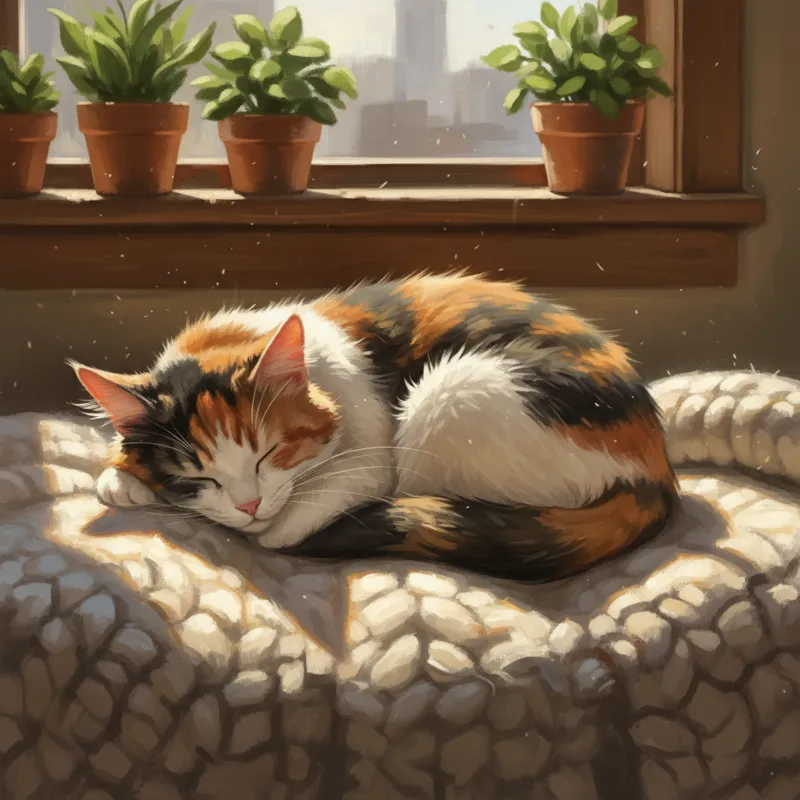
The first thing to understand is that a cat’s normal body temperature ranges from approximately 100.4°F to 102.5°F (38°C to 39.2°C). This is generally higher than human body temperature, so what feels warm to our touch might actually be within a cat’s healthy range.
A cat’s ears play a role in thermoregulation, the process by which their body maintains its internal temperature. The ears have many blood vessels close to the surface of the skin. When your cat is warm, these blood vessels can dilate (widen), allowing more blood to flow through them. This increased blood flow helps to dissipate excess heat from the body into the surrounding air, making the ears feel warmer to the touch.
Consider the context. Has your cat just been playing vigorously? Have they been curled up in a sunbeam or under a warm blanket? Are they feeling a bit stressed or excited, which can temporarily increase blood flow? All these scenarios can lead to increased peripheral circulation and consequently, warmer-feeling ears, without any underlying health issue. A cat’s body temperature, and thus ear warmth, can fluctuate slightly throughout the day based on their activity level, environmental temperature, and even their emotional state. For example, a cat that’s just finished an energetic play session will likely have warmer ears than one that’s been napping peacefully for hours.
7 Alarming Reasons Why Your Cat’s Ears Might Be Warm
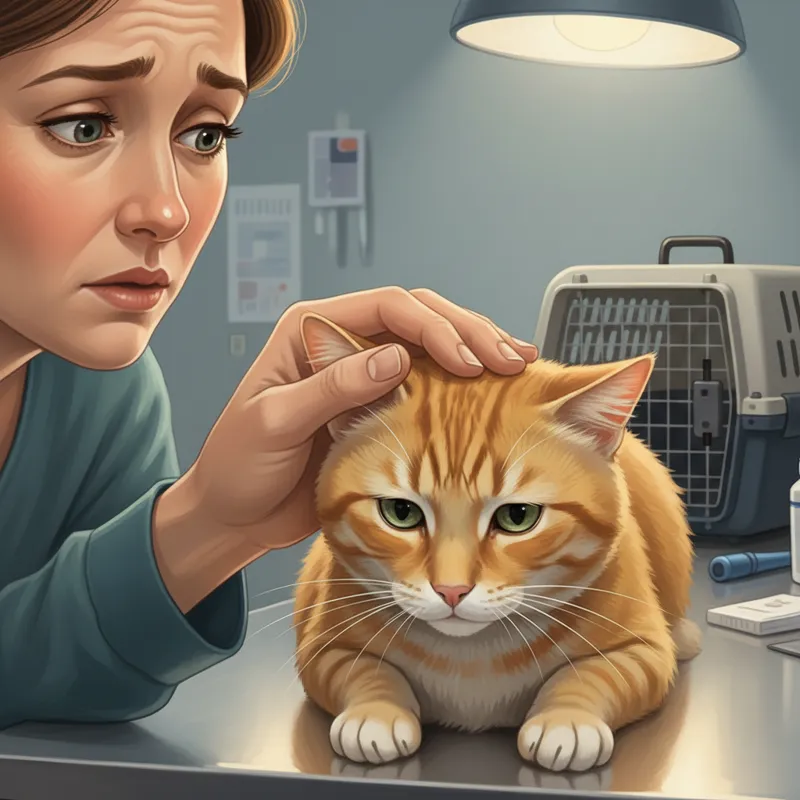
While normal fluctuations explain many instances of warm ears, there are specific health concerns that can also cause this symptom, often accompanied by other clinical signs. If you’re asking yourself, “Why are my cat’s ears warm and what else should I look for?” these seven reasons are critical to recognize.
1. Fever (Pyrexia)
A true fever indicates that your cat’s internal body temperature has risen above the normal range (over 102.5°F or 39.2°C). Fever is not a disease in itself but rather a symptom, a physiological response typically triggered by the immune system fighting off an infection or inflammation. When the body’s core temperature rises, the entire body, including the extremities like the ears, may feel warmer.
Key symptoms of fever include lethargy, hiding more than usual, decreased appetite or thirst, shivering, a dull coat, and sometimes a visible third eyelid (nictitating membrane) showing. If your cat’s ears feel consistently warm, especially if accompanied by these other signs, it’s a strong indicator that you should seek veterinary attention promptly. A sustained fever can lead to dehydration and other complications.
2. Ear Infection (Otitis)
An infection or inflammation of the ear canal, known as otitis, is a common reason for a cat’s ears to feel warm, particularly if only one ear is affected. Ear infections can be caused by bacteria, yeast, or even ear mites. The inflammatory process in the ear canal leads to increased blood flow to the area, causing localized warmth, redness, and swelling.
Beyond warmth, look for head shaking, constant scratching at the ears, a foul odor emanating from the ear, discharge (which can be waxy, dark, or pus-like), visible redness inside the ear flap, pain when the ear is touched, or the cat holding its head tilted to one side. These symptoms, especially discharge or a strong smell, demand a veterinary visit. An untreated ear infection can be incredibly painful and can lead to more serious conditions, including hearing loss or spread of infection deeper into the ear structure.
3. Allergic Reaction
Just like humans, cats can suffer from allergies to environmental factors (pollen, dust mites), food ingredients, or even flea bites. An allergic reaction causes an immune system overresponse, leading to widespread or localized inflammation. The skin, including the delicate skin inside and around the ears, can become red, itchy, and warm as blood vessels dilate to bring immune cells to the affected area.
Other signs of an allergic reaction might include intense itching and scratching (often around the face and ears), red or irritated skin, skin lesions, excessive grooming, sneezing, coughing, vomiting, or diarrhea. In severe cases, swelling of the face or difficulty breathing (anaphylaxis) can occur, which constitutes a medical emergency. If you notice your cat’s ears are warm and inflamed along with other allergic symptoms, especially if they are rapidly progressing, contact your vet.
4. Hyperthermia or Overheating
Hyperthermia refers to an abnormally high body temperature caused by external factors or the body’s inability to dissipate heat effectively, rather than an internal fever response. This is a serious concern, especially during warmer months or if a cat is confined to a hot, poorly ventilated area. Cats are naturally good at tolerating heat, but they are not immune to overheating.
Causes include exposure to direct sunlight for too long, being trapped in a hot car, strenuous exercise in warm weather, or underlying conditions that impair heat regulation. Signs of overheating include excessive panting (cats don’t typically pant like dogs, so this is a red flag), drooling, rapid heartbeat, lethargy, vomiting, diarrhea, and staggering. If your cat’s ears are notably warm and you observe any of these symptoms, particularly in a hot environment, assume it’s an emergency and seek immediate veterinary care. Overheating can quickly progress to heatstroke, which is life-threatening.
5. Ear Mites or Other Parasites
Ear mites (Otodectes cynotis) are tiny, highly contagious parasites that live in the ear canals of cats, causing intense irritation and inflammation. Their presence triggers an inflammatory response, leading to increased blood flow and localized warmth in the ears. While not technically an infection, the persistent irritation they cause can easily lead to secondary bacterial or yeast infections.
Symptoms are often dramatic: relentless scratching and rubbing of the ears, head shaking, and a characteristic dark, crusty, waxy discharge that resembles coffee grounds. The ears may also appear red and inflamed internally. If you suspect ear mites, a vet visit is essential for accurate diagnosis and appropriate antiparasitic treatment. Leaving ear mites untreated causes significant discomfort and can lead to chronic ear problems.
6. Trauma or Injury
Physical trauma to the ear, such as a bite wound from another animal, a scratch, or even a foreign object lodged in the ear canal, can cause localized inflammation, swelling, and warmth. The body’s natural response to injury is to send blood and immune cells to the damaged area, leading to heat and tenderness.
Look for visible signs of injury such as cuts, scrapes, bleeding, bruising, or swelling on the ear flap or around the ear canal. Your cat might vocalize in pain when the ear is touched, shy away, or hold the injured ear flat against its head. If only one ear is warm and you can identify a specific injury, it’s important to have it examined by a vet to prevent infection, ensure proper healing, and rule out deeper damage.
7. Underlying Systemic Illness
Sometimes, warm ears can be one symptom of a broader systemic illness affecting your cat’s overall health and metabolic processes. Conditions like hyperthyroidism, where the thyroid gland produces excessive hormones, can increase a cat’s metabolism, leading to a generally warmer body temperature. Certain autoimmune diseases or even some types of cancer can also cause systemic inflammation or fever as the body’s immune system reacts.
If your cat’s ears are warm and you notice a cluster of other unexplained symptoms, such as significant weight loss despite a good appetite (common in hyperthyroidism), increased thirst and urination, changes in coat quality, persistent lethargy, or changes in behavior over time, a comprehensive veterinary check-up is warranted. These broader clinical pictures require a thorough diagnostic workup to identify the root cause.
Beyond Warmth: Other Critical Symptoms to Watch For

While warm ears can be a clue, they are rarely the sole indicator of a serious problem. It’s the constellation of symptoms that truly paints a picture of your cat’s health. When considering, “Why are my cat’s ears warm?” always assess these accompanying signs:
- Changes in Behavior: Is your cat unusually lethargic, hiding more, refusing to play, or acting aggressively?
- Appetite and Thirst Changes: Any significant decrease or increase in eating or drinking can be a red flag.
- Changes in Grooming: Excessive grooming, particularly around the ears, or a sudden lack of self-grooming.
- Vocalization: Increased meowing, growling, or other sounds, especially when interacting with the ears.
- Discharge or Odor: Any fluid, pus, blood, or unpleasant smell from the ears is abnormal.
- Swelling or Redness: Visible inflammation on or around the ear.
- Balance Issues or Head Tilt: These can indicate deeper ear problems affecting the inner ear.
- Vomiting or Diarrhea: General signs of illness that can accompany many conditions.
What Most People Get Wrong About a Cat’s Warm Ears
One of the biggest misconceptions pet owners have is that warm ears automatically mean a fever. This isn’t always true. As we’ve discussed, a cat’s ears are highly vascular and serve as radiators for excess heat. They can feel warm simply due to environmental factors, recent activity, or even excitement, without the cat having an elevated core body temperature.
Another common mistake is to delay seeking veterinary advice when other concerning symptoms accompany warm ears. Owners might attribute lethargy or decreased appetite to “just a bad day,” hoping the issue will resolve on its own. While minor ailments can pass, persistent or worsening symptoms, especially when linked to something like “why are my cat’s ears warm,” warrant professional evaluation to prevent minor issues from becoming major health crises. Responsible cat ownership encompasses many aspects, from proactive health monitoring to making informed choices about their living environment and even, for some, considering sensitive topics like a cat urn for when they eventually cross the rainbow bridge.
Many people also miss that unilateral warmth (only one ear feeling warm) is often a stronger indicator of a localized problem like an ear infection or injury, rather than a systemic fever. Observing these nuances can help you provide more accurate information to your veterinarian.
When to Call the Vet: A Guide for Concerned Cat Parents
Knowing when to transition from careful observation to professional intervention is crucial. If you’re asking, “When should I call the vet for hot cat ears?” here’s a clear guide:
- Persistent Warmth with Other Symptoms: If warm ears are accompanied by lethargy, appetite loss, hiding, vomiting, diarrhea, or any behavioral changes that last more than a few hours.
- Visible Discomfort: If your cat is shaking its head, scratching excessively, crying out, or showing signs of pain when its ears are touched.
- Discharge or Odor: Any abnormal discharge, redness, or a foul smell coming from the ear.
- Localized Swelling or Injury: If you see any cuts, punctures, or unexplained swelling on or around the ear.
- Signs of Overheating: Rapid panting, drooling, staggering, or collapse, especially in a warm environment. This is an emergency.
- Rapid Worsening of Symptoms: If your cat’s condition deteriorates quickly.
It’s always better to err on the side of caution. A quick phone call to your vet can help you determine the urgency. Describe exactly what you’re observing, including when the symptoms started and any other changes in your cat’s behavior. They might advise you to monitor, or they might recommend an immediate appointment.
How to Safely Check Your Cat’s Temperature at Home (And Why It’s Tricky)
While feeling your cat’s ears can give you a hint, it’s not an accurate way to measure their core body temperature. The most accurate way to check a cat’s temperature is rectally with a digital thermometer. However, this method can be highly stressful and potentially unsafe for both you and your cat if not done correctly. Cats can react defensively, leading to bites or scratches.
If you must attempt it, use a veterinary-specific digital rectal thermometer, lubricate it thoroughly, and have someone gently but securely hold your cat. Insert the thermometer about an inch into the rectum and hold it until it beeps. Ensure you know the proper technique or, better yet, have your vet demonstrate it first. Ear thermometers designed for pets are available, but their accuracy can be variable in cats due to the shape of the ear canal and potential for user error. For most pet owners, focusing on observable behavioral changes, appetite, and activity levels is a more practical and safer approach to monitoring their cat’s health at home.
Proactive Care: Keeping Your Cat Healthy and Comfortable
Maintaining your cat’s overall health is the best defense against many of the issues that could lead to warm ears. Regular veterinary check-ups are paramount, as they allow your vet to catch potential problems early, administer necessary vaccinations, and provide parasite prevention. A balanced diet, constant access to fresh water, and a clean living environment also contribute significantly to their well-being.
Grooming, including careful ear checks, can help you identify changes early. Never use cotton swabs deep into the ear canal, as this can push debris further in or cause damage. Ask your vet for guidance on safe ear cleaning. Providing environmental enrichment, like toys, scratching posts, and safe spaces, helps reduce stress, which can also impact a cat’s immune system. Cats have a rich history, known for their adaptability and keen senses, playing roles from beloved companions to working animals, even serving alongside humans as army cats in various capacities throughout history. Our love for cats extends beyond their care, often inspiring us to express our admiration in various ways, from engaging in their playful antics to wearing fun accessories like cat earrings.
Being attentive to your cat’s normal patterns – their eating habits, litter box routine, sleep patterns, and activity levels – allows you to quickly spot deviations. A cat’s normal can vary greatly from one individual to another, so knowing your own cat’s baseline is essential.
Frequently Asked Questions About Warm Cat Ears
Q: Can only one of my cat’s ears be warm?
Yes, absolutely. If only one ear feels significantly warmer than the other, it often points to a localized issue in that ear, such as an ear infection, an injury, or an allergic reaction affecting primarily that side. A systemic fever would typically cause both ears to feel warm.
Q: Do cats get colds?
Cats can contract upper respiratory infections (URIs), which are often viral (like feline herpesvirus or calicivirus) but can also involve bacterial components. These are somewhat analogous to human colds, causing symptoms like sneezing, nasal discharge, watery eyes, and sometimes fever, which could contribute to warm ears. While typically not life-threatening for healthy adult cats, severe cases or those affecting kittens or immunocompromised cats can lead to serious complications. A vet visit is recommended if symptoms persist or worsen.
Q: Is it normal for a kitten’s ears to be warm?
Similar to adult cats, a kitten’s ears can feel warm due to normal thermoregulation or activity. However, kittens are more vulnerable to illness and overheating due to their undeveloped immune systems and smaller body size. Any significant warmth coupled with lethargy, poor appetite, diarrhea, or vomiting in a kitten should be considered an urgent veterinary concern.
Q: How quickly should I see a vet if my cat’s ears are warm?
The urgency depends on accompanying symptoms. If warm ears are the only symptom, and your cat is otherwise acting normal, observation for a few hours might be appropriate. If the warmth is accompanied by pain, discharge, severe lethargy, inability to eat or drink, persistent vomiting, or any signs of heatstroke, you should contact your veterinarian immediately for advice or an emergency visit. For less severe but persistent symptoms (e.g., mild scratching, reduced appetite for a day), a non-emergency appointment within 24-48 hours is usually recommended.
Conclusion
Observing your cat is one of the most powerful tools you have as a pet owner. While feeling your cat’s ears can be a valuable part of this observation, it’s essential to interpret that warmth within the broader context of their behavior and other physical signs. Sometimes, it’s just a warm cat enjoying a sunny nap. Other times, it’s a subtle signal that your beloved companion needs help. By understanding the normal variations in feline physiology and recognizing the alarming reasons we’ve discussed, you empower yourself to make informed decisions and ensure your cat receives prompt, appropriate care when it matters most.
Disclaimer: The pet care information on bangladeshcountry.com is based on general internet research and is provided for informational and educational purposes only. We are independent publishers and researchers, not licensed veterinarians or animal health professionals. The content on this site is not a substitute for professional veterinary advice, diagnosis, or treatment. Always consult your veterinarian regarding your pet’s health, diet, or behavior. Reliance on this information is solely at your own risk.