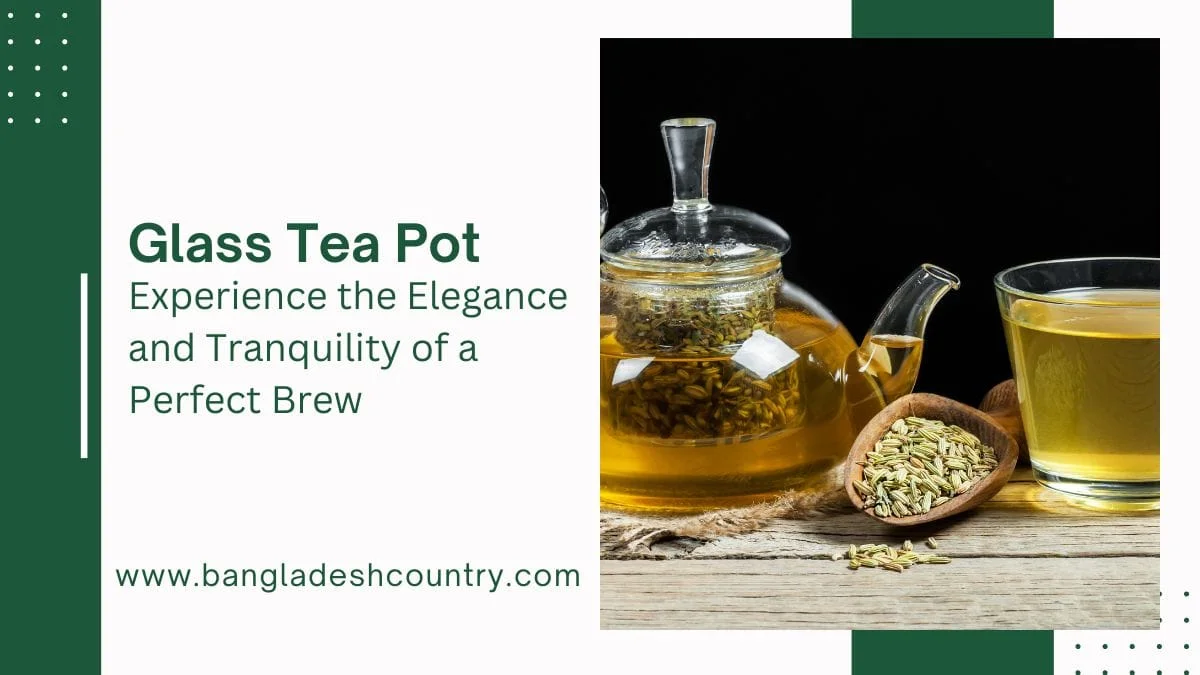
There’s a quiet magic to watching tea brew. It’s a small, daily ritual that transforms a few dried leaves and hot water into a comforting, aromatic experience. While traditional ceramic and cast-iron teapots have their own undeniable charm, nothing captures this transformation quite like a glass tea pot. The clarity of the vessel turns a simple process into a visual meditation—the leaves unfurling, the water slowly taking on the rich amber of a black tea or the pale jade of a green tea. It’s more than just a tool; it’s an invitation to slow down and appreciate the simple elegance of a perfect brew.
Why Choose a Glass Tea Pot Over Other Materials?
The choice of teapot material is about more than just aesthetics; it directly impacts the flavor and experience of your tea. Each material has a distinct personality and set of trade-offs.
Glass stands out for three primary reasons:
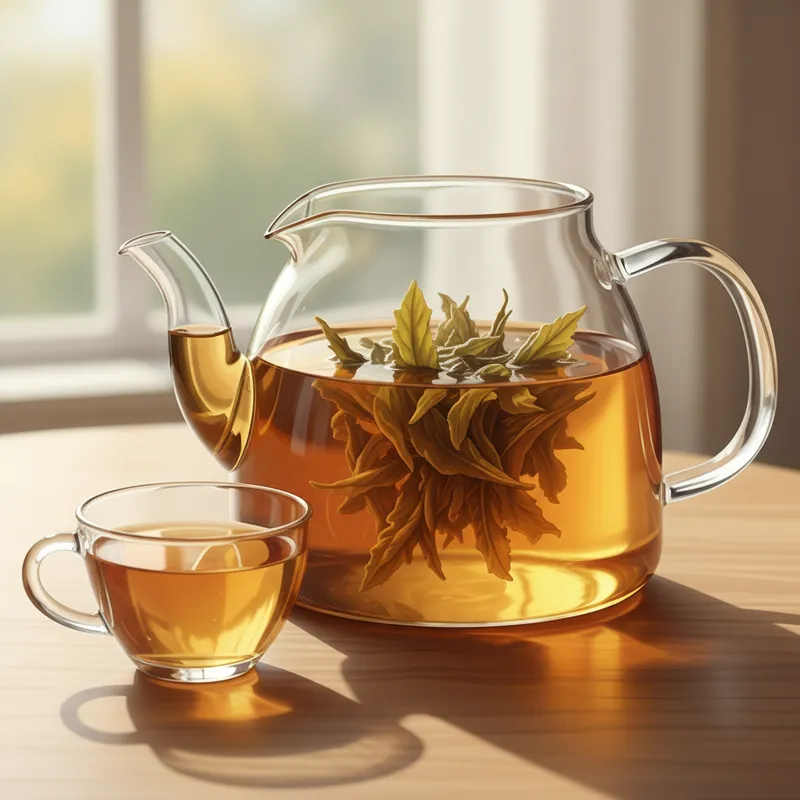
- Visual Experience: This is the most obvious benefit. A glass tea pot allows you to see the entire brewing process. This is especially captivating with “blooming” or “artisan” teas, which are hand-tied bundles of tea leaves and flowers that blossom into an intricate display in hot water. You can also judge the strength of your brew by color alone, giving you precise control without a timer.
- Flavor Purity: Glass is non-porous and completely inert. This means it won’t absorb any aromas or flavors from previous brews, nor will it impart any taste of its own. Every pot of tea you make will taste exactly as it should. This is a significant advantage over unglazed clay or cast iron, which can retain oils and are often seasoned for a specific type of tea.
- Ease of Cleaning: The transparency of glass means you can instantly see if it’s truly clean. There’s no guessing about leftover residue or the beginnings of a stain.
Compared to other popular materials, glass holds its own. A classic porcelain tea set offers excellent heat retention and a timeless look, but you lose the visual brewing element. Cast iron (tetsubin) holds heat the longest but is heavy and can rust if not cared for properly. Stainless steel is durable and practical but lacks the elegance and flavor neutrality of glass.
The main drawback of glass is its fragility and lower heat retention. It won’t keep your tea piping hot for as long as a thick ceramic or cast-iron pot, but for those who enjoy their tea shortly after brewing, this is rarely an issue.
The Single Most Important Factor: Borosilicate Glass
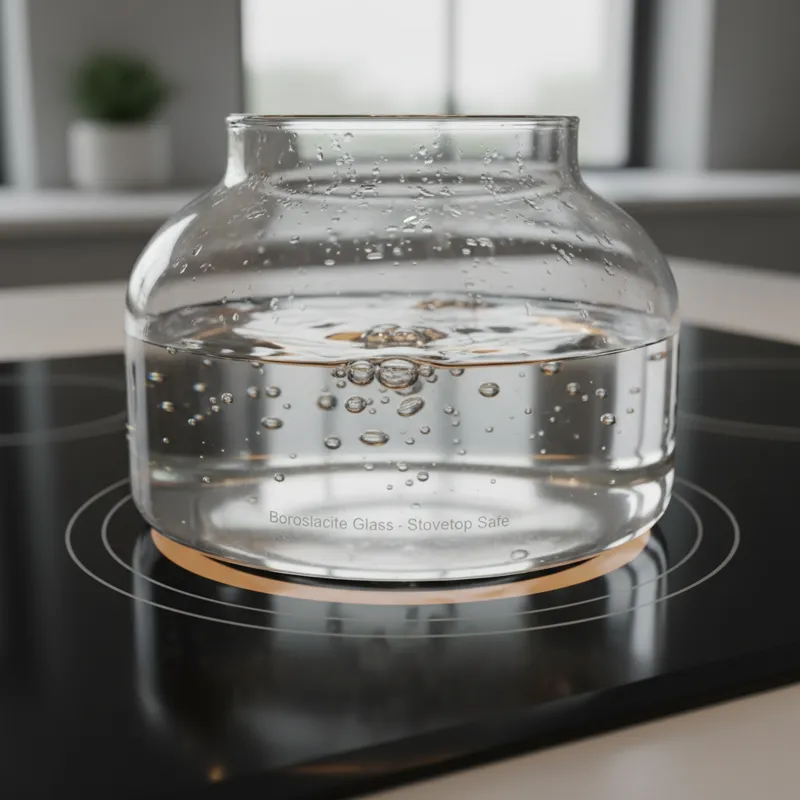
Not all glass is created equal, and this is the most critical point for anyone considering a glass tea pot, especially for stovetop use. The only type you should consider is one made from borosilicate glass.
Regular soda-lime glass, the kind used for most drinking glasses and jars, expands and contracts significantly with temperature changes. If you pour boiling water into a cool soda-lime glass container, or place it on a hot stove, it can experience thermal shock and shatter violently.
Borosilicate glass, on the other hand, is a remarkable material. As explained by its scientific properties, it has a very low coefficient of thermal expansion. It’s engineered by adding boric oxide to the traditional glass mixture. This molecular-level change means it can handle extreme temperature shifts without cracking. It’s the same durable material used for laboratory glassware and high-quality kitchen bakeware (like the original Pyrex).
When you see a “clear tea kettle stovetop safe” label, it’s a promise that the pot is made from borosilicate glass. This allows you to heat water directly in the pot on an electric coil, glass cooktop, or even a low-to-medium flame on a gas stove. This versatility transforms the teapot from just a brewing vessel into a kettle and server all in one.
It’s also worth noting that borosilicate glass is a food-safe material, confirmed by regulatory bodies like the U. S. Food and Drug Administration to be a non-toxic Food Contact Substance. It doesn’t leach chemicals or flavors, ensuring your tea remains pure.
Key Features to Look for in a Quality Glass Tea Pot (2026 Buyer’s Guide)
Beyond the essential borosilicate construction, several design elements separate a great glass teapot from a frustrating one. Here’s what to inspect before you buy.
Infuser Type and Material
The infuser is where your loose tea leaves will sit. Most modern teapots include a removable one, which is crucial for controlling the brew—once your tea is strong enough, you simply pull the infuser out to stop the steeping process.
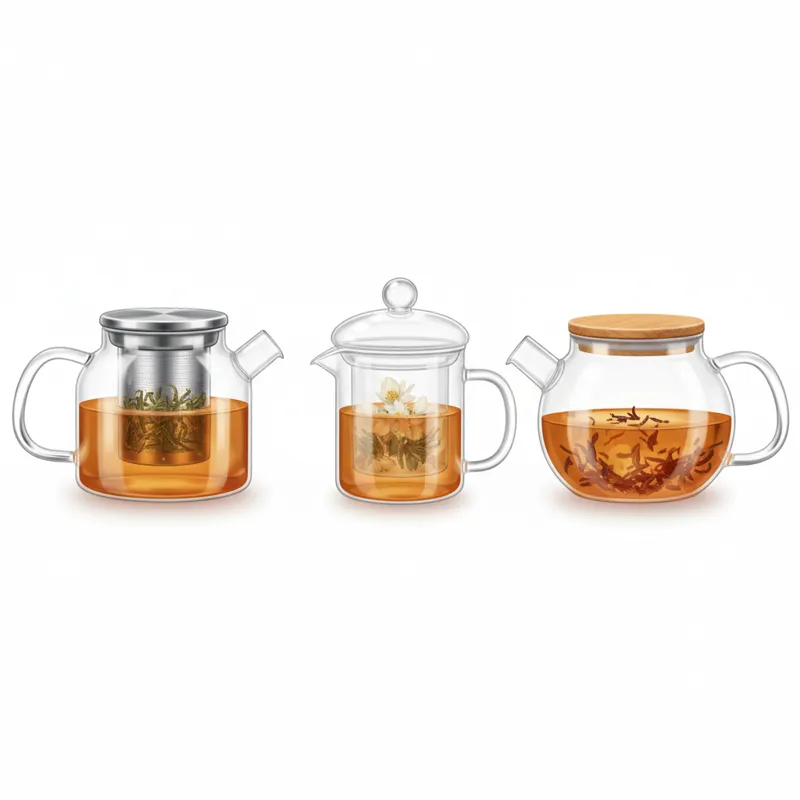
- Stainless Steel Infusers: This is the most common and practical option. Look for a fine mesh that can contain smaller tea particles (like rooibos) as well as large leaves. 304 (or 18/8) food-grade stainless steel is the standard for quality and rust resistance.
- Glass Infusers: A borosilicate teapot with a glass infuser offers the ultimate in aesthetic purity. The entire vessel is transparent. However, these are more fragile and the slits are often larger, making them better suited for large whole-leaf teas rather than fine-cut varieties.
- No Infuser: Some pots, designed especially for blooming teas or for use with tea bags, don’t come with an infuser at all.
Lid Design
A poorly designed lid can be a constant annoyance. Look for one that fits snugly and won’t fall out when you pour the last bit of tea. Many have a silicone or metal gasket to ensure a secure fit. Lids are commonly made of glass, brushed stainless steel, or sustainable materials like bamboo, which adds a warm, natural touch.
Spout and Handle
The spout determines the quality of your pour. A well-designed, “drip-free” spout is a major quality-of-life feature. Gooseneck spouts offer incredible precision but are more common on kettles than teapots. For a teapot, a simple, elegant spout that cuts the flow of water cleanly is perfect.
The handle should be ergonomic and provide a comfortable, secure grip, even when the pot is full and hot. Ensure there’s enough clearance for your knuckles so you don’t touch the hot glass.
Capacity
Consider how you’ll use the pot. Capacity is usually measured in milliliters (ml) or ounces (oz).
- 15-25 oz (approx. 450-750 ml): Ideal for one or two people.
- 30-45 oz (approx. 900-1300 ml): A great all-purpose size for a small family or having a friend over.
- 50+ oz (1500+ ml): A large capacity tea infuser pot perfect for entertaining guests or for avid tea drinkers who want to make a large batch.
The Art of Brewing: Getting the Most From Your Clear Teapot
Using a glass pot is an active, engaging experience. The visual feedback it provides helps you become a more intuitive brewer.
For blooming teas, the process is simple: drop the tightly-bound ball into the pot, add hot water (not quite boiling for most), and watch the show. It’s a fantastic centerpiece for a gathering.
For loose-leaf teas, you can observe the leaves as they hydrate and unfurl, releasing their color and flavor into the water. You learn to recognize the perfect shade of your favorite tea, allowing you to pull the infuser at the exact moment of ideal strength.
Understanding temperature is also key. The precision needed to extract the best notes from a delicate green tea versus a robust black tea is not unlike the control required for advanced cooking methods. Just as precise temperature is crucial for methods like modern sous vide cooking, it’s also key to unlocking the perfect flavor in your tea. Glass cools faster than ceramic, which can be an advantage for green teas that turn bitter with sustained high heat. For black teas that need to stay hot, you can pre-warm the pot with hot water or use an insulated tea cozy.
Common Mistakes and Misconceptions (What Most People Get Wrong)
While durable, borosilicate glass isn’t indestructible. A few common mistakes can lead to a broken heart and a broken pot.
- Extreme Thermal Shock: “Stovetop safe” has its limits. Never take a hot pot and pour cold water into it or place it on a cold, wet surface. The rapid contraction can still cause a fracture. Never take your hot teapot and rinse it with frigid water straight from one of today’s high-efficiency refrigerators; the thermal shock is a real risk.
- Boiling the Pot Dry: This is the fastest way to destroy a glass teapot or kettle. Without water to absorb and distribute the heat, the glass will superheat in one spot, leading to stress and breakage.
- Using High, Direct Flames: On a gas stove, always use a low to medium flame that doesn’t lick up the sides of the pot. The heat should be applied evenly to the bottom. For electric stoves, starting on a lower setting and gradually increasing the heat is a good practice.
- Ignoring the Dishwasher Advice: Even if a pot is labeled “dishwasher safe,” hand-washing is always gentler. The harsh detergents and high-pressure jets in a dishwasher can, over many cycles, cause microscopic scratches or leave a cloudy film on the glass.
How to Clean Tea Stains from a Glass Tea Pot: A Step-by-Step Guide
Over time, tannins in tea can leave a brownish, hazy film on the inside of your glass teapot. This is normal, but thankfully, it’s easy to remove without harsh chemicals.
The cause of these stains is a group of bitter and astringent compounds called Tannins. They are naturally present in tea leaves and are responsible for much of its color and mouthfeel. They also love to cling to surfaces.
Method 1: The Daily Rinse & Gentle Scrub
The best defense is a good offense. Rinsing your teapot with warm water and wiping it with a soft cloth or sponge immediately after use will prevent most stains from ever setting in.
Method 2: For Light Stains (Baking Soda Paste)
- Rinse the teapot with warm water.
- Create a thick paste using baking soda and a small amount of water.
- Apply the paste to the stained areas. Baking soda is a gentle abrasive that will scrub away the tannins without scratching the glass.
- Use a soft sponge or cloth to gently rub the stains.
- Rinse thoroughly with warm water. The pot should be sparkling.
Method 3: For Tough, Set-In Stains (Vinegar or Lemon Juice Soak)
If the stains are more stubborn, you’ll need a little chemistry. The mild acid in vinegar or lemon juice is excellent at breaking down and dissolving tannin buildup.
- Place one to two tablespoons of white vinegar or lemon juice into the teapot.
- Fill the rest of the pot with very hot (but not boiling) water.
- Let it sit for several hours, or even overnight for very tough stains.
- Pour out the solution, and use a bottle brush or soft sponge to wipe away any remaining residue.
- Wash with a mild dish soap and rinse thoroughly to remove any lingering vinegar smell.
Crucially, never use steel wool or abrasive scouring pads on your glass tea pot. They will create micro-scratches that not only dull the appearance but also create more surface area for future stains to cling to.
FAQs About Glass Tea Pots
Can you put a glass teapot directly on an electric stove?
Yes, provided it is explicitly labeled as “stovetop safe” and made from borosilicate glass. It’s best to start on a low-to-medium heat setting and ensure the pot is at least partially filled with liquid.
Are glass teapots safe?
Yes. Borosilicate glass is non-toxic, BPA-free, lead-free, and doesn’t leach any chemicals. The primary safety concern is physical breakage from dropping it or from extreme thermal shock, so it should be handled with reasonable care.
Do glass teapots keep tea hot?
They do not retain heat as effectively as thicker materials like ceramic, porcelain, or cast iron. They are best for serving and drinking tea relatively soon after brewing. If you need to keep tea hot for an extended period, consider a thermal carafe or a tea cozy.
Can I microwave my glass teapot?
Many borosilicate teapots are microwave-safe, but you must check the manufacturer’s instructions. Always remove any stainless steel or bamboo parts (like the lid or infuser) before microwaving.
What’s the best tea for a glass teapot?
Visually interesting teas are the stars of the show. This includes blooming art teas, large whole-leaf teas like Silver Needle or many Oolongs that unfurl dramatically, and colorful herbal infusions like hibiscus or chamomile.
A glass tea pot is more than just a kitchen utility. It’s a small piece of functional art that elevates a daily routine into a moment of tranquility and beauty. By choosing the right material—always borosilicate—and caring for it properly, you’ll have a clear window into the wonderful world of tea for years to come.