
In 2026, the demand for efficiency and longevity in home systems is more critical than ever. For many U. S. homeowners, tankless water heaters represent a significant upgrade, offering endless hot water on demand and considerable energy savings. However, these sophisticated appliances, while robust, face a persistent adversary: hard water scale. This mineral buildup, primarily calcium and magnesium, isn’t just an aesthetic nuisance; it actively degrades performance, shortens lifespan, and silently drives up utility bills. Understanding the role of a dedicated tankless water heater scale filter isn’t just about maintenance; it’s about protecting a vital home investment and ensuring consistent, cost-effective hot water for years to come.
The Silent Threat: How Hard Water Harms Your Tankless System
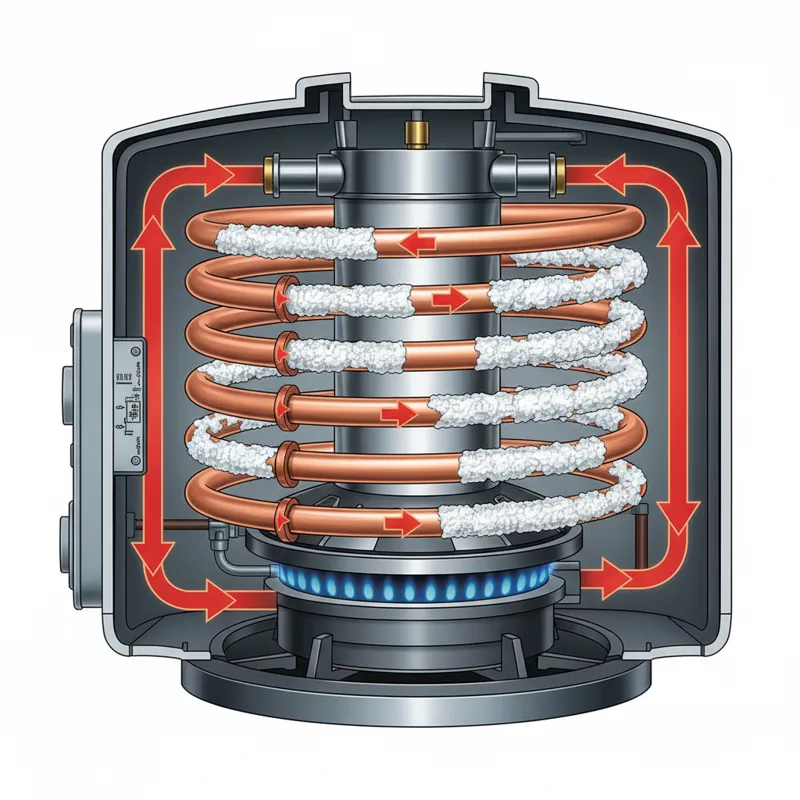
To truly appreciate the necessity of a tankless water heater scale filter, we first need to understand the fundamental problem: hard water. Water hardness is determined by the concentration of dissolved minerals, predominantly calcium carbonate (limescale) and magnesium. While harmless for consumption, these minerals become problematic when heated. As water flows through your tankless heater’s heat exchanger, it rapidly absorbs thermal energy. This rapid temperature increase causes calcium and magnesium ions to precipitate out of the solution and crystallize, adhering to the hot surfaces inside the system. Think of it like a tiny, continuous layer of rock forming on your heat exchanger coils. This scale buildup acts as an insulating barrier. The heat exchanger, designed for efficient heat transfer, becomes less effective. The unit then has to work harder and longer to achieve the desired water temperature, consuming more energy in the process. Over time, the scale layer thickens, leading to several critical issues:
- Reduced Energy Efficiency: Your unit expends more gas or electricity to heat the same volume of water.
- Decreased Water Flow: As scale accumulates, it narrows the internal diameter of the pipes and coils, restricting water flow and potentially leading to erratic hot water delivery.
- Increased Wear and Tear: Overheating and strain on components, like the heating elements or burner assembly, can lead to premature failure.
- Component Damage: Severe scale can cause localized overheating, cracking heat exchangers, or damaging temperature sensors.
- Voided Warranties: Many tankless water heater manufacturers specify that damage due to scale buildup is not covered under warranty if proper preventative measures weren’t taken.
Given these consequences, it’s clear that managing hard water isn’t optional for tankless owners; it’s essential for the system’s health and your wallet. This is precisely where a quality tankless water heater scale filter becomes indispensable.
Demystifying the Solution: How Tankless Water Heater Scale Filters Work
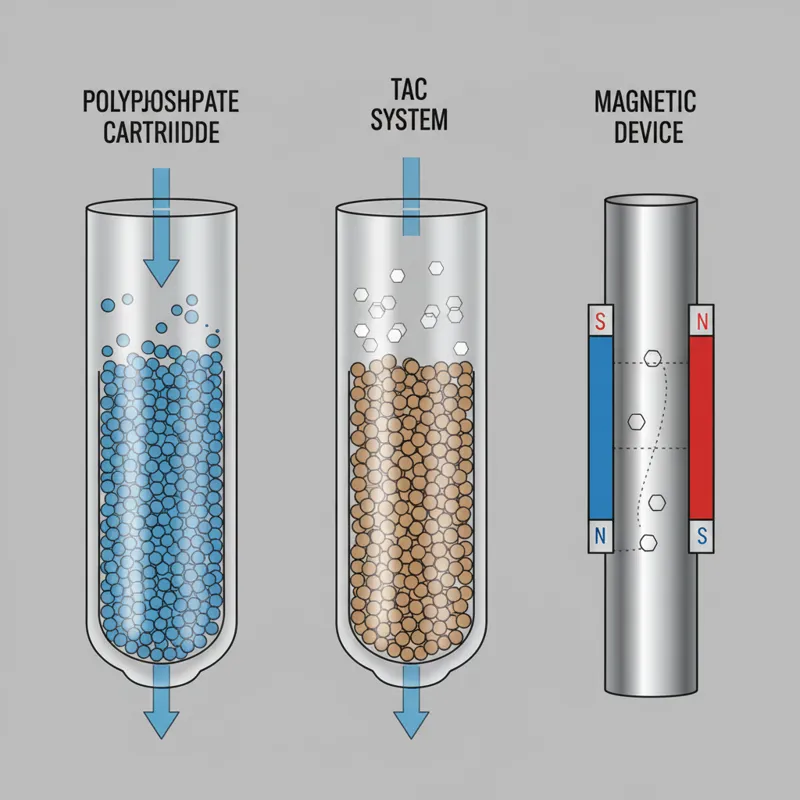
A tankless water heater scale filter isn’t a one-size-fits-all solution, as different technologies address scale in distinct ways. Broadly, these systems aim to prevent scale formation rather than remove existing minerals from the water (that’s the job of a water softener). The distinction is crucial. Scale filters condition the water, altering the mineral crystallization process so they don’t adhere to surfaces. Let’s break down the primary types you’ll encounter:
Polyphosphate Filters
These are among the most common and cost-effective solutions. A polyphosphate filter cartridge contains food-grade phosphate crystals. As water flows through the cartridge, a small, controlled amount of polyphosphate dissolves into the water. This polyphosphate then encapsulates the calcium and magnesium ions. Instead of forming hard, adherent crystals on hot surfaces, these encapsulated minerals remain suspended in the water, flowing through the heater and out with the hot water.
The key benefits here are simplicity and affordability. However, polyphosphate cartridges require regular replacement, typically every 6-12 months, depending on water hardness and usage. They also lose effectiveness if water sits stagnant for extended periods, as the polyphosphate can degrade.
Template Assisted Crystallization (TAC) Systems
TAC technology represents a more advanced, salt-free water conditioning method. Instead of adding chemicals, TAC media uses a specialized catalytic surface that encourages dissolved calcium and magnesium minerals to form microscopic, non-adherent crystals. When hard water passes over this unique media, the minerals use the media as a “template” to form these inert crystals. These tiny crystals are stable and won’t stick to your heat exchanger or pipes. They simply pass through the system and down the drain. TAC systems are highly effective, require no salt, electricity, or regeneration, and produce no wastewater. The media typically lasts for several years before needing replacement, making them a low-maintenance, environmentally friendly option. They are also considered a leading form of limescale protection for tankless systems.
Electronic/Electromagnetic Descalers
These devices wrap around your main cold-water supply pipe, using an electromagnetic field or radio frequency waves to alter the charge of mineral ions in the water. The theory is that this altered charge prevents the minerals from bonding with each other and forming scale. While appealing due to their non-intrusive installation and lack of consumables, the scientific consensus on the consistent effectiveness of these systems is mixed. Performance can vary significantly based on water chemistry, pipe material, and the specific device’s design. They often work best as part of a multi-pronged approach rather than a standalone solution for very hard water.
Salt-Based Water Softeners (The Gold Standard, But Different)
It’s important to differentiate scale filters from traditional salt-based water softeners. While not a filter in the same sense, a water softener is the most comprehensive solution for truly hard water. It uses an ion-exchange process, replacing calcium and magnesium ions with sodium ions. This completely removes the hard minerals from the water, preventing scale formation entirely. If you have severely hard water (above 7-10 grains per gallon) and are looking for comprehensive whole-house protection, a salt-based softener is often the superior choice, not just for your tankless heater but for all water-using appliances. However, they require salt refills, generate wastewater during regeneration, and some people prefer salt-free options. A pre-filter for tankless water heater systems can often include a sediment filter, which protects the softener and tankless heater from particulate matter, further enhancing overall water quality.
Why a Scale Filter Isn’t Just an Accessory, It’s an Investment
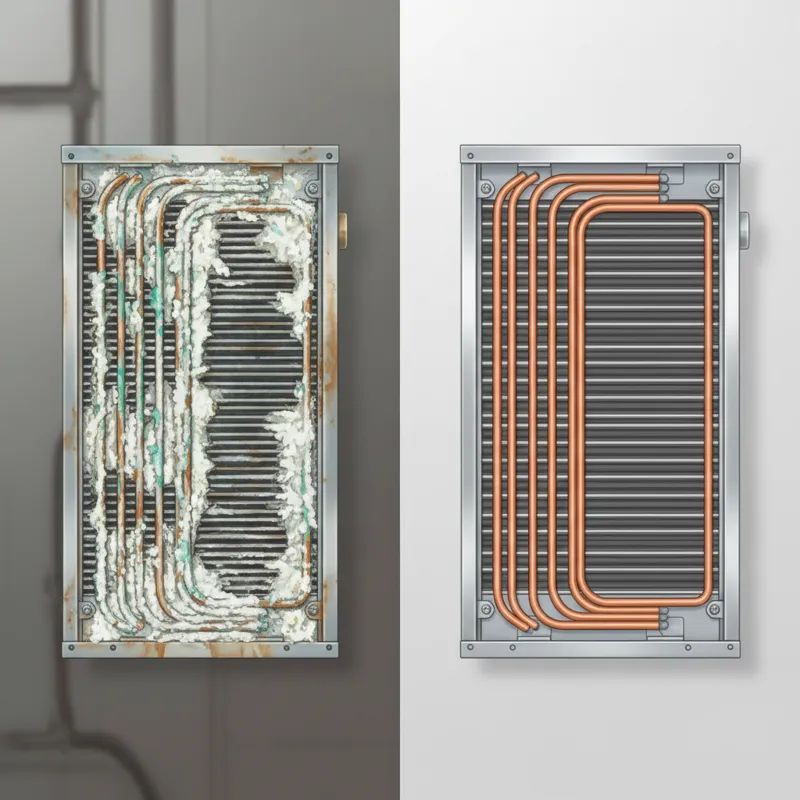
Thinking of a tankless water heater scale filter as an optional extra is a common mistake. In regions with hard water, it’s a fundamental component that secures your investment and guarantees the performance you paid for. Let’s outline the direct, tangible benefits:
Extended Appliance Lifespan
This is perhaps the most significant benefit. By preventing scale buildup, you eliminate the primary cause of premature tankless water heater failure. The heat exchanger, valves, and sensors remain clean and function as intended, meaning your unit can easily last its advertised 15-20 years, often longer. This avoidance of expensive repairs or early replacement represents substantial long-term savings.
Lower Utility Costs
As discussed, scale acts as an insulator. A clean heat exchanger transfers heat efficiently, meaning your tankless unit runs for shorter periods to heat water to the desired temperature. This directly translates to reduced energy consumption – a tangible saving on your monthly gas or electricity bills. Over the lifespan of the unit, these savings can easily outweigh the cost of the scale filter and its maintenance. A 2021 study published by the EPA WaterSense program highlighted how efficient water heating can significantly impact household energy consumption.
Reduced Maintenance and Descaling Frequency
Even with a scale filter, annual descaling (flushing with a vinegar solution or specialized descaling agent) is still a recommended practice for tankless heaters in hard water areas. However, a good tankless water heater scale prevention system dramatically reduces the severity and frequency of scale accumulation, making these descaling procedures quicker, easier, and less labor-intensive. In many cases, if you have a robust water conditioning system, you might only need to descale every 2-3 years, rather than annually. This saves you time or the cost of professional service.
Consistent Hot Water Performance
Scale buildup doesn’t just reduce efficiency; it also restricts water flow. A system choked with scale can lead to fluctuating water temperatures, reduced pressure at hot water taps, or even the unit shutting down because it can’t maintain temperature. A functioning water conditioner for on-demand water heaters ensures consistent flow rates and stable hot water delivery throughout your home.
Preserved Warranty
Many manufacturers explicitly state in their warranty terms that proper water treatment, including protection against scale, is required. Failing to implement a tankless water heater descaler system can, in severe cases, void your warranty, leaving you responsible for costly repairs or replacements that could have been avoided.
Choosing the Right Tankless Water Heater Scale Filter for Your Home
Selecting the best scale filter for your tankless system depends on several factors, primarily your water hardness levels, budget, and preference for maintenance.
Understand Your Water Hardness
This is the absolute first step. You can get a water test kit online, or your local water utility might provide a report. Hardness is typically measured in grains per gallon (GPG) or parts per million (PPM).
- Soft Water (0-3 GPG): Minimal scale risk. A basic sediment filter might be sufficient.
- Moderately Hard Water (3.5-7 GPG): Polyphosphate filters are often a good, cost-effective choice.
- Hard Water (7.5-10 GPG): Consider a more robust solution like a TAC system or a high-capacity polyphosphate filter.
- Very Hard Water (10+ GPG): A whole-house salt-based water softener is often the most effective and recommended solution for complete mineral buildup prevention tankless heater systems.
Consider the Type of Filter
- Polyphosphate: Best for moderate hardness, budget-conscious, willing to replace cartridges regularly.
- TAC (Template Assisted Crystallization): Excellent for hard water, salt-free, low maintenance, higher upfront cost but long media life.
- Electronic Descalers: Best as supplementary protection or for borderline hard water; scientific effectiveness varies.
- Whole-House Water Softener: Ideal for very hard water, provides comprehensive protection for all appliances, but involves salt and wastewater.
Look at Flow Rate Requirements
Ensure the filter you choose can handle the flow rate of your tankless water heater without causing a significant pressure drop. Most residential units require a filter capable of 5-10 gallons per minute (GPM). Always check the filter’s specifications against your tankless heater’s requirements.
Installation and Maintenance
- DIY vs. Professional: Many polyphosphate and smaller TAC filters can be DIY installed if you’re comfortable with basic plumbing. Whole-house softeners or more complex systems often benefit from professional installation.
- Replacement Costs: Factor in the ongoing cost of replacement cartridges or media. While TAC media lasts longer, it’s more expensive upfront than polyphosphate cartridges. Remember, a sediment filter for tankless water heater systems is a good companion to any scale filter. Sediment filters remove particulate matter (rust, dirt, sand) before it reaches the scale filter or the tankless unit, protecting both and improving overall water quality.
Installation and Maintenance: What You Need to Know
Proper installation and consistent maintenance are crucial for your tankless water heater scale filter to perform effectively.
Installation Point
The scale filter should always be installed on the cold water inlet line, before the tankless water heater. This ensures that all incoming water is treated before it reaches the heating elements. You’ll typically find it mounted on the wall near the water heater.
Bypass Valves
A good installation will include bypass valves around the filter housing. These allow you to isolate the filter for cartridge replacement or maintenance without shutting off water to your entire home.
Cartridge/Media Replacement
This is the most critical maintenance item.
- Polyphosphate cartridges: Typically need replacement every 6-12 months. Indicators might include reduced effectiveness (more scale showing on fixtures) or manufacturer recommendations.
- TAC media: Can last 3-5 years or more, depending on water usage and hardness.
- Water softener resin: Lasts 10-15 years, but salt needs regular replenishment (monthly/quarterly). Ignoring replacement schedules means your filter stops conditioning the water, leaving your tankless heater vulnerable to scale buildup once again.
Annual Flushing
Even with a scale filter, an annual flush of your tankless water heater with a descaling solution (like white vinegar or a specialized cleaner) is a prudent preventative measure. This helps remove any minimal scale that might have formed and flushes out sediment. The scale filter significantly reduces the amount of work the descaling solution needs to do, making the process more effective. For reliable information on maintaining energy-efficient appliances, homeowners often refer to resources like Energy.gov’s section on water heating.
Things People Often Misunderstand About Tankless Water Heater Scale Filters
There are a few common misconceptions that can lead to disappointment or ineffective scale prevention. Understanding these is vital for setting realistic expectations and making informed decisions.
Misconception 1: A Scale Filter is a Water Softener
This is the most frequent misunderstanding. A scale filter (like polyphosphate or TAC) conditions water by preventing scale formation, but it doesn’t soften it. It doesn’t remove the calcium and magnesium minerals from the water; it just changes their structure so they don’t adhere to surfaces. You’ll still see mineral spots on dishes or shower doors, but the critical difference is these minerals won’t damage your appliances. Only a traditional salt-based water softener removes hardness minerals.
Misconception 2: Once Installed, You Never Have to Think About It Again
This couldn’t be further from the truth. All scale prevention systems require maintenance. Polyphosphate cartridges need regular replacement. TAC media has a lifespan. Even salt-based softeners need salt replenished. Neglecting maintenance renders the system ineffective, leaving your tankless heater unprotected. Think of it like changing the oil in your car; it’s non-negotiable for longevity.
Misconception 3: All Scale Filters Are Equally Effective
The effectiveness varies significantly based on water hardness and the technology used. A simple polyphosphate filter might be fine for moderately hard water, but it won’t stand up to the challenge of very hard water (10+ GPG) as effectively as a TAC system or a whole-house softener. Matching the solution to your water problem is key. For more on the chemistry of hard water, Wikipedia offers a comprehensive overview.
Misconception 4: It’s Only About the Tankless Heater
While your tankless water heater is a significant investment that benefits immensely from scale prevention, the advantages extend beyond it. Reducing scale also protects your dishwashers, washing machines, coffee makers, and even your plumbing fixtures from hard water damage and buildup. It’s a holistic benefit for your entire home’s water system.
Frequently Asked Questions About Tankless Water Heater Scale Filters
Here are some common questions homeowners ask about these essential systems:
Do I really need a tankless water heater scale filter?
If you live in an area with hard water (check your local water report or test your water), then yes, absolutely. It’s a critical preventative measure to protect your investment, maintain efficiency, and extend the lifespan of your tankless unit. Without it, costly repairs or premature replacement due to scale are highly probable.
How do I know if my water is hard?
Common signs include mineral buildup on faucets and showerheads, soap scum that’s difficult to rinse, spots on dishes after washing, and dry skin or hair after showering. The most accurate way is to use a home water test kit or consult your local water utility’s annual report.
Can a scale filter remove existing scale from my tankless water heater?
No. Scale filters prevent new scale from forming. They do not remove existing buildup. If your tankless heater already has scale, it needs to be professionally descaled (flushed with an acid solution) before installing a filter to prevent further accumulation.
Are tankless water heater scale filters expensive?
The initial cost varies widely, from around $50-$200 for basic polyphosphate units to $300-$800+ for advanced TAC systems, not including installation. When you factor in the cost of energy savings, extended appliance life, and avoided repair bills, they typically pay for themselves many times over.
What’s the difference between a scale filter and a sediment filter?
A scale filter (or water conditioner) addresses dissolved minerals that form scale. A sediment filter physically removes suspended particles like dirt, rust, and sand from the water. Both are important and often used in conjunction, with the sediment filter usually installed first to protect the scale filter and the water heater from particulate matter.
Will a scale filter affect my water pressure?
A properly sized and maintained scale filter should have a minimal impact on water pressure. However, if the filter cartridge becomes clogged (especially polyphosphate types that also act as a fine sediment filter) or if the filter is undersized for your flow rate, you might notice a slight pressure drop. Regular cartridge replacement prevents this.
Protecting Your Investment and Ensuring Hot Water Reliability
In 2026, the technology behind tankless water heaters continues to advance, offering unparalleled convenience and efficiency. However, the fundamental challenge of hard water scale remains a constant. A well-chosen and properly maintained tankless water heater scale filter is not just an add-on; it’s a fundamental component of a healthy, long-lasting tankless system. By understanding the mechanics of scale formation and the various solutions available, you empower yourself to make informed decisions that safeguard your investment, reduce your energy footprint, and ensure a reliable supply of endless hot water for your home. Don’t let mineral buildup silently degrade your tankless system; proactively eliminate scale and secure your hot water future.


