

As we move further into 2026, many homeowners have already made the switch to tankless water heaters, appreciating the endless hot water and energy savings. It’s a smart investment, offering comfort and efficiency that traditional tank systems can’t match. However, like any sophisticated appliance, your tankless unit has a primary adversary that can silently chip away at its performance and lifespan: mineral scale. Hard water, prevalent across much of the United States, deposits calcium and magnesium carbonates onto heating elements and pipes, creating a stubborn layer of insulation. This isn’t just an aesthetic problem; it’s a direct threat to your heater’s efficiency, longevity, and ultimately, your wallet. Understanding how to combat this, primarily through an effective tankless water heater scale filter, is essential for truly effortless maintenance and sustained performance.
The Silent Threat: How Hard Water Damages Your Tankless Heater
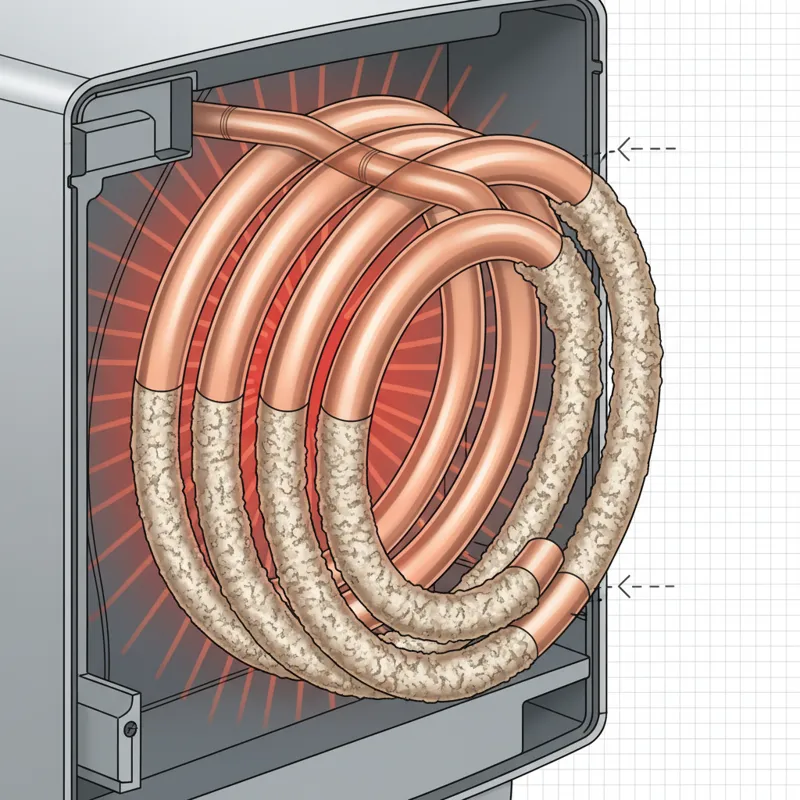
Hard water is a common issue in many regions, characterized by a high concentration of dissolved minerals, primarily calcium and magnesium. While generally safe for consumption, these minerals become problematic when water is heated. As water temperature rises, the solubility of calcium and magnesium carbonate decreases, causing them to precipitate out of the water and solidify. This process accelerates significantly at the high temperatures a tankless water heater reaches to provide instant hot water. Imagine tiny, invisible particles clinging to every internal surface of your heater. Over time, these particles layer up, forming a hard, rocky crust known as scale. This scale typically adheres to the heat exchanger, the critical component responsible for transferring heat to the water. A thin layer of scale acts like insulation, forcing your tankless water heater to work harder and consume more energy to achieve the desired water temperature. Beyond efficiency losses, scale buildup narrows the internal pathways, restricting water flow. This can lead to fluctuating water temperatures, reduced hot water output, and, in severe cases, even damage to the heat exchanger itself. The added stress on components can shorten the lifespan of the entire unit, turning an energy-efficient investment into a costly repair or premature replacement.
Why a Dedicated Tankless Water Heater Scale Filter Isn’t Optional

Given the direct and detrimental impact of hard water scale, integrating a preventative solution is critical. This is where a dedicated tankless water heater scale filter comes into play. Unlike whole-house water softeners, which typically use an ion-exchange process to remove hardness minerals, many scale filters, particularly those designed specifically for tankless units, operate on a different principle: scale inhibition. These filters don’t remove calcium and magnesium from the water; instead, they alter the crystalline structure of these minerals. By conditioning the water, they prevent the minerals from forming hard, adherent scale on heating surfaces. Instead, the minerals remain suspended in the water or form soft, non-adherent crystals that are less likely to deposit and are more easily flushed through the system. Think of it this way: without a filter, the minerals are like tiny bricks that can easily bond together to build a wall. A scale filter changes the shape of those bricks, making it much harder for them to stack and stick to surfaces, effectively disrupting the “construction” of scale within your heater. This preventative measure is far more effective and less damaging than trying to remove hardened scale after it has formed.
Types of Tankless Water Heater Scale Filters and How They Work

Choosing the right tankless water heater scale filter depends on your water hardness levels, budget, and preference for maintenance. Here are the most common types:
1. Polyphosphate Filters (Often Referred to as “Scale Inhibitors”)
These are among the most common and cost-effective solutions. Polyphosphate filters contain cartridges filled with a compound that slowly dissolves into the water. When polyphosphate comes into contact with hardness minerals, it binds to them, effectively sequestering the calcium and magnesium ions. This prevents them from precipitating out and forming hard scale.
- How it works: Polyphosphates disrupt the crystallization process of calcium carbonate. They essentially coat the mineral ions, preventing them from aggregating and forming solid scale on hot surfaces.
- Maintenance: Cartridges need replacement periodically, usually every 6-12 months, depending on water usage and hardness.
- Pros: Inexpensive, easy to install, effective for moderate hardness.
- Cons: Not effective for extremely hard water, can lose effectiveness at very high temperatures (though most are rated for tankless heater temperatures), doesn’t truly remove hardness.
2. Template Assisted Crystallization (TAC) Filters (Physical Water Conditioners)
TAC technology represents a more advanced approach to scale prevention. These filters use a specialized resin media with nucleation sites that act as templates for hardness minerals to crystallize on. As water flows through the media, calcium and magnesium ions attach to these sites and form microscopic crystals. These crystals then break off and flow through the system without adhering to pipes or heating elements.
- How it works: TAC media catalyzes the formation of stable, non-adherent calcium carbonate crystals that remain suspended in the water, rather than depositing as scale. It’s a “salt-free” system.
- Maintenance: The media typically has a longer lifespan than polyphosphate cartridges, often lasting 2-5 years before needing replacement, depending on the specific product and water conditions.
- Pros: Highly effective even with very hard water, salt-free (no need for regeneration or salt addition), no wastewater discharge, maintains beneficial minerals in the water.
- Cons: Higher upfront cost than polyphosphate, less common than traditional softeners.
3. Electronic/Magnetic Scale Inhibitors
These devices don’t physically filter water but rather use electromagnetic fields to alter the properties of hardness minerals. They wrap around the incoming cold water pipe or attach externally to it. The idea is that the electromagnetic field changes the charge of the mineral ions, causing them to lose their ability to form scale.
- How it works: The electromagnetic field purportedly causes minerals to crystallize in a different, non-adherent form (e.g., aragonite instead of calcite) or alters their surface charge to prevent adhesion.
- Maintenance: Virtually maintenance-free once installed, requiring only electricity to operate.
- Pros: No consumables, no plumbing modification needed for some types, low operating cost.
- Cons: Efficacy is debated in the scientific community and can vary greatly depending on water chemistry and device quality. Many plumbers remain skeptical about their consistent performance. This isn’t usually considered a primary scale prevention method for tankless heaters. While each type offers a different mechanism, the goal is the same: to prevent mineral buildup tankless water heater owners dread, ensuring your appliance runs efficiently.
What Most People Get Wrong: Relying Solely on Filters or Neglecting Flushing
Here’s a critical point that often gets overlooked: a tankless water heater scale filter is an excellent preventative measure, but it’s rarely a complete, standalone solution for lifetime maintenance, especially in areas with very hard water. Many homeowners assume that installing a filter means they’re completely off the hook for all other maintenance. This isn’t true. While a good filter significantly reduces the rate of scale formation, it doesn’t eliminate the need for periodic flushing and descaling. Think of it like changing the oil in your car; it’s preventative, but you still need other scheduled maintenance. Even with an effective tankless water heater scale filter, some mineral deposition can still occur, particularly if water hardness is extreme or if the filter cartridge isn’t replaced on schedule. The primary goal of the filter is to slow down and minimize scale buildup, buying you time and making the eventual descaling process much easier and more effective. Therefore, combining a robust scale filter with regular professional flushing and descaling is the gold standard for protecting your tankless investment. Flushing typically involves circulating a mild descaling solution through the heater’s heat exchanger to dissolve any accumulated scale. Most manufacturers recommend this annual or bi-annual service, regardless of whether a filter is installed. Neglecting flushing altogether, even with a filter, is a common mistake that can still lead to long-term problems.
Installing Your Tankless Water Heater Scale Filter: A DIY or Pro Job?
Installing a tankless water heater scale filter can range from a relatively straightforward DIY project to something best left to a professional plumber, depending on the filter type and your plumbing expertise. For most cartridge-based polyphosphate or TAC filters, the installation involves cutting into the cold water supply line that feeds the tankless unit. This typically requires soldering or using push-fit connectors (like SharkBite fittings) to integrate the filter housing. If you’re comfortable with basic plumbing, have the right tools (pipe cutter, deburring tool, maybe a torch for soldering), and understand how to shut off your main water supply, you might be able to tackle this yourself. Here’s a simplified overview of what’s generally involved for a cartridge-style filter:1. Shut off water: Locate and turn off your main water supply valve.2. Drain pipes: Open a hot and cold faucet somewhere in your house to relieve pressure and drain some water from the lines.3. Identify location: Choose a spot on the cold water line before it enters the tankless heater. Ensure there’s enough clearance for the filter housing and future cartridge changes.4. Cut pipe: Carefully cut the cold water line at the chosen spot.5. Install fittings: Attach the filter housing using appropriate fittings. Ensure correct water flow direction.6. Insert cartridge: Place the filter cartridge inside the housing.7. Seal and test: Close the housing, slowly turn on the main water supply, and check for leaks. For electronic scale inhibitors, installation is often simpler, involving clamping the device onto the pipe or wrapping a wire around it, without cutting into the plumbing.When to call a professional:* If you’re unsure about plumbing work, fear leaks, or don’t have the necessary tools.
- If your existing plumbing is old or complex, making modifications risky.
- If you’re installing a whole-house water softener alongside a scale filter, which is a more involved process.
- Any installation of a gas-fired tankless heater or work on its dedicated water lines should ideally be done by a licensed professional to ensure compliance with local codes and safety standards. Remember, a properly installed filter is crucial for its effectiveness and to avoid leaks.
Maintaining Your Tankless Water Heater Scale Filter for Peak Performance
Effortless maintenance with a tankless water heater scale filter primarily comes down to timely cartridge replacement and understanding its role within your broader maintenance routine.
1. Cartridge Replacement
For polyphosphate and TAC filters, the most common maintenance task is replacing the filter cartridge.
- Frequency: This varies based on the manufacturer’s recommendations, your water hardness, and household water usage. Typically, polyphosphate cartridges last 6-12 months, while TAC media might last 2-5 years. Mark the replacement date on the filter housing or your calendar.
- Process: 1. Shut off the cold water supply to the filter/heater. 2. Relieve pressure (some filters have a bypass or bleed valve; otherwise, open a nearby faucet). 3. Unscrew the filter housing (you might need a filter wrench). 4. Remove the old cartridge, discard it. 5. Clean the inside of the housing if necessary. 6. Insert the new cartridge. 7. Lubricate the O-ring with a food-grade silicone grease to ensure a good seal. 8. Screw the housing back on. 9. Slowly turn on the water supply and check for leaks. Neglecting cartridge replacement renders the filter ineffective, allowing scale to build up again.
2. Annual Flushing and Descaling
As discussed, even with a filter, periodic flushing is important. The filter minimizes scale, making flushing easier and more effective. Consider scheduling this annually or bi-annually with a professional. They’ll use a descaling kit for tankless water heater units, which involves circulating a mild acid solution to dissolve any remaining scale. This combination truly helps protect tankless water heater from scale damage and ensures longevity.
3. Monitoring Water Pressure and Flow
Keep an eye on your hot water pressure and flow rates. A significant drop can indicate filter clogging (if it’s a sediment/scale combo filter) or substantial scale buildup despite the filter. This could signal it’s time for a cartridge change or a professional inspection. For general information on household water quality and plumbing, the Environmental Protection Agency (EPA) provides valuable resources here, including details on drinking water regulations and common contaminants.
Beyond the Filter: Comprehensive Hard Water Management
While a tankless water heater scale filter is essential for the appliance itself, comprehensive hard water management might involve broader solutions, especially if you have very hard water.
Whole-House Water Softeners
For extremely hard water, a whole-house water softener is often the most effective solution. These systems typically use an ion-exchange process, replacing calcium and magnesium ions with sodium ions. This truly removes the hardness minerals from all water entering your home, protecting all appliances, including dishwashers, washing machines, and even improving your skin and hair health. If you opt for a water softener, ensure it’s sized correctly for your household’s water usage and hardness levels. While a softener protects your tankless unit, you might still consider a secondary scale filter for the tankless heater if your water is exceptionally hard, or if you want an extra layer of protection, particularly from any trace minerals or different types of scale the softener might not fully address.
Integrated Filtration Systems
Some advanced tankless water heater systems offer integrated filtration or scale inhibition as part of their design. When researching new units, inquire about these features. They can simplify installation and maintenance. Hard water affects more than just your heater. It can impact the taste of your drinking water and beverages. For instance, the mineral content in tap water can significantly alter the flavor profile of your morning tea. Using filtered water, whether from a whole-house system or a dedicated drinking water filter, can make a noticeable difference in the taste of tea prepared in a delicate glass tea pot or a traditional Chinese tea pot, ensuring your tea ball is swirling in water that truly lets the tea’s flavors shine. This holistic approach to water quality benefits your appliances and your lifestyle. For insights into water treatment technologies, a good starting point is often reputable industry publications or academic sources like those found in journals or university extensions, or even foundational information from resources like Wikipedia’s entry on water softening.
Cost-Benefit Analysis: Is a Tankless Water Heater Scale Filter Worth It?
The initial cost of a tankless water heater scale filter and its replacement cartridges is a minor expense compared to the potential costs of neglecting hard water issues. Consider these factors:
- Energy Efficiency: Scale acts as an insulator, forcing your heater to use more energy. A filter maintains efficiency, saving you money on utility bills over the unit’s lifespan. Some reports suggest scale buildup can reduce efficiency by 10-25% or more.
- Extended Lifespan: Preventing scale buildup significantly extends the life of your tankless water heater. Without a filter, you’re looking at increased wear and tear on the heat exchanger, potentially leading to premature failure and the cost of a full replacement, which can run into thousands of dollars.
- Reduced Repair Costs: Less scale means fewer clogs, reduced strain on components, and a lower likelihood of costly repairs. Descaling a heavily scaled unit can be a more intensive and expensive process than routine maintenance with a filter.
- Consistent Performance: A filter ensures your tankless heater delivers consistent hot water temperature and flow rates, providing the comfort and convenience you paid for. The upfront investment in a good tankless water heater scale filter pays for itself many times over in energy savings, extended appliance life, and reduced maintenance hassles. For further information on the economics of home energy efficiency, resources such as those from the U. S. Department of Energy Energy Saver program can be quite insightful.
FAQs About Tankless Water Heater Scale Filters
Here are some common questions homeowners have about tankless water heater scale filters.
Do I still need to flush my tankless water heater if I have a scale filter?
Yes, absolutely. A scale filter significantly reduces mineral buildup, but it doesn’t entirely eliminate it, especially in very hard water areas. Periodic flushing (typically annually or bi-annually) with a descaling solution is still crucial to dissolve any minor scale that might have formed and to ensure your unit operates at peak efficiency. The filter makes the flushing process much more effective and less arduous.
Can a tankless water heater scale filter replace a whole-house water softener?
Generally, no. A tankless water heater scale filter is designed primarily to protect the tankless heater itself by conditioning the water to prevent hard scale formation. It doesn’t remove the hardness minerals from the water like a traditional softener does. If you want to address hard water issues for your entire home – protecting all appliances, improving water for bathing, and reducing soap scum – a whole-house water softener is the appropriate solution. For moderately hard water, a scale filter might suffice for the tankless unit alone, but for very hard water, a softener is typically recommended for comprehensive protection.
How do I know if my water is hard?
Signs of hard water include soap scum buildup on shower walls and fixtures, mineral spots on dishes after washing, dull-looking laundry, and dry skin or hair after showering. You can also purchase a water hardness test kit from a hardware store or online, or contact your local water utility provider, who can often provide water quality reports for your area.
Where is the best place to install a tankless water heater scale filter?
The filter should be installed on the cold water supply line before it enters the tankless water heater. This ensures that all incoming water is treated before it reaches the heat exchanger. It’s also important to ensure there’s enough accessible space for future cartridge replacements.
How long do tankless water heater scale filter cartridges last?
The lifespan of a filter cartridge varies. Polyphosphate cartridges typically last 6 to 12 months, depending on your water hardness and household water usage. TAC media can last much longer, often 2 to 5 years. Always refer to the manufacturer’s specific recommendations for your particular filter model. Ignoring replacement schedules can render the filter ineffective.
The Takeaway: Proactive Protection is Key
In 2026, homeowners expect reliability and efficiency from their tankless water heaters. The proactive step of installing and maintaining a high-quality tankless water heater scale filter is not an added luxury; it’s a fundamental part of preserving that investment. By preventing hard water scale from taking hold, you ensure your unit delivers consistent hot water, maintains its energy efficiency, and enjoys a significantly longer operational lifespan. Combine this with routine professional flushing, and you’ve got a comprehensive strategy for truly effortless maintenance and peace of mind.


