
In 2026, the discussion around home efficiency and appliance longevity isn’t just about the initial investment; it’s about proactive protection and sustained performance. Tankless water heaters, with their impressive on-demand hot water delivery and energy savings, represent a significant upgrade for many U. S. homes. However, their sophisticated design, particularly the intricate heat exchanger, makes them uniquely vulnerable to the quality of the water flowing through them. This vulnerability is precisely why a well-chosen pre filter for tankless water heater systems isn’t merely an accessory but a foundational component for ensuring your unit operates at peak efficiency and delivers hot water reliably for years to come. Ignoring water quality means risking thousands in repairs, reduced performance, and a shortened appliance lifespan. Understanding the mechanics of water filtration and its direct impact on your tankless unit is critical for any homeowner looking to truly boost their investment’s efficiency.
The Unseen Threats: Sediment and Scale in Your Water
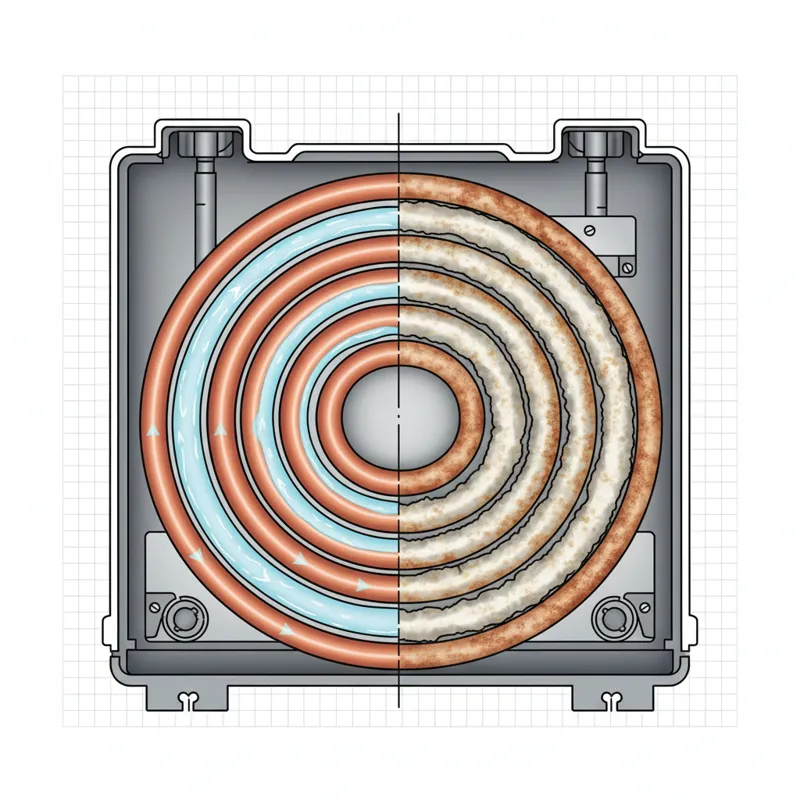
Your tankless water heater is a marvel of modern engineering, heating water rapidly as it passes through a series of coiled pipes, known as a heat exchanger. This on-demand heating relies on a clear, unobstructed path for water flow and efficient heat transfer. Unfortunately, the water supplied to your home, even if it appears clear, often carries microscopic threats: sediment and dissolved minerals. Sediment includes particles like sand, silt, rust flakes from aging pipes, and other suspended solids. These particles, no matter how tiny, can accumulate. Think of it like grit slowly sanding down or blocking critical components. Within a tankless heater, sediment can settle in the lower parts of the heat exchanger or within the flow sensor, disrupting its ability to accurately detect water movement. This can lead to inconsistent hot water, premature wear on internal components, and even complete blockages that significantly restrict water flow. Reduced flow means the heater might struggle to activate or provide adequate hot water for multiple fixtures simultaneously, frustrating users and forcing the unit to work harder. The more pervasive and insidious threat, especially in many parts of the United States, is hard water. Hard water contains elevated levels of dissolved minerals, primarily calcium and magnesium. When this water is heated, these minerals precipitate out of the solution and form a hard, crusty deposit known as scale. This scale readily adheres to hot surfaces, particularly the inside of your tankless heater’s heat exchanger. The hotter the water, the faster scale forms. The effect of scale is immediate and detrimental. A thin layer of scale acts as an insulator, preventing the heating elements (or gas burners) from efficiently transferring heat to the water. This means your tankless unit has to burn more fuel or use more electricity to achieve the desired water temperature, directly increasing your energy bills. As scale thickens, it restricts the internal diameter of the pipes, further reducing water flow and causing a pressure drop. This can trigger error codes, shorten the lifespan of the heating elements, and necessitate expensive descaling procedures or, worse, premature replacement of the entire heat exchanger. The presence of scale dramatically undermines the core promise of efficiency that tankless heaters offer.
Water Quality Assessment: The First Step to Protection
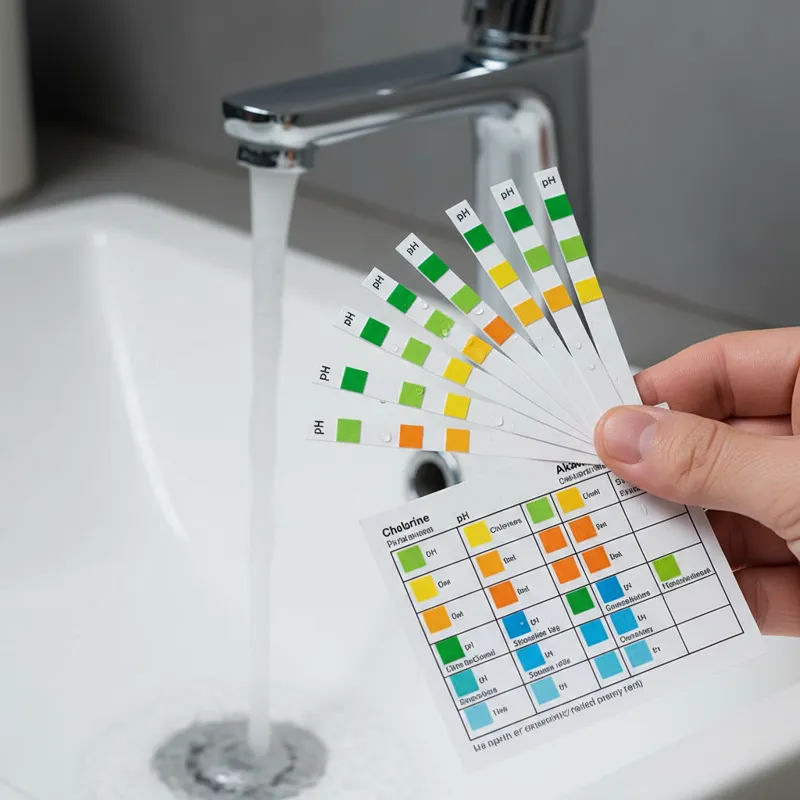
Before investing in any pre filter for tankless water heater, understanding your specific water quality is paramount. It’s impossible to choose an effective solution without knowing what you’re up against. Relying on anecdotal evidence or assuming your water is “fine” is a common pitfall that leads to ineffective filtration and wasted money. The most straightforward approach is to get your water tested. Many home improvement stores offer DIY water testing kits that can check for common contaminants like hardness, chlorine, iron, and pH. While these provide a good starting point, for a more comprehensive analysis, consider sending a sample to a professional lab or contacting your local water utility. They can often provide a detailed report on your area’s water characteristics, though individual household plumbing can introduce specific issues like rust. When reviewing your water test results, pay close attention to:
- Hardness: Measured in grains per gallon (GPG) or parts per million (PPM). Anything above 7 GPG (or 120 PPM) is generally considered hard and will likely cause scale buildup in a tankless heater. Many tankless manufacturers specify maximum hardness levels for warranty coverage.
- Sediment: While not typically measured in GPG, observing cloudy water, grit, or discolored water points to a sediment issue. Your water report might indicate turbidity.
- Iron: High iron content can lead to reddish-brown staining and contribute to sediment buildup.
- Chlorine/Chloramines: These disinfectants can degrade rubber and plastic components over time, though their direct impact on heating efficiency is less than sediment or scale.
Knowing these numbers arms you with the data needed to select the right filtration strategy. Just as you wouldn’t embark on a complex recipe without knowing your ingredients, you shouldn’t select a water treatment system without knowing your water’s composition. For instance, the same attention to detail you might apply to selecting the right grind for your best coffee and espresso makers, ensuring optimal flavor extraction, needs to be applied to your water heater’s pre-filtration for optimal performance and longevity.
Primary Pre-Filter Technologies for Tankless Water Heaters
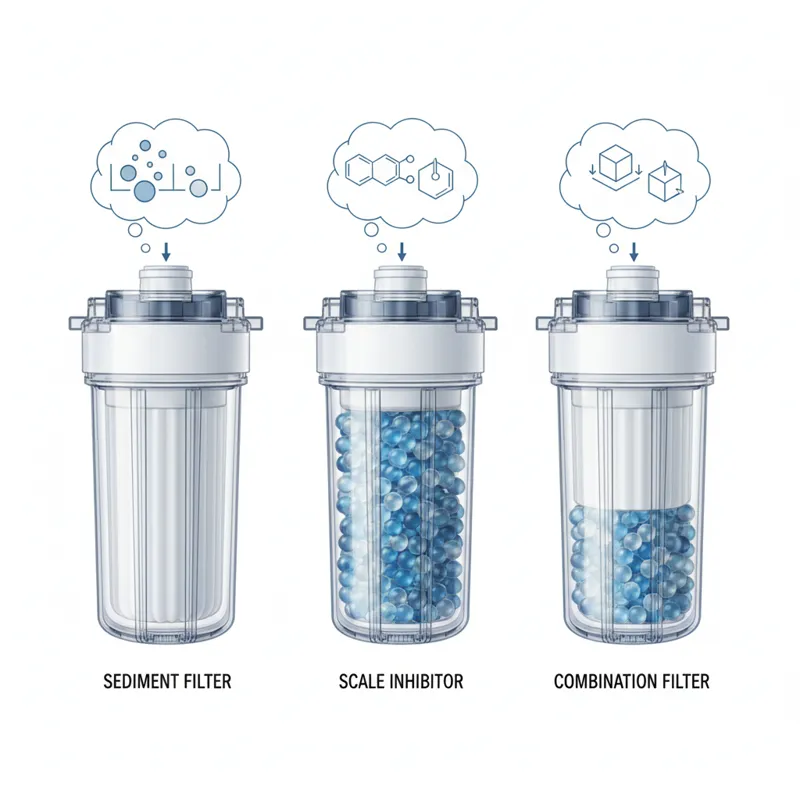
Selecting the appropriate pre filter for tankless water heater involves understanding the different technologies available and matching them to your water quality report. No single filter solves all problems, but a targeted approach ensures maximum protection.
1. Sediment Filters
These are the frontline defense, designed to physically trap suspended particles. They are essential regardless of your water hardness, as even soft water can carry sediment.
- Micron Rating: Sediment filters are rated by their micron size, indicating the smallest particle they can capture. For tankless water heaters, a rating between 1 and 5 microns is generally recommended for effective protection against fine particles that can clog the heat exchanger.
- Types:
- Spun Polypropylene/String-Wound: These are depth filters, meaning water passes through layers of material, trapping particles throughout. They are cost-effective and good for general sediment.
- Pleated: These offer a larger surface area for filtration, leading to longer filter life and less pressure drop. They can also be washable and reusable in some cases, offering a more sustainable option.
- Automatic Backwashing Filters: For homes with very high sediment loads, these systems automatically clean themselves by reversing water flow, flushing trapped particles down a drain. They are more expensive but require less manual intervention.
- Placement: Sediment filters should always be installed upstream of any scale inhibition or softening system to protect them from particulate fouling.
2. Scale Inhibitors and Conditioners
These systems are specifically designed to address hard water without necessarily “softening” it in the traditional sense (i.e., removing calcium and magnesium ions). For tankless heaters, scale inhibitors are often preferred over traditional salt-based softeners due to lower maintenance, no salt discharge, and less impact on drinking water taste.
- Polyphosphate Filters: These filters slowly release a food-grade polyphosphate compound into the water. The polyphosphate binds to calcium and magnesium ions, preventing them from forming hard scale deposits on heated surfaces. Instead, they remain suspended in the water or form a non-adherent, soft scale that is easily flushed away. These are relatively inexpensive but require regular cartridge replacement.
- Template Assisted Crystallization (TAC) / Nucleation Assisted Crystallization (NAC) Systems: These salt-free anti-scale systems use a specialized catalytic media to convert dissolved hard minerals into microscopic crystals. These crystals are stable and won’t attach to pipes or heating elements, effectively passing through the water heater without forming scale. TAC/NAC systems are highly effective, require no salt or electricity, and produce no wastewater. They are more of an initial investment but have longer media lifespans (typically 3-5 years) compared to polyphosphate cartridges. They are excellent hard water solutions for tankless heaters.
- Magnetic/Electronic Descalers: While some claim these devices alter mineral properties to prevent scale, scientific evidence supporting their effectiveness is largely inconsistent and often debated within the industry. For critical applications like tankless water heater protection, it’s generally advisable to stick to proven physical or chemical methods.
3. Combination Filters
Many manufacturers offer multi-stage filters or cartridges that combine sediment filtration with scale inhibition. These provide comprehensive protection in a single housing, streamlining installation and maintenance. For example, a single cartridge might feature a 5-micron sediment filter layer and a polyphosphate or TAC media section. This kind of tankless water heater protection system is often ideal for most residential applications.
How a Pre Filter Boosts Efficiency: The Mechanistic Link
The connection between installing a pre filter for tankless water heater and boosting its efficiency is direct and mechanistic. It’s about maintaining the design parameters of the appliance.
1. Optimal Heat Transfer
The primary function of a tankless water heater is to transfer heat from a burner or electric element to the incoming cold water. The heat exchanger, typically made of copper or stainless steel, is engineered for maximum thermal conductivity.
- Without a filter: Sediment and scale accumulate on the heat exchanger surfaces. This buildup acts as an insulating barrier. For every millimeter of scale, heat transfer efficiency can drop significantly, forcing the heater to use more energy (gas or electricity) to achieve the set temperature. This is a direct waste of energy.
- With a filter: A sediment filter keeps the surfaces free of particulate matter, and a scale inhibitor prevents mineral deposits from forming. This allows heat to transfer directly and efficiently from the heat source to the water, exactly as the unit was designed. The result is lower energy consumption to produce the same amount of hot water.
2. Consistent Flow Rates and Pressure
Tankless water heaters are flow-activated. They only turn on when a certain minimum flow rate is detected, and their performance is optimized for specific flow conditions.
- Without a filter: Sediment can clog small orifices in flow sensors or partially block the narrow water passages within the heat exchanger. Scale buildup further exacerbates this, reducing the internal diameter of the pipes. This leads to reduced flow rates at your fixtures and can cause the tankless heater to “short cycle” (turn on and off erratically), struggle to maintain temperature, or fail to activate altogether. This perceived lack of performance often leads users to increase the temperature setting, further wasting energy.
- With a filter: By removing sediment and preventing scale, a pre filter ensures unimpeded water flow through the entire system. This maintains the designed flow rates and water pressure, allowing the tankless unit to operate consistently and efficiently, delivering hot water on demand without interruptions or reduced pressure at the tap.
3. Reduced Stress on Components and Extended Lifespan
Every component in a tankless water heater, from the flow sensor to the burner, is designed to operate under specific conditions.
- Without a filter: Increased scale and sediment mean the unit’s components are constantly working harder. The burner might fire longer, the fan motor might run more, and the entire system experiences higher thermal stress due to inefficient heat transfer. This accelerates wear and tear, leading to premature component failure and costly repairs.
- With a filter: By mitigating these stressors, a pre filter significantly reduces the workload on your tankless heater. This translates directly into fewer maintenance issues, less frequent descaling (if any), and a substantially longer operational lifespan for your appliance. Protecting your tankless water heater investment from sediment and hard water damage ensures longevity and efficiency.
Choosing the Right Pre-Filter for Your Home
With a clear understanding of your water quality and the types of pre-filters available, selecting the right system becomes a strategic decision.
- Start with Your Water Test: This is non-negotiable. If you have significant hardness (above 7 GPG), a scale inhibitor (like TAC or polyphosphate) is crucial. If you have visible sediment or rust, a high-quality sediment filter (1-5 micron) is essential. Most homes benefit from both, making a combination system or a multi-stage setup ideal.
- Consider Flow Rate Requirements: Your tankless water heater has a maximum flow rate it can handle (e.g., 8-10 GPM). Your pre-filter system should be rated to handle a flow rate at or above this maximum without causing a significant pressure drop. A restrictive filter can starve your tankless unit of water, leading to performance issues. Always check the pressure drop specifications for any filter you consider.
- Evaluate Maintenance and Operating Costs:
- Cartridge Replacement: How often do filters need to be changed (e.g., every 3-6 months for sediment, annually for polyphosphate, 3-5 years for TAC media)? What do replacement cartridges cost? This is an ongoing operational expense.
- Automatic vs. Manual: If considering a backwashing sediment filter, factor in the initial cost vs. the convenience of automation.
- Installation Requirements: Do you have sufficient space near your tankless heater for the filter housing? Will you need professional plumbing assistance, or is it a DIY project for someone with plumbing experience?
- Bypass Valves: Ensure any filter system you install includes or allows for a bypass valve. This is critical for maintaining water service to your home while you perform filter changes or maintenance on the pre-filter itself.
Installation Considerations and Best Practices
Installing a pre filter for tankless water heater correctly is just as important as choosing the right one. A poorly installed system can lead to leaks, reduced performance, or even damage.
- Location: The pre-filter must be installed on the cold water inlet line before the tankless water heater. It should be easily accessible for maintenance and cartridge changes. Avoid cramped spaces.
- Bypass Loop: A bypass loop with shut-off valves around the filter housing is highly recommended, if not essential. This allows you to isolate the filter for service (e.g., changing cartridges) without shutting off water to your entire home. It’s also crucial if you ever experience a filter issue and need to restore water flow while awaiting a fix.
- Pressure Regulation: If your home has high incoming water pressure (above 80 PSI), consider installing a pressure reducing valve (PRV) upstream of both the pre-filter and the tankless heater. High pressure can stress both components and lead to premature failure.
- Proper Sizing: Ensure the pipe fittings and filter housing size match your plumbing and flow rate requirements. Undersized piping or filters will restrict flow.
- Professional Installation: While some mechanically inclined homeowners can tackle basic sediment filter installations, integrating a more complex scale inhibition system or a multi-stage filtration unit is often best left to a licensed plumber. They ensure proper sealing, adherence to local plumbing codes, and optimal system performance. This proactive step helps to extend tankless heater lifespan filter effectiveness.
Just as you’d ensure proper installation and electrical safety for your deep fryers to prevent kitchen hazards, professional installation of your water heater’s pre-filter system ensures both safety and optimal function.
Maintenance is Key: Not a Set-and-Forget Solution
A pre filter for tankless water heater is a proactive solution, but its effectiveness is entirely dependent on regular maintenance. These aren’t “install and forget” devices.
- Regular Cartridge Replacement: This is the most critical maintenance task. Sediment filters become clogged over time, and scale inhibitor media loses its effectiveness. Ignoring replacement schedules will lead to reduced flow, decreased filtration efficiency, and potentially higher pressure drop across the filter, which can negatively impact your tankless heater’s performance. Follow the manufacturer’s recommended replacement schedule, which can vary widely based on water quality and usage.
- Visual Inspection: Periodically check clear filter housings for visible sediment accumulation. A heavily discolored filter indicates it’s working hard and likely needs replacement sooner than scheduled.
- Monitoring Performance: Pay attention to your hot water heater’s performance. If you notice a drop in hot water flow, inconsistent temperatures, or error codes, it could be an indication that your pre-filter needs attention.
- Flushing (for some systems): Some whole-house sediment filters or backwashing systems may require periodic flushing to clear accumulated particles. Refer to your specific filter’s manual for instructions.
Neglecting pre-filter maintenance essentially turns your protective device into a bottleneck, potentially causing more harm than good. A well-maintained pre-filter is your tankless water heater’s best friend. According to the U. S. Department of Energy, proper maintenance, including water treatment, is vital for a tankless unit to maintain its advertised efficiency over its lifespan. Furthermore, understanding the impact of water quality on plumbing infrastructure is also important for general home maintenance, as highlighted by resources like EPA’s water topics information.
What Most People Get Wrong About Tankless Pre-Filters
Even with good intentions, homeowners often make several critical mistakes when it comes to protecting their tankless water heaters.
- Ignoring Water Testing: This is by far the biggest error. Without a water test, you’re guessing. You might buy an expensive scale inhibitor when your primary problem is sediment, or vice-versa. An informed decision starts with data.
- Assuming All Filters Are Created Equal: A cheap, high-micron sediment filter won’t protect against fine particles. A simple carbon filter won’t stop scale. Each filter type has a specific job. For example, understanding water hardness, as described on Wikipedia’s page on hard water, is crucial for selecting the right anti-scale solution.
- Neglecting Filter Maintenance: A clogged pre-filter is worse than no filter at all. It restricts flow, causes pressure drops, and can starve your tankless unit, potentially leading to damage or system error codes. It’s a recurring task, not a one-time fix.
- Confusing Scale Inhibitors with Water Softeners: A salt-free scale inhibitor conditions minerals to prevent them from adhering to surfaces; it doesn’t remove the minerals from the water. If you need truly “soft” water for other purposes (laundry, dishwashing, spot prevention), you’ll still need a traditional salt-based water softener, typically installed as a whole-house system. For tankless protection, scale inhibitors are often sufficient and preferred.
- Overlooking Pressure Drop: Every filter creates some resistance to water flow, resulting in a pressure drop. Multiple filters in series or a clogged filter can cause a significant drop, impacting your tankless heater’s ability to maintain flow rates and temperature stability. Always consider the potential pressure drop when sizing your system.
Cost-Benefit Analysis: Is a Pre-Filter Worth the Investment?
The upfront cost of a quality pre filter for tankless water heater system, along with ongoing cartridge replacements, might seem like an added expense. However, a pragmatic cost-benefit analysis quickly reveals it as a sound investment. Consider the potential costs of not having a pre-filter:
- Increased Energy Bills: A scaled-up heat exchanger forces your unit to consume more energy to heat water. Over the 15-20 year lifespan of a tankless heater, this can amount to hundreds, if not thousands, of dollars in wasted energy.
- Expensive Repairs: Descaling services can cost hundreds of dollars per visit. Replacing a clogged or damaged heat exchanger can be a significant expense, sometimes approaching half the cost of a new unit. Other component failures due to sediment or scale are also costly.
- Reduced Lifespan: Without protection, your tankless water heater’s expected lifespan can be significantly shortened, forcing an early and expensive replacement.
- Warranty Issues: Many tankless water heater manufacturers stipulate that hard water damage or damage from lack of maintenance can void your warranty.
- Inconvenience: Frequent breakdowns, inconsistent hot water, and the hassle of scheduling repairs erode the very convenience a tankless unit is supposed to provide.
Conversely, the benefits of a pre-filter system include:
- Energy Savings: Maintaining optimal heat transfer efficiency directly translates to lower utility bills.
- Extended Appliance Lifespan: Protecting the core components from damage means your tankless heater will last longer, maximizing your initial investment.
- Fewer Repairs: Proactive filtration drastically reduces the need for descaling and other expensive repairs due to sediment and scale.
- Consistent Performance: Enjoy reliable, on-demand hot water without fluctuations in temperature or pressure.
- Preserved Warranty: Many manufacturers see pre-filtration as a necessary step for warranty compliance.
In essence, a pre-filter is an insurance policy for your tankless water heater, providing peace of mind and tangible financial benefits over the long term. It’s a relatively small investment to protect a much larger one.
Frequently Asked Questions About Tankless Water Heater Pre-Filters
Addressing common concerns about pre filter for tankless water heater systems can help clarify their role and necessity.
How often should I change my tankless water heater pre-filter cartridge?
This depends heavily on your water quality and usage. For sediment filters, it’s typically every 3-6 months. Polyphosphate scale inhibitor cartridges may last 6-12 months. TAC/NAC media can last 3-5 years. Always refer to the manufacturer’s recommendations and visually inspect the filter regularly. Harder water or higher sediment loads will necessitate more frequent changes.
Can I install a pre-filter myself?
Basic single-stage sediment filters can often be installed by a DIY homeowner with plumbing experience, provided there’s existing plumbing infrastructure (like a bypass). However, complex multi-stage systems, or those requiring new plumbing runs, are best left to a licensed plumber to ensure proper installation, leak-free operation, and adherence to local codes.
Will a pre-filter affect my water pressure?
Any filter will cause a slight pressure drop. A properly sized, well-maintained pre-filter designed for whole-house flow rates should have a negligible impact on your overall water pressure. However, an undersized or heavily clogged filter can significantly reduce pressure and flow, negatively impacting your tankless heater’s performance.
What’s the difference between a water softener and a scale inhibitor for tankless heaters?
A traditional water softener (ion exchange) removes calcium and magnesium ions from the water, replacing them with sodium ions, resulting in truly “soft” water. A salt-free scale inhibitor, like polyphosphate or TAC, conditions these minerals so they can’t adhere to surfaces and form hard scale, but the minerals remain in the water. For tankless water heater protection, scale inhibitors are often preferred as they don’t introduce salt into the hot water system and require less maintenance.
Will installing a pre-filter void my tankless water heater warranty?
Quite the opposite. Many tankless water heater manufacturers recommend or even require water treatment in areas with hard water, and damage from scale buildup is often explicitly excluded from warranty coverage if no protective measures were taken. Installing a proper pre-filter system demonstrates due diligence and helps protect your warranty.
The Final Word on Tankless Water Heater Protection
As we navigate 2026, homeowners are more attuned than ever to the long-term value and efficiency of their home appliances. A tankless water heater is a significant investment, promising decades of efficient, on-demand hot water. But that promise is inherently tied to the quality of the water it processes. A well-selected, properly installed, and regularly maintained pre filter for tankless water heater is not an optional add-on; it’s a critical component of a comprehensive strategy to boost efficiency, safeguard your investment, and ensure consistent, reliable hot water for your household. By taking the time to understand your water quality and implement the right filtration, you’re not just buying a filter—you’re buying peace of mind and maximizing the potential of your modern home heating system.


