

Real deep frying—the kind that produces a shatteringly crisp exterior and a steamed, fluffy interior—is a matter of physics, not magic. While air fryers have dominated countertop real estate over the last few years, they fundamentally operate as high-intensity convection ovens. They dry surfaces out. Deep fryers, by contrast, rely on rapid heat transfer through a liquid medium, causing immediate surface dehydration and the Maillard reaction while sealing moisture inside. For the home cook in 2026, the barrier to entry has never been the cooking process itself; it has always been the cleanup. Dealing with gallons of used, sediment-filled oil is a logistical nightmare that discourages most people from using their fryers more than once a year.
The modern market has finally addressed this friction point. The best deep fryers available today distinguish themselves not just by how well they heat oil, but by how they handle it after the cooking stops. We are looking at immersion-style electric oil cookers that integrate automatic filtration systems, precise thermal regulation, and safety protocols that mitigate the risks of open-oil cooking. If you want restaurant-quality tempura, fried chicken, or pommes frites, you need an appliance that manages the messy reality of oil disposal for you. Below is an analysis of the top equipment available this year, grounded in mechanical reliability and user safety.
The Mechanics of a Perfect Fryer
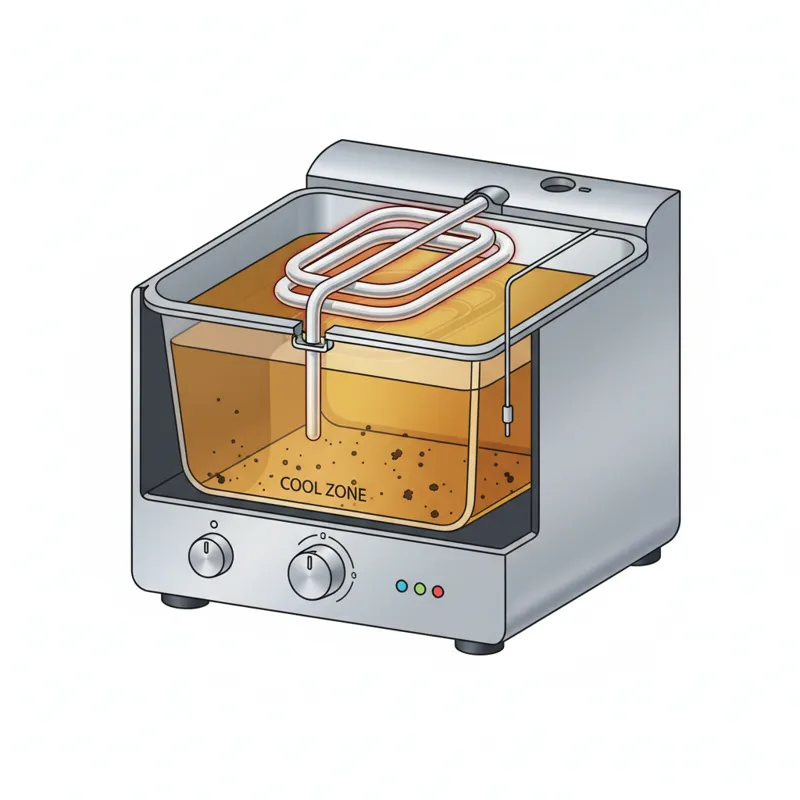
Before examining specific models, it is vital to understand what separates a high-performance fryer from a cheap pot with a cord. The primary driver of quality is the immersion heating element. Unlike older models where the heating coil was buried inside the walls of the unit (heating the oil indirectly), modern high-end fryers place the element directly into the fluid. This offers two distinct advantages.
First, it creates near-instant temperature recovery. When you drop cold food into 375°F oil, the temperature plummets. If the fryer cannot recover that heat quickly, the food sits in lukewarm oil, soaking up grease rather than frying. Direct immersion ensures the energy transfer is immediate. Second, this design creates a “cool zone” beneath the element. Bits of batter and breading inevitably fall off during cooking. In a direct immersion system, these crumbs fall past the heating element into cooler oil at the bottom, preventing them from burning. This keeps your oil cleaner for longer and stops a charred taste from permeating your food.
The second critical component is the oil filtration system. In 2026, the standard for a “best” fryer requires an automated way to separate particulate matter from the oil and store the clean fluid for future use. This involves a gravity-fed or pump-driven mechanism that passes the oil through a fine mesh filter into a sealed storage box, usually once the oil reaches a safe handling temperature.
Top Pick 1: The Automated Filtration Standard (Best Overall)
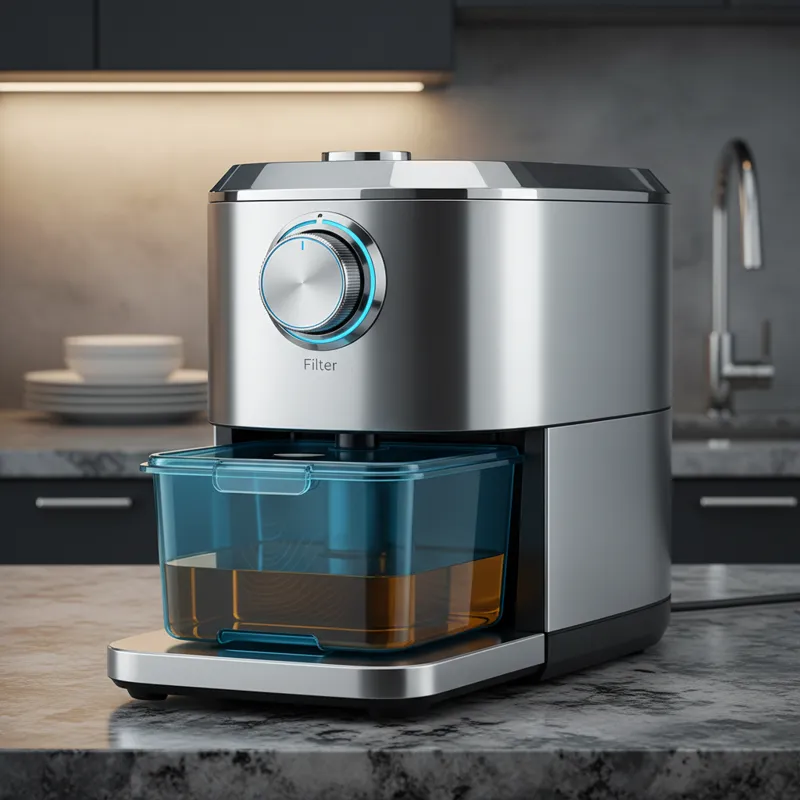
For the vast majority of home cooks, the T-Fal Ultimate EZ Clean lineage remains the benchmark for engineering logic. The brilliance of this design lies in its passive, gravity-based filtration system. There are no electronic pumps to fail and no complex hoses to clog. The mechanism relies purely on physics and a thermal sensor.
How the Mechanism Works:
The fryer features a dial with three main settings: Fry, Filtration, and Oil Removal. When you finish cooking, you turn the dial to the filtration setting. The machine waits. It features an internal bimetallic thermostat that prevents the valve from opening until the oil cools to a safe temperature (typically around 150°F). Once the thermal threshold is met, the valve opens mechanically, draining the oil through a fine mesh sieve at the bottom of the tank and into a removable, sealable plastic container housed in the base.
Why It Wins:
This solves the storage problem entirely. You don’t need to find a funnel or cheesecloth. The sediment stays in the fryer tank (which is dishwasher safe), and the clean oil rests in the box. When you are ready to fry again, you simply pull out the box and pour the clean oil back in. The stainless steel basket and enamel bowl are robust, but the filtration is the selling point. It removes the friction of cleanup, making deep frying a practical Tuesday night option rather than a Thanksgiving-only event.
While waiting for your oil to filter, you have ample time to prepare the rest of your meal. These units are excellent for preparing appetizers that mimic the variety found on the ultimate 2026 bubble tea menu, pairing crispy popcorn chicken with sweet drinks.
Top Pick 2: The Precision Engineer (Best for Technophiles)
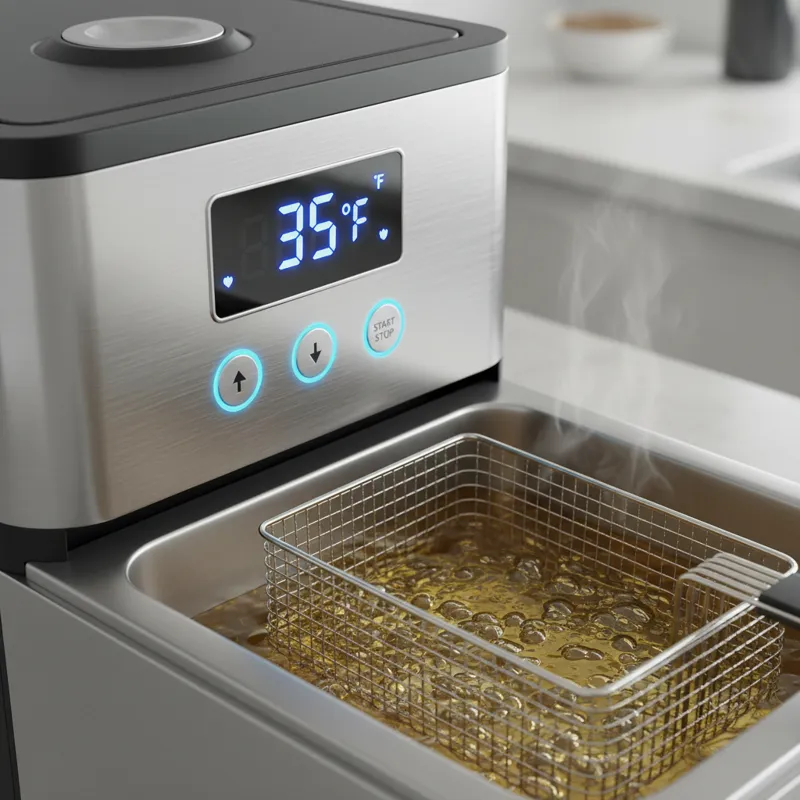
If the T-Fal wins on cleanup, the Breville Smart Fryer series wins on thermal dynamics. This unit targets the user who understands that 375°F means 375°F, not 360°F or 390°F. This model utilizes an electronic PID (Proportional-Integral-Derivative) controller rather than a simple mechanical thermostat.
The “Smart” Difference:
Standard mechanical thermostats have a wide variance; they overheat to reach a target and cool down significantly before kicking back on. This creates a sine wave of temperature fluctuations. The electronic sensor in this countertop appliance samples the oil temperature continuously and pulses power to the immersion heating element to maintain a flat, consistent heat curve. It also features pre-programmed “smart” settings that adjust the temperature profile based on what you are cooking—double-frying settings for french fries are a notable inclusion.
Operational Reality:
This unit does not have the automatic drainage box of the T-Fal. However, it compensates with a thoughtful “pour spout” corner design and superior construction quality. The element creates a massive cool zone, extending oil life significantly. It is the choice for the chef who prioritizes the texture of the food over the speed of cleanup. It handles delicate items like tempura vegetables or doughnuts with precision that prevents oil-logging.
After a heavy meal of fried foods, many users look for a digestif. Interestingly, checking does herbal tea have caffeine is a smart move here; pairing a non-caffeinated herbal blend with a heavy meal aids digestion without disrupting sleep cycles.
Top Pick 3: The Commercial Workhorse (Best Capacity)
For large families or those hosting events, standard 3-liter fryers fall short. The All-Clad electric deep fryer enters the list as the volume king. While it lacks the automated drainage box, it incorporates a manual drainage pipe system often found in commercial kitchens.
Performance and Build:
The standout feature here is the wattage-to-volume ratio. High wattage ensures that even when you drop two pounds of frozen wings into the basket, the temperature rebound is aggressive. Weak fryers allow the oil temperature to drop below the “crisping point” (approx 320°F) for too long, resulting in greasy food. This unit powers through that drop. It features a heavy-gauge stainless steel basket (or often dual baskets) that resists warping over years of high-heat cycles.
The Filtration Solution:
Instead of a box, this unit typically utilizes a spout and a separate manual filter system. While it requires more user interaction than the automated pick, the open architecture makes it easier to scrub down. It is a machine built for longevity. The heating element is removable, and the vat lifts out completely for sink washing.
Understanding Oil Filtration Systems: A Deep Dive
The oil filtration system is the most significant innovation in home frying in the last decade. To understand why it matters, one must understand oil degradation. Oil breaks down due to three factors: heat, moisture, and debris. You cannot avoid heat and moisture—that’s cooking. But you can control debris.
When batter crumbs carbonize in the oil, they act as catalysts for oxidation. This creates free radicals that degrade the oil’s flavor and lower its smoke point. By filtering the oil immediately after it cools, you halt this degradation process. Automated systems pass the oil through a mesh filter—usually comprised of stainless steel or high-heat synthetic polymers—separating carbonized solids from the lipid.
The Logic of Sediment Removal:
Gravity-fed systems are generally superior to pump systems for home use. Pumps can jam if a large piece of batter bypasses the initial screen. Gravity never fails. The key limitation to remember is that filtration does not clean the oil chemically; it only cleans it physically. You still need to replace the oil after 8-10 uses, as the chemical structure eventually breaks down regardless of how clear it looks.
Safety Protocols and Maintenance
Deep fryers are high-energy devices handling flammable liquids. Safety is not a footnote; it is the operating manual. In 2026, safety features are standard, but operator behavior is the variable.
Thermal Runaway Protection
All reputable electric oil cookers now include a secondary safety cut-off. If the primary thermostat fails and the oil continues to heat, a thermal fuse trips to cut power before the oil reaches its auto-ignition temperature (typically around 750°F-800°F). Never attempt to bypass a blown thermal fuse; it is the only thing standing between your kitchen and a grease fire.
Moisture Management
Water expands 1,600 times in volume when it turns to steam. Submerging wet food into hot oil causes an explosive expansion of steam that can eject hot oil onto the counter or the heating element. Always pat food dry with paper towels before frying. For frozen foods, remove as much ice crystals as possible. This is why the lid usage is debated; while some fryers allow frying with the lid down to contain splatter, this can cause condensation to drip back into the oil. A high-quality mesh splatter guard is often safer than a solid lid.
Cleanup and Hygiene
Grease accumulation is not just unsightly; it is a fire hazard. The exterior of the fryer and the surrounding counter should be degreased regularly. The polymerized oil that turns into a sticky yellow gum on the outside of the unit requires an enzymatic cleaner or a heavy-duty degreaser to remove. After a deep cleaning session, using a product like a tea tree wash can be surprisingly effective for personal cleanup. You can read about the 7 proven benefits of tea tree body wash, which include its ability to cut through oils and neutralize the heavy, lingering scent of fried fat on the skin.
For authoritative guidelines on food safety and oil handling, refer to the USDA Food Safety and Inspection Service.
What Most People Get Wrong
1. Trusting the “Ready” Light Instantly
The light on your fryer indicates that the sensor at the location of the sensor reads the correct temperature. It does not mean the entire volume of oil has stabilized. Convection currents take time. Professional advice: Wait an additional 5-10 minutes after the light turns on to ensure the thermal mass of the oil is uniformly heated. This prevents cold spots.
2. Overcrowding the Basket
This is the most common error. Adding food introduces cold mass. If you fill the basket to the brim, the oil temperature drops below 275°F. At this temperature, the outward pressure of steam (which keeps oil out of the food) collapses. The oil rushes into the food, resulting in a greasy, soggy product. Never fill the basket more than halfway.
3. Using the Wrong Extension Cord
Deep fryers draw massive current (typically 1500 to 1800 watts). Connecting a fryer to a lightweight extension cord creates a significant fire hazard due to resistance heating in the cord. Always plug the unit directly into a wall outlet, or ensure you use a heavy-gauge (12-gauge or lower) appliance cord. The National Fire Protection Association provides critical data on electrical safety in kitchens.
FAQ: Common Fryer Queries
How many times can I reuse frying oil?
Generally, you can reuse oil 8 to 10 times if you filter it correctly. However, this depends on what you fry. Battered fish breaks down oil faster than french fries due to loose proteins and crumbs. If the oil foams, smells rancid, or smokes before reaching 375°F, discard it immediately.
What is the best oil for electric deep fryers?
You need an oil with a high smoke point and a neutral flavor. Peanut oil is the gold standard for taste and thermal stability (smoke point ~450°F). Canola and vegetable oils are acceptable budget alternatives. Avoid olive oil or butter, as they burn at frying temperatures. For a scientific breakdown of fats, Wikipedia’s entry on Smoke Points offers a comprehensive table.
Why is my fryer not getting hot enough?
If your adjustable thermostat is set correctly but the oil stays cool, the issue is likely the safety reset button. Most immersion elements have a tiny “Reset” button on the back or bottom of the control unit. If the unit overheated previously or was plugged in without oil, this switch trips. Pressing it usually restores function.
Final Thoughts
Selecting the best deep fryer in 2026 is less about brand loyalty and more about understanding your own tolerance for maintenance. If you know you will hate straining oil through a cheesecloth, the automated filtration models are the only logical choice. They transform a messy chore into a button press. If you demand culinary perfection and exact temperatures, the digitally controlled immersion units offer the fidelity required for high-end cooking.
Deep frying at home yields results that air fryers simply cannot replicate. The interplay of hot oil and food chemistry creates a texture that is uniquely satisfying. By choosing a model with a robust stainless steel basket, a reliable oil filtration system, and safety-first engineering, you ensure that this cooking method remains a joy rather than a burden.


