In a world running on the frantic, often jittery energy of coffee, there’s a growing desire for a different kind of fuel. We’re looking for a clean, focused alertness—a way to boost productivity and clear mental fog without the inevitable crash. For millions in Japan, and increasingly across the United States, the answer isn’t a new bio-hack or a complex supplement. It’s found in a simple, centuries-old ritual: a carefully prepared cup of Sencha green tea. This isn’t the dusty, bitter green tea you might remember from a forgotten tea bag. True Sencha is a vibrant, nuanced beverage that offers a unique synergy of calm and energy, making it a remarkably effective tool for revitalizing both mind and body in 2026.
What Exactly Is Sencha Green Tea?
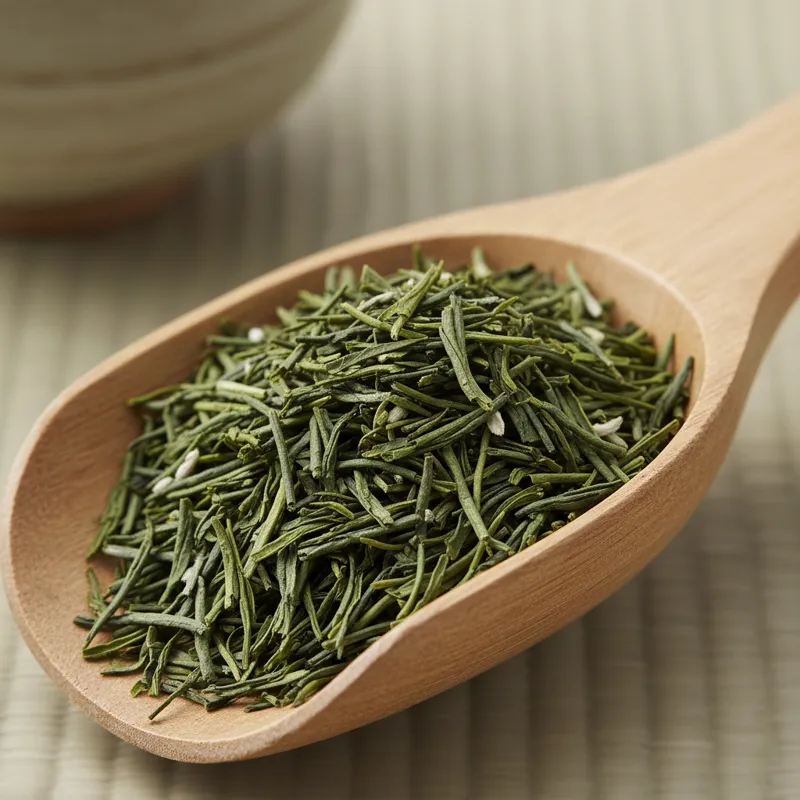
Sencha is, quite simply, the quintessential green tea of Japan. It accounts for the vast majority of tea produced and consumed there, enjoyed by everyone from office workers to families at home. What sets it apart from nearly all other teas, especially the more common Chinese varieties, is one critical step in its processing: steaming.
Immediately after the tender leaves are harvested, they are briefly steamed. This blast of hot vapor accomplishes something crucial—it halts the oxidation process in its tracks. Oxidation is the same chemical reaction that turns a cut apple brown. By preventing it, Japanese tea producers lock in the leaves’ brilliant green color, their full-bodied flavor, and, most importantly, their rich concentration of beneficial compounds.
Chinese green teas, by contrast, are typically pan-fired or roasted in a wok to stop oxidation. This process imparts a toastier, nuttier, and sometimes smokier flavor profile. The steaming method used for Sencha green tea results in a flavor that is distinctly brighter, more vegetal, and often described as having notes of fresh-cut grass, seaweed, or steamed spring greens—a taste profile known as “umami.”
The Sencha Experience: A Unique Profile of Energy and Focus
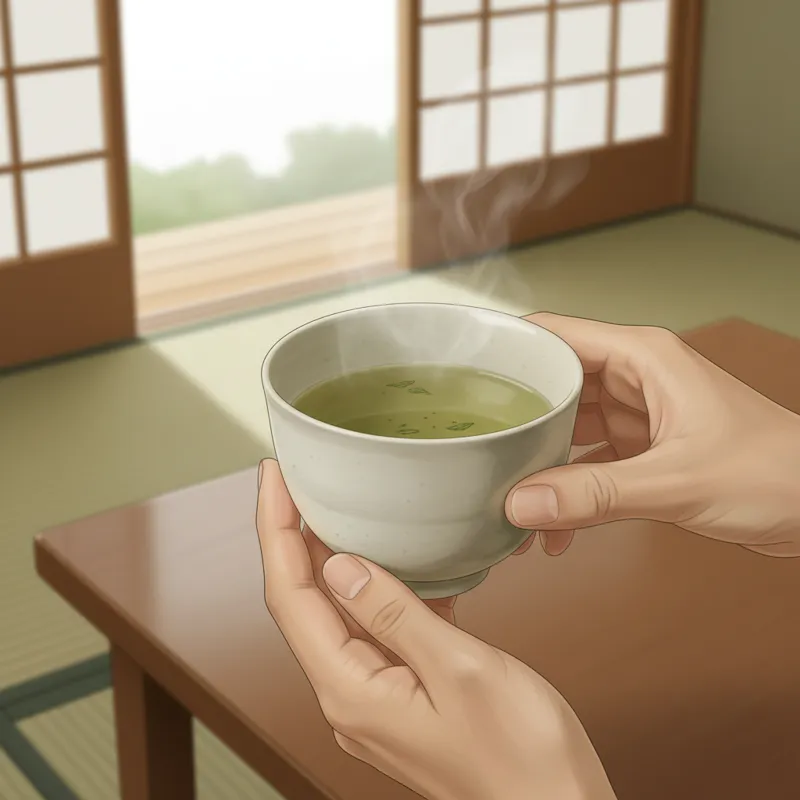
The feeling you get from drinking a well-brewed cup of sencha is profoundly different from that of coffee or even black tea. It’s often described as a “calm alertness,” and this isn’t just a subjective feeling—it’s the direct result of a powerful partnership between two key compounds in the tea leaf.
Caffeine: The Gentle Lift
Sencha contains caffeine, but typically less than a cup of black tea and significantly less than a standard cup of coffee. An 8-ounce serving of sencha might have between 20-45 milligrams of caffeine, whereas the same amount of coffee can easily have 95 milligrams or more. This moderate dose provides a gentle, sustained energy boost without overwhelming your system.
L-Theanine: The “Smart” Amino Acid
This is sencha’s secret weapon. L-Theanine is an amino acid found almost exclusively in the tea plant (Camellia sinensis). It has the remarkable ability to cross the blood-brain barrier and influence brain function directly. Specifically, L-Theanine promotes the generation of alpha brain waves, which are associated with a state of relaxed, focused attention. You might experience this state during meditation or when you’re deeply absorbed in a creative task.
As the National Institutes of Health (NIH) has noted in various studies, the combination of L-Theanine and caffeine is synergistic. The L-Theanine smooths out the sharp edges of the caffeine, mitigating the potential for jitters and anxiety. The result is a clean, focused energy that allows for mental clarity and productivity, followed by a gentle return to baseline without the notorious caffeine crash.
Antioxidants (Catechins)
Like all green teas, sencha is a rich source of powerful antioxidants called catechins. The most abundant and potent of these is Epigallocatechin gallate (EGCG). These compounds help protect the body’s cells from damage caused by free radicals and oxidative stress. The steaming process that defines sencha is particularly effective at preserving a high concentration of these delicate catechins, which can be degraded by the higher heat of pan-firing.
How to Brew Sencha Green Tea Perfectly (Even on Your First Try)
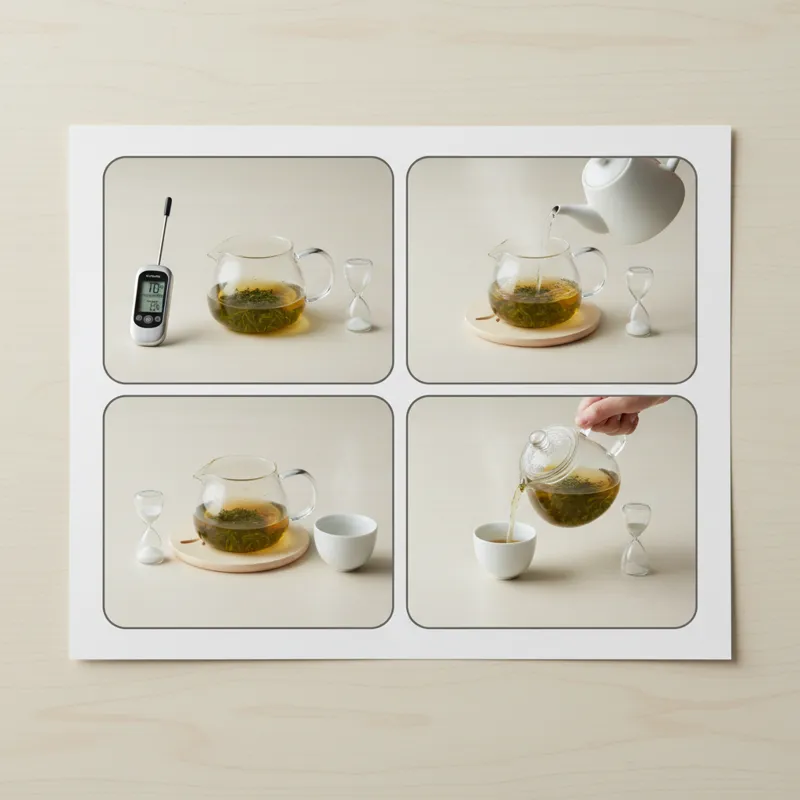
Brewing loose-leaf sencha is incredibly simple, but it requires a different approach than brewing black tea. The number one reason people think they dislike green tea is that they’ve only ever had it prepared incorrectly. Mastering three key variables—water temperature, leaf quantity, and steeping time—will unlock its true flavor.
Water Temperature: The Most Common Mistake
This is the big one. Never, ever use boiling water on sencha. Boiling water (212°F / 100°C) scorches the delicate leaves, instantly releasing an excess of tannins and resulting in a harsh, bitter, and astringent brew. The ideal temperature for sencha is much lower: between 160-175°F (70-80°C).
How do you get this without a variable-temperature kettle? It’s easy:
- The Wait Method: Bring your water to a full boil, then simply let it sit with the lid off for about 3-5 minutes.
- The Pour Method: Pour the boiling water back and forth between two ceramic mugs 3-4 times. Each pour will cool the water down significantly.
Leaf Quantity and Steeping Time
A good starting point for your leaf-to-water ratio is 1 heaping teaspoon (about 3 grams) of sencha leaves per 8 ounces (240 ml) of water. You can adjust this to your taste later.
Steeping time for sencha is surprisingly short. For your first infusion, aim for just 45 to 60 seconds. Any longer, and you risk extracting too much bitterness. The goal is a cup that is balanced, slightly sweet, and full of umami.
The Art of Multiple Infusions
One of the great joys and economic benefits of high-quality loose-leaf tea is that you can steep the same leaves multiple times. Sencha is no exception. After your first infusion, you can re-steep the leaves 2-3 more times.
- Second Infusion: Use slightly hotter water (around 180°F / 82°C) and a much shorter steeping time, perhaps only 20-30 seconds. The flavor will be slightly different—often less astringent and with different notes emerging.
- Third Infusion: Use hot water again and steep for around 45-60 seconds.
Each infusion will offer a unique taste of the same leaves, making the experience dynamic and rewarding.
Sencha vs. Matcha: Understanding the Key Differences
Sencha and Matcha are both Japanese green teas, but they are fundamentally different products. Understanding this distinction is key to appreciating what each has to offer.
- Form and Processing: Sencha consists of whole, steamed tea leaves that are infused in water. Matcha is made from special shade-grown tea leaves that are stone-ground into an ultra-fine powder.
- Consumption: With sencha, you steep the leaves and then discard them, drinking only the infusion. With matcha, you whisk the powder directly into water, consuming the entire leaf.
- Flavor Profile: Sencha has a clean, grassy, and slightly marine-like flavor with a pleasant astringency. Matcha is much richer, with a deep, creamy umami character and a sweeter finish due to its shade-grown origins.
- Caffeine and L-Theanine Content: Because you are ingesting the entire leaf, matcha delivers a much more concentrated dose of everything—caffeine, L-Theanine, and antioxidants. This makes it a powerful, intense experience. Sencha provides a gentler, more moderate effect, making it an ideal daily drink.
What Most People Get Wrong About Japanese Green Tea
Navigating the world of tea can be tricky, and a few common misconceptions often prevent people from enjoying sencha to its fullest.
Myth 1: “All green tea is bitter.” Bitterness is not an inherent quality of good sencha; it’s a sign of improper brewing. This problem is almost always caused by using water that is too hot or steeping the leaves for too long. Control your temperature and time, and you’ll discover a world of sweet, savory flavors.
Myth 2: “Green tea is all the same.” This is like saying all red wine is the same. Sencha’s steamed, vegetal profile is worlds away from a nutty, pan-fired Chinese Dragon Well. Even within black teas, processing and origin define the product; for example, the term orange pekoe tea refers to a specific grade and size of leaf, not a flavor, creating a wide range of tastes within that category. The same diversity exists, and is even more pronounced, in the world of green tea.
Myth 3: “Tea bags are just as good.” Commercial tea bags are typically filled with “fannings” and “dust”—the tiny, broken remnants of tea leaves. These small particles have a huge surface area, causing them to infuse very quickly and often unevenly, releasing tannins and creating a flat, bitter liquid. Loose-leaf tea allows the whole leaves to unfurl and release their complex flavors gradually, enabling the satisfying process of multiple infusions.
Choosing and Storing Your Sencha for Maximum Freshness
The quality of your tea experience begins with the leaves you buy. When shopping for sencha, look for vibrant, deep green leaves that are mostly whole and have a uniform, needle-like shape. They should have a fresh, grassy, and slightly sweet aroma. Avoid leaves that look dull, brownish, or are mostly broken into small pieces.
Once you bring it home, your number one priority is protecting it from its four enemies: light, air, heat, and moisture. Store your sencha in a truly airtight, opaque container in a cool, dark place like a pantry or cupboard. Avoid the refrigerator for your daily-use tea, as frequent opening can introduce condensation and moisture. It’s best to buy smaller quantities more frequently to ensure you’re always brewing the freshest possible tea.
Beyond the Cup: The Broader Wellness Context
Integrating Sencha green tea into your daily routine is about more than just its physical benefits. The very act of preparing loose-leaf tea can become a meditative ritual—a deliberate pause in a busy day. It requires you to slow down, pay attention to details like temperature and time, and engage your senses. This intentional process can be a powerful tool for grounding yourself and reducing stress.
The compounds in sencha can also contribute to overall wellness. The polyphenols in green tea are known to support a healthy gut microbiome by acting as prebiotics, which are substances that feed beneficial gut bacteria. While it’s not a fermented beverage like some specialized probiotic teas, a daily cup of sencha helps foster a healthy internal environment.
Finally, there’s an element of cultural appreciation. In Japan, tea is a cornerstone of hospitality and daily life. Adopting the practice isn’t about perfectly replicating a formal ceremony, but about embracing a simple, time-honored ritual. It’s a different way of thinking about a beverage—less like a quick caffeine delivery system and more like the elegant afternoon tea service you might find at the historic Boston Public Library, but adapted for everyday mindfulness.
Frequently Asked Questions about Sencha Green Tea
How much caffeine is in a cup of sencha?
An 8 oz (240 ml) cup of sencha typically contains 20-45 mg of caffeine. This is less than black tea (around 50 mg) and substantially less than drip coffee (95 mg or more). The actual amount can vary based on the specific type of sencha, water temperature, and steeping time.
Can I drink sencha every day?
For most healthy adults, drinking sencha daily is not only safe but beneficial. Its moderate caffeine level and high concentration of L-Theanine and antioxidants make it an excellent choice for a daily wellness beverage. As with any caffeinated drink, moderation is key.
Is organic sencha worth the extra cost?
Many people believe it is. Tea is not typically washed before processing, so any pesticides used on the plant can end up in your cup. Opting for certified organic sencha ensures the tea was grown without synthetic pesticides and fertilizers, which many consumers prefer for both personal health and environmental reasons.
What’s the difference between sencha and bancha?
Both are steamed Japanese green teas, but they differ by harvest time. Sencha is typically made from the younger leaves of the first or second harvest in spring. Bancha is harvested later in the season (the third or fourth flush) and is made from more mature, coarser leaves. As a result, bancha has a more robust, less delicate flavor and a lower caffeine content.
Can I make iced sencha?
Absolutely. There are two great ways to do it. For a quick version, brew the tea hot but make it stronger by using double the amount of leaves. Then, pour the hot infusion directly over a glass full of ice. For an incredibly smooth, sweet, and non-bitter version, try cold brewing. Simply place sencha leaves in a pitcher of cold, filtered water (about 1.5 tablespoons per quart) and let it steep in the refrigerator for 4-8 hours.