Walk into any bubble tea shop in 2026, and you’ll be met with a vibrant, almost overwhelming menu of colors and flavors. While the creamy, classic milk teas still hold their ground, the real star of the show for many has become fruit bubble tea. It’s a lighter, more refreshing, and endlessly customizable alternative that has moved far beyond its origins. This isn’t just sweetened iced tea; it’s a sophisticated beverage category, ranging from subtle, floral-infused green teas with lychee to bold mango slushes packed with chewy tapioca pearls. Whether you’re a seasoned boba enthusiast or a curious newcomer trying to figure out what to order, understanding the components and possibilities is the key to unlocking your perfect drink.
What Exactly Is Fruit Bubble Tea? A Breakdown of the Basics
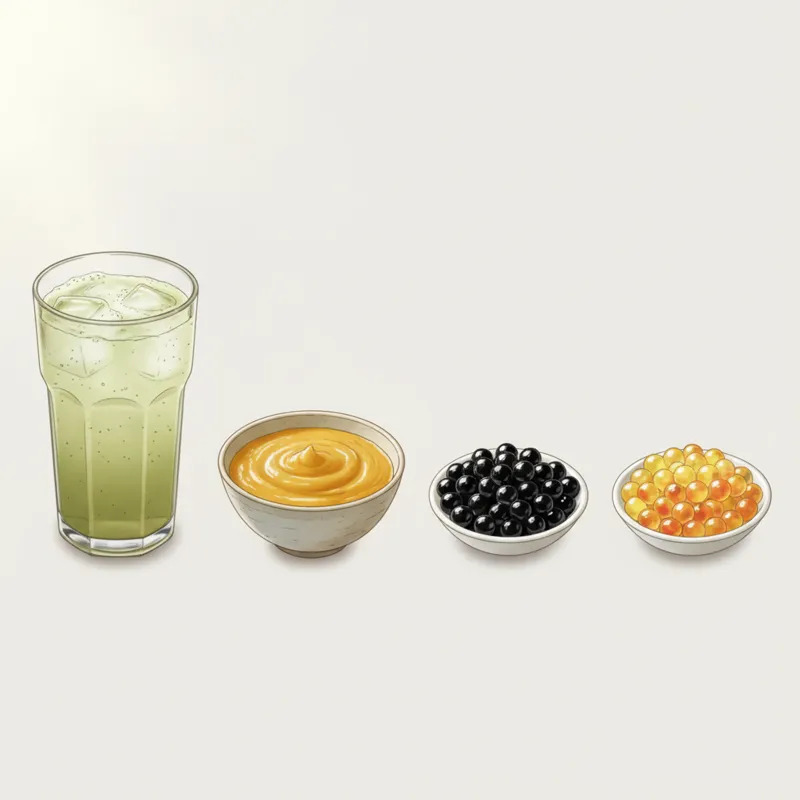
At its core, fruit bubble tea is a chilled beverage built on four key pillars: a tea or water base, a fruit element, a sweetener, and a topping. Unlike its milky counterpart, it skips the creamer, resulting in a drink that is typically more crisp and thirst-quenching. The magic lies in how these simple components are combined and customized.
The Base: More Than Just Tea
The foundation of any good fruit bubble tea is its liquid base. Most shops use freshly brewed green or black tea, chosen for their ability to complement fruit flavors without overpowering them. Jasmine green tea is a popular choice for its light, floral aroma that pairs beautifully with delicate fruits like lychee or white peach. Robust black teas, like Assam or Ceylon, provide a stronger backbone that can stand up to bolder flavors like passion fruit or pineapple.
Some premium shops even offer oolong or white tea options. For a caffeine-free experience, many recipes simply use a fruit-infused water or a blended fruit slush base.
The Fruit: Real vs. Syrup
This is where the quality of a shop truly shines. The fruit flavor can come from one of three sources: artificial powders, flavored syrups, or real fruit purees and pulps. Powders and syrups are consistent and cheap, but they often have a one-dimensional, candy-like taste. High-quality fruit tea uses real fruit that is blended into a puree or muddled directly into the drink. The difference in taste is night and day—you get the natural sweetness, tartness, and texture of the actual fruit.
The Toppings: The “Bubble” in Bubble Tea
The toppings provide the signature texture and fun. While “boba” technically refers to the large, chewy tapioca pearls, the term is now used colloquially for a wide range of add-ins:
- Tapioca Pearls: Made from cassava starch, these are the classic chewy, dark brown or black spheres. When cooked properly, they have a delightful “QQ” texture—a Taiwanese term for a specific bouncy, springy chewiness.
- Popping Boba: These are not made from tapioca. They are small spheres created through a process called spherification, with a thin, gel-like skin that bursts with flavored juice when you bite into them. Common flavors include mango, strawberry, and lychee.
- Fruit Jellies: These are firm, chewy cubes made from coconut meat (nata de coco) or konjac, infused with fruit flavors. They add a different kind of chew compared to tapioca.
- Crystal Boba: A more modern, translucent, and less chewy alternative to traditional tapioca. It’s made from agar-agar and has a slight crunch.
Navigating the Menu: How to Order Your Perfect Drink
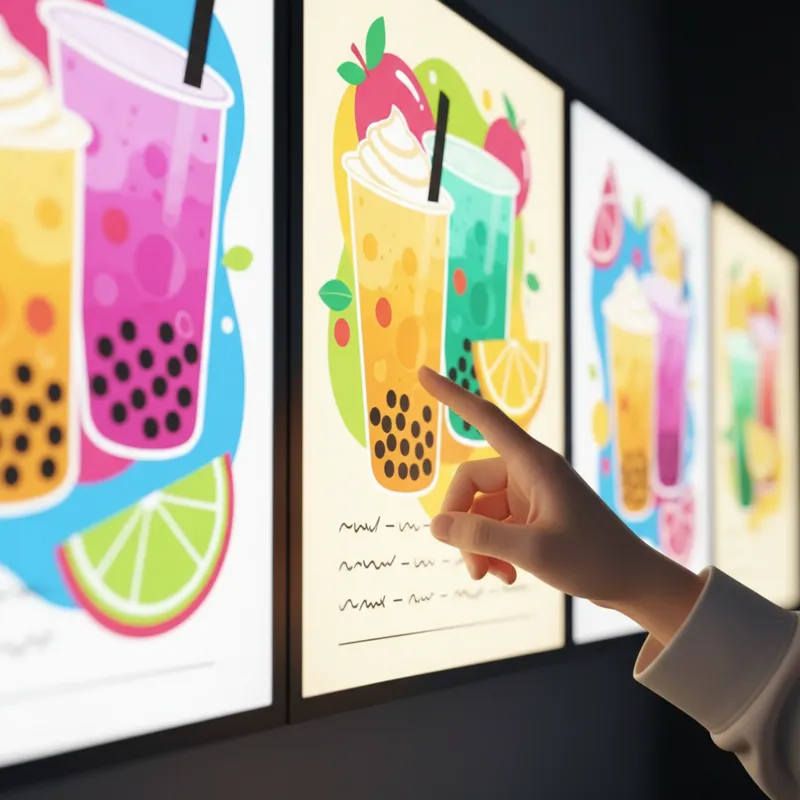
For a first-timer, the menu can look like a complex equation. But you can break down every order into a simple, four-step process. Thinking this way transforms an intimidating menu into a build-your-own adventure.
Step 1: Choose Your Base Style
First, decide on the drink’s overall texture. Do you want something you can sip easily or something thicker that you’ll need a spoon for?
- Fruit Tea: This is a shaken iced tea. It’s light, refreshing, and the most common style.
- Fruit Slush/Smoothie: This is the fruit and base (tea or water) blended with ice into a thick, frozen concoction. A mango boba smoothie is a perfect example of this style.
Step 2: Pick Your Fruit Flavor
This is the main event. Start with a flavor you know you love. Mango, strawberry, and passion fruit are excellent, can’t-miss choices for beginners. If you’re feeling more adventurous, look for lychee, peach, grapefruit, or winter melon. Many shops also offer combinations, like strawberry-mango or pineapple-coconut.
Step 3: Select Your Toppings
Think about the texture you want. If you like a satisfying, gummy chew, go for classic tapioca pearls. If you want a fun, surprising burst of flavor, choose popping boba. If you prefer a lighter, jelly-like texture, go for fruit jellies or crystal boba.
You can almost always mix and match toppings, so don’t be afraid to ask for half tapioca and half popping boba to get the best of both worlds.
Step 4: Customize Sugar and Ice Levels
This is the final, crucial step to perfecting your drink. Most shops in the United States default to 100% sugar, which can be intensely sweet for many people. It’s highly recommended to start with 50% or even 25% sweetness on your first try. You can always add more, but you can’t take it away.
Similarly, you can request “less ice” or “no ice,” though less ice often means you’ll get less liquid overall as the cup is filled to the top either way.
The Best Fruity Boba Flavors to Try in 2026
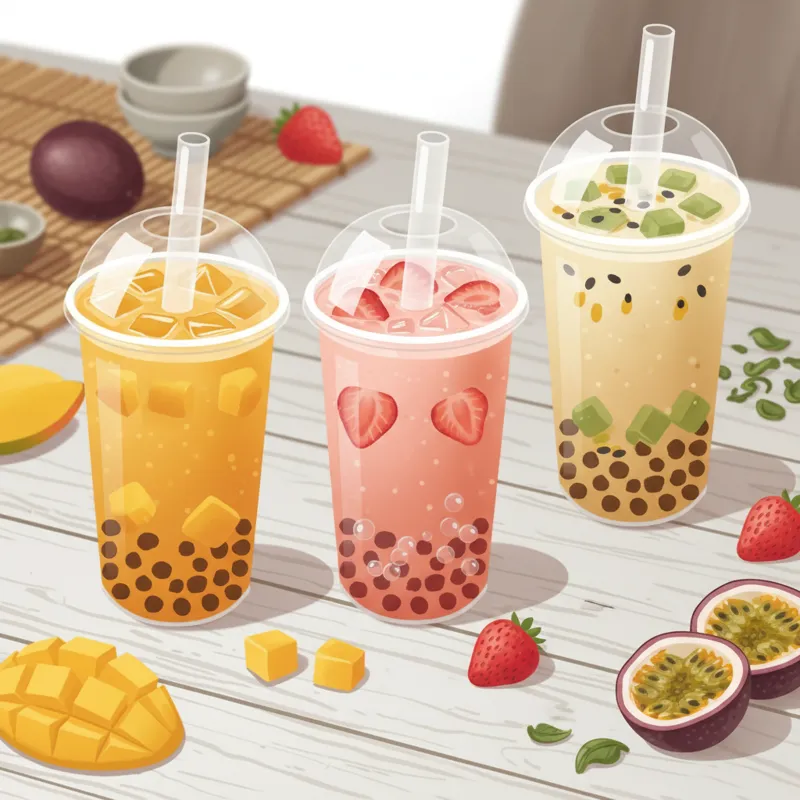
While the possibilities are endless, a few combinations have become modern classics for a reason. Here are some of the best fruity boba flavors that consistently deliver.
The Crowd-Pleasers
- Mango Green Tea with Tapioca Pearls: This is the undisputed champion of fruit teas. The sweetness of the mango is perfectly balanced by the slightly grassy notes of the green tea, and the chewy tapioca provides a classic textural contrast.
- Strawberry Black Tea with Popping Boba: A refreshing and fun combination. The boldness of black tea stands up well to the strawberry flavor, and strawberry popping boba adds an extra layer of fruity excitement.
- Passion Fruit Green Tea with Coconut Jelly: A tropical dream. Passion fruit brings a fantastic tartness that cuts through the sweetness, while the chewy coconut jelly (nata de coco) complements the flavor profile perfectly.
Modern & Adventurous Favorites
- Lychee Oolong Tea with Crystal Boba: An elegant and sophisticated choice. The floral, slightly sweet flavor of lychee pairs wonderfully with the roasted, complex notes of oolong tea. Crystal boba adds a subtle texture without interfering with the delicate flavors.
- White Peach Green Tea: A light, aromatic, and incredibly refreshing drink. It’s less about a powerful fruit punch and more about a nuanced, fragrant sipping experience.
- Grapefruit or Yuzu Jasmine Tea: For those who love a citrusy kick. The bitterness of grapefruit or the unique floral citrus of yuzu is balanced by the jasmine tea base, creating a bright and zesty drink that’s perfect on a hot day.
The joy of finding your perfect, unique boba combination is a lot like the thrill collectors feel, whether they’re hunting for rare vinyl or the most sought-after Hot Wheels Supra models. It’s a personal journey of discovery.
What Most People Get Wrong About Fruit Tea
Fruit bubble tea has a few common misconceptions, largely due to the wide variance in quality from shop to shop. Clarifying these points can help you find a truly great drink.
Myth 1: “It’s all just sugar and artificial flavor.”
This is only true at low-quality establishments. A well-made fruit tea from a reputable shop uses real fruit purees and gives you full control over the sweetness level. Ordering a mango green tea with 25% sugar and real mango pulp is a world away from a drink made with 100% sugar and green-colored powder. You are in control of the final product.
Myth 2: “All boba toppings are the same.”
The difference between freshly made, warm tapioca pearls soaked in brown sugar syrup and old, hard pearls that have been sitting in a container all day is immense. Likewise, the quality of popping boba can vary. A good shop takes pride in the texture and freshness of its toppings, and you can taste the difference.
Myth 3: “It’s not ‘real’ tea.”
While some places might use low-grade tea bags or powders, many dedicated boba shops are embracing craft tea culture. They brew high-quality loose-leaf teas multiple times a day to ensure the base of your drink is fresh and flavorful. Don’t be afraid to ask what kind of tea they use; a good barista will be happy to tell you.
Your Ultimate Guide to Homemade Fruit Bubble Tea
Bringing the fruit bubble tea experience into your own kitchen is surprisingly straightforward and incredibly rewarding. You get to control every aspect, from the quality of the fruit to the exact level of sweetness. It’s the perfect weekend project.
Part 1: The Essential Equipment
You don’t need much to get started, and you probably have most of it already:
- Saucepan: For cooking the tapioca pearls.
- Fine-mesh Strainer: For rinsing the cooked pearls.
- Blender or Food Processor: To make your real fruit puree.
- Wide-mouth Boba Straws: Essential for getting the toppings! You can find reusable glass or stainless steel versions online.
– Cocktail Shaker: To perfectly chill and mix your tea. A sturdy mason jar with a tight-fitting lid works just as well.
Making fruit bubble tea at home, especially with vibrant fruits, can get messy. A stray splash of syrup on your shirt is almost inevitable. Having a reliable washing machine and dryer is key. While some swear by the commercial-grade power detailed in reviews of the reasons to buy a Speed Queen dryer for tough stains, others find that understanding the ultimate reasons for a Hot Point washer helps them choose the right dependable home unit to keep their kitchen and clothes pristine.
Part 2: The Core Ingredients
- Tea: Choose a good quality green or black tea. Brew it double-strength, as it will be diluted by ice and fruit puree. Let it cool completely.
- Tapioca Pearls: Look for “quick-cook” boba, which usually cooks in 5-10 minutes. Follow the package instructions precisely. The key is to rinse them in cold water after cooking to stop the cooking process and then immediately soak them in a simple or brown sugar syrup to keep them soft and flavorful.
- Fruit: For a mango tea, use one ripe mango, peeled and cubed. For strawberry, use a cup of fresh or frozen strawberries.
- Sweetener: A simple syrup (equal parts hot water and sugar, stirred until dissolved) is the easiest way to control sweetness. Honey or agave also work well.
Part 3: Step-by-Step Homemade Fruit Tea Recipe with Tapioca
Let’s make a classic Mango Green Tea for two servings:
- Cook the Tapioca: Bring 6 cups of water to a rolling boil. Add 1/2 cup of uncooked tapioca pearls and stir gently. Once they float, cover the pot and cook according to package directions (usually 5-7 minutes). Drain, rinse with cold water, and place in a bowl with 2-3 tablespoons of simple syrup or brown sugar syrup.
- Brew the Tea: Steep 2-3 green tea bags (or 2 tablespoons of loose leaf tea) in 2 cups of hot water for 5 minutes. Remove the tea bags/leaves and let the tea cool completely in the refrigerator.
- Prepare the Fruit Puree: Blend one ripe mango with 2-4 tablespoons of your simple syrup and a splash of water until smooth. For guidance on safely handling fresh produce, you can refer to resources from the U. S. Food and Drug Administration.
- Assemble the Drink: Divide the cooked tapioca pearls between two large glasses. Add ice to each glass. In a cocktail shaker, combine the 2 cups of cooled green tea and the mango puree. Shake vigorously with ice for 15 seconds until chilled and frothy. Pour the shaken mixture over the ice and tapioca in your glasses. Serve immediately with a wide straw.
The Rise of Popping Boba and Other Modern Toppings
While traditional tapioca remains a favorite, the explosion in popularity of popping boba drinks has changed the game. These little juice-filled spheres are a marvel of food science, created using a technique called reverse spherification. A liquid containing calcium is dropped into a bath of sodium alginate. This causes a thin, flexible gel membrane to form around the juice, creating the signature “pop.”
This innovation has opened the door for endless flavor combinations, allowing you to add a burst of lychee flavor to a strawberry tea or a pop of passion fruit to a mango smoothie. Beyond popping boba, the modern boba shop is a playground of textures. You’ll find everything from creamy egg pudding and herbal grass jelly to silky panna cotta, turning a simple drink into a multi-layered dessert.
Frequently Asked Questions (FAQ)
Is fruit bubble tea healthy?
It can be, but it depends entirely on how you order it. A large fruit slush with 100% sugar and extra toppings is a sugary dessert. However, a regular-sized green tea made with real fruit puree, no added sugar, and a modest portion of toppings can be a relatively light and refreshing treat.
What is the difference between fruit tea and milk tea?
The main difference is the absence of dairy or non-dairy creamer. Fruit tea has a tea-and-fruit base, making it lighter, more transparent, and often more tart. Milk tea has a tea-and-milk base, giving it a creamy, rich, and smooth texture.
Can I make fruit bubble tea without caffeine?
Absolutely. You can substitute the green or black tea with a brewed herbal tea like hibiscus or chamomile. Alternatively, you can skip the tea altogether and make a “fruit fresca” or slush using just fruit puree, water, and your toppings.
How do I find good fruit boba near me?
Look for shops that advertise using “real fruit” or “fresh purees.” Check online reviews and photos—if you can see actual fruit pulp or seeds in the drinks, that’s a great sign. Shops with highly customizable sugar and ice levels also tend to focus more on quality ingredients.
Can you order fruit slush online?
Yes, most boba shops are available on delivery services like DoorDash, Uber Eats, and Grubhub. However, be aware that slushes and smoothies can melt during transit. For the best experience, a shaken iced fruit tea with toppings often travels better than a blended frozen drink.