

The tea ball is often the first tool someone buys when they decide to move from the convenience of tea bags to the vast world of loose-leaf tea. It’s simple, inexpensive, and feels familiar—a reusable, spherical version of what you already know. But this humble kitchen gadget is surprisingly misunderstood. Using it correctly can be the difference between a rich, flavorful cup and a weak, disappointing brew that leaves you wondering what all the fuss is about. This guide is a deep dive into the tea ball: how to choose the right one, use it effectively, and, most importantly, understand its limitations to unlock a perfect steep every time.
What Exactly Is a Tea Ball? More Than Just a Metal Sphere
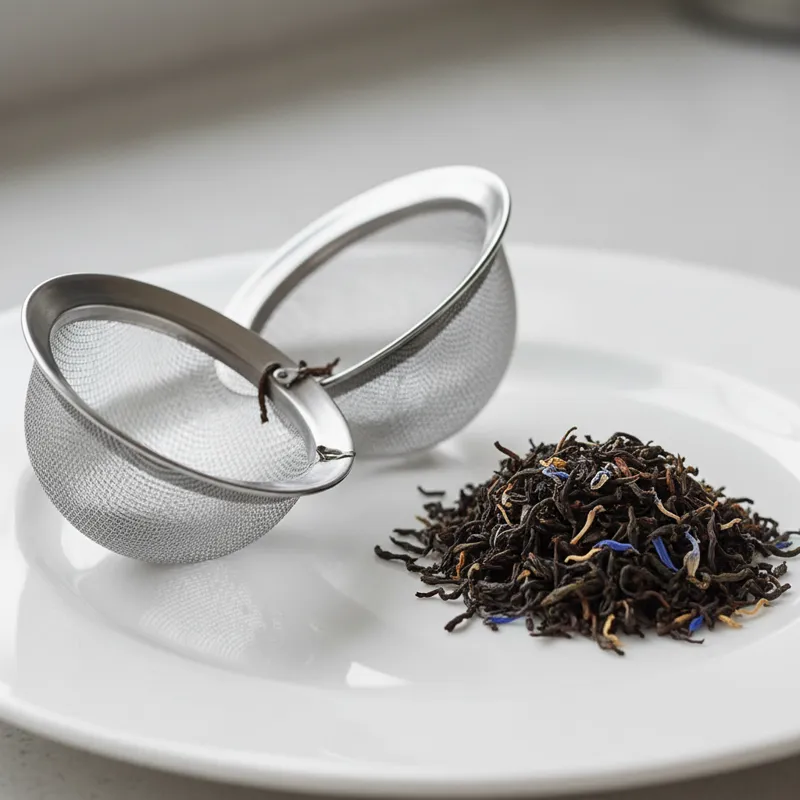
At its core, a tea ball is a type of tea infuser designed to hold loose tea leaves while they steep in hot water. Its primary job is to contain the leaves so you don’t end up with a mouthful of them, while still allowing water to circulate freely and extract flavor, aroma, and color. Most are spherical and made of stainless steel mesh, hinged in the middle, and held together by a small clasp. A short chain with a hook at the end allows you to dangle it in your mug and retrieve it easily when the tea is ready.
While the classic sphere is the most common design, the term “tea ball” is often used more broadly to include similar small, enclosed infusers like spoon-shaped, heart-shaped, or novelty silicone steepers. They all operate on the same principle: confining the tea leaves within a small chamber.
This simple mechanism is what makes it so popular for beginners. It’s an intuitive, single-serving solution that bridges the gap between the pre-packaged teabag and more complex brewing methods. But as we’ll see, that same elegant simplicity is also its biggest weakness.
Why You Should (and Shouldn’t) Use a Tea Ball
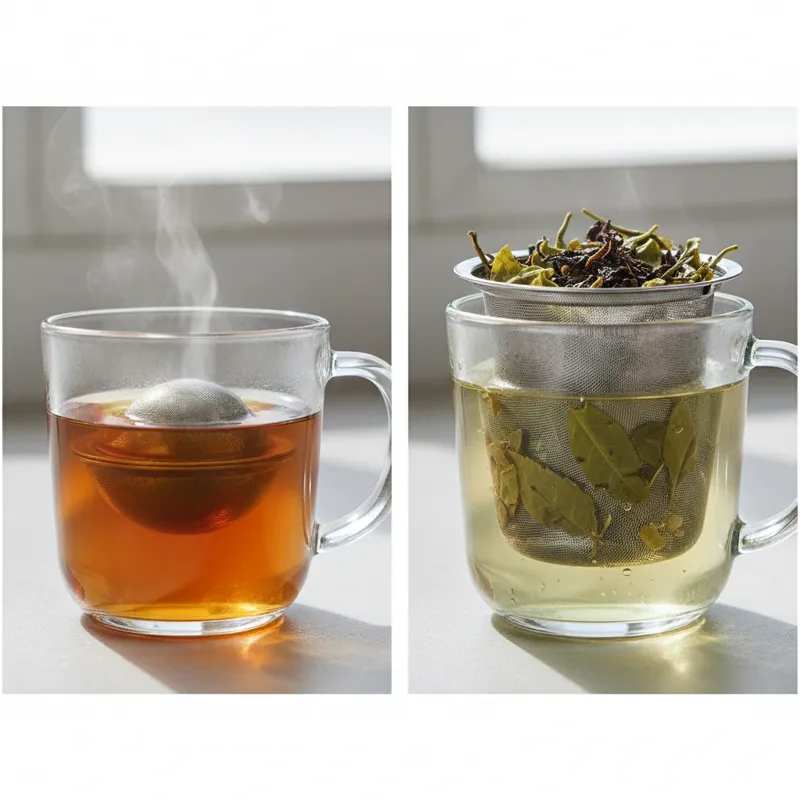
A tea ball is a tool, and like any tool, it has situations where it excels and others where it falls short. Knowing when to use it is key.
The Pros: When a Tea Ball Is the Perfect Choice
- Unbeatable Convenience: For a single cup of tea, it’s hard to beat the speed. Fill, clasp, steep, and remove. The cleanup is usually just a quick rinse.
- Cost-Effective: A basic, high-quality stainless steel tea ball is one of the most affordable pieces of tea hardware you can buy, often costing just a few dollars.
- Reduces Waste: It’s a durable, reusable alternative to disposable tea bags, which is a significant environmental and long-term cost benefit.
- Ideal for Certain Teas: It works very well for teas with small, broken leaves that don’t need much room to expand. Think strong black teas like English Breakfast, Irish Breakfast, or many CTC (Crush, Tear, Curl) grade Assam teas. It’s also suitable for many finely chopped herbal tisanes like peppermint or chamomile.
The Cons: The Hidden Drawbacks
- Restricted Leaf Expansion: This is the single most critical flaw. High-quality tea is often made of whole or large pieces of leaves. During steeping, these leaves need to absorb water and unfurl completely to release their full spectrum of complex flavors. A cramped tea ball physically prevents this, acting like a cage. The result is an under-extracted, often one-dimensional brew.
- The “Dust” Problem: The perforations or mesh on many tea balls, especially cheaper ones, can be large enough to let small particles of tea (called “fannings” or “dust”) escape into your cup, creating a gritty sediment at the bottom.
- Not for a Crowd: Most tea balls are far too small to brew a proper pot of tea. Using one in a teapot will almost always result in a disappointingly weak brew because the ratio of tea-to-water-to-space is wrong.
Choosing the Right Tea Ball: A Buyer’s Guide for 2026
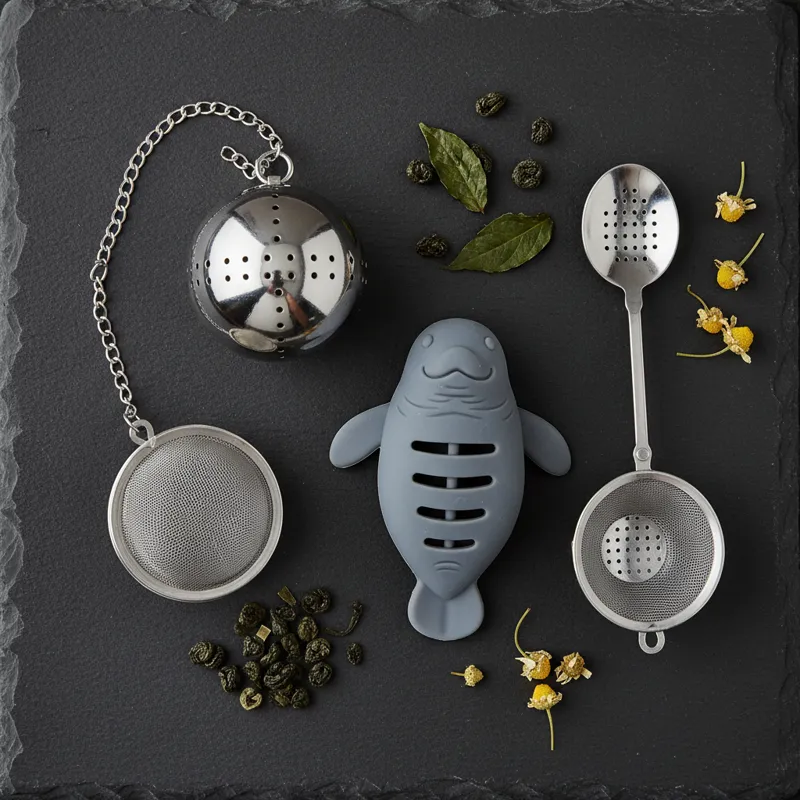
If you’ve decided a tea ball fits your routine, selecting a good one is crucial. The market is flooded with options, but focusing on a few key features will ensure you get a tool that works well and lasts for years.
Material Matters: Stainless Steel vs. Silicone
The material your infuser is made from directly impacts durability and, potentially, the taste of your tea.
Stainless Steel: This is the gold standard for a reason. It’s durable, easy to clean, and non-reactive, meaning it won’t rust or impart any metallic taste to your tea. Look for food-grade stainless steel, typically labeled as 304 (also known as 18/8) or 316. You’ll encounter two main types:
- Mesh: Woven steel wire creates a fine screen. This is excellent for preventing smaller tea particles from escaping, making it a great choice for rooibos or finer black teas.
- Perforated: A solid piece of steel with small holes punched in it. These are often sturdier and less prone to denting than mesh, but the holes can be larger, allowing more sediment through.
Silicone: Often used for novelty tea steeper reviews, these infusers come in playful shapes and bright colors. While fun, they require a bit more scrutiny. Ensure it’s 100% food-grade, BPA-free silicone. The main drawback is that silicone is slightly porous and can sometimes absorb the aromas of stronger teas, like smoky Lapsang Souchong or heavily scented Earl Grey, which can then “ghost” into your next, more delicate brew. A high-quality stainless steel infuser won’t have this problem.
Size and Shape: The Most Overlooked Feature
When it comes to a tea ball, bigger is always better. The goal is to mitigate the core problem of restricted leaf expansion. A larger sphere provides more room for the leaves to breathe.
For a standard 8-10 ounce mug, look for a tea ball that is at least 2 inches in diameter. Anything smaller should be reserved for very fine, non-expanding herbal teas. The shape is less critical than the internal volume, but a simple sphere is often the most efficient and easiest to clean.
The Clasp and Chain Mechanism
This is a small detail that can become a daily annoyance. There are two common closure types:
- Clasp: A simple hinged clip that holds the two halves together. It’s fast and easy to use, but on cheaper models, it can weaken over time and pop open unexpectedly, releasing a flood of leaves into your mug.
- Screw-Top: The two halves screw together. This is far more secure and will never open accidentally. The trade-off is that it can be a bit more fiddly to open and close, especially when hot.
Also, check the chain. Is it long enough to work with your tallest travel mug? Does the hook on the end easily latch onto the rim of your cup without falling in? These practical considerations make a big difference in daily use.
How to Use a Tea Ball Correctly (And Avoid a Weak, Dusty Brew)
Using a tea ball seems self-explanatory, but a few refinements to your technique can dramatically improve your results.
- Choose the Right Tea: As mentioned, a tea ball is best for broken-leaf black teas or herbal tisanes. Avoid using it for delicate, large-leaf teas like a Silver Needle white tea or a premium Dragon Well green tea. You simply won’t get your money’s worth from those leaves.
- Observe the Golden Rule: Don’t Overfill. This is the most common mistake. Fill the tea ball no more than halfway, or two-thirds at the absolute maximum. The tea leaves may look small when dry, but they can swell to several times their original size. They need that empty space to expand into.
- Secure the Latch: Double-check that the clasp is firmly shut or the top is screwed on tight. An accidental opening is messy and ruins the cup.
- Warm Your Mug: Before you do anything else, pour a little hot water into your mug, swirl it around, and dump it out. This simple step prevents the cold ceramic from “shocking” your brewing water and lowering the temperature, leading to better extraction.
- Use the Correct Water Temperature: Different teas require different water temperatures for optimal brewing. For instance, boiling water (212°F / 100°C) is great for black and herbal teas, but it will scald delicate green teas, making them bitter. For them, you need cooler water (around 175°F / 80°C). A quick search for a tea steeping temperature guide will provide all the specifics.
- Steep and Swish: Submerge the tea ball in the hot water. Give it a gentle swish or two to ensure all the leaves get saturated quickly and begin to unfurl. Then, let it be. Don’t jiggle it constantly, as that can release more of the bitter-tasting tannins.
- Remove Promptly: Set a timer. Over-steeping is a primary cause of bitter tea. When the time is up, remove the tea ball and place it on a small saucer. Presenting your tea on a simple wooden serving tray can turn this simple moment into a more mindful ritual.
The Unspoken Problem with Tea Balls: What People Get Wrong
The single biggest misunderstanding about the tea ball is failing to appreciate the physics of leaf expansion. Tea enthusiasts often graduate from tea balls not because they are snobs, but because they have observed the dramatic difference in the final product.
Think of a dry tea leaf as a tightly folded piece of origami. To see the full design, you need to unfold it completely. Hot water is what triggers this unfolding. When the leaf is trapped in a tiny metal sphere, it can only open partially. All the complex aromatic oils and flavor compounds trapped in the center of that “origami” never get released into the water. You’re essentially tasting only the outer layers of the leaf.
This is why tea brewed in a larger infuser or directly in a pot and then strained often tastes more nuanced, sweeter, and less astringent. It’s not magic; it’s just mechanics. The water has had full contact with the entire surface area of the fully hydrated leaf. The tea ball, by its very nature, is a compromise of convenience over quality in this regard.
Cleaning and Maintenance: Keeping Your Infuser Pristine
Proper cleaning is essential for longevity and ensuring no old flavors contaminate your next cup. Luckily, it’s easy.
The Immediate Rinse: The best and easiest method is to empty the leaves and rinse the tea ball under hot water immediately after use. Do this before the leaves have a chance to dry and cement themselves into the mesh. A quick tap on the side of your compost bin should dislodge most of them.
For a Deeper Clean: Over time, tea tannins can leave a brownish, oily stain on the steel. To remove this, create a paste with baking soda and a little water. Use a small brush or your fingers to gently scrub the infuser. The mild abrasive action of the baking soda will lift the stains without scratching the metal.
For a no-scrub option, you can soak the tea ball for a few hours in a solution of equal parts white vinegar and water, or in a specialized cleaning solution designed for coffee and tea equipment. Rinse thoroughly afterward.
Drying is Key: After washing, let your tea ball air dry completely before storing it. Trapped moisture, especially in the hinge or clasp, can lead to issues over time. After drying, you can store it in a clean drawer, ready for your next cup. This attention to hygiene is important in the kitchen, just as using a protective table food cover is vital for keeping prepared foods safe.
Beyond the Ball: When to “Graduate” to Other Infusers
The tea ball is a fantastic starting point, but if you find yourself getting serious about exploring the nuances of fine tea, you will eventually want to upgrade.
The single best next step for any tea drinker is a basket-style infuser. These are cylinder-shaped infusers with a very fine mesh and a wide lid. They sit inside your mug, offering the same single-serving convenience as a tea ball but with a massive increase in internal volume. They give your tea leaves all the room they could ever want to expand, resulting in a brew that is nearly identical in quality to brewing loose in a teapot. Many tea experts, like those who review for publications like Forbes’ lifestyle section, often recommend these as the best all-around steeper for mugs.
Other options include teapots with large, built-in infuser baskets or even using a French press, which works wonderfully for brewing larger quantities of tea for a group. Serving tea to guests can be a wonderful occasion, especially when presented nicely on a multi-level tiered serving tray with some accompanying pastries.
Answering Your Questions: Tea Ball FAQs
- What’s the best tea steeper for mugs?
- For absolute brew quality, a large basket infuser is the undisputed winner. It provides the most space for leaf expansion. For convenience and for use with non-expanding teas, a large (2-inch+) stainless steel tea ball is an excellent and affordable option.
- Are novelty silicone tea steepers any good?
- They can be! They are fun and make great gifts. However, they often prioritize form over function. Many are too small, leading to the under-extraction issues we’ve discussed. They can also be harder to clean than a simple steel sphere and may retain odors from strong teas. For a daily-use tool, stainless steel is generally more practical.
- Why is my tea weak when I use a tea ball?
- This is almost always due to one of three things: 1) You’ve overfilled the ball, and the leaves have no room to expand and release their flavor. 2) The ball itself is too small for the amount of tea you’re trying to brew. 3) You’re not using enough tea leaves for the volume of water.
- Can you put coffee grounds in a tea ball?
- It’s not recommended. Coffee requires different extraction principles (pressure or consistent drip-through). The mesh on a tea ball is too coarse for most coffee grinds, which would just flow through and create a muddy mess. Stick to using it for tea.
- How long does a stainless steel mesh infuser last?
- With proper care—rinsing after each use and allowing it to dry completely—a well-made stainless steel infuser can last for many, many years. It’s one of the most durable and long-lasting pieces of kitchen equipment you can own.


