
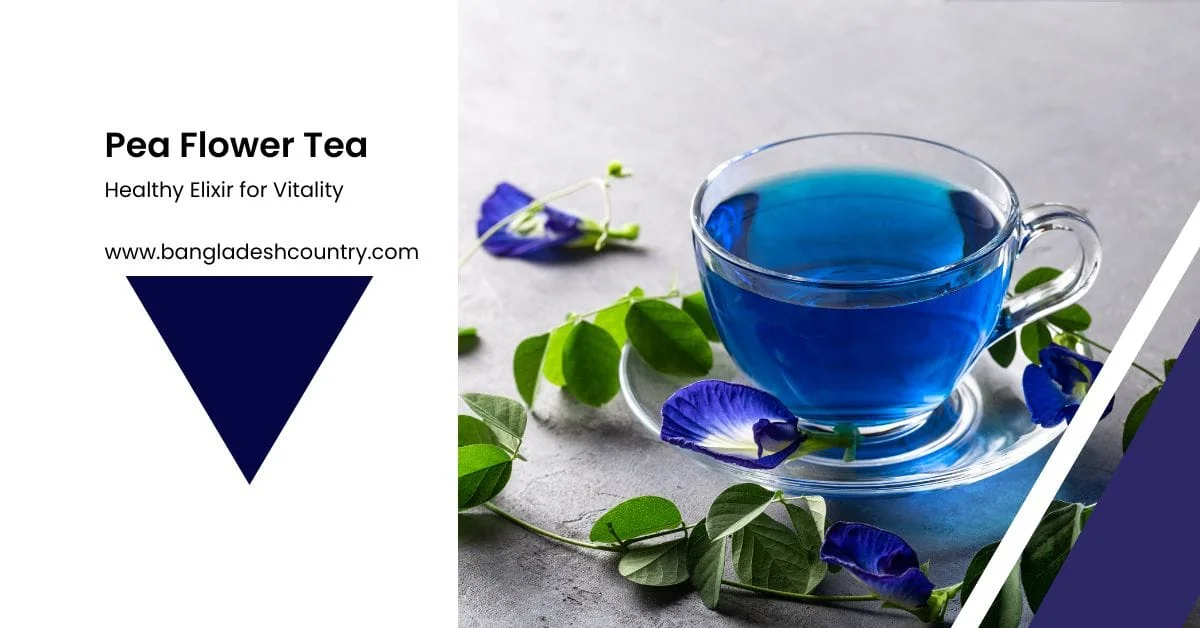
You’ve probably seen it on social media: a mesmerizing blue drink that, with a squeeze of lemon, magically shifts to a vibrant violet or deep magenta. It looks like something from a fantasy novel, but it’s completely natural. This is Pea Flower Tea, an herbal infusion that’s as captivating to watch as it is intriguing to drink. For years, it was a hidden gem of Southeast Asian cuisine and traditional medicine, but in 2026, it has firmly planted itself in the modern wellness pantry. It offers a unique combination of visual wonder, caffeine-free calm, and a host of potential health benefits that go far beyond its stunning appearance.
But what is it, really? And do the wellness claims hold up to scrutiny? This guide breaks down everything you need to know about this brilliant blue elixir—from the science behind its color-changing trick to its legitimate health benefits and the best ways to prepare it at home. It’s more than just a pretty drink; it’s a versatile ingredient for anyone interested in functional, beautiful beverages.
What Exactly Is Pea Flower Tea?
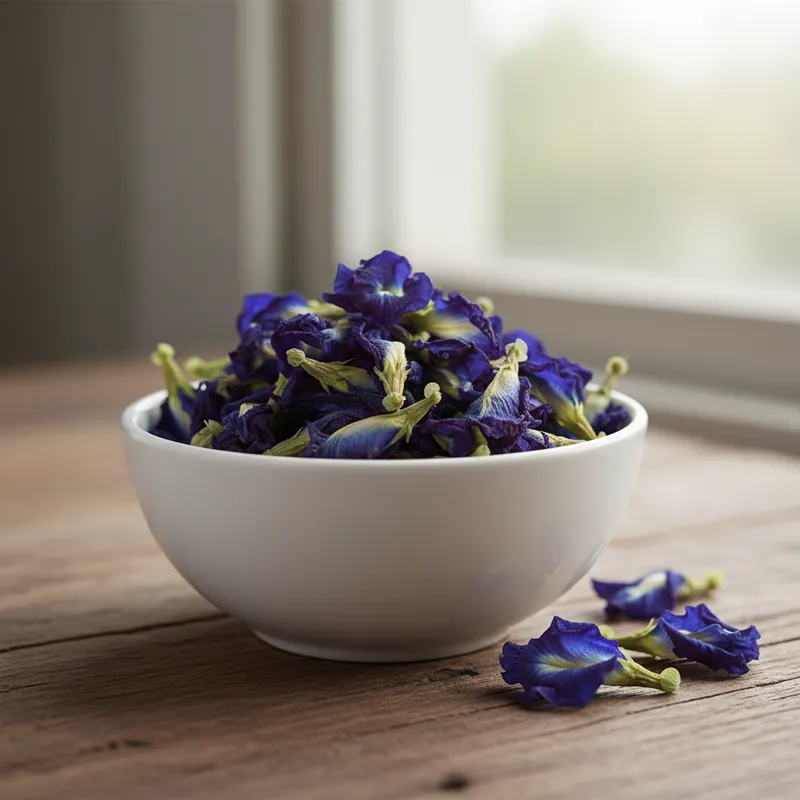
Pea Flower Tea, also known as Butterfly Pea Tea or its traditional Thai name, nam dok anchan, is an herbal, caffeine-free infusion made from the dried flowers of the Clitoria ternatea plant. Native to Southeast Asia, this vibrant plant has been used for centuries not just for tea, but also as a natural food dye for everything from rice dishes to desserts.
The plant itself is a fascinating vine with brilliant blue flowers whose shape, to some, resembles female genitalia, hence its slightly awkward botanical name, Clitoria ternatea. The flowers are harvested and dried to preserve their potent color and beneficial compounds.
When you brew these dried flowers, they release a deep, almost unnaturally vivid blue pigment into the water. Unlike many herbal teas that have bold, assertive flavors, the taste of pure Pea Flower Tea is surprisingly subtle. Most people describe it as earthy and woody, with a faint floral note, similar to a very light, unsweetened green tea but without any of the bitterness or astringency. Its mild flavor profile makes it an excellent base for other ingredients, as it readily absorbs the tastes of whatever you add to it.
The Science Behind the Color-Changing Magic
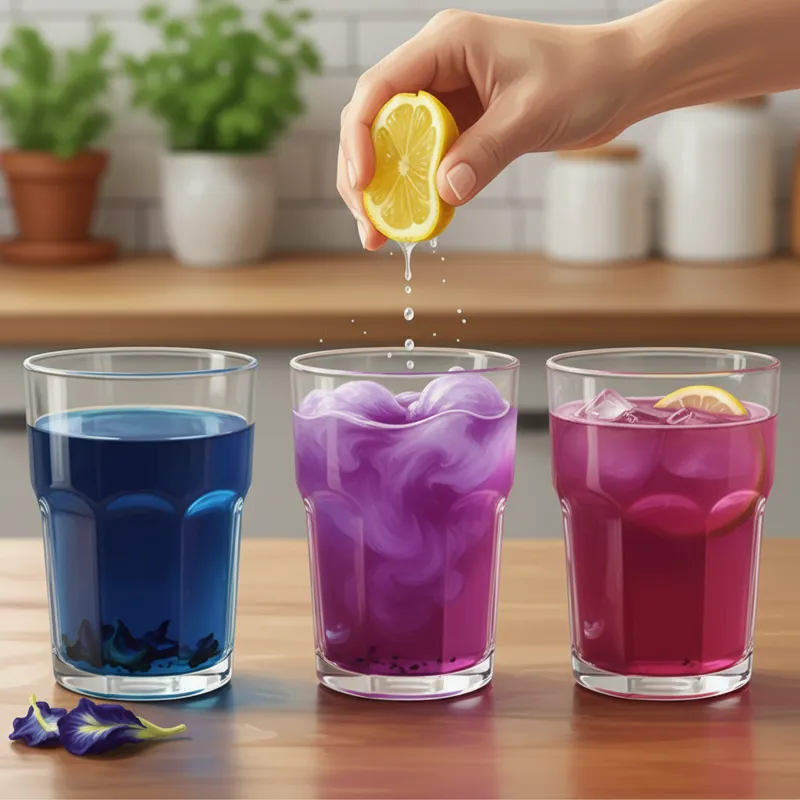
The signature color-changing effect isn’t a gimmick; it’s a fascinating display of basic chemistry. The phenomenon is thanks to a class of powerful antioxidant pigments in the flowers called anthocyanins. These are the same compounds that give blueberries, red cabbage, and blackberries their rich colors.
Here’s the breakdown:
- The Base Color (Blue): In neutral or alkaline conditions (like plain water, which has a pH around 7), the specific anthocyanins in butterfly pea flowers (called ternatins) are structurally stable and reflect blue light, giving the tea its iconic cobalt hue.
- The Acidic Trigger (Purple/Pink): When you introduce an acid—like citric acid from a lemon, lime, or even hibiscus—you lower the pH of the tea. This change in acidity alters the molecular structure of the anthocyanin pigments.
- The New Color: This altered molecular structure absorbs blue light and reflects red and violet light instead. The result is a visual shift from deep blue to a brilliant purple or fuchsia, depending on the final pH level. More acid means a lower pH and a pinker hue.
You’re essentially using your tea as a natural litmus test. It’s a simple, reliable reaction that demonstrates how sensitive these plant compounds are to their environment. This is why you can create a whole spectrum of colors using different ingredients with varying acidity levels.
Potential Wellness Benefits: A Grounded Look
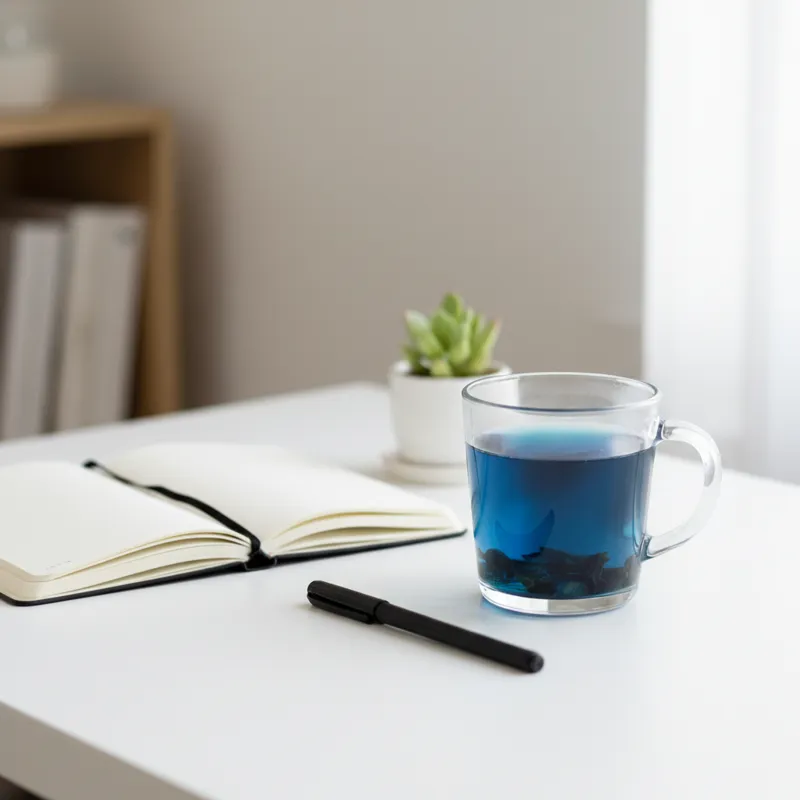
Beyond its visual appeal, Pea Flower Tea is traditionally valued for its wellness properties. Modern science is beginning to explore these uses, and while much of the research is still preliminary (often in lab or animal studies), the findings point toward several promising areas. It’s important to approach these benefits with a realistic perspective—this is a supportive herbal tea, not a miracle cure.
Disclaimer: This information is for educational purposes only and is not a substitute for professional medical advice. Always consult with a healthcare provider before adding new herbal supplements to your routine, especially if you are pregnant, nursing, or have a pre-existing medical condition.
Rich in Powerful Antioxidants
This is the most well-supported benefit. The deep blue color is a direct indicator of the tea’s high concentration of anthocyanins. These compounds are potent antioxidants that help the body combat oxidative stress caused by free radicals—unstable molecules that can damage cells and contribute to aging and various health issues. As noted by the National Center for Complementary and Integrative Health, a diet rich in antioxidants from plants is crucial for overall health.
Potential Nootropic and Anxiolytic Effects
Traditionally, Clitoria ternatea was used as a brain tonic to enhance memory and reduce stress. Some early research suggests it may increase levels of acetylcholine, a neurotransmitter essential for learning and memory. This potential makes it an interesting beverage for cognitive support. While it doesn’t provide the sharp jolt of caffeine, users often report a sense of calm focus. While pea flower tea offers gentle cognitive support, those exploring morning rituals with a more direct focus might be interested in the ingredients found in some functional mushroom coffees.
Supports Skin Health
The antioxidants in butterfly pea flowers, particularly flavonoids, can help support skin health from the inside out. By neutralizing free radicals, they can help protect collagen—the protein that gives skin its elasticity—from degradation. Some studies have also explored its ability to promote skin hydration. This has led to its inclusion in a growing number of skincare products, but drinking the tea allows you to reap the benefits systemically.
What Most People Get Wrong About Blue Tea
As Pea Flower Tea has grown in popularity, a few misconceptions have followed. Clearing these up helps you appreciate it for what it truly is.
1. The Flavor Expectation. The number one thing people get wrong is assuming the flavor will be as loud as the color. They expect something sweet, fruity, or intensely floral like hibiscus. In reality, its taste is very mild and earthy. Think of it as a blank canvas. It won’t overpower other ingredients, which is why it’s so perfect for lemonades, lattes, and cocktails where you want to add other flavors.
2. It’s Not a “Detox” Miracle. The word “detox” is a marketing buzzword that has little scientific meaning. While Pea Flower Tea is hydrating and packed with beneficial antioxidants, it doesn’t “cleanse” your body. Your liver and kidneys are your body’s highly effective, built-in detoxification systems. Drinking this tea can support your overall health and hydration, which helps those systems function optimally, but it’s not a magic eraser for unhealthy choices.
3. It is Entirely Caffeine-Free. Because we call it “tea,” many people assume it contains caffeine like black or green tea. Pea Flower Tea is a tisane, or herbal infusion, made from a flower, not the Camellia sinensis plant. This makes it an excellent choice for any time of day, especially in the evening when you want a warm, calming ritual without disrupting your sleep.
How to Brew the Perfect Cup (and Beyond)
This is where the fun begins. The versatility of Pea Flower Tea is one of its greatest strengths. Whether you use the whole dried flowers or the convenient powder, you can create a wide range of stunning beverages.
The Classic Brew: Hot and Iced
This is the simplest way to enjoy it. The key is to not scorch the delicate flowers.
- Measure: Use about 5-7 dried flowers per 8-ounce cup of water.
- Heat Water: Bring your water to a near boil, then let it cool for a minute (around 200°F or 93°C is ideal).
- Steep: Pour the hot water over the flowers and let them steep for 5-7 minutes. The longer you steep, the deeper the blue color will become.
- Strain and Serve: Strain out the flowers and enjoy it hot, perhaps with a touch of honey. For iced tea, let it cool to room temperature before pouring over ice to avoid diluting it too much.
The “Galaxy” Lemonade Recipe
This is the showstopper that made the tea famous online. The trick is to layer the liquids.
- Step 1: Brew a concentrated batch of Pea Flower Tea and let it chill completely.
- Step 2: In a tall glass, add ice and your favorite lemonade (or a simple mix of lemon juice, water, and sweetener) until the glass is about two-thirds full.
- Step 3: Slowly and gently pour the chilled blue tea over the back of a spoon onto the top of the lemonade. The density difference will create a beautiful layered effect with blue on top and yellow on the bottom.
- Step 4: Serve with a stirrer and let the person enjoying it mix the layers to watch the color transform into a vibrant purple. Preparing this is half the fun; serving it is the other. Imagine placing a clear glass pitcher of it on a modern nesting coffee table for guests—it’s an instant conversation starter.
Creamy Blue Moon Latte
For this, butterfly pea powder is superior to the flowers as it dissolves smoothly.
- Step 1: In a mug, mix 1/2 to 1 teaspoon of butterfly pea powder with a splash of hot water to form a smooth, lump-free paste.
- Step 2: Add your preferred sweetener (honey, maple syrup, or agave work well). For a truly decadent twist, a hint of chocolate syrup can pair surprisingly well with the earthy notes, much like the balanced treat of chocolate-covered coffee beans.
- Step 3: Heat and froth your milk of choice (dairy, oat, and almond are all great options).
- Step 4: Pour the frothed milk into the mug with the blue paste. You can even try your hand at latte art. Garnish with a sprinkle of cinnamon if you like.
Where to Find Quality Pea Flower Tea in 2026
Finding high-quality Clitoria ternatea is easier than ever. You’ll primarily find it in two forms, each with its own best uses.
Dried Flowers vs. Powder
- Whole Dried Flowers: Best for clear infusions like hot tea, iced tea, and cocktails. They release their color cleanly into the liquid. Look for whole, unbroken flowers with a deep, vibrant blue-purple color. Faded, brownish flowers are a sign of age or poor storage and will yield a less vibrant tea.
- Powder: This is simply the dried flowers ground into a fine powder. It’s the best choice for lattes, smoothies, baked goods, and frostings where you want to incorporate the color directly into the mixture without having to strain anything. A little goes a long way.
What to Look For When Buying
When you’re looking to buy blue tea online or in stores, prioritize brands that specify “organic” to ensure you’re not getting flowers treated with pesticides. Specialty online tea retailers, large e-commerce sites like Amazon, and well-stocked health food or Asian markets are your best bets. Reading recent reviews can give you a good sense of the product’s color vibrancy and quality before you commit.
Frequently Asked Questions (FAQ)
What does pea flower tea taste like?
It has a very mild, earthy, and slightly woody flavor, often compared to an extremely light green tea without any bitterness. Its subtle taste makes it a great base for adding other flavors like citrus, honey, or spices.
Is butterfly pea tea safe to drink every day?
For most people, it is considered safe for daily consumption in moderation. However, there is limited research on its long-term effects. As with any herbal product, if you have health concerns or are on medication, it’s best to consult your doctor.
Does it have caffeine?
No, Pea Flower Tea is completely caffeine-free. It is an herbal tisane made from flowers, not the traditional tea plant, making it suitable for any time of day.
How do you make the tea change color?
You trigger the color change by adding an acid. The most common way is to squeeze in lemon or lime juice. This lowers the tea’s pH, causing its natural pigments to shift from blue to purple or magenta.


