
Hearing your stomach rumble or gurgle is a common, often unremarkable part of daily life. From the audible protest of hunger to the gentle whirs of digestion, these internal sounds are a constant backdrop to our bodily functions. It’s natural, then, to wonder if these noises could ever signal something more serious, especially when concerns about conditions like bowel cancer arise. The internet is awash with questions like, “Are unusual stomach noises a symptom of bowel cancer?” It’s a valid concern, particularly for those attuned to their body’s signals. Understanding the mechanics behind these sounds, and critically, what changes might warrant attention, is key to dispelling anxiety and prompting necessary medical consultation.
The Symphony of Your Gut: Borborygmi Explained
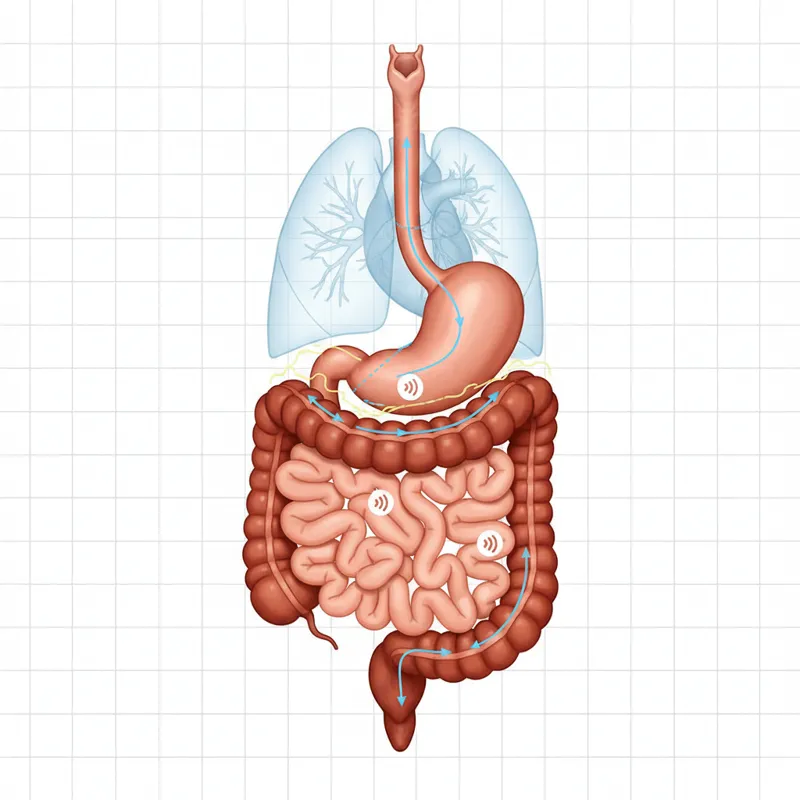
Your digestive system is a remarkably active place, constantly working to process food, absorb nutrients, and eliminate waste. The sounds you hear emanating from your abdomen, often referred to medically as borborygmi, are simply the audible evidence of this activity. They’re produced by the movement of gas and fluid through your intestines as the muscles contract and relax to propel contents forward—a process called peristalsis. Think of your digestive tract as a long, muscular tube. When gas bubbles and liquid move through this tube, especially through narrow sections or when there’s a good amount of air, it creates sloshing, gurgling, and rumbling sounds. These sounds are perfectly normal and signify that your gut is doing its job. They vary in volume, frequency, and character based on what you’ve eaten, how much air you’ve swallowed, and your level of hunger.
Are Bowel Cancer Stomach Noises a Specific Symptom? The Direct Answer
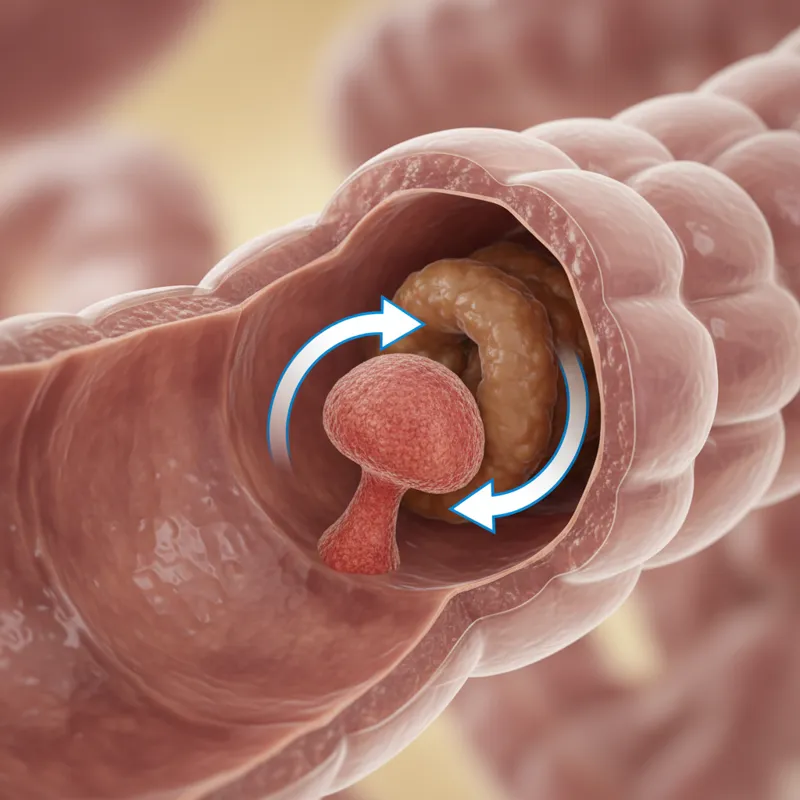
To directly address the core question: there isn’t a single, distinctive “bowel cancer stomach noise” that serves as a diagnostic indicator. Unlike a cough that might signal a respiratory infection or a sharp pain pointing to appendicitis, bowel cancer doesn’t typically manifest with a unique gurgle or rumble. However, this doesn’t mean that unusual or changed stomach noises are entirely irrelevant. The presence of bowel cancer, particularly as it progresses, can indirectly affect digestive processes and, consequently, the sounds your gut produces. The critical distinction lies in understanding that the sound itself isn’t the symptom of cancer; rather, it’s a change in the pattern or character of these sounds, especially when accompanied by other specific symptoms, that warrants investigation. These changes often relate to how a tumor might obstruct the normal passage of food and waste, alter gut motility, or cause inflammation.
How Bowel Cancer Can Indirectly Influence Digestive Sounds
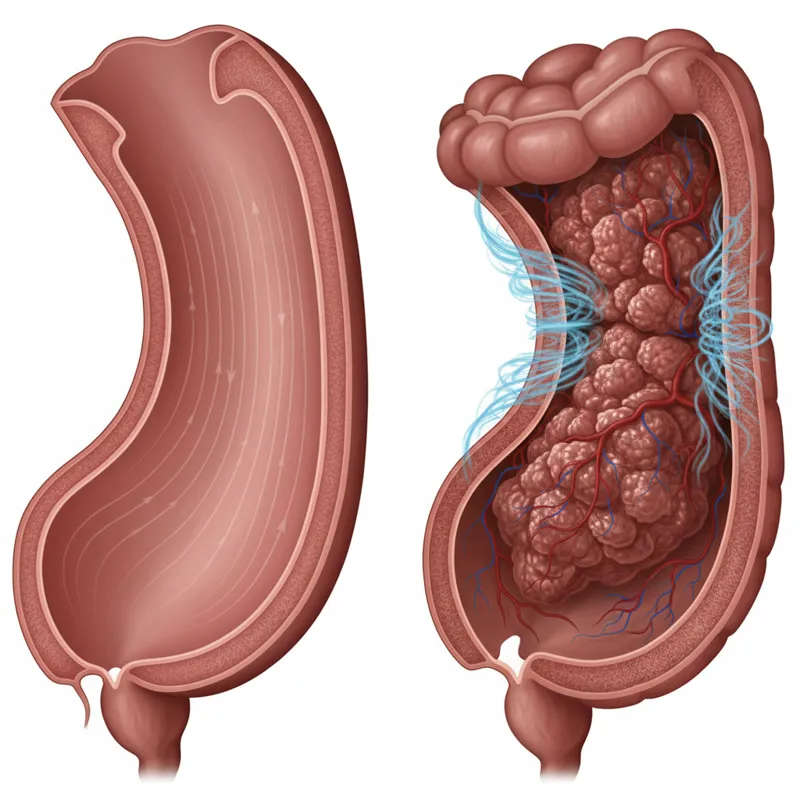
Bowel cancer, also known as colorectal cancer, primarily affects the large intestine. As a tumor grows within the colon or rectum, it can create several issues that might alter the usual digestive soundscape:1. Partial Obstruction: A growing tumor can partially block the passage through the intestine. When food, fluid, and gas attempt to pass through this narrowed segment, they can create louder, more forceful, or different-sounding gurgles and rumbling as the gut muscles work harder to push contents past the obstruction. This is often described as hyperactive bowel sounds or a “growling” sensation, though it’s important to differentiate from normal hunger pangs.2. Altered Motility: The presence of a tumor or associated inflammation can disrupt the normal rhythmic contractions of the bowel. This can lead to areas where contents slow down, causing build-up, or areas where contractions become spastic and irregular, both of which can lead to unusual noises.3. Gas Accumulation: Obstruction can lead to a build-up of gas proximal to the tumor, resulting in increased bloating and potentially louder, more frequent bowel noises as the gas struggles to move past the blockage.4. Blood and Mucus: While not directly causing sounds, the presence of blood or excessive mucus due to the tumor can alter the consistency of stool and intestinal contents, which in turn might influence how sounds are produced as these materials move through the gut. It’s crucial to understand that these changes in bowel sounds are rarely isolated. They almost always occur in conjunction with other, more definitive symptoms of bowel cancer.
Common & Benign Causes of Unusual Stomach Noises
Before we delve deeper into red flags, it’s essential to remember that most instances of loud or unusual stomach noises are benign. Your gut is a sensitive organ, and many everyday factors can influence its acoustic performance:
- Hunger: This is perhaps the most common and well-known cause. When your stomach has been empty for a while, it sends signals to the brain, and the muscles contract in anticipation of food, creating those familiar growls.
- Dietary Choices: Eating certain foods can lead to increased gas production, which naturally results in more noticeable sounds. This includes high-fiber foods, legumes, cruciferous vegetables (like broccoli and cabbage), and carbonated drinks. Lactose intolerance or sensitivities to specific ingredients can also cause excess gas and gurgling. Incorporating diverse healthful ingredients, perhaps even exploring options like safflower seeds or perilla seeds into your diet for their nutritional benefits, can sometimes lead to temporary digestive adjustments, though usually benign.
- Swallowing Air: Eating or drinking too quickly, chewing gum, or talking while eating can lead you to swallow excess air, which then travels through your digestive tract, contributing to noises.
- Indigestion or Acid Reflux: These common conditions can cause discomfort and altered gut motility, leading to various sounds.
- Irritable Bowel Syndrome (IBS): A functional gastrointestinal disorder, IBS is characterized by abdominal pain, bloating, gas, and changes in bowel habits. Increased and sometimes loud bowel sounds are a common feature of IBS.
- Stress and Anxiety: Your gut and brain are intimately connected. Stress can significantly impact digestion, often leading to increased gut motility and more prominent noises.
- Normal Digestion: Simply the process of breaking down and moving food can generate a range of sounds, especially after a large meal.
Red Flags: When to Be Concerned About Bowel Cancer Stomach Noises
While isolated stomach noises are usually harmless, it’s the pattern, persistence, and presence of accompanying symptoms that should prompt medical evaluation. If you notice new, persistent, or significantly changed bowel sounds, especially when combined with any of the following, don’t delay in speaking with a healthcare professional:1. Persistent Change in Bowel Habits: This is one of the most significant red flags. It includes:
- Diarrhea or constipation that lasts for more than a few days or weeks.
- Changes in the consistency of your stool (e.g., narrower or pencil-thin stools).
- A feeling of incomplete bowel evacuation.2. Rectal Bleeding or Blood in Stool: Bright red blood on toilet paper or in the toilet, or dark, tarry stools (indicating digested blood), are serious signs that require immediate medical attention.3. Unexplained Weight Loss: Losing weight without trying through diet or exercise can be a symptom of many underlying health issues, including cancer.4. Persistent Abdominal Discomfort: Cramps, gas, or pain that doesn’t go away and is new or worsening.5. Persistent Fatigue and Weakness: Bowel cancer can cause iron-deficiency anemia due to chronic blood loss, leading to tiredness and weakness.6. Feeling of a Mass: In rare cases, especially with larger tumors, you might feel a lump in your abdomen.7. Signs of Bowel Obstruction: This is a medical emergency. Symptoms include severe abdominal pain and cramping, persistent vomiting, severe bloating, and an inability to pass gas or stool. If you experience these, seek emergency care. The combination of persistent, unusual bowel cancer stomach noises with one or more of these symptoms elevates the concern significantly. It’s not about a single gurgle, but about a shift in your body’s baseline and the emergence of a cluster of issues.
What Most People Get Wrong About Digestive Symptoms
Many people, even smart and health-conscious individuals, often misinterpret or dismiss digestive symptoms. This can lead to delays in diagnosis and treatment, which is particularly concerning for conditions like bowel cancer where early detection dramatically improves outcomes. Here are some common pitfalls:
- Dismissing Symptoms as “Normal Aging” or “Just Stress”: While digestive changes can occur with age or stress, attributing every new symptom to these factors without medical evaluation can be dangerous. A persistent change is never “just” something.
- Self-Diagnosing Based on Isolated Symptoms: Focusing on just one symptom, like a rumbling stomach, and trying to find its cause in isolation is often unhelpful. Medical professionals look at the complete picture of your health, symptoms, medical history, and lifestyle.
- Attributing All Gut Issues to Diet: While diet plays a huge role in gut health, not every persistent digestive issue can be fixed with dietary changes alone. Conditions like celiac disease, inflammatory bowel disease, and, yes, cancer, require medical intervention beyond simple food adjustments.
- Waiting Too Long to See a Doctor: This is perhaps the most critical mistake. Many people wait weeks or months hoping symptoms will resolve on their own. For bowel cancer, every month counts. If a symptom is new, persistent (lasting more than a couple of weeks), or concerning, it warrants a doctor’s visit. Early screening and awareness are vital. According to the American Cancer Society, regular screening can detect polyps before they become cancerous or find cancer early when it’s most treatable.
- Underestimating the Role of Screening: Many individuals, especially those under 50, might think they are not at risk. However, colorectal cancer incidence is increasing in younger adults, making awareness of symptoms and understanding family history even more important. The CDC recommends screenings starting at age 45 for most people.
Proactive Steps for Gut Health and Early Detection
Maintaining good general health is your best defense against many conditions, including certain types of cancer. While proactive steps can’t guarantee you won’t develop bowel cancer, they can certainly reduce your risk and improve your overall well-being.
- Balanced Diet: Emphasize a diet rich in fruits, vegetables, and whole grains. These provide fiber, which is crucial for healthy bowel function and can reduce your risk of colorectal cancer. Limit red and processed meats.
- Stay Hydrated: Drinking plenty of water helps keep your digestive system running smoothly and prevents constipation.
- Regular Physical Activity: Exercise helps maintain a healthy weight, improves gut motility, and can lower your cancer risk.
- Maintain a Healthy Weight: Obesity is a known risk factor for several cancers, including colorectal cancer.
- Limit Alcohol and Avoid Smoking: Both are significant risk factors for various cancers.
- Manage Stress: Chronic stress can impact your digestive system. Techniques like meditation, yoga, or even simple daily routines can help. Just as a good toothpaste dispenser encourages a consistent oral hygiene routine, establishing reliable habits for stress reduction and wellness contributes significantly to overall health.
- Regular Screenings: If you are over 45, or have a family history of colorectal cancer or other risk factors, talk to your doctor about screening options like colonoscopies. These tests are incredibly effective at finding precancerous polyps or early-stage cancers.
People Also Ask (FAQ)
Let’s address some common questions directly related to bowel cancer stomach noises and associated symptoms.
Can bowel cancer cause gurgling stomach or excessive gas?
Bowel cancer itself doesn’t directly cause a specific “gurgling sound,” but it can indirectly lead to increased gurgling or gas. If a tumor causes a partial obstruction, the digestive system may work harder to push contents through, leading to louder and more frequent noises. Gas can also build up behind an obstruction, causing bloating and more audible rumbling. It’s the change from your normal patterns, especially if persistent and accompanied by other symptoms, that is the red flag, not the gurgle in isolation.
What do bowel obstruction sounds sound like?
Bowel obstruction sounds can vary. In the early stages of a partial obstruction, you might hear very loud, high-pitched, frequent gurgling, rushing, or “tinkling” sounds as the bowel tries to push past the blockage (hyperactive bowel sounds). As the obstruction becomes more complete, or if the bowel becomes very distended and tired, these sounds might become less frequent or even absent in advanced stages. This is a serious condition often accompanied by severe pain, vomiting, and inability to pass stool or gas, requiring immediate medical attention.
Is stomach rumbling normal?
Yes, stomach rumbling (borborygmi) is very normal. It’s a natural sound produced by your digestive system as food, fluids, and gas move through your intestines. It can be caused by hunger, digestion after a meal, specific foods, or simply the normal workings of your gut. It’s usually nothing to worry about unless it’s a new, persistent, or dramatically changed pattern, especially when combined with other concerning symptoms.
What are the early warning signs of bowel cancer?
The early warning signs of bowel cancer are often subtle and can be easily dismissed. They include:
- A persistent change in bowel habits (diarrhea, constipation, or changes in stool consistency)
- Blood in your stool (bright red or very dark/tarry)
- Persistent abdominal discomfort, such as cramps, gas, or pain
- A feeling that your bowel doesn’t empty completely
- Unexplained weight loss
- Persistent fatigue or weakness (often due to anemia from blood loss)
If you experience any of these symptoms for more than a few weeks, it’s crucial to consult your doctor.
Bringing It All Together: Listening to Your Body
While the phrase “bowel cancer stomach noises” might conjure images of a specific, alarming sound, the reality is far more nuanced. There isn’t a unique sound signature for colorectal cancer. Instead, it’s about paying attention to your body’s overall patterns. Normal digestive sounds are healthy and common. However, if you notice persistent, new, or significantly changed stomach noises, especially when they are accompanied by other red flag symptoms like changes in bowel habits, blood in stool, unexplained weight loss, or persistent abdominal pain, it’s a signal to take action.
The key message here is one of awareness and proactive health management. Don’t self-diagnose based on stomach gurgles, but also don’t ignore persistent changes in your body. When in doubt, consult a healthcare professional. They are best equipped to interpret your symptoms, conduct appropriate tests, and provide an accurate diagnosis, ensuring that if anything serious is present, it’s caught as early as possible. Your health journey depends on informed decisions and timely medical input.
Disclaimer: The health and medical information on bangladeshcountry.com is provided for general informational and educational purposes only and is not a substitute for professional medical advice, diagnosis, or treatment. We are not medical professionals. Always consult with a qualified healthcare provider before making any medical decisions. Reliance on any information provided on this site is solely at your own risk.


