
In the evolving landscape of health-conscious eating, a quiet powerhouse from East Asia is making its way into kitchens and conversations across the United States: perilla seeds. Often overshadowed by flax or chia, these tiny, nutrient-dense seeds, known in Korea as deulkkae, have been a staple in traditional diets for centuries. As we navigate 2026, with a heightened focus on plant-based nutrition and sustainable superfoods, understanding the specific benefits of perilla seeds isn’t just a trend—it’s an opportunity to enrich your diet with a unique profile of essential fatty acids, antioxidants, and vital minerals. This isn’t about exotic fads; it’s about uncovering a genuinely beneficial ingredient that can support your well-being in tangible ways.
The Rising Star: What Exactly Are Perilla Seeds?
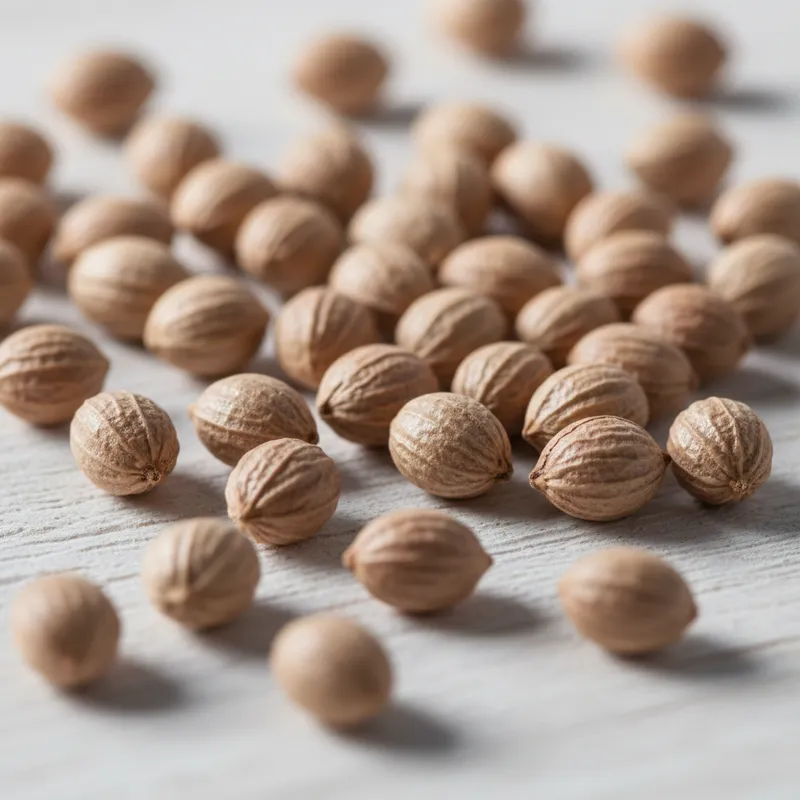
Perilla seeds come from the Perilla frutescens plant, a member of the mint family. While the leaves (often called shiso) are popular in culinary applications, the seeds themselves are the true nutritional goldmine. They possess a distinctive, somewhat nutty, earthy flavor with a hint of pepperiness when toasted and ground, making them incredibly versatile. What truly sets them apart, however, is their exceptional nutritional composition, particularly their fat profile, which offers a significant advantage for those looking to boost their intake of specific beneficial compounds.
A Nutritional Powerhouse: Understanding Perilla’s Composition
Before diving into specific benefits, it’s helpful to grasp what makes perilla seeds so special. They are remarkably rich in alpha-linolenic acid (ALA), a plant-based omega-3 fatty acid. In fact, perilla seeds boast one of the highest ALA concentrations among all plant sources, often exceeding 60% of their total fat content. This makes them a critical component for individuals seeking alternatives to marine-derived omega-3s.
Beyond ALA, perilla seeds contain:
- Dietary Fiber: Essential for digestive health and satiety.
- Minerals: Calcium, iron, magnesium, and phosphorus, crucial for bone health and metabolic functions.
- Vitamins: Including B vitamins and vitamin E.
- Polyphenols and Flavonoids: These powerful antioxidants contribute significantly to their health-promoting properties.
This comprehensive nutrient profile means that incorporating perilla seeds into your diet isn’t just about one benefit; it’s about a synergistic effect that supports multiple bodily systems.
7 Powerful Benefits of Perilla Seeds You Must Know
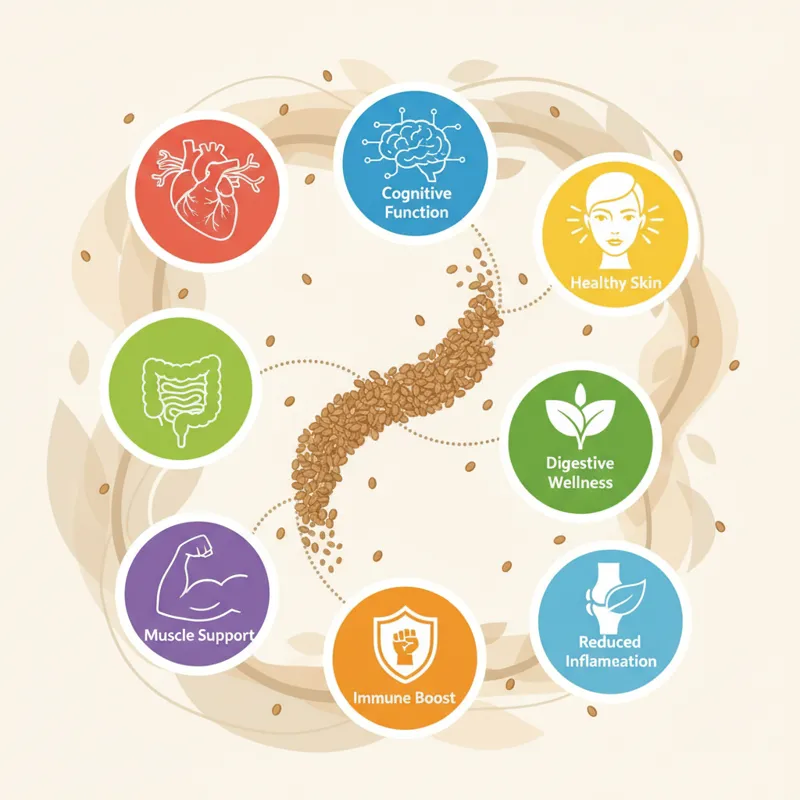
Let’s explore the key ways these humble seeds can contribute to your health and well-being.
1. A Potent Source of Plant-Based Omega-3 Alpha-Linolenic Acid (ALA)
One of the most compelling reasons to include perilla seeds in your diet is their extraordinary ALA content. Alpha-linolenic acid is an essential fatty acid, meaning your body can’t produce it, and you must obtain it through diet. While ALA isn’t directly used by the body in the same way as EPA and DHA (the omega-3s found in fish oil), it serves as a precursor. Your body can convert a portion of ALA into these longer-chain omega-3s, which are vital for reducing inflammation and supporting various physiological functions.
This conversion process is not always efficient, but consistent intake of high-ALA sources like perilla seeds ensures a steady supply, contributing significantly to your overall omega-3 status. For vegans, vegetarians, or those simply looking to diversify their omega-3 sources, perilla seeds present a superior option, often surpassing flax seeds in ALA concentration.
2. Rich in Antioxidants to Combat Oxidative Stress
Beyond their fat content, perilla seeds are packed with a variety of powerful antioxidants, including rosmarinic acid, luteolin, and apigenin. These compounds play a critical role in protecting your cells from damage caused by free radicals, a process known as oxidative stress. Oxidative stress is implicated in aging and the development of numerous chronic diseases, from heart disease to certain cancers.
By neutralizing these harmful molecules, the antioxidants in perilla seeds help maintain cellular integrity, reduce cellular inflammation, and support overall resilience against environmental stressors. Think of them as your internal clean-up crew, constantly working to keep your body’s systems functioning smoothly.
3. Strong Anti-Inflammatory Properties
Chronic inflammation is a silent threat, underlying many modern health issues. The high ALA content in perilla seeds is a primary driver of their anti-inflammatory effects. ALA can modulate inflammatory pathways, helping to quiet systemic inflammation throughout the body. Additionally, the aforementioned phenolic compounds contribute directly to this anti-inflammatory action.
Regular consumption of anti-inflammatory foods like perilla seeds can assist in managing conditions exacerbated by inflammation and promote a more balanced immune response. This makes them a valuable addition to any anti-inflammatory dietary regimen, working to soothe internal systems.
4. Supporting Cardiovascular Health
The synergy of omega-3s, fiber, and antioxidants in perilla seeds makes them exceptionally beneficial for heart health. ALA has been linked to several cardiovascular advantages: it can help maintain healthy cholesterol levels by reducing LDL (“bad”) cholesterol and triglycerides, and it contributes to healthy blood pressure regulation. These effects are crucial for preventing plaque buildup in arteries and reducing the risk of heart disease.
Moreover, the fiber helps manage blood sugar and cholesterol, while antioxidants protect against oxidative damage to blood vessels. Integrating perilla seeds into your diet is a proactive step toward supporting a strong and healthy heart, complementing other heart-healthy choices like regular exercise and a balanced diet recommended by organizations like the American Heart Association.
5. Aiding Digestive Wellness
Fiber is paramount for a healthy digestive system, and perilla seeds deliver. Both soluble and insoluble fibers are present, working in tandem to support gut function. Insoluble fiber adds bulk to stool, promoting regularity and preventing constipation. Soluble fiber, on the other hand, forms a gel-like substance that can help slow digestion, stabilize blood sugar levels, and nourish beneficial gut bacteria.
A thriving gut microbiome is increasingly recognized as central to overall health, impacting everything from immunity to mood. While conditions requiring a low-fiber diet for colonoscopy preparation are specific medical requirements, for daily wellness, regular fiber intake from sources like perilla seeds is foundational. They contribute to a balanced intestinal environment, ensuring your digestive system operates efficiently and comfortably.
6. Promoting Radiant Skin Health
What you eat profoundly impacts your skin’s appearance and health, and perilla seeds are no exception. The omega-3 fatty acids are crucial for maintaining the skin’s lipid barrier, which helps lock in moisture and protect against environmental damage. This can lead to improved hydration, reduced dryness, and a more supple complexion.
Furthermore, the anti-inflammatory properties of perilla seeds can help calm skin conditions like eczema, psoriasis, and acne, which often have an inflammatory component. By reducing internal inflammation and providing essential nutrients, perilla seeds contribute to healthier, more resilient, and visibly radiant skin from the inside out.
7. Potential Support for Respiratory Health
Traditional East Asian medicine has long valued perilla for its potential benefits in respiratory conditions, particularly those related to allergies and inflammation. While more rigorous human studies are always beneficial, preliminary research suggests that compounds like rosmarinic acid and other flavonoids in perilla may help modulate immune responses and reduce airway inflammation. These effects could potentially offer support for individuals dealing with seasonal allergies or mild respiratory discomfort.
It’s important to remember that perilla seeds are a dietary supplement, not a medical treatment. Always consult with a healthcare professional for any chronic respiratory issues, but incorporating these seeds might offer complementary dietary support.
Integrating Perilla Seeds into Your Daily Diet
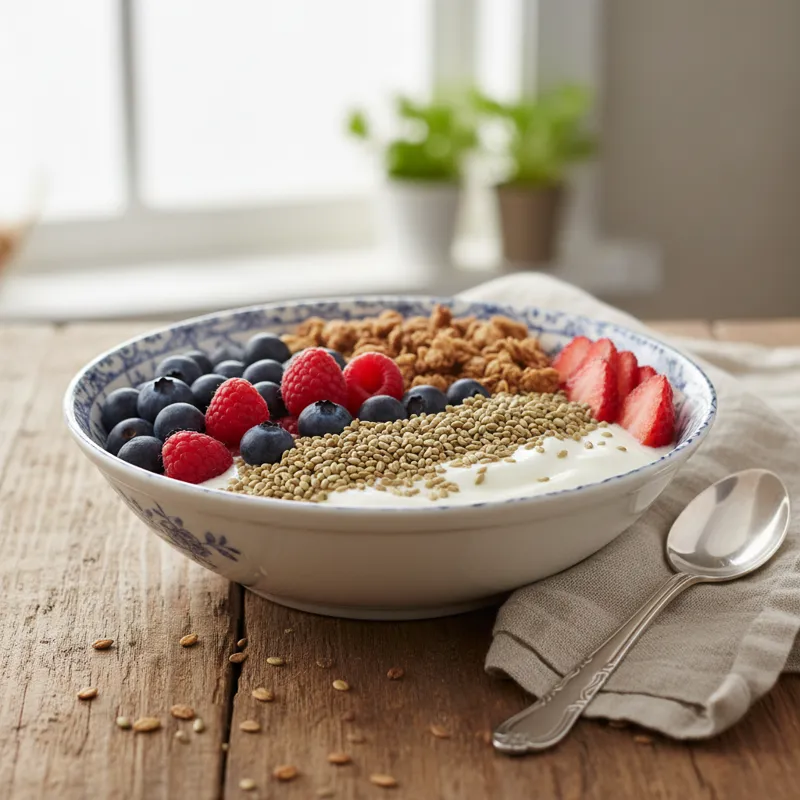
Adding perilla seeds to your diet is surprisingly easy, thanks to their mild yet distinct flavor profile. They are quite versatile and can be used in various forms:
- Whole Seeds: You can sprinkle whole perilla seeds over salads, yogurts, cereals, or roasted vegetables for a subtle crunch and nutrient boost. Toasting them lightly in a dry pan enhances their nutty flavor significantly.
- Ground Seeds: Grinding the seeds (a coffee grinder works well) increases nutrient absorption. Ground perilla seeds are excellent as a thickening agent in soups and stews, mixed into smoothies, or used in baking. In Korean cuisine, finely ground perilla seeds (deulkkae-garu) are a staple in many savory dishes, adding depth and nutrition.
- Perilla Oil: Cold-pressed perilla oil is another fantastic way to get your ALA. Use it as a finishing oil for salads, dips, or drizzled over cooked dishes. Because of its high omega-3 content, perilla oil has a low smoke point and is not suitable for high-heat cooking. Always add it after cooking to preserve its delicate nutrients. Store perilla oil in the refrigerator to prevent rancidity.
Experiment with them in dressings, marinades, or even mixed into your morning oatmeal. Their unique earthy, slightly peppery notes can elevate everyday dishes.
What Most People Get Wrong About Perilla Seeds
Despite their growing popularity, a few common misconceptions often prevent people from fully appreciating or correctly utilizing perilla seeds:
- Confusing Them with Sesame Seeds: While similar in size and sometimes appearance, perilla seeds are nutritionally distinct from sesame seeds. Sesame seeds are known for their calcium and lignans, while perilla seeds are prized for their unparalleled ALA content. Don’t assume they’re interchangeable in all recipes if you’re targeting specific nutritional benefits.
- Overlooking the ALA Sensitivity: Perilla oil, due to its high ALA content, is prone to oxidation. Many mistakenly treat it like olive oil, using it for sautéing or frying. High heat destroys the beneficial omega-3s and can create unhealthy compounds. Always use perilla oil cold or at very low temperatures to preserve its integrity.
- Not Grinding for Max Benefits: While eating whole perilla seeds is fine, the tough outer shell can sometimes limit nutrient absorption. Grinding the seeds, especially if you have digestive sensitivities, can significantly improve the bioavailability of their beneficial compounds.
- Ignoring the “Shiso” Distinction: Perilla refers to several varieties. While Perilla frutescens is the source of the seeds we’re discussing, other varieties, like Perilla frutescens var. crispa (often called shiso or Japanese perilla), are primarily grown for their leaves. Ensure you’re buying the correct seed variety for nutritional purposes.
Understanding these nuances helps maximize the health benefits and culinary applications of perilla seeds, ensuring you get the most out from this exceptional ingredient.
Where to Purchase High-Quality Perilla Seeds
As perilla seeds gain recognition, they’re becoming easier to find. Here’s where to look:
- Asian Grocery Stores: This is often your best bet. Look for packages labeled “perilla seeds” or “Korean wild sesame seeds” (deulkkae). You’ll likely find both whole seeds and ground powder.
- Specialty Health Food Stores: Many larger health food chains and independent stores are now stocking perilla seeds and cold-pressed perilla oil in their bulk or specialty oils sections.
- Online Retailers: A quick search on major e-commerce platforms will yield numerous options. Pay attention to reviews, country of origin, and whether the product is organic or cold-pressed for oil.
When selecting perilla seeds, always check the packaging for freshness dates. For perilla oil, opt for cold-pressed varieties in dark bottles, and store them in the refrigerator after opening. Just as you’d carefully select the right leather work gloves for a tough job, choosing high-quality perilla products ensures you’re getting the best performance and benefits.
Frequently Asked Questions About Perilla Seeds
Q: What’s the difference between perilla seeds and flax seeds?
A: Both are excellent plant-based sources of ALA omega-3s. However, perilla seeds typically contain a higher percentage of ALA (often over 60%) compared to flax seeds (around 50-55%). Perilla also has a distinct flavor profile, often described as nutty and earthy, while flax is milder. Flax seeds are also known for their lignans.
Q: Can I eat perilla seeds raw?
A: Yes, you can eat perilla seeds raw. However, toasting them lightly can enhance their flavor and make them slightly easier to digest. Grinding them, whether raw or toasted, can also improve nutrient absorption.
Q: What does perilla oil taste like?
A: Cold-pressed perilla oil has a distinctive, robust, nutty flavor with hints of herbaceousness and sometimes a subtle peppery finish. Some find it more assertive than flaxseed oil. Its unique taste makes it a great addition to Asian-inspired dishes, dressings, and dips.
Q: Are there any side effects of eating perilla seeds?
A: Perilla seeds are generally well-tolerated. High fiber intake can sometimes cause digestive discomfort (bloating, gas) if introduced too quickly, so start with small amounts and increase gradually. Individuals with specific allergies to mint family plants should exercise caution.
Q: How much perilla seeds should I eat daily?
A: A common recommendation is 1-2 tablespoons of whole or ground perilla seeds daily. This amount provides a substantial dose of ALA and other beneficial nutrients. As with any dietary change, listen to your body and adjust as needed.
Q: Is perilla oil good for cooking?
A: No, perilla oil is not suitable for high-heat cooking like frying or sautéing. Its high omega-3 content makes it susceptible to oxidation and degradation when exposed to heat, which destroys its beneficial properties. Use it as a finishing oil, in dressings, or for cold applications.
Q: How can I ensure I’m getting high-quality health insurance that covers dietary support?
A: When reviewing health insurance options, look for plans that offer comprehensive wellness benefits and potentially cover consultations with dietitians or nutritionists. Understanding your policy, like options offered by Ambetter Health Insurance, can help you maximize preventative care and dietary support as part of your overall health strategy.
The Future is Bright for Perilla Seeds
As we move further into 2026, the emphasis on functional foods and plant-based nutrition will only intensify. Perilla seeds stand out as a highly valuable, yet still somewhat under-recognized, ingredient that aligns perfectly with these trends. Their exceptional omega-3 content, coupled with a robust antioxidant and mineral profile, offers a compelling package for anyone looking to enhance their health naturally.
Whether you’re exploring new ways to support cardiovascular health, reduce inflammation, or simply add diverse nutrients to your plate, perilla seeds offer a powerful and delicious solution. Consider them a worthy addition to your pantry, ready to elevate your daily diet and contribute to a more vibrant, healthier you.
Disclaimer: The health and medical information on bangladeshcountry.com is provided for general informational and educational purposes only and is not a substitute for professional medical advice, diagnosis, or treatment. We are not medical professionals. Always consult with a qualified healthcare provider before making any medical decisions. Reliance on any information provided on this site is solely at your own risk.


