

In 2026, maintaining a hygienic and efficient home environment remains a top priority for many United States households. Amidst our busy lives, simple upgrades can significantly impact daily routines, and few are as practical or as often overlooked as the humble foaming soap dispenser. Beyond just holding liquid, a well-chosen foaming soap dispenser offers a blend of cost savings, improved hygiene, and a touch of modern convenience, transforming a mundane task like handwashing into a more pleasant and effective experience. This isn’t just about aesthetics; it’s about a smarter approach to daily cleanliness, ensuring you get the most out of your soap while promoting better handwashing habits for everyone in the family.
Why a Foaming Soap Dispenser is a Modern Essential

Choosing a foaming soap dispenser isn’t simply a matter of preference; it’s a practical decision rooted in efficiency and health. The mechanism creates a rich lather with less soap, making your soap supply last longer and offering significant economic benefits over time. Think about the typical handwashing routine. A dollop of regular liquid soap often gets diluted under running water, leading to more soap being used than necessary, or insufficient lather for effective cleaning. Foaming dispensers solve this by pre-foaming the soap, ensuring an even, luxurious lather with a single pump. This encourages thorough handwashing, a critical defense against common pathogens. For families, especially those with young children, the appealing foam can make handwashing more engaging, reinforcing good habits.
How Foaming Soap Dispensers Work: A Mechanistic Look
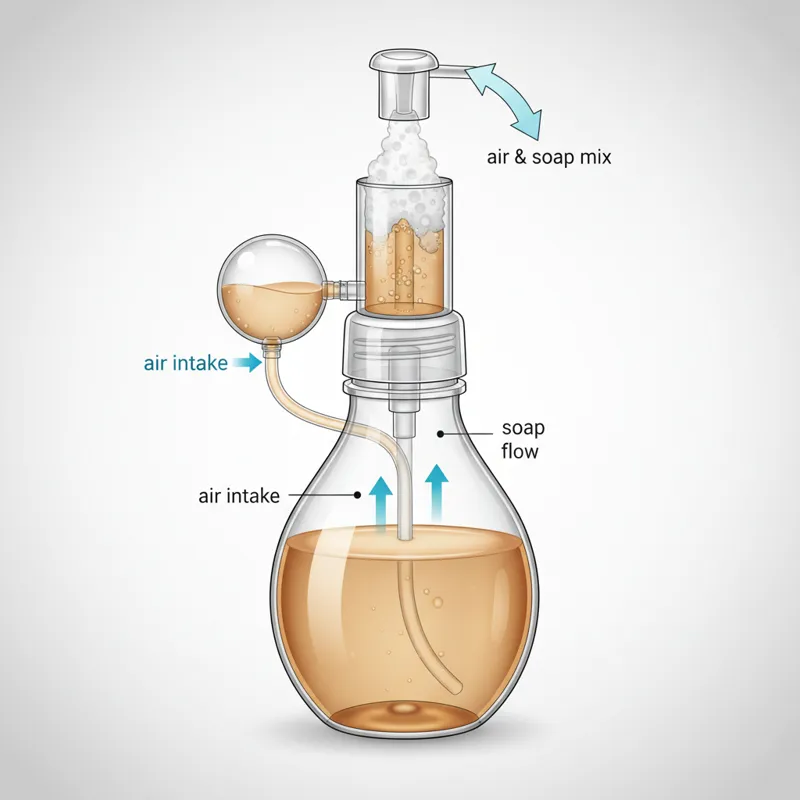
The magic behind a foaming soap dispenser is surprisingly simple yet highly effective. It’s a mechanical process that combines liquid soap with air under pressure, creating a pre-lathered foam. Here’s the basic breakdown:
- The Reservoir: This holds your liquid soap, often diluted with water for optimal foaming.
- The Pump Mechanism: When activated (either manually or by a sensor), the pump draws a small amount of liquid soap from the reservoir.
- The Air Chamber: Crucially, the pump simultaneously draws in a specific volume of air from an external vent.
- The Mixing Process: Inside the pump head, the liquid soap and air are forced through a fine mesh screen or a series of small, intertwined channels. This turbulent passage vigorously mixes the soap and air, causing the soap to aerate and expand into a stable foam.
- Dispensing: The resulting foam is then expelled through the nozzle, ready for use.
This controlled aeration is key to stretching your soap supply and providing a satisfying, ready-to-use lather that spreads easily across hands. Understanding this mechanism highlights why using dedicated foaming soap or correctly diluting regular liquid soap is essential for optimal performance.
Manual vs. Automatic: Which is Right for You?

When choosing a foaming soap dispenser, one of the first decisions you’ll face is between a manual pump and an automatic, touchless model. Each has distinct advantages depending on your priorities.
Manual Foaming Soap Dispensers
Manual dispensers are the traditional choice. You press down on a pump to dispense the foam.
- Pros: Typically more affordable, require no batteries or external power, and often come in a wider variety of aesthetic designs due to simpler internal components. They’re highly reliable and easy to refill.
- Cons: Require physical contact, which some might consider less hygienic, especially in high-traffic areas or during cold and flu season.
Automatic Foaming Soap Dispensers
Automatic dispensers use sensors (usually infrared) to detect a hand underneath and dispense a pre-measured amount of foam without contact.
- Pros: Superior hygiene due to touchless operation, reducing germ transfer. Often provide a consistent, measured amount of soap, preventing overuse. Modern designs can add a sleek, high-tech feel to a kitchen or bathroom.
- Cons: Higher upfront cost, require batteries or an electrical outlet, and can sometimes malfunction if the sensor gets dirty or wet. Some users find the dispensing speed or amount less customizable than a manual pump.
Your choice often comes down to budget, design preference, and how much you prioritize touchless hygiene. For high-traffic areas or peace of mind, an automatic model often wins out. For simple reliability and classic aesthetics, manual options are excellent.
Key Factors to Consider When Buying
Selecting the best foaming soap dispenser for your home involves more than just picking a design you like. Thoughtful consideration of several practical factors will ensure your investment serves you well for years to come.
- Durability: Materials matter. Stainless steel or high-grade glass dispensers offer excellent longevity and resist corrosion or staining. Ceramic can be beautiful but is prone to chipping. High-quality ABS plastic can be durable and lightweight, ideal for children’s bathrooms, but cheap plastics might crack or yellow over time. Look for robust pump mechanisms, as this is often the first component to fail.
- Style and Aesthetics: The dispenser should complement your kitchen or bathroom decor. Do you prefer a modern minimalist look, a rustic farmhouse feel, or something classic and elegant? Consider the finish (matte, gloss, brushed metal) and color. A dispenser isn’t just functional; it’s a design element.
- Cost: Foaming soap dispensers range widely in price. Basic manual plastic models can be under $10, while high-end automatic stainless steel or ceramic units might cost $50 or more. Balance your budget with desired features and expected lifespan. Remember, the long-term savings on soap can offset a higher initial cost.
- Refilling Ease: A good dispenser should be easy to open and refill without spillage. Look for wide-mouth openings and stable bases. Some designs require unscrewing the entire top, while others have a simple lift-off lid. For automatic models, consider battery access – are they easy to replace?
- Capacity: How often do you want to refill? Small dispensers (8-10 oz) are fine for light use or guest bathrooms. Larger capacities (12-16 oz or more) are better for busy kitchens or main bathrooms.
- Stability: A dispenser that tips over easily is frustrating. Look for models with a broad, weighted base, especially for automatic units that might be bumped.
- Sensor Reliability (for Automatic Models): Read reviews regarding sensor sensitivity and false activations. A reliable sensor is crucial for a positive touchless experience.
10 Best Foaming Soap Dispensers for a Quality Life (2026 Edition)
Based on consistent user feedback, innovation, and overall performance in 2026, here are types of foaming soap dispensers that stand out for enhancing daily hygiene and convenience. We’re focusing on categories and key attributes that define excellence rather than specific brand names, as product lines evolve quickly.
- The Everyday Stainless Steel Automatic Dispenser: This category remains a top choice for its blend of modern aesthetics and robust functionality. Typically featuring a brushed stainless steel body, an infra-red sensor for touchless operation, and a visible soap level window. These models often use AA batteries and offer adjustable foam volume settings. They’re built for durability and complement most kitchen and bathroom decors.
- The Eco-Conscious Glass Manual Dispenser: For those prioritizing sustainability and classic charm, thick-walled glass dispensers with stainless steel or durable plastic pumps are excellent. They avoid plastic waste, offer a clear view of your soap, and are easy to clean. Their weight makes them stable, and their timeless design fits seamlessly into various decor styles.
- The High-Capacity Kitchen Workhorse: Designed for busy kitchens, these dispensers hold 16-20+ ounces of soap, minimizing refill frequency. Often made from sturdy, easy-to-clean plastic or stainless steel, they might feature a wide-mouth opening for spill-free refills and a non-slip base. Many come with a powerful, consistent pump mechanism.
- The Compact Bathroom Decorator: These smaller, often ceramic or frosted glass dispensers, are perfect for adding a touch of elegance to a bathroom vanity without taking up much space. They focus on refined design and material quality, making them more of a decorative accent that happens to be highly functional.
- The Smart Home Integrated Dispenser: As smart home tech continues to expand, some premium automatic foaming soap dispensers now offer app connectivity. Features might include usage tracking, low soap alerts, or even scheduled dispensing times for reminders. These are for the tech-savvy user looking for ultimate convenience and data.
- The Budget-Friendly Multi-Pack Manual Dispenser: Ideal for outfitting multiple bathrooms or utility sinks without breaking the bank. These typically come in sets of 2-4, are made from durable BPA-free plastic, and offer reliable manual pump action. While basic, their value and functionality are undeniable.
- The Rechargeable Automatic Dispenser: Moving away from disposable batteries, these units feature built-in rechargeable lithium-ion batteries, often charging via USB-C. This reduces waste and offers a more consistent power source for the pump mechanism, making them a more sustainable and convenient automatic option.
- The Wall-Mounted Commercial-Style Dispenser: For utility rooms, garages, or high-traffic areas, wall-mounted dispensers save counter space and provide a robust, fixed solution. Often larger capacity and made from tough ABS plastic, they can be manual or automatic, designed for durability and ease of maintenance in demanding environments.
- The Child-Friendly Themed Dispenser: To encourage good hygiene habits in kids, some dispensers feature fun shapes, colors, or cartoon themes. These are typically manual, made from durable, brightly colored plastic, and sized for smaller hands to operate easily. The appeal of the foam combined with an engaging design makes handwashing less of a chore.
- The Minimalist Ceramic Automatic Dispenser: Blending high-tech functionality with artisanal aesthetics. These units feature a smooth, matte ceramic body, concealing the automatic sensor and mechanism for an ultra-clean look. They represent a premium choice for those who value seamless design and touchless operation above all else.
DIY Foaming Hand Soap: Saving Money & Customizing
One of the biggest advantages of owning a foaming soap dispenser is the ability to make your own foaming hand soap. This not only saves a significant amount of money compared to buying pre-foamed soap but also allows you to customize ingredients, scents, and avoid harsh chemicals.
How to Dilute Liquid Soap for Foam
The basic principle is simple: dilute concentrated liquid soap with water. The ideal ratio can vary slightly depending on the thickness of your liquid soap, but a good starting point is usually 1 part liquid soap to 4 or 5 parts water.Ingredients:
- 1-2 tablespoons of your favorite liquid hand soap (castile soap, dish soap, or regular hand soap works well).
- 1 cup (approximately 8 oz) of filtered or distilled water.
- Optional: 5-10 drops of essential oils for scent (e.g., lavender, tea tree, citrus).
Instructions:
- Pour the liquid soap into your empty foaming soap dispenser.
- Carefully add the water, leaving a small gap at the top to allow for the pump mechanism.
- Add essential oils if desired.
- Gently swirl the bottle to combine the ingredients. Avoid shaking vigorously, as this can create too many bubbles prematurely.
- Replace the pump top and you’re ready to go!
Pro Tip: If the foam is too thin, add a little more soap. If the pump struggles or the foam is too thick, add a bit more water. Experiment with ratios until you find what works best for your specific soap and dispenser. This simple method can extend the life of a single bottle of liquid soap exponentially, contributing to long-term savings.
What Most People Get Wrong About Foaming Soap Dispensers
Many users unknowingly make small errors that diminish the performance or lifespan of their foaming soap dispensers. Recognizing these common pitfalls can save you frustration and ensure your dispenser functions optimally.1. Using Undiluted Liquid Soap: This is by far the most common mistake. Foaming dispensers are designed to mix diluted soap with air. Pouring thick, undiluted liquid soap directly into the reservoir will likely clog the pump mechanism, lead to weak or no foam, and significantly shorten the dispenser’s life. Always dilute your liquid soap as described above.2. Overfilling the Reservoir: Filling the dispenser right to the brim can cause overflow when you insert the pump mechanism, creating a mess and potentially damaging electronic components in automatic models. Leave a small gap at the top.3. Ignoring Water Quality: While tap water often works fine, hard water (high mineral content) can lead to mineral buildup in the pump mechanism over time, causing clogs or reduced performance. Using filtered or distilled water can prolong the life of your dispenser, especially for automatic or higher-end models. This is similar to how the type of water used in a ultrasonic nebulizer can affect its output and maintenance needs; clarity and purity matter for fine mechanisms.4. Neglecting Cleaning: Soap scum and residue can accumulate inside the pump and nozzle. Periodically flushing the dispenser with warm water (or a mild vinegar solution followed by water) helps prevent clogs and keeps the foam quality consistent.5. Using Dish Soap Not Designed for Hands: While many dish soaps can technically foam, some contain harsher degreasers that might be too drying for frequent handwashing. Opt for a mild liquid hand soap or castile soap for skin health.6. Forgetting Battery Replacement/Recharging for Automatic Models: A common reason for automatic dispensers suddenly ceasing to work is simply dead batteries. Check this first before assuming a malfunction. Rechargeable models need consistent charging, just as you’d ensure a compressor nebulizer is powered for critical use.7. Over-complicating the DIY Mixture: Some try to add too many different ingredients or oils, which can alter the soap’s consistency, clog the pump, or even cause separation. Stick to simple soap, water, and essential oils. By avoiding these common errors, you’ll maximize the benefits and lifespan of your foaming soap dispenser.
Maintenance Tips for Longevity
Regular, simple maintenance significantly extends the life of any foaming soap dispenser, manual or automatic. A little effort can prevent clogs, maintain consistent foam, and keep your dispenser looking new.
- Regular Rinsing: Every few weeks, empty the dispenser, rinse the reservoir thoroughly with warm water, and pump warm water through the mechanism until it runs clear. This clears out soap residue.
- Deep Clean for Clogs: If the pump starts to struggle or foam quality drops, mix a solution of equal parts warm water and white vinegar. Pump this solution through the dispenser until it’s empty, then let it sit for 30 minutes to an hour. Afterward, pump plain warm water through until the vinegar smell is gone. This dissolves mineral and soap buildup.
- Nozzle Cleaning: Use a small brush (like a toothbrush or a pipe cleaner) to clean any dried soap around the nozzle opening. This ensures a clear path for the foam.
- Battery Management (Automatic): For battery-operated models, use high-quality alkaline batteries or rechargeables. If you’re going away for an extended period, remove the batteries to prevent corrosion, much like you would store nebulizer parts to prevent degradation.
- Wipe Down Exterior: Regularly wipe the exterior of the dispenser with a damp cloth to remove water spots, soap splatter, and dust, keeping it hygienic and aesthetically pleasing.
Frequently Asked Questions About Foaming Soap Dispensers
You’ve got questions, and we’ve got practical answers about foaming soap dispensers.
Q: Can I use regular liquid soap directly in a foaming dispenser?
A: No, not usually. Regular liquid soap is too concentrated and thick. You need to dilute it with water (typically 1 part soap to 4-5 parts water) to create the correct consistency for the dispenser’s pump mechanism to aerate it into foam. Using undiluted soap will likely clog the pump and prevent it from working correctly.
Q: How long do the batteries last in an automatic foaming soap dispenser?
A: Battery life varies significantly depending on the model, battery type (alkaline vs. rechargeable), and frequency of use. High-quality alkaline batteries in a well-designed dispenser might last 3-6 months with average daily use. Rechargeable models offer convenience, but require regular charging, similar to a smartphone.
Q: Are foaming soap dispensers more hygienic than regular soap pumps?
A: Automatic, touchless foaming soap dispensers are indeed more hygienic as they eliminate the need to touch the pump, thereby reducing the transfer of germs. Manual foaming dispensers are comparable to regular manual pumps in terms of touch, but the pre-foamed soap might encourage more thorough handwashing.
Q: Can I put hand sanitizer in a foaming soap dispenser?
A: Generally, no. Foaming soap dispensers are designed for liquid soap solutions, not alcohol-based hand sanitizers. Hand sanitizers, especially gel ones, have a different viscosity and chemical composition that can damage the pump mechanism or evaporate too quickly in the air chamber. There are specific foaming hand sanitizer dispensers available for that purpose.
Q: Is it really cheaper to use a foaming soap dispenser?
A: Absolutely. Because you dilute your liquid soap with water, a single bottle of concentrated liquid soap lasts significantly longer. This translates into considerable savings over time, easily offsetting the initial cost of a good quality foaming soap dispenser.
Q: My foaming dispenser isn’t producing good foam. What’s wrong?
A: Several factors could be at play.
- Incorrect Dilution: The most common issue. Your soap might be too thick (add more water) or too thin (add more soap).
- Clogged Pump: Soap residue or mineral buildup can obstruct the pump. Try a warm water and vinegar flush.
- Low Batteries (Automatic): If it’s an automatic model, check or replace the batteries.
- Faulty Pump: Over time, especially with cheaper models, the pump mechanism can wear out.
Conclusion
Upgrading to a foaming soap dispenser is a small change that yields significant benefits in terms of hygiene, economy, and daily convenience. Whether you opt for a sleek automatic model or a durable manual one, the ability to stretch your soap supply, encourage better handwashing, and add a touch of modern efficiency to your home makes it a genuinely worthwhile investment in 2026. By understanding how they work, choosing wisely, and maintaining them properly, your foaming soap dispenser will be a reliable, long-lasting fixture that elevates your quality of life, one satisfying pump of foam at a time.


