

In 2026, managing respiratory conditions often relies on consistent and effective treatment. For millions of Americans, a nebulizer is a crucial tool, transforming liquid medication into a fine mist that’s easily inhaled deep into the lungs. But a nebulizer isn’t a single, monolithic device; it’s a system of interconnected components, each playing a vital role in delivering your therapy. The effectiveness, safety, and longevity of your nebulizer therapy hinge significantly on the condition and compatibility of its individual parts. Simply put, understanding and properly maintaining your nebulizer parts is just as important as the medication itself.
Understanding the Nebulizer System: Why Parts Matter
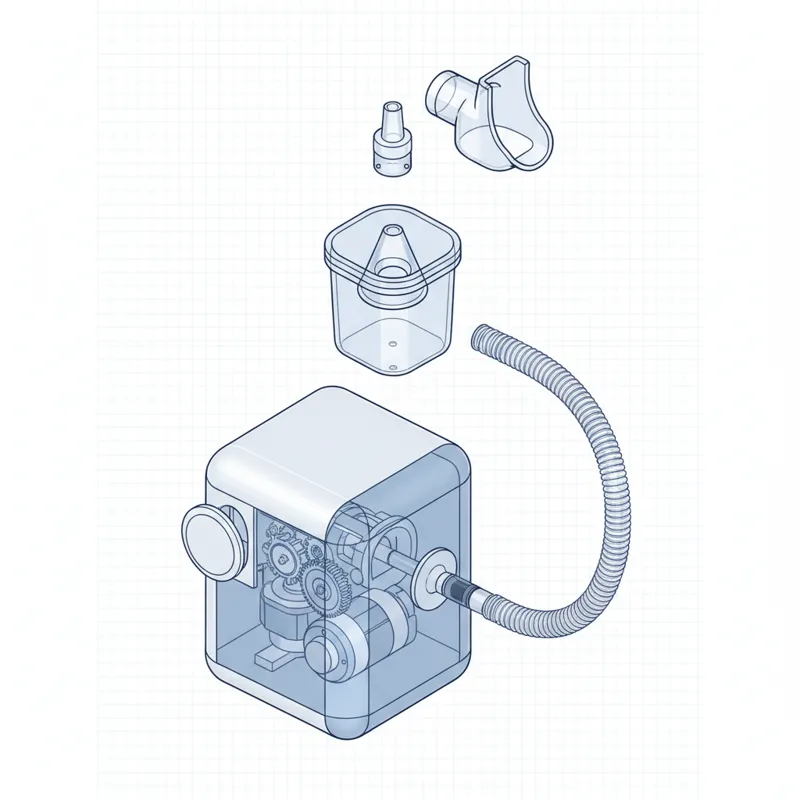
Before diving into the specific components, let’s quickly establish why this conversation is critical. A nebulizer works by either compressing air (compressor nebulizers), using ultrasonic vibrations (ultrasonic nebulizers), or vibrating a fine mesh (mesh nebulizers) to aerosolize medication. For the vast majority of home users, a compressor nebulizer is the most common type. Regardless of the technology, the core principle remains: get the right dose, in the right form, to the right place.
Every single part in the nebulizer pathway contributes to this goal. A worn-out filter can lead to contaminated air reaching your lungs, while a cracked medication cup can reduce aerosol output, meaning you’re not getting the full dose. Using incompatible nebulizer parts can not only compromise treatment but also damage your device or, worse, pose a health risk. It’s not just about having the machine; it’s about having a functional, well-maintained system.
The 7 Must-Have Nebulizer Parts for Better Breathing
Here’s a breakdown of the essential nebulizer parts you need to understand, maintain, and replace regularly to ensure optimal performance and effective therapy.
1. The Medication Cup (Nebulizer Cup/Reservoir)
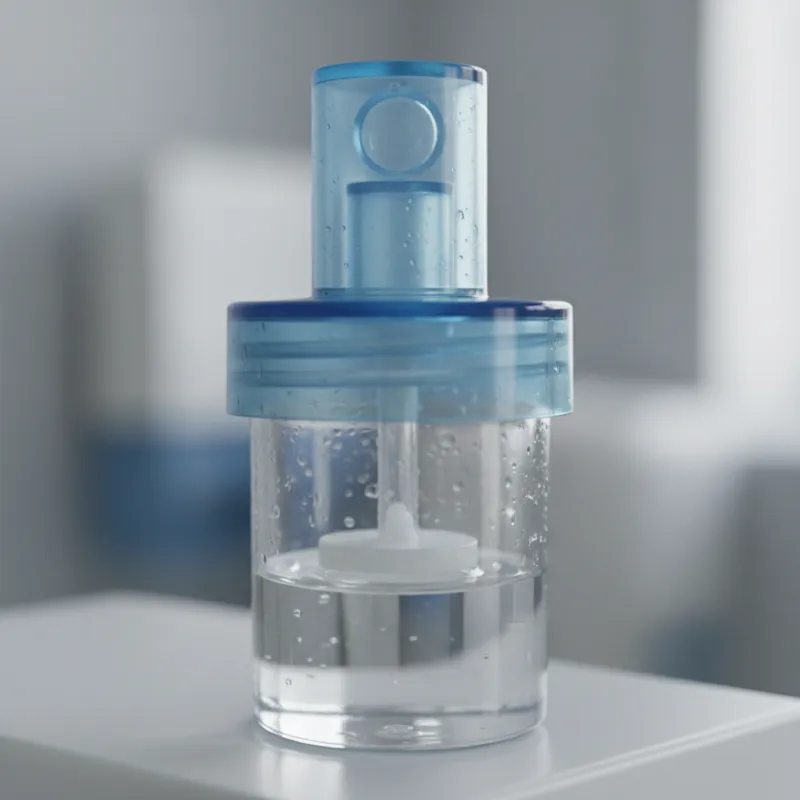
This is arguably the most critical component. The medication cup holds your liquid medicine and is where the transformation into a breathable mist primarily occurs. Most standard cups feature a small baffle or jet inside, which is where the compressed air mixes with the medication.
- Function: Holds the medication and facilitates its conversion into an aerosol.
- Types: Most are made of clear plastic. Some are designed for single use, while many are reusable for a limited period (typically 2-4 weeks) before needing replacement. Mesh nebulizers use a specialized, often integrated, medication chamber that houses the vibrating mesh.
- Maintenance & Replacement: Wash thoroughly after each use with warm water and mild soap, then air dry. Disinfect daily or weekly as per manufacturer instructions. Even with diligent cleaning, plastic cups degrade over time due to medication exposure and cleaning chemicals. A worn or scratched cup, or one with a compromised baffle, will reduce treatment efficacy. Replace every 2-4 weeks, or sooner if visible wear, discoloration, or reduced mist output is noted.
2. Mouthpieces and Masks
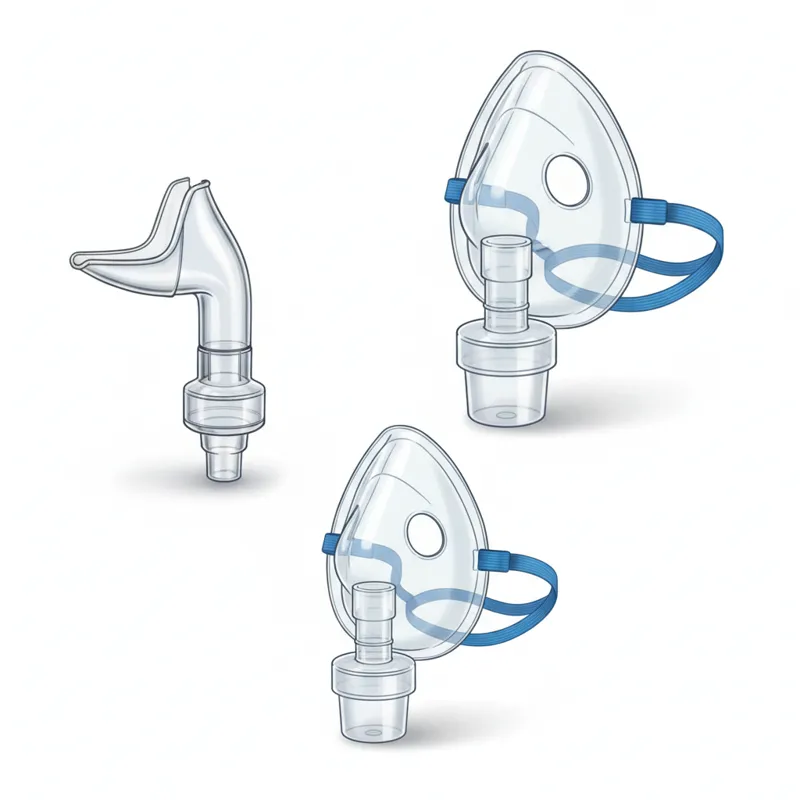
How the aerosol mist gets from the medication cup into your airways is through a mouthpiece or a mask. The choice depends on user preference, age, and ability to cooperate with treatment.
- Mouthpiece: Ideal for older children and adults who can comfortably hold the mouthpiece between their teeth and breathe steadily and deeply through their mouth. This generally delivers a more concentrated dose directly to the lungs.
- Masks: Available in adult and pediatric sizes, masks cover the nose and mouth. They are crucial for infants, young children, and anyone unable to use a mouthpiece effectively (e.g., due to weakness or cognitive impairment). A good seal is important for effective delivery.
- Maintenance & Replacement: Clean after each use with warm soapy water and rinse thoroughly. Disinfect regularly. Masks and mouthpieces are typically reusable for the same period as the medication cup (2-4 weeks) before needing replacement. Look for cracks, tears, or a poor fit, which can lead to medication loss and reduced efficacy.
3. Nebulizer Tubing
The tubing is the conduit that delivers compressed air from the nebulizer compressor unit to the medication cup, initiating the aerosolization process. It might seem simple, but its condition is vital.
- Function: Connects the air compressor to the medication cup, delivering the airflow required to create the mist.
- Types: Most tubing is made of clear, medical-grade PVC, designed to be kink-resistant. Lengths vary, typically 6 to 7 feet, to allow for comfortable positioning during treatment. Some are “disposable” (single-use or very short-term), while others are meant for multi-use over several months.
- Maintenance & Replacement: Unlike other parts, tubing usually doesn’t get washed with water on the inside; moisture can lead to bacterial or mold growth. If the tubing gets wet internally, it should be replaced immediately. Wipe the exterior clean. Inspect regularly for kinks, cracks, or blockages. Discoloration, stiffening, or loss of flexibility are clear signs it’s time for a new one. Replace tubing every 3-6 months, or sooner if compromised.
4. Air Compressor Filters
This tiny, often overlooked part is incredibly important. The air filter protects your lungs from dust, pollen, and other airborne particulates drawn in by the compressor.
- Function: Filters the ambient air drawn into the compressor before it’s delivered to your medication cup. This ensures the air you’re breathing with your medication is clean.
- Types: Typically small, white, and made of a fibrous material. Most are disposable. Never attempt to wash and reuse a disposable filter, as this can damage its integrity and compromise its filtering capability.
- Maintenance & Replacement: Check the filter regularly, ideally before each treatment. It’s located in a small compartment, usually on the side or front of the compressor unit. When it becomes discolored (gray or brown) or clogged, it’s time for a new one. General guidelines suggest replacement every 6 months, but in dusty environments or with frequent use, it might need changing monthly. Always use filters specifically designed for your nebulizer model to ensure proper fit and filtration.
5. T-Adapters and Connectors
While not universally required, T-adapters and connectors are essential for certain configurations, especially if you’re using specific types of masks or needing to attach additional components.
- Function: T-adapters typically allow for nebulized medication to be delivered simultaneously with another airflow source, or simply to provide a more comfortable angle for a mask or mouthpiece. Straight connectors link tubing segments or attach different components.
- When Used: Often seen with ventilator circuits or specific types of aerosol delivery devices. For standard home nebulizer use, they might be part of an accessory kit or used to customize the setup for patient comfort.
- Maintenance & Replacement: Treat these like your medication cups and mouthpieces – wash after each use, disinfect regularly. Inspect for cracks or loose connections. Replace them with your medication cup and mask, usually every 2-4 weeks.
6. Check Valves (One-Way Valves)
Some nebulizer systems, particularly those designed for medication conservation or specific delivery profiles, incorporate one-way check valves.
- Function: Check valves ensure airflow or aerosol mist travels in only one direction. This can prevent exhaled breath from contaminating medication, improve drug delivery efficiency by preventing mist from escaping on exhalation, or prevent backflow into the compressor.
- When Used: Not all nebulizers have distinct, replaceable check valves. They are often integrated into higher-efficiency nebulizer cups or breathing circuits. If your nebulizer system includes them as separate, replaceable items, their function is vital for the system’s performance.
- Maintenance & Replacement: Clean according to manufacturer instructions. Inspect for proper sealing and movement. A sticking or broken valve can significantly reduce treatment effectiveness. Replace as recommended by your nebulizer manual, often along with other disposable components.
7. Rechargeable Battery Packs (for Portable Units)
In 2026, portability is a significant factor for many users. Portable nebulizers, especially mesh models, offer freedom and flexibility, and their power source is a critical component.
- Function: Provides the electrical power necessary for portable nebulizers to operate without being tethered to a wall outlet. This enables treatment on the go, improving adherence and quality of life for active individuals.
- Types: Typically lithium-ion batteries, designed to be compact and offer several hours of operational time per charge. They are often specific to the nebulizer model.
- Maintenance & Replacement: Follow manufacturer guidelines for charging and storage to maximize battery life. Avoid extreme temperatures. Over time, all rechargeable batteries degrade and hold less charge. If your portable nebulizer’s run time significantly decreases, or if it struggles to power the device, it’s likely time for a replacement battery pack. Always use genuine replacement batteries from the nebulizer manufacturer to ensure compatibility and safety.
Maintaining Your Nebulizer Parts: A Critical Overview
Proper maintenance isn’t just about prolonging the life of your nebulizer; it’s about preventing serious respiratory infections and ensuring you receive the full therapeutic benefit from your medication. Bacteria and fungi thrive in moist environments, making nebulizer components a potential breeding ground if not cleaned rigorously.
Daily Cleaning Protocol:
- After each treatment, disconnect the medication cup, mouthpiece/mask, and any associated connectors.
- Wash these items thoroughly with warm water and a mild dish soap.
- Rinse them under running water for at least a minute to remove all soap residue.
- Shake off excess water and allow them to air dry completely on a clean paper towel. Do not towel dry, as this can introduce lint or germs.
- Store dry parts in a clean, sealed bag until the next use.
Weekly Disinfection Protocol:
- Once a week, perform a more thorough disinfection.
- Many manufacturers recommend soaking cleaned parts (excluding tubing and filters) in a solution of one part white vinegar to two parts distilled water for 30 minutes, followed by a thorough rinse with sterile water and air drying.
- Alternatively, some parts are dishwasher-safe (top rack only, delicate cycle) or can be boiled for 10 minutes. Always check your specific nebulizer manual for approved disinfection methods.
- Do NOT sterilize parts by boiling or dishwashing if the manual advises against it, as it can damage the plastic.
Tubing and Filter Care:
- Nebulizer tubing typically only needs wiping on the outside. If moisture gets inside, it must be replaced.
- Air filters are never to be washed. Inspect and replace them as soon as they show discoloration or signs of clogging.
What Most People Get Wrong About Nebulizer Parts
Even smart, diligent users can make common mistakes that compromise their nebulizer therapy. Here’s what to watch out for:
- Assuming Universal Compatibility: This is a big one. Nebulizer parts are not always interchangeable between brands or even different models from the same brand. Using a medication cup or tubing not designed for your specific compressor can lead to inefficient aerosolization, leaks, or even damage to the machine. Always check your nebulizer’s manual for compatible replacement nebulizer components.
- Neglecting Filter Changes: The air filter is out of sight, out of mind for many. Yet, a clogged or dirty filter means your lungs are receiving unfiltered air, potentially introducing irritants or pathogens along with your medicine. Regular inspection and timely replacement are non-negotiable.
- Over-extending Part Lifespan: While trying to save money is understandable, using medication cups, masks, or mouthpieces beyond their recommended replacement schedule is a false economy. Degrading plastic, microscopic cracks, and diminished baffle efficiency significantly reduce the amount of medication reaching your lungs. You might think you’re saving money, but you’re actually getting less effective treatment.
- Improper Cleaning Methods: Using harsh chemicals not recommended by the manufacturer, or failing to air dry parts completely, can lead to component degradation or bacterial/mold growth. Conversely, trying to wash tubing internally can trap moisture and foster pathogen growth. Stick to the manual’s instructions.
- Storing Components Incorrectly: Leaving parts exposed to dust, pet hair, or direct sunlight can contaminate them or degrade the plastic. Storing them in a clean, sealed container (like the carrying case that came with your unit or a clean plastic bag) is crucial.
Ensuring Compatibility and Sourcing Genuine Parts
When it’s time to replace your nebulizer parts, your primary goal should be to ensure compatibility and, whenever possible, source genuine parts or high-quality, manufacturer-approved equivalents. This isn’t just about brand loyalty; it’s about efficacy and safety.
Check Your Manual: Your nebulizer’s user manual is your definitive guide. It will list the specific part numbers, approved nebulizer accessory kit, and replacement schedules for your model.
Authorized Retailers: Purchase medical supplies and parts from authorized medical equipment suppliers, pharmacies, or directly from the nebulizer manufacturer’s website. Be wary of deeply discounted, unbranded components from less reputable sources, as their quality control may be questionable.
The “Generic” Question: While generic nebulizer parts exist, ensure they explicitly state compatibility with your nebulizer’s brand and model. Read reviews and look for certifications if possible. The risk with generics is often reduced performance rather than outright danger, but reduced performance still means less effective treatment.
Beyond the Nebulizer: Holistic Home Health and Lifestyle
While the focus here is on the mechanics of nebulizer parts, it’s important to remember that respiratory health is part of a broader lifestyle. Maintaining a clean and comfortable home environment can indirectly support your respiratory well-being. This includes managing dust and allergens, ensuring good ventilation, and generally creating a space conducive to health.
Think about how all elements of your home contribute to your well-being. For instance, creating a relaxing corner for your treatments might involve the aesthetic appeal of a coastal coffee table, providing a serene backdrop. Similarly, managing dietary choices, such as opting for sugar free coffee creamer or enjoying a refreshing Arizona Sweet Tea, can play a role in overall wellness, influencing energy levels and general health, which in turn can impact how your body responds to medical treatments. A holistic approach to health, encompassing both precise medical device maintenance and daily lifestyle choices, is key to sustained well-being.
Frequently Asked Questions (FAQs) About Nebulizer Parts
How often should I replace nebulizer parts?
Most disposable medication cups, mouthpieces, and masks need replacement every 2-4 weeks. Tubing generally lasts 3-6 months. Air filters should be changed every 6 months or sooner if discolored or clogged. Always refer to your specific nebulizer manual, as recommendations can vary by model and manufacturer.
Can I use any nebulizer tubing with my machine?
No. While many tubings appear similar, there can be subtle differences in diameter, material, and connectors. Always use nebulizer tubing replacement specifically designed for your nebulizer model to ensure a secure fit and optimal airflow. Mismatched tubing can lead to leaks and inefficient treatment.
Are generic nebulizer parts safe?
Generic parts can be safe if they are from a reputable manufacturer and explicitly state compatibility with your nebulizer brand and model. However, they may not always deliver the same performance or longevity as genuine manufacturer parts. When in doubt, or if performance is critical, opt for genuine parts.
What’s the difference between disposable and reusable nebulizer kits?
Disposable kits are designed for short-term use, often lasting only 1-2 weeks before requiring replacement. Reusable kits are typically made of more durable materials and can last 2-4 weeks with proper cleaning and disinfection. The choice often depends on your prescription and insurance coverage, but reusable kits tend to be more cost-effective for long-term therapy.
How do I know if my nebulizer is working correctly?
You should see a consistent, fine mist being produced from the mouthpiece or mask. Listen for the steady sound of the compressor. If the mist is weak, intermittent, or non-existent, check the medication cup for cracks, the tubing for kinks or blockages, and the air filter for clogging. If problems persist after checking all parts, consult your healthcare provider or the nebulizer manufacturer.
Conclusion
Your nebulizer is a powerful tool for managing respiratory conditions, but its efficacy is directly tied to the condition and compatibility of its individual parts. By understanding the role of each component, adhering to meticulous cleaning protocols, and proactively replacing worn parts, you can ensure your nebulizer consistently delivers optimal therapy.
Don’t underestimate the cumulative effect of small components on your breathing health. Take the time to regularly inspect your nebulizer parts, follow the maintenance schedule in your manual, and source replacements from trusted providers. Doing so isn’t just about prolonging your device’s life; it’s about empowering yourself with reliable, effective treatment for better breathing and a higher quality of life in 2026 and beyond.
Disclaimer: This article is for informational purposes only and does not constitute medical advice. Always consult with a qualified healthcare professional regarding any medical conditions, treatments, or before making any changes to your healthcare regimen.


