

Navigating chronic or acute respiratory conditions in 2026 often means integrating advanced tools into your daily health regimen. Among these, the ultrasonic nebulizer has emerged as a particularly appealing option for many, offering a blend of efficiency, quiet operation, and portability that sets it apart. If you’re considering an upgrade from an older device or are new to nebulizer therapy, understanding how these compact powerhouses work and which features genuinely deliver fast relief is crucial for making an informed choice for your home health needs.
Understanding the Ultrasonic Nebulizer: A Mechanistic View
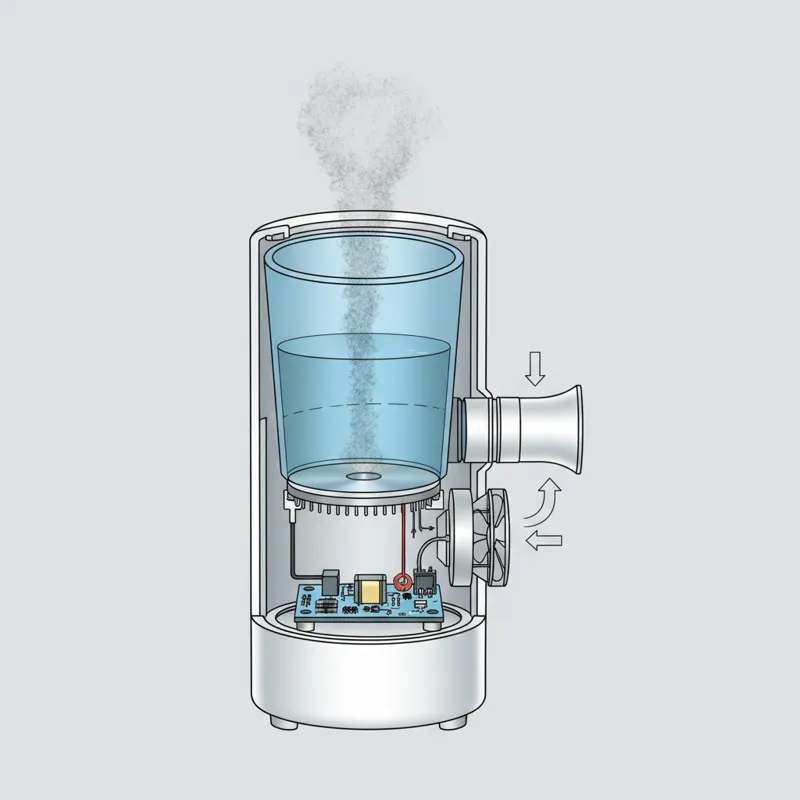
An ultrasonic nebulizer stands out in the world of respiratory therapy devices due to its unique method of converting liquid medication into a fine aerosol mist. Unlike its compressor-driven counterparts that use pressurized air, or even some advanced mesh nebulizers, the ultrasonic model leverages high-frequency sound waves to atomize medication. This fundamental difference is what underpins its primary benefits, particularly for at-home use.
How it Works: The Magic of High-Frequency Vibration
At the core of an ultrasonic nebulizer is a component called a piezoelectric transducer. When an electrical current passes through this ceramic crystal, it vibrates at an incredibly high frequency—typically 1 to 3 megahertz (MHz). This rapid vibration creates a fountain of medication on the surface of the liquid held in the device’s medication cup. As the vibrations intensify, tiny particles are sheared off the surface of this fountain, forming a fine, inhalable mist. The frequency of vibration directly influences the particle size of the aerosol, which is a critical factor for how effectively medication reaches different parts of the respiratory tract. For effective deep lung penetration, particles generally need to be in the 1 to 5 micrometer range.
What Makes it Different? Ultrasonic vs. Compressor vs. Mesh
To truly appreciate an ultrasonic nebulizer, it helps to understand its relatives.
- Compressor Nebulizers: These are the traditional workhorses, often robust and reliable but notably noisy. They use a compressed air source to create a high-velocity stream that converts liquid medication into an aerosol. They’re effective for a wide range of medications, but their bulk and sound can be a deterrent, especially for children or during nighttime use.
- Mesh Nebulizers: Representing a more recent advancement, mesh nebulizers push liquid medication through a finely engineered mesh or plate with thousands of microscopic holes. This creates a very fine, consistent mist. They are incredibly quiet, highly portable, and efficient, but their delicate mesh can be prone to clogging if not cleaned meticulously, and some medications are not compatible.
- Ultrasonic Nebulizers: These devices bridge the gap. They are significantly quieter than compressor models and often more robust than mesh nebulizers when it comes to handling various medication viscosities (though some limitations still apply). While often larger than the most compact mesh units, they offer a good balance of portability, efficiency, and ease of maintenance, making them a strong contender for many users seeking an ultrasonic nebulizer.
Why Choose an Ultrasonic Nebulizer for At-Home Care?

The decision to choose a specific type of nebulizer usually boils down to a few key factors that profoundly impact daily living and treatment adherence. For many, an ultrasonic nebulizer hits a sweet spot, providing distinct advantages for routine home respiratory therapy.
The Sound of Silence: A Key Advantage
One of the most immediate and appreciated benefits of an ultrasonic nebulizer is its remarkably quiet operation. Unlike the persistent hum or roar of a compressor nebulizer, ultrasonic models produce little more than a gentle hiss, if any sound at all. This quietness is a game-changer for nighttime treatments, for use in shared spaces, or for children who might be anxious about noisy medical devices. It allows for a more peaceful and less disruptive treatment experience, which can significantly improve adherence to prescribed therapy, especially for long-term conditions.
Portability and Convenience: Freedom of Movement
While not all ultrasonic nebulizers are equally compact, many models are designed with portability in mind. Their efficient power consumption means they can often run on batteries for extended periods, freeing you from being tethered to a wall outlet. This portability is invaluable for those who travel frequently, need treatments during their workday, or simply want the flexibility to move around their home while nebulizing. The ability to easily pack a device for a weekend trip or carry it to another room for a quick treatment ensures that your respiratory care regimen doesn’t become a burden.
Efficient Medication Delivery: Getting the Most Out of Your Dose
The fine, consistent mist produced by an ultrasonic nebulizer is designed for effective medication delivery. The precise particle size ensures that the therapeutic agent reaches the targeted areas of your lungs and airways, maximizing the drug’s efficacy. This efficiency means less medication waste compared to some less optimized systems, ensuring you receive the full benefit of each dose. For certain medications, this efficiency can translate directly into more effective symptom management and better long-term outcomes.
Cool Mist: Gentle on Airways
Unlike some older nebulizer technologies that might generate a slightly warm mist, ultrasonic nebulizers typically produce a cool mist. This can be particularly beneficial for individuals with highly sensitive airways or conditions like asthma, where irritation can exacerbate symptoms. The cool mist is often more comfortable to inhale, reducing the likelihood of coughing or discomfort during treatment and making the experience more tolerable overall.
Who Benefits Most from an Ultrasonic Nebulizer?

While a healthcare professional should always guide specific device recommendations, certain individuals and situations are particularly well-suited to the benefits offered by an ultrasonic nebulizer.
Chronic Respiratory Conditions
People living with chronic conditions like asthma, COPD (Chronic Obstructive Pulmonary Disease), or cystic fibrosis often require regular, sometimes daily, nebulizer treatments. The quietness and ease of use of an ultrasonic nebulizer can make these frequent treatments less burdensome, promoting consistency in therapy. Its reliability also offers peace of mind for long-term management.
Pediatric Use
Children, especially infants and toddlers, can be easily startled or resistant to medical procedures. The near-silent operation of an ultrasonic nebulizer makes it far less intimidating than a noisy compressor unit. This can significantly ease the stress of administering medication to children, making treatments smoother and more effective for both the child and their caregivers. Many models are specifically designed with child-friendly masks and features.
Travel and On-the-Go Relief
For individuals whose conditions might flare up unpredictably or those who simply need to maintain their treatment schedule while away from home, the portability of an ultrasonic nebulizer is a major asset. Its compact size and battery-powered options mean you can carry it in a bag, ensuring fast relief is always within reach, whether you’re traveling across the country or just running errands.
7 Powerful Picks for Fast Relief in 2026
Disclaimer: The following descriptions outline common types and features of high-performing ultrasonic nebulizers available in 2026. Specific product recommendations should always come from your healthcare provider, who can assess your individual needs and medication compatibility. This content is for informational purposes only and does not constitute medical advice.1. The Ultra-Compact Travel Companion: This type prioritizes maximum portability. Think pocket-sized designs, often with USB-C charging for global compatibility and a sleek, durable casing. Ideal for the frequent flyer or anyone needing discrete, on-the-go relief. Its primary advantage is fitting seamlessly into a busy lifestyle without adding bulk.2. The Robust Home Treatment Powerhouse: Built for daily, consistent use, these units emphasize durability and a larger medication capacity. They might include advanced features like selectable mist rates and clearer, intuitive displays. They’re designed for families or individuals needing a dependable, high-volume device that can withstand regular operation.3. The Pediatric Whisperer: Specifically engineered with children in mind, these models are exceptionally quiet and often feature playful designs or animal attachments to make treatment less daunting. They may include smaller, softer masks and simple, one-button operation. The focus is on reducing anxiety and ensuring compliance for young patients.4. The Long-Lasting Battery Champion: For those requiring multiple treatments throughout the day without constant recharging, this category boasts extended battery life, often 8+ hours on a single charge. They provide immense freedom, ensuring therapy continuity during long outings or power outages. Many integrate efficient power management systems.5. The Smart Connectivity Model: Reflecting the 2026 tech landscape, these nebulizers offer Bluetooth connectivity to companion apps. These apps can track treatment duration, medication usage, and even provide reminders, allowing users and their healthcare providers to monitor adherence and progress more closely. This integration supports a more data-driven approach to respiratory health management.6. The Versatile Medication System: These ultrasonic nebulizers are designed to handle a broader range of medication viscosities, sometimes with adjustable settings to optimize particle size for different drug types. They offer greater flexibility for individuals on complex medication regimens, ensuring that even specialized formulations can be effectively nebulized.7. The Budget-Friendly, High-Performer: Proving that effectiveness doesn’t always come with a premium price tag, these picks offer essential ultrasonic benefits—quiet operation, good portability, and efficient mist delivery—at a more accessible cost. They focus on core functionality without sacrificing quality, making advanced nebulizer therapy available to a wider audience.
What Most People Get Wrong About Ultrasonic Nebulizers
While ultrasonic nebulizers offer significant advantages, a few common misconceptions can lead to suboptimal outcomes if not addressed. Understanding these can help you get the most out of your device.
Not All Medications Are Compatible
This is perhaps the most critical point. While many common bronchodilators and corticosteroids used in nebulizer therapy work well in ultrasonic units, some medications, particularly those that are highly viscous or suspensions, might not atomize effectively or could even damage the transducer. Always consult your prescribing physician or pharmacist about the specific medication and its compatibility with an ultrasonic nebulizer. Forcing incompatible drugs can reduce treatment effectiveness and shorten your device’s lifespan.
Cleaning and Maintenance Aren’t Optional
Some users mistakenly believe that because the device doesn’t use a compressor, it requires less rigorous cleaning. This couldn’t be further from the truth. Residual medication can dry and clog the transducer membrane or medication cup, severely impairing performance and potentially harboring bacteria. Regular, thorough cleaning and disinfection are paramount to ensure hygienic, effective treatments and to prolong the life of your ultrasonic nebulizer. It’s not just about what you put in, but how you maintain what remains.
Battery Life Varies Greatly
While portability is a major plus, assuming all battery-powered ultrasonic nebulizers offer the same run-time is a mistake. Battery life varies significantly between models and depends heavily on usage patterns, such as mist intensity settings. Always check the manufacturer’s specifications for estimated battery life and understand that frequent, high-intensity use will drain the battery faster. Keeping a charging cable or power bank handy, especially for travel, is a good practice.
Maintaining Your Ultrasonic Nebulizer: Essential Care Tips
Proper care of your ultrasonic nebulizer isn’t just about hygiene; it directly impacts the device’s performance and longevity. Skipping steps can lead to inefficient treatments and premature wear.
Daily Cleaning Protocol
After each use, immediately disassemble the medication cup, mouthpiece or mask, and any connecting tubes. Rinse these components thoroughly with warm tap water to remove all medication residue. It’s critical to use distilled or sterile water if your tap water quality is questionable, especially for the medication cup. Shake off excess water and allow all parts to air dry completely on a clean, lint-free cloth or paper towel before reassembling or storing. Avoid harsh brushes that could scratch delicate surfaces, and never submerse the main unit.
Disinfection Practices
Beyond daily cleaning, regular disinfection is vital, typically once a week or as recommended by the manufacturer. You can disinfect parts by boiling them in water for a few minutes (check manufacturer guidelines for heat tolerance) or by using a solution of distilled white vinegar and distilled water (one part vinegar to three parts water) for 30 minutes. Some devices are compatible with medical-grade disinfectants. After disinfecting, rinse thoroughly with sterile water and allow to air dry. For more general insights into maintaining health and wellness, you might find broader lifestyle tips interesting, such as exploring the varieties mentioned in “The 7 Best Drinks on the Ding Tea Menu,” which, while unrelated to medical devices, touch on personal choices for comfort and well-being.
Storing Your Device Properly
Once clean and completely dry, store your ultrasonic nebulizer and its accessories in a clean, dry, and dust-free environment. Many come with a carrying case that helps protect the components. Ensure the medication cup and mouthpiece are free from moisture before storage to prevent bacterial growth. Proper storage prevents contamination and mechanical damage, keeping your device ready for its next use.
Navigating the Market: What to Look For When Buying
With various ultrasonic nebulizer models available, knowing what features matter most can simplify your decision-making process.
Particle Size: Optimal Delivery
The size of the aerosol particles is crucial for effective medication delivery. Look for devices that specify a Mass Median Aerodynamic Diameter (MMAD) in the range of 1 to 5 micrometers. Particles within this range are optimal for reaching the lower respiratory tract, where many respiratory medications need to act. Manufacturers often provide this data, sometimes even listing it on a product’s Wikipedia page for detailed specifications.
Battery Life and Charging Options
If portability is key, assess the stated battery life. Does it meet your needs for treatments on the go? Look for convenient charging methods like USB-C, which offers universal compatibility and faster charging times. Some models also offer car adapters, adding another layer of flexibility.
Medication Cup Capacity
Consider the volume of medication you typically nebulize. Medication cup capacities vary, so ensure the device can comfortably hold your prescribed dose without needing refills during a single treatment session. Larger capacities can be more convenient for multi-dose treatments or for users with higher volume prescriptions.
Ease of Use and Assembly
A good ultrasonic nebulizer should be intuitive to use. Look for clear controls, easy assembly and disassembly for cleaning, and simple indicators for battery life or mist output. Complexity can lead to user error and reduced adherence, especially for elderly users or those with limited dexterity.
Noise Level (Even among ultrasonics)
While all ultrasonic nebulizers are quieter than compressor models, there can still be subtle differences in operational sound. If absolute silence is a priority, especially for pediatric use or very sensitive individuals, seek out reviews or demonstrations that specifically comment on the device’s decibel levels during operation. You’ll find many resources, from scientific studies to detailed consumer reviews on sites like Forbes, that delve into device comparisons.
Frequently Asked Questions (FAQ)
Are ultrasonic nebulizers effective for all respiratory conditions?
Ultrasonic nebulizers are highly effective for many common respiratory conditions like asthma, COPD, and bronchitis, primarily due to their efficient particle delivery. However, their compatibility with certain highly viscous medications or suspensions can be limited compared to compressor nebulizers. Always consult your doctor or pharmacist to confirm if your specific medication is suitable for an ultrasonic device.
Can I use saline solution in an ultrasonic nebulizer?
Yes, sterile normal saline solution (0.9% sodium chloride) is commonly used in ultrasonic nebulizers. It can help loosen mucus and hydrate airways. Ensure you use only sterile, unpreserved saline solutions specifically intended for nebulization to avoid introducing contaminants or irritants. For an entirely different kind of soothing experience, you might enjoy reading about the gentle refreshment found in “7 Proven Reasons to Love Arizona Sweet Tea.”
How often should I replace parts of my ultrasonic nebulizer?
The frequency of part replacement depends on the specific component and how often you use and clean the device. Mouthpieces and masks should be replaced every 6 to 12 months, or sooner if they show signs of wear. The medication cup or transducer plate might need replacing annually or as indicated by the manufacturer, especially if you notice a decrease in mist output or inconsistent operation. Regular inspection is key.
Is an ultrasonic nebulizer safe for infants?
Yes, many ultrasonic nebulizers are safe and highly recommended for infants due to their quiet operation and ability to deliver medication gently. Always use the appropriate infant-sized mask, and follow your pediatrician’s instructions regarding medication dosage and treatment duration. Supervision during treatment is always necessary.
What’s the typical lifespan of an ultrasonic nebulizer?
With proper care and maintenance, a high-quality ultrasonic nebulizer can last anywhere from 3 to 5 years, or even longer for some robust models. The transducer is typically the most critical component, and its lifespan can be affected by the types of medications used and cleaning practices. Always adhere to the manufacturer’s guidelines for care and part replacement to maximize your device’s longevity.
The Future of Nebulization Technology
The trajectory for nebulization technology, particularly for ultrasonic and mesh devices, points toward even greater integration with digital health platforms. We’re seeing advancements in smart devices that offer personalized treatment feedback, AI-driven diagnostic support, and seamless communication with healthcare providers. Expect smaller, even more efficient units that can process a wider array of medications, further blurring the lines between clinical and home care.
This move towards ‘connected care’ promises to make respiratory therapy more accessible, effective, and tailored to individual needs than ever before. The convenience of monitoring your health alongside enjoying a good read, perhaps about “The Ultimate 2026 Guide to French Roast Coffee,” highlights how seamlessly health tech is integrating into daily life. By understanding the mechanics, benefits, and proper care of an ultrasonic nebulizer, you’re better equipped to make a choice that genuinely supports your respiratory health in 2026 and beyond. This isn’t just about managing symptoms; it’s about reclaiming comfort and control in your daily life.
Disclaimer: The health and medical information on bangladeshcountry.com is provided for general informational and educational purposes only and is not a substitute for professional medical advice, diagnosis, or treatment. We are not medical professionals. Always consult with a qualified healthcare provider before making any medical decisions. Reliance on any information provided on this site is solely at your own risk.


