Does psyllium husk cause cancer? No. Psyllium husk itself does not cause cancer. The cancer warnings found on some psyllium husk products (like Metamucil) are typically due to California’s Proposition 65. This law requires warnings on products containing trace amounts of heavy metals, like lead, which are naturally absorbed by the psyllium plant from the soil. Extensive medical research shows that psyllium is safe and may actually help reduce the risk of colon cancer.
In an era where personal wellness is paramount, reading a cancer warning on your daily fiber supplement can be terrifying. If you’ve recently bought a psyllium husk product and noticed a bold warning label, you aren’t alone in your concern.
Before you throw your supplement in the trash, let’s clear the air. In this comprehensive guide, we will debunk the myths, explain exactly why that warning is there, and explore the true, science-backed facts about psyllium husk.
Just as you might research the best foaming soap dispenser for your bathroom or an efficient mini stepper for home workouts, it’s essential to apply the same scrutiny to dietary supplements.
What is Psyllium Husk, Anyway? (And Why Does It Matter for Digestive Health?)

Before we dive into any ‘Psyllium Husk Cancer Warning,’ let’s establish a foundational understanding of what psyllium husk is. Derived from the seeds of the Plantago ovata plant, psyllium husk is a natural, soluble dietary fiber. When it comes into contact with water, it absorbs liquid and forms a gel-like substance. This unique property is precisely why it’s a powerhouse for digestive health.
Mechanistically, psyllium acts as a bulk-forming laxative. As it gels in the digestive tract, it adds significant volume to your stool, making it softer and easier to pass. This isn’t just about alleviating constipation; it also helps solidify loose stools by absorbing excess water, providing a remarkable dual-action benefit for regularity. Beyond simple bowel movements, this fiber also contributes to overall gut motility and can foster a healthier environment for your gut microbiome.
Why is There a Cancer Warning on Psyllium Husk?
The primary reason you might see a “cancer warning” or “reproductive harm” label on your psyllium powder is due to California’s Safe Drinking Water and Toxic Enforcement Act of 1986, commonly known as Proposition 65 (Prop 65).
The Role of Trace Heavy Metals
Psyllium husk is an agricultural product grown in the ground. The earth’s soil naturally contains trace amounts of heavy metals, including lead. As the Plantago ovata plant grows, it absorbs these naturally occurring minerals.
Prop 65 has incredibly strict thresholds for heavy metals—often hundreds of times stricter than the safety limits set by the FDA or the World Health Organization. Because psyllium husk contains microscopic, naturally occurring trace amounts of lead from the soil, companies are legally required to print a cancer warning on the label to sell their products in California. This does not mean the product is dangerous or toxic.
Can Psyllium Husk Actually Prevent Cancer?
Ironically, while labels might scare consumers, the medical community views psyllium husk as a protective dietary agent.
Instead of causing cancer, a consistent body of research suggests that a high-fiber diet—especially soluble fiber like psyllium—plays a crucial role in preventing it, particularly colorectal cancer.
- Reduced Transit Time: Fiber adds bulk to your stool, moving waste faster through the colon. This gives potential carcinogens less time to linger in your digestive tract.
- Short-Chain Fatty Acids (SCFAs): Psyllium acts as a prebiotic. When good bacteria ferment it in the gut, they produce butyrate, an SCFA known for its anti-inflammatory and cancer-preventing properties.
4 Proven Health Benefits of Psyllium Fiber
Moving past the Prop 65 warning, psyllium is highly recommended by doctors for its profound health benefits:
- Promotes Digestive Regularity: It acts as a bulk-forming laxative. It softens stools to relieve constipation and absorbs water to manage diarrhea.
- Lowers “Bad” Cholesterol: Soluble fiber binds to bile acids in the gut, helping your body excrete them. To replace the bile, your liver pulls LDL (bad) cholesterol from the blood, improving heart health.
- Manages Blood Sugar: By slowing down the digestion of carbohydrates, psyllium prevents sudden blood sugar spikes, making it highly beneficial for type 2 diabetes management.
- Aids in Weight Management: The gel-like expansion of psyllium in the stomach promotes a feeling of fullness, reducing overall calorie intake.
Real Risks: Who Should Be Cautious?
While cancer isn’t a risk, there are legitimate side effects you should be aware of when taking psyllium husk:
- Choking Hazards: Psyllium rapidly expands in liquid. If swallowed without enough water, it can cause choking or throat blockages. Always drink it with at least 8 oz of water.
- Digestive Discomfort: Starting with a massive dose can cause severe gas, bloating, and cramping. Always start small.
- Medication Interference: Fiber can trap medications and prevent them from absorbing. Take psyllium at least 2 hours before or after your prescription medications.
How to Safely Take Psyllium Husk
To maximize benefits and eliminate discomfort, follow these simple rules:
- Start Low and Go Slow: Begin with 1/2 teaspoon daily and gradually increase your dose.
- Hydrate, Hydrate, Hydrate: Mix the powder vigorously into a full glass of water and drink immediately before it thickens. Follow up with a second glass of plain water.
- Check with Your Doctor: Always consult your physician if you have a history of bowel obstructions or take daily medications.
Fact 1: The ‘Psyllium Husk Cancer Warning’ – Is There Any Real Scientific Basis?
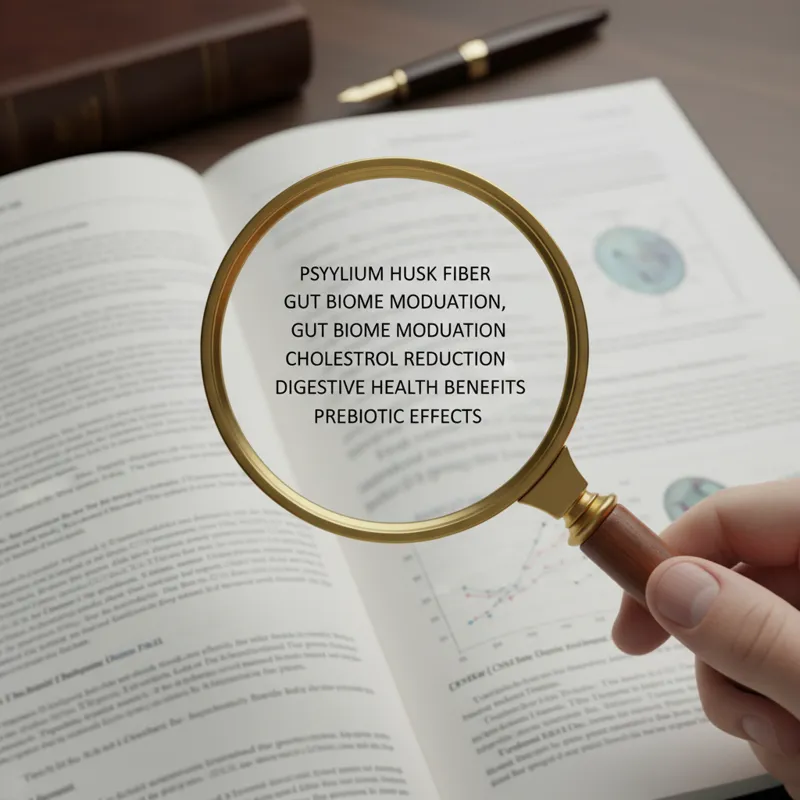
Let’s address the elephant in the room directly: the ‘Psyllium Husk Cancer Warning.’ For many consumers, the primary concern is whether incorporating this common fiber supplement into their diet could increase their risk of cancer.
Based on the vast body of scientific evidence available in 2026, the answer is a resounding no. There is no credible, peer-reviewed scientific evidence that links psyllium husk consumption to an increased risk of cancer in humans. So, where do these warnings come from? Often, they stem from misinterpretations of preliminary research, isolated animal studies whose findings don’t translate to humans, or simply sensationalized online content.
It’s crucial to understand that the rigorous safety evaluations conducted by regulatory bodies like the U. S. Food and Drug Administration (FDA) have not flagged psyllium husk as a carcinogen. In fact, many health organizations recognize it as a safe and beneficial dietary supplement when used appropriately. You can typically find detailed regulatory information regarding fiber supplements, including psyllium, on official government health websites.
For instance, the National Institutes of Health provides extensive dietary supplement fact sheets, which often touch upon the safety and efficacy of common fibers and can be a reliable source of information. The consensus among medical professionals and nutrition scientists is clear: the benefits of psyllium husk for digestive health far outweigh any unfounded ‘Psyllium Husk Cancer Warning’ concerns.
Fact 2: The Established Health Benefits of Psyllium Fiber

Moving beyond the unfounded cancer claims, it’s important to recognize the well-documented and scientifically supported health benefits of psyllium husk. These advantages are why it remains a widely recommended and utilized supplement by healthcare professionals for various conditions.1.
Promotes Digestive Regularity:
- Constipation Relief: Its bulk-forming action helps soften stool and increases its volume, making bowel movements easier and more frequent.
- Diarrhea Management: By absorbing excess water in the colon, psyllium can help firm up loose stools, providing relief from mild to moderate diarrhea.
- IBS Support: For individuals with Irritable Bowel Syndrome (IBS), psyllium can help manage symptoms by regulating bowel habits, especially for those experiencing mixed IBS or constipation-dominant IBS.2.
Supports Heart Health:
- Psyllium’s soluble fiber can help lower LDL (bad) cholesterol levels. It binds with bile acids in the gut, which are then excreted, prompting the liver to pull more cholesterol from the blood to make new bile acids. This mechanism contributes to improved cardiovascular health.3.
Helps Manage Blood Sugar Levels:
- When consumed with meals, psyllium husk can slow down the digestion and absorption of carbohydrates, leading to a more gradual rise in blood sugar levels after eating. This can be particularly beneficial for individuals managing type 2 diabetes or those looking to stabilize their glucose response.4.
Aids in Weight Management:
- The bulking action of psyllium in the stomach can create a feeling of fullness, which may help reduce appetite and calorie intake. Incorporating fiber into your diet can be a valuable tool in a comprehensive weight management strategy.5.
Nourishes the Gut Microbiome:
- While primarily insoluble in function, some components of psyllium husk also act as a prebiotic. This means it provides fermentable material for beneficial gut bacteria, promoting a diverse and healthy microbiome, which is increasingly recognized for its widespread impact on overall health, immunity, and even mood.
Fact 3: Understanding the Science Behind Cancer Prevention (and Psyllium’s Role)
When we discuss a ‘Psyllium Husk Cancer Warning,’ it’s vital to frame the discussion within the broader scientific understanding of diet, fiber, and cancer prevention. Far from causing cancer, a consistent body of research suggests that adequate dietary fiber intake, including the type found in psyllium, may actually play a protective role against certain cancers, particularly colorectal cancer. The mechanistic understanding is straightforward:
- Reduced Transit Time: Fiber adds bulk to stool, which speeds up its passage through the colon. This means potential carcinogens spend less time in contact with the colon lining.
- Binding Carcinogens: Certain types of fiber can bind to toxins and carcinogens in the gut, helping to facilitate their excretion from the body.
- Gut Microbiome Modulation: As mentioned, psyllium husk can act as a prebiotic, fostering the growth of beneficial gut bacteria. A healthy gut microbiome produces short-chain fatty acids (SCFAs) like butyrate, which are known to have anti-inflammatory and anti-cancer properties in the colon.
- Dilution Effect: Fiber increases stool volume, which dilutes the concentration of any potential carcinogens present in the feces. While research is ongoing, and the relationship between specific fiber types and cancer prevention is complex, the general consensus, backed by organizations like the American Cancer Society, is that a fiber-rich diet is a key component of a cancer-preventative lifestyle. You can find extensive resources on diet and cancer prevention from institutions like the National Cancer Institute, which consistently highlight the benefits of dietary fiber. Therefore, instead of a ‘Psyllium Husk Cancer Warning,’ the scientific literature often points toward its potential as part of a cancer-protective dietary pattern, aligning it with other health-promoting fibers.
Fact 4: Who Should Be Cautious with Psyllium Husk? (Real Risks, Not Imagined Ones)
While the ‘Psyllium Husk Cancer Warning’ lacks scientific backing, it’s essential to be aware of actual, verifiable risks and potential side effects associated with its use. These are typically manageable with proper usage but warrant caution.1.
Choking Hazard and Esophageal Blockage:
- This is the most critical immediate risk. Psyllium husk expands significantly upon contact with water. If you don’t take it with enough liquid, or if you have a pre-existing swallowing difficulty (dysphagia), it can swell in your throat or esophagus and cause choking or obstruction. Always mix psyllium with a full glass of water (at least 8 ounces) and drink it immediately, followed by another glass of water.2.
Digestive Discomfort:
- Especially when first starting psyllium or if you increase the dose too quickly, you might experience gas, bloating, stomach cramps, or a feeling of fullness. Your digestive system needs time to adjust to increased fiber intake.3.
Allergic Reactions:
- Though less common, some individuals can develop allergic reactions to psyllium husk. Symptoms can include skin rashes, itching, difficulty breathing, or swelling of the face/throat. If any severe allergic reaction occurs, seek immediate medical attention.4.
Medication Interactions:
- Psyllium can interfere with the absorption of certain medications by binding to them in the digestive tract. These can include antidepressants, cholesterol-lowering drugs, diabetes medications, and certain vitamins/minerals. It’s generally recommended to take psyllium at least 1-2 hours before or after other medications. Always discuss your supplement use with your doctor or pharmacist, especially if you are on prescription drugs.5.
Existing Medical Conditions:
- Individuals with certain medical conditions, such as bowel obstruction, stomach ulcers, intestinal narrowing, or sudden changes in bowel habits accompanied by abdominal pain, fever, or nausea, should avoid psyllium husk unless specifically advised by a doctor. Understanding these genuine concerns, rather than an unsubstantiated ‘Psyllium Husk Cancer Warning,’ is key to using this supplement safely and effectively.
Fact 5: Dosage, Preparation, and Safe Consumption Guidelines
To maximize the benefits of psyllium husk and minimize potential side effects, adherence to proper dosage and preparation is essential. These guidelines are crucial for any user, particularly those new to fiber supplements.1.
Start Low, Go Slow:
- Begin with a small dose, perhaps 1/2 teaspoon or one capsule once a day. Gradually increase the dosage over several days or weeks to allow your digestive system to adapt. This minimizes gas, bloating, and cramping.
- Typical adult doses range from 5 to 10 grams (1-2 teaspoons or 2-4 capsules) one to three times daily, but always follow product-specific instructions or your doctor’s advice.2.
Hydration is Non-Negotiable:
- This cannot be stressed enough: always take psyllium husk with a full glass (at least 8 ounces) of water or another liquid. After consuming the mixture, it’s often beneficial to drink another glass of plain water. Inadequate fluid intake is the primary cause of choking or blockages.
- Throughout the day, ensure you maintain overall adequate hydration, especially when increasing fiber intake.3.
Timing with Medications:
- As discussed, psyllium can affect medication absorption. To avoid this, take psyllium at least 1 to 2 hours before or 2 to 4 hours after any prescription medications or other supplements.4.
Choosing Your Form:
- Whole Husks: These are less processed and have a slightly coarser texture.
- Powder: More finely ground, it mixes more easily into liquids but can form a gel very quickly, requiring even faster consumption.
- Capsules: Convenient for precise dosing and avoiding the texture, but you’ll need to take several capsules to achieve the same fiber dose as powder. Always take capsules with plenty of water.5.
What to Look For:
- Opt for reputable brands that clearly list ingredients and provide third-party testing for purity. Avoid products with excessive added sugars, artificial sweeteners, or unnecessary fillers. By following these practical guidelines, you can safely integrate psyllium husk into your diet and reap its numerous health benefits without encountering the real side effects that can arise from improper use.
Fact 6: What Most People Get Wrong About Fiber Supplements and Cancer
The conversation around any ‘Psyllium Husk Cancer Warning’ often highlights several common misconceptions people hold about dietary supplements and cancer risk. Understanding these can help you better evaluate health claims and make informed decisions.1.
The “Natural is Always Safe” Fallacy:
- Just because something is natural doesn’t automatically mean it’s benign or without potential side effects. Arsenic is natural, but highly toxic. While psyllium husk is generally safe, its natural origin doesn’t negate the need for proper use and understanding of its specific properties, like its rapid gelling. Conversely, a lack of “naturalness” doesn’t automatically imply harm.2.
Misinterpreting Correlation vs. Causation:
- Many health claims, especially those that spark fear like a ‘Psyllium Husk Cancer Warning,’ arise from misunderstanding the difference between correlation (two things happening at the same time) and causation (one thing directly causing another). An observed link in a population study doesn’t mean a supplement causes an outcome. It requires extensive research to establish direct causation, which is notably absent for psyllium and cancer.3.
Overemphasis on Isolated Risks, Underemphasis on Holistic Health:
- People sometimes get so focused on a sensational ‘Psyllium Husk Cancer Warning’ that they overlook the fundamentals of health. A balanced diet rich in whole foods, regular physical activity, adequate hydration, stress management, and even simple daily routines, which might include effective oral care facilitated by tools like a quality mouthwash dispenser, contribute far more to cancer prevention than any single supplement could detract from it. The overall dietary pattern and lifestyle are vastly more impactful than any one ingredient.4.
Ignoring the Dose-Response Relationship:
- With many substances, the dose makes the poison. Even beneficial compounds can be harmful in excessive amounts. While psyllium has a good safety profile, taking far too much, especially without sufficient water, can lead to adverse effects like blockages, as discussed. This isn’t unique to psyllium; it’s a principle of pharmacology and toxicology.5.
Confusing Specific Animal Studies with Human Relevance:
- Sometimes, isolated ‘warnings’ can emerge from high-dose animal studies where the physiological responses are very different from humans. It’s critical to remember that findings in rats or mice don’t always translate directly to human health, especially when assessing complex outcomes like cancer. By moving past these common missteps, consumers can develop a more robust and evidence-based approach to evaluating health information and making personal wellness choices. Forbes, for example, often publishes articles that help distinguish between health myths and facts, providing a broader context for evaluating supplements.
Fact 7: Looking Ahead to 2026: The Evolving Understanding of Gut Health
As we stand in 2026, the scientific community’s understanding of gut health, the microbiome, and their profound impact on overall wellness continues to evolve at a rapid pace. Research is constantly uncovering new connections between our gut flora and aspects ranging from immunity to mental health, and critically, chronic disease prevention. In this context, dietary fiber remains a cornerstone.
While personalized nutrition and targeted interventions based on individual microbiome profiles might become more commonplace in the coming years, the fundamental role of broad-spectrum fiber sources like psyllium husk will likely remain steadfast. It offers a well-studied, cost-effective way to supplement dietary fiber intake, supporting digestive regularity and contributing to a healthy gut ecosystem. Future research might further refine our understanding of how different fiber types interact with specific microbial populations, potentially leading to more tailored recommendations.
However, based on current knowledge, the general advice holds: increasing fiber intake from various sources, including safe and effective supplements like psyllium, is a positive step for most people’s health. The ‘Psyllium Husk Cancer Warning’ remains a non-issue from a scientific standpoint, and its established benefits ensure its continued relevance in the landscape of digestive health.
Frequently Asked Questions About Psyllium Husk
Let’s address some of the most common questions people have when considering psyllium husk, especially in light of any lingering concerns about a ‘Psyllium Husk Cancer Warning.’
Does Metamucil have a cancer warning?
Yes, some Metamucil and generic psyllium products carry a Prop 65 warning label in the US. This is due to trace amounts of lead naturally absorbed from the soil during farming, not because the ingredients themselves cause cancer.
Is it safe to take psyllium husk every day?
Yes. For the vast majority of healthy adults, taking daily psyllium husk is perfectly safe and highly beneficial for long-term digestive and heart health.
Are there heavy metals in psyllium husk?
Yes, but in extremely minute, naturally occurring trace amounts. Plants absorb these elements from the soil. The FDA monitors these levels to ensure they remain well below anything that would cause toxicity in humans.
Can psyllium husk cause a bowel obstruction?
If taken without adequate water, the fiber can harden in the intestines or throat and cause an obstruction. Always consume psyllium with plenty of fluids.
How much psyllium husk should I take daily?
The optimal daily dosage varies based on individual needs and the specific product. Generally, adult doses range from 5 to 10 grams (equivalent to about 1 to 2 teaspoons of powder or 2 to 4 capsules) taken one to three times per day. Always start with the lowest recommended dose and gradually increase it. Most importantly, consume it with a full glass of water, and ensure overall adequate fluid intake throughout the day. Your doctor can provide personalized dosage recommendations.
Ultimately, the overwhelming scientific consensus is clear: concerns regarding a ‘Psyllium Husk Cancer Warning’ are unfounded. This natural fiber supplement offers a range of well-documented health benefits, particularly for digestive and cardiovascular health, when used correctly and responsibly. By understanding these facts, adhering to safe consumption guidelines, and prioritizing a holistic approach to your well-being, you can confidently integrate psyllium husk into your health regimen. Always remember to discuss any dietary or supplement changes with your healthcare provider to ensure they are appropriate for your individual health profile.
Disclaimer: The health and medical information on bangladeshcountry.com is provided for general informational and educational purposes only and is not a substitute for professional medical advice, diagnosis, or treatment. We are not medical professionals. Always consult with a qualified healthcare provider before making any medical decisions. Reliance on any information provided on this site is solely at your own risk.