
Navigating the world of curly hair can often feel like a delicate dance, especially when it comes to detangling. The wrong tool or technique doesn’t just cause a momentary snag; it can lead to frizz, breakage, and a complete disruption of your natural curl pattern. For those with textured hair, a comb isn’t merely a grooming accessory; it’s a critical instrument for maintaining hair health and definition. Choosing the right comb for curly hair is less about brand names and more about understanding the mechanics of how it interacts with your unique coils and waves. In 2026, with innovations in materials and a deeper understanding of hair science, the options are better than ever.
Why the Right Comb For Curly Hair Matters More Than You Think
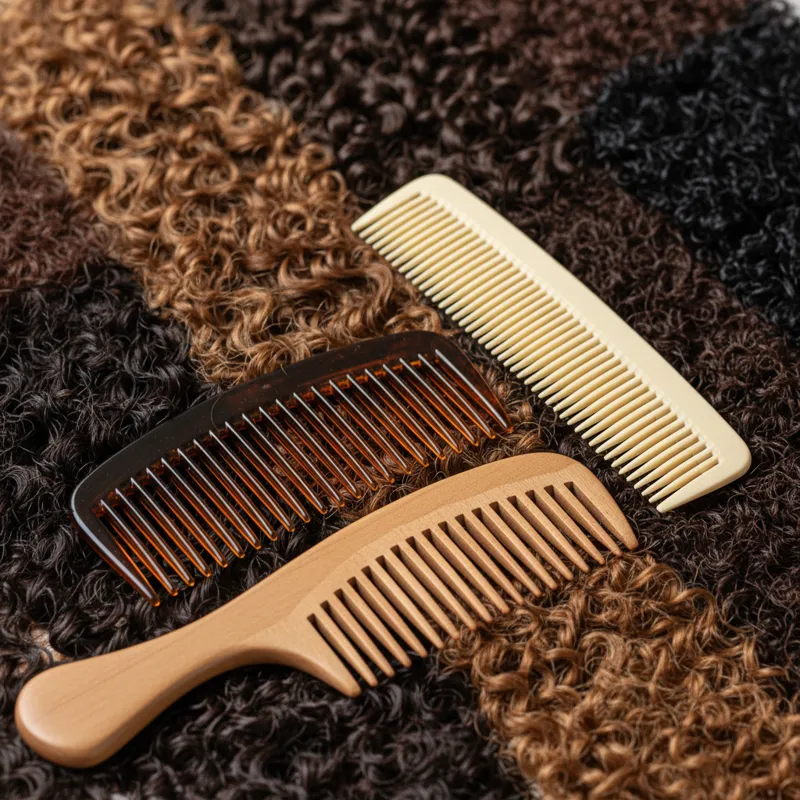
Curly hair, by its very nature, is more prone to tangles and breakage than straight hair. Each curve and coil represents a potential point of weakness where the cuticle layer can lift or snag. When you introduce friction from an inappropriate tool, you’re not just pulling knots apart; you’re actively tearing through the hair shaft. This is why a generic comb designed for straight hair often fails spectacularly on curls. The mechanics are simple: fine, rigid teeth force hair strands into unnatural positions, creating tension and leading to micro-fractures along the cuticle. Over time, this damage accumulates, resulting in frizz, split ends, and a noticeable lack of elasticity. A good comb for curly hair, conversely, is designed to glide through tangles with minimal resistance, preserving the integrity of the hair strand and encouraging natural curl formation. It’s about working with your hair, not against it.
Understanding Different Comb Materials: What Works Best?
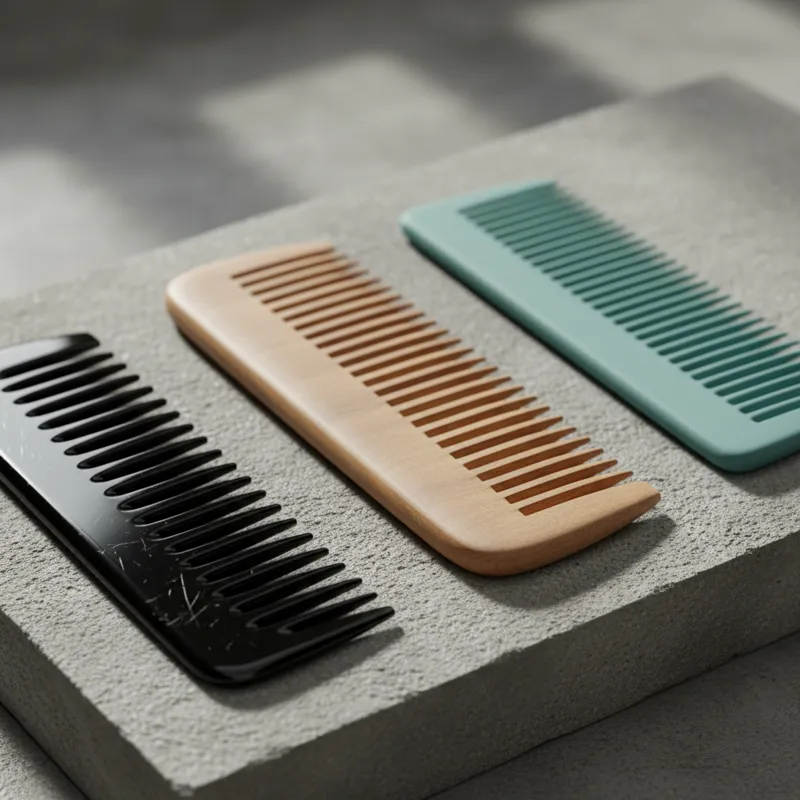
The material of your comb plays a significant role in its effectiveness and its impact on your curly hair. Each material brings a unique set of properties to the table, influencing everything from static electricity to durability.
Plastic Combs
Plastic combs are ubiquitous and often the most affordable option. They come in a vast array of designs, including wide-tooth varieties ideal for curly hair. However, quality varies immensely. Cheaper plastic combs often have visible seams or mold lines, which create sharp edges that can snag and abrade the hair cuticle. They can also generate static electricity, leading to frizz. Higher-quality plastic combs, particularly those made from cellulose acetate, are often seamless and hand-polished, offering a smoother glide and significantly reducing static.
Wooden Combs
Wooden combs are a favorite among many curly hair enthusiasts for good reason. Wood is naturally anti-static, which means less frizz. It’s also porous and can absorb some of the natural oils from your scalp, distributing them gently down the hair shaft as you comb, promoting shine and health. Look for wooden combs that are well-sanded and finished to ensure there are no splinters or rough edges. Maintenance is key with wood; they generally shouldn’t be left submerged in water for extended periods.
Silicone/Rubberized Combs
These combs are gaining popularity, especially for shower detangling. Silicone or rubberized materials offer flexibility and a gentle, almost soft feel against the scalp. They are completely waterproof, making them ideal for use with conditioner in the shower. The flexibility of the material can also help them bend slightly around stubborn tangles rather than rigidly pulling through them. They are less likely to generate static than basic plastics but may not offer the oil distribution benefits of wood.
The 7 Best Combs For Curly Hair That Actually Work in 2026
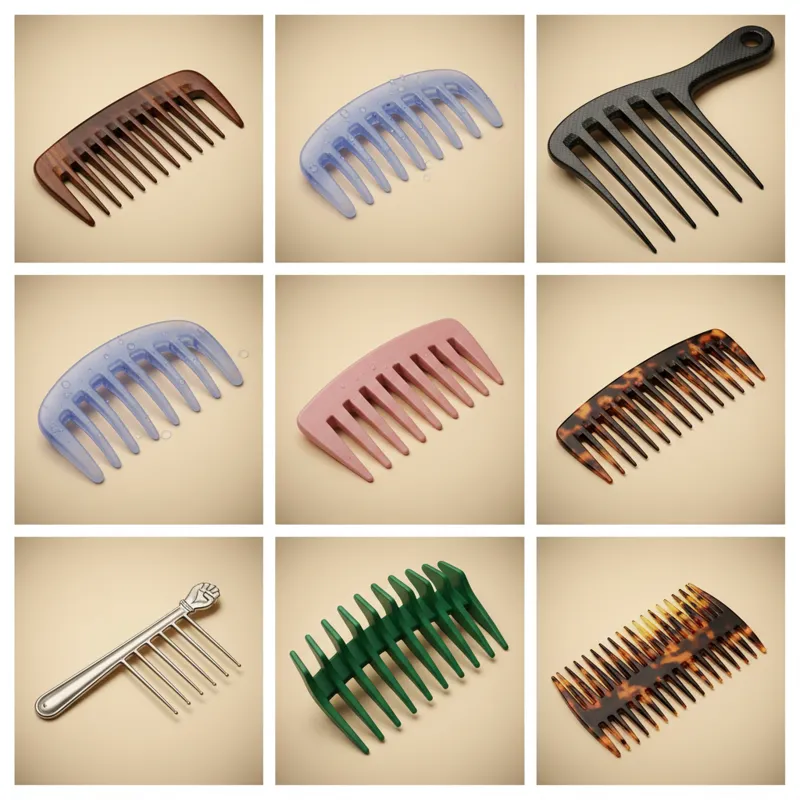
Choosing the right comb for curly hair is a highly personalized journey, but certain types consistently outperform others for their ability to detangle, define, and protect. Here are seven picks that have proven effective for a wide range of curl patterns.
1. The Essential Wide-Tooth Comb
This is the foundational tool for anyone with curly hair. A classic wide-tooth comb features teeth spaced far apart, allowing them to glide through thick, tangled curls without catching or causing breakage. It’s designed to separate strands gently, making it indispensable for detangling. Look for one with smoothly rounded tips to prevent scratching your scalp. It’s a versatile workhorse, perfect for applying conditioner in the shower or gently detangling damp hair post-wash.
2. The Seamless Wide-Tooth Comb (Cellulose Acetate)
Stepping up from basic plastic, a seamless wide-tooth comb made from materials like cellulose acetate offers a significant upgrade. These combs are typically molded and then hand-polished, eliminating the tiny, sharp seams that can be found on cheaper injection-molded plastic combs. The result is an incredibly smooth surface that reduces friction and static, allowing for an even gentler detangling experience. This type of comb feels luxurious and works wonders on all curl types, especially finer curls prone to breakage. For optimal hair health, ensuring your tools are smooth is just as important as the products you choose, much like maintaining vibrant copper hair color dye.
3. The Wooden Wide-Tooth Comb
As discussed, wooden combs excel at reducing static and distributing natural oils. A wooden wide-tooth comb combines these benefits with the necessary tooth spacing for curly hair. They feel substantial and warm in the hand, making the detangling process feel more intentional and soothing. Opt for combs made from durable woods like pearwood, bamboo, or sandalwood, ensuring they have a smooth, sealed finish to prevent water damage and snagging. These are excellent for dry or damp detangling and can help maintain overall scalp and hair health.
4. The Shower Detangling Comb (Rubber/Silicone)
Specifically designed for wet use, these combs are often made from flexible silicone or rubberized plastic. Their waterproof nature makes them ideal for detangling conditioner-saturated hair in the shower, which is often the safest time to tackle knots in curly hair. The material’s flexibility allows the teeth to bend slightly with tough tangles, reducing the stress on individual hair strands. Many models also feature a non-slip grip, which is a practical benefit when your hands are wet and covered in product.
5. The Rake Comb / Afro Pick
While primarily known as a styling tool for adding volume, a well-designed rake comb or Afro pick can also serve a crucial detangling function, particularly at the roots. Its long, widely spaced tines are excellent for gently lifting and separating curls, preventing them from compacting and knotting at the scalp. When used for detangling, approach with extreme gentleness, using it to loosen tangles at the root section by section before using a wider-tooth comb for the lengths. It’s invaluable for those with very dense or coily hair types.
6. The Hair Pick with Long, Tapered Tines
Distinct from a standard Afro pick, this type of hair pick features longer, often slightly more tapered tines designed specifically for adding volume and shaping without disrupting curl definition. While not a primary detangling tool for the entire head, it’s excellent for separating curls at the roots after drying to create lift and airiness. Its design prevents excessive manipulation of the mid-lengths and ends, preserving definition while boosting overall volume. It’s a finishing tool that makes a significant difference in the final look of your curls.
7. The Seamless Fine-Tooth Styling Comb (for sectioning only)
While generally avoiding fine-tooth combs for detangling is critical for curly hair, a seamless fine-tooth comb has a specific, valuable role: precise sectioning. For intricate styling, braiding, or applying products to specific areas, clean sections are essential. Using a seamless design minimizes friction, and when handled carefully – ensuring only to part hair, not comb through it – it can be an invaluable asset. This isn’t for detangling, but for creating the foundation for styles that require neat partitions, often secured by items like snap hair clips.
Mastering the Technique: How to Comb Curly Hair Without Damage
Having the right comb for curly hair is only half the battle; knowing how to use it correctly is equally important. Improper technique can render even the best tools ineffective and still lead to damage.
Always Detangle Wet or Damp
This is perhaps the most crucial rule for curly hair. Dry curly hair is highly susceptible to breakage. Always detangle when your hair is thoroughly wet, preferably saturated with a generous amount of conditioner or a detangling leave-in product. This provides “slip,” allowing the comb to glide through knots with minimal friction and tension. The water and conditioner create a protective barrier around each strand. For further reading on the science behind hair strength and elasticity when wet vs. dry, you can consult resources like the American Academy of Dermatology’s information on hair care or academic journals on trichology. The American Academy of Dermatology offers foundational information on hair care that underscores the importance of gentle handling, especially when wet.
Start from the Ends, Work Up
This widely accepted technique is non-negotiable for curly hair. Begin at the very ends of your hair, gently working out any knots. Once the ends are free of tangles, move a few inches higher and repeat the process. Continue this upward progression, section by section, until you reach your roots. This method isolates tangles, preventing you from pulling a large knot from the roots down, which only compacts it and causes significant breakage.
Section Your Hair
For manageable detangling, especially for denser or longer curly hair, divide your hair into 4-6 smaller sections. Secure each section with a hair tie or clip. Work on one section at a time, keeping the other sections pinned away. This prevents overwhelming your comb and helps ensure every strand is properly detangled without causing unnecessary stress.
Gentle Does It
Patience is paramount. Never force the comb through a tangle. If you encounter resistance, stop, add more conditioner or water, and gently work the knot apart with your fingers first before trying the comb again. Listen to your hair; any sharp pulling or pain indicates you’re being too aggressive. The goal is to separate curls gently, allowing them to clump naturally rather than ripping them apart.
Post-Combing Care
After detangling, resist the urge to comb your hair again once it starts to dry. Further manipulation will disrupt your curl pattern and introduce frizz. Instead, gently scrunch your curls to encourage definition, then proceed with your styling products. Air drying or diffusing with a gentle heat setting will help preserve the defined curls you’ve achieved through careful detangling.
What Most People Get Wrong About Combing Curly Hair
Even with the right tools, common misconceptions can derail your curly hair journey. Understanding these pitfalls is key to avoiding damage.
- Combing Dry Hair: This is the cardinal sin of curly hair care. Dry curly hair is incredibly fragile, and combing it will almost certainly lead to frizz, breakage, and a loss of curl definition. Always ensure your hair is wet and lubricated with conditioner.
- Using Fine-Tooth Combs for Detangling: Unless you’re specifically sectioning (and even then, with extreme care), a fine-tooth comb is the enemy of curly hair. Its closely spaced teeth are designed to smooth and compress, which is antithetical to the needs of textured hair. They will pull and tear through curls, causing irreparable damage.
- Starting From the Roots: As explained, trying to comb from the scalp downwards forces all tangles into a compacted mess, leading to a much harder, more damaging detangling process. Always start at the ends.
- Ignoring Comb Material and Seams: Many people grab the cheapest comb available without inspecting its quality. Sharp seams on plastic combs or rough finishes on wooden combs can shred your cuticle, even if the tooth spacing is appropriate. The smoothness of the tool is critical.
- Not Using Enough Slip: Detangling without sufficient conditioner, leave-in, or water is like trying to untangle a knotted rope dry. The hair needs lubrication to allow the comb to glide effortlessly. Skimping on product will lead to unnecessary pulling and pain.
- Over-Combing: Once your curls are detangled and styled, excessive combing or touching can disrupt their natural formation and cause frizz. Aim to detangle thoroughly once per wash day, then leave your curls alone.
Maintaining Your Combs: Essential for Longevity and Hygiene
Your comb is an investment in your hair’s health, and proper maintenance ensures it stays effective and hygienic. Regular cleaning is crucial. Over time, combs accumulate product buildup, oils, dead skin cells, and shed hair. This grime can then be transferred back to your clean hair, weighing it down or even causing scalp issues. A simple routine involves removing all visible hair strands after each use. For a deeper clean, wash your combs periodically with warm water and a gentle shampoo or dish soap. For those tougher spots, a hair brush cleaner tool can be surprisingly effective, even for combs, to get between the teeth. For wooden combs, avoid prolonged soaking, as this can warp or damage the wood. Instead, wipe them clean with a damp cloth and then dry them thoroughly immediately. Regular oiling (with a food-grade mineral oil or similar) can also help maintain the integrity of wooden combs. Store your combs in a clean, dry place. Avoid leaving them on damp surfaces or near direct heat, which can degrade materials over time. Replacing your comb when you notice any cracks, rough edges, or bent/missing teeth is important. A damaged comb can do more harm than good to your precious curls. The average lifespan of a good quality comb can be several years, but proper care significantly extends it. For insights into general consumer product care, authoritative sources like the Federal Trade Commission often provide guidance on product longevity and maintenance expectations, albeit not specifically for combs. You can generally find helpful consumer tips from reputable organizations to extend the life of your products. USA.gov’s consumer section provides broad resources that reinforce the value of maintenance for products.
Frequently Asked Questions About Combing Curly Hair
Can I comb curly hair every day?
Generally, no. Combing curly hair daily, especially if it’s dry, will lead to frizz, loss of definition, and damage. Most curly hair types benefit from detangling once per wash day, typically every 2-7 days, when the hair is wet and saturated with conditioner. If you need to refresh your curls between washes, try finger-detangling or using a wide-tooth comb very gently on damp, conditioned sections.
Is a brush or comb better for curly hair?
For initial detangling, a wide-tooth comb is often preferred because its widely spaced teeth reduce friction and prevent pulling. However, certain brushes, like specific detangling brushes with flexible bristles (e.g., Denman brush styles or wet brushes), can be excellent for styling and further defining curls after initial detangling with a comb. The choice often comes down to personal preference, curl type, and the specific stage of your hair routine. For detangling stubborn knots, a comb is often safer.
How do I choose the right comb for my curl type?
Consider your curl pattern, density, and hair thickness.
- Wavy hair (2A-2C): May tolerate slightly closer-spaced teeth than coily hair, but wide-tooth is still best for detangling.
- Curly hair (3A-3C): Benefits most from very wide-tooth combs, especially seamless or wooden varieties.
- Coily/Kinky hair (4A-4C): Requires the widest tooth spacing possible, often benefiting from rake combs or Afro picks for root detangling and volume.
- Hair Density: Denser hair will require more robust, wider-toothed combs to manage tangles. Finer curls might benefit from smoother materials like cellulose acetate to prevent static.
What’s the best way to add volume to curly hair with a comb?
The best tool for adding volume is a hair pick with long, tapered tines or a classic Afro pick. Once your hair is completely dry, gently insert the pick into your hair at the roots, parallel to your scalp. Lift gently upwards, fluffing the roots without pulling the comb through the lengths of your curls. This technique lifts the hair away from the scalp, creating volume without disturbing your carefully formed curl clumps. For a deeper understanding of how hair structure impacts styling and volume, delving into scientific literature on hair morphology can be insightful. Resources like Wikipedia’s article on Hair provide a good starting point for learning about the biological aspects of hair. Finding the right comb for curly hair is a cornerstone of a healthy hair routine. It’s not just about removing tangles; it’s about preserving your curl pattern, preventing breakage, and maintaining the overall vitality of your hair. By understanding the different types of combs, their materials, and mastering gentle detangling techniques, you empower yourself to achieve the defined, frizz-free, and healthy curls you deserve in 2026 and beyond. Invest wisely in your tools, treat your curls with care, and watch them thrive.