

As of 2026, sleep science continues to underscore a critical truth: your mattress is a foundational element of your overall health. For side sleepers, this isn’t just a comfort preference; it’s a biomechanical necessity. When you sleep on your side, your body weight concentrates on a relatively small surface area—primarily your shoulders and hips. Without the right mattress, this concentrated pressure can lead to misalignment, stiffness, and chronic pain, undermining the restorative power of sleep. The goal isn’t just softness; it’s about a finely tuned balance of contouring and support that respects your body’s natural curvature in this position.
Understanding the Side Sleeper’s Challenge: Pressure Points and Spinal Alignment
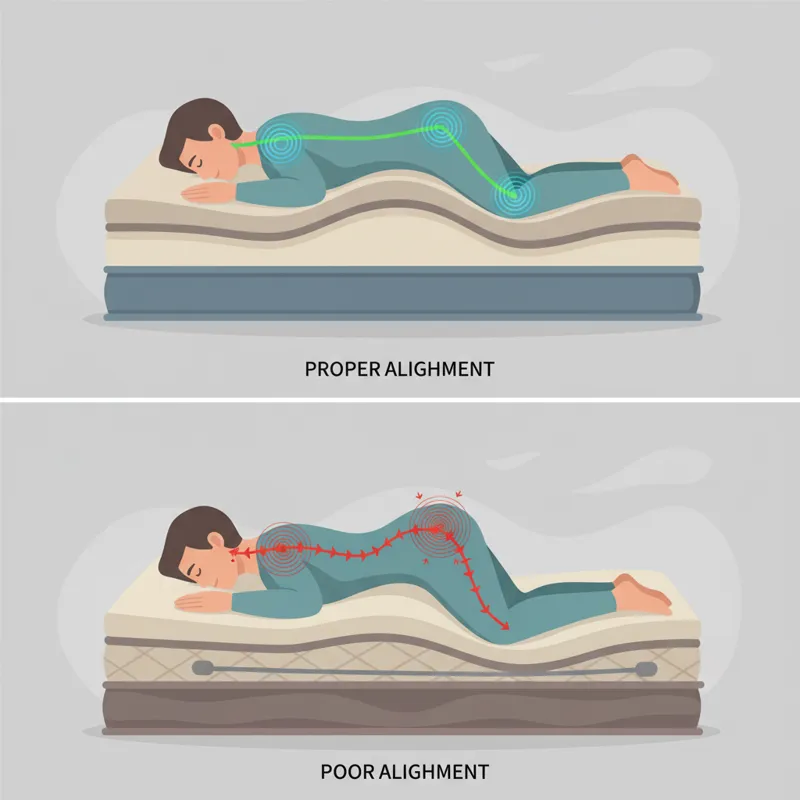
Side sleeping is the most common position for adults, and for good reason. It’s often recommended for reducing snoring, improving circulation, and can be beneficial for digestion. However, it also presents unique challenges for mattress design. When lying on your side, your spine needs to remain straight from your neck down to your tailbone. This means your mattress must allow your heavier shoulders and hips to sink in enough to keep your spine aligned, while simultaneously supporting your waist and preventing it from sagging. The primary adversaries for side sleepers are pressure points. Your shoulder, particularly the acromion process, and the greater trochanter of your hip, bear the brunt of your body weight. A mattress that’s too firm won’t allow these areas to sink in adequately, leading to discomfort, numbness, and potential pain in the morning. Conversely, a mattress that’s too soft might allow too much sinkage, causing your spine to bow and creating strain on your back and neck. Achieving the right balance is paramount for truly restorative, pain-free sleep.
Key Mattress Features for Side Sleepers
To navigate the vast mattress market effectively in 2026, understanding the core features beneficial for side sleepers is crucial. It’s not about finding the absolute softest bed; it’s about targeted engineering.
Pressure Relief: The Non-Negotiable Attribute
For a side sleeper, pressure relief isn’t a luxury; it’s a necessity. Materials like memory foam or latex excel here because of their ability to contour precisely to your body’s unique shape. This contouring distributes weight more evenly across a larger surface area, reducing the intense pressure on your shoulders and hips. Think of it like a perfectly fitted glove, rather than a loose mitten.
- Memory Foam: Known for its viscoelastic properties, memory foam softens with body heat and pressure, molding around your curves. This deep contouring is exceptionally effective at cradling pressure points.
- Latex: Natural or synthetic latex offers a different kind of pressure relief. It’s more responsive than memory foam, providing a buoyant feel while still conforming. Latex springs back quickly, which can be beneficial for those who tend to shift positions slightly during the night.
Targeted Support Zones: Engineered for Alignment
Some of the best mattresses for side sleepers incorporate zoned support. This means different areas of the mattress have varying firmness levels. Typically, the shoulder and hip zones are softer to allow for deeper compression, while the lumbar region is firmer to provide crucial support and prevent sagging. This specialized design directly addresses the side sleeper’s need for both contouring and alignment simultaneously.
Edge Support: Maximizing Usable Surface Area
While often overlooked, good edge support contributes to the overall stability and longevity of a mattress, especially for side sleepers who might spread out. A robust edge prevents premature sagging and ensures you can utilize the entire surface area of the bed without feeling like you’re rolling off. This is particularly relevant for couples sharing a bed or individuals who tend to sleep closer to the edge.
Motion Isolation: Undisturbed Rest
If you share your bed, motion isolation becomes critical. When one partner shifts, a mattress with poor motion isolation can transfer that movement, disturbing the other sleeper. Memory foam and individually pocketed coils (found in many hybrid mattresses) are particularly effective at absorbing motion, ensuring both partners can enjoy uninterrupted rest.
6 Powerful Picks for Pain-Free Sleep: The Best Mattress For Side Sleepers
Considering the principles above, here are six powerful categories of mattresses that consistently deliver for side sleepers, offering that elusive blend of contouring, support, and pressure relief necessary for pain-free mornings.
1. Deeply Contouring Memory Foam Mattresses
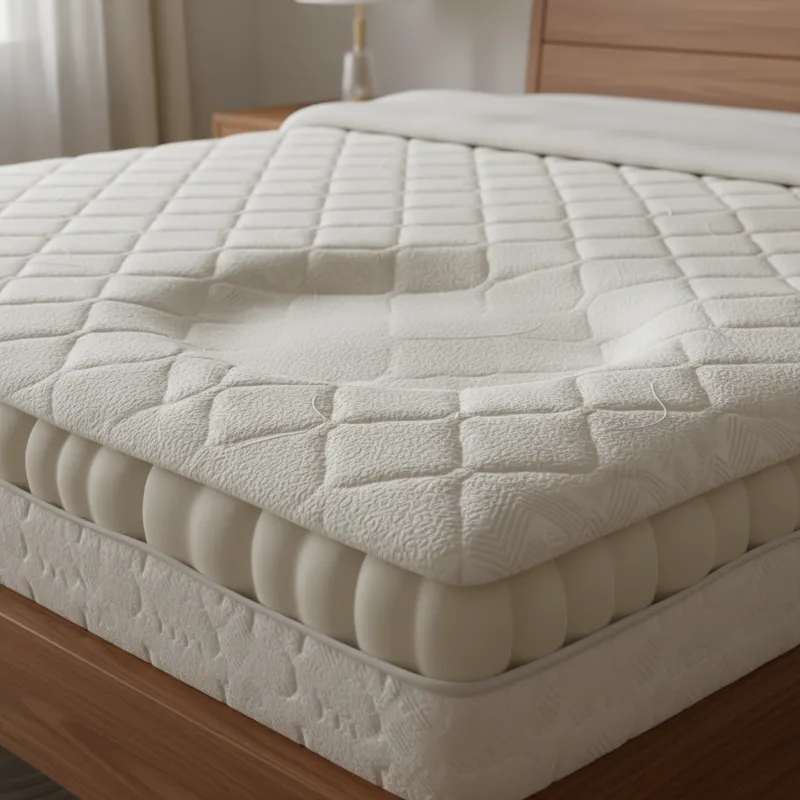
Memory foam mattresses remain a top contender for the best mattress for side sleepers due to their unique ability to relieve pressure. Modern memory foam formulations have evolved significantly since their introduction. Today’s options offer improved breathability and faster response times than their predecessors. When you lie on a high-quality memory foam mattress, it slowly conforms to your body, distributing your weight evenly and virtually eliminating pressure points on your shoulders and hips. The key here is density and composition. A medium-soft to medium-firm memory foam typically provides the ideal balance. Too soft, and you might bottom out; too firm, and you lose that crucial contouring. Look for certifications that indicate low VOCs and material safety. This type of mattress excels at cradling, which directly prevents the sharp pressure points that often lead to discomfort for side sleepers.
2. Responsive and Buoyant Latex Mattresses
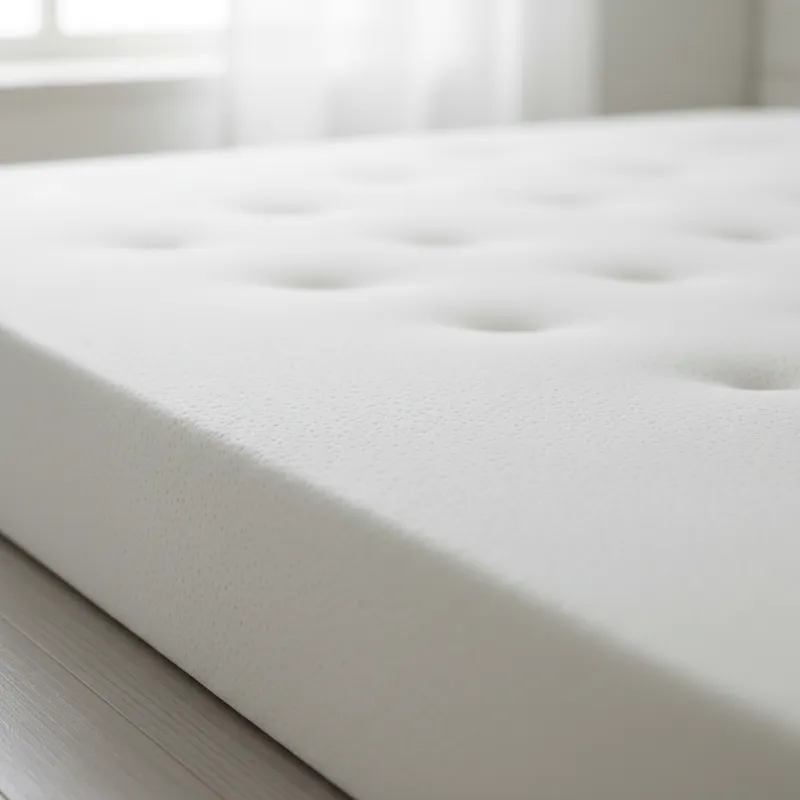
For those seeking pressure relief without the “stuck” feeling sometimes associated with memory foam, latex mattresses are an excellent alternative. Latex, whether natural Dunlop or Talalay, offers a buoyant, responsive contouring that pushes back gently, supporting the body rather than allowing deep sinkage. This makes it a fantastic choice for side sleepers who need both cushioning and a consistent lift. Latex is also naturally durable, hypoallergenic, and often sleeps cooler than traditional memory foam. Its inherent elasticity helps maintain spinal alignment by adapting quickly to movements while still providing crucial give at the shoulders and hips. When exploring options, understand the difference between Dunlop and Talalay processes, as they result in slightly different feels – Talalay often being perceived as softer and more uniform.
3. Versatile Hybrid Mattresses with Memory Foam Layers
Hybrid mattresses represent a convergence of technologies, combining the supportive structure of innerspring coils with the comfort layers of foam or latex. For side sleepers, a hybrid that integrates a substantial layer of memory foam on top of individually pocketed coils often delivers the best of both worlds. The foam top provides the necessary pressure relief and contouring for shoulders and hips, while the coil base offers robust, targeted support and improved airflow. The pocketed coils move independently, which enhances motion isolation—a big plus if you share a bed. They also allow for better responsiveness than an all-foam bed, making it easier to change positions. When selecting a hybrid, pay close attention to the thickness and density of the foam comfort layers; these will dictate how effectively the mattress relieves pressure for your side-sleeping posture.
4. Supportive Hybrid Mattresses with Latex Layers
Similar to their memory foam counterparts, hybrid mattresses featuring latex comfort layers offer a distinct advantage for side sleepers. These models pair the responsive, buoyant feel of latex with the underlying support and airflow of pocketed coils. This combination ensures that while your shoulders and hips receive ample contouring to prevent pressure build-up, your body also experiences a gentle lift that maintains spinal alignment without a feeling of sinking too deeply. The quick responsiveness of latex also makes these hybrids excellent for those who may move frequently throughout the night, offering immediate comfort and support as sleeping positions shift. Furthermore, the coil layer provides superior edge support and breathability compared to all-foam designs, which can be a significant factor for warmer sleepers. This type of hybrid is often a top rated mattress for side sleeping due to its balanced performance.
5. Zoned Support Mattresses for Targeted Relief
Zoned support mattresses are specifically engineered to cater to the body’s distinct weight distribution. For side sleepers, this often translates to softer zones under the shoulders and hips, allowing these heavier areas to sink in more deeply, while firmer zones support the lighter lumbar region. This intelligent design is a powerful tool in achieving optimal spinal alignment and pressure relief. These mattresses can utilize various materials—foam, latex, or even springs—to create their differentiated zones. The underlying principle is to mimic the natural curve of the spine when lying on one’s side. This focused approach to support can be particularly beneficial for mattress for hip pain side sleeper concerns or individuals with broader shoulders, as it directly addresses common discomfort points by providing calibrated give where it’s most needed.
6. Plush Pillow-Top or Euro-Top Mattresses (Especially on Hybrids)
While a pillow-top or Euro-top isn’t a mattress type in itself, it’s a crucial feature that can transform an otherwise firm mattress into an ideal haven for side sleepers. These integrated top layers, often filled with soft foam, fibers, or even micro-coils, provide an immediate layer of plush comfort and pressure relief right at the surface. When combined with a supportive coil or hybrid base, they offer the perfect combination of cloud-like softness and robust underlying support. For side sleepers, this extra padding directly addresses the initial impact on the shoulders and hips, allowing for more immediate sinkage and contouring without compromising the deeper support needed for spinal alignment. This can be especially effective for those who appreciate a very soft initial feel but require the stability of a firmer core.
What Most People Get Wrong About Choosing a Mattress for Side Sleepers
One common misconception is that side sleepers simply need the softest mattress available. While pressure relief is paramount, “softest” doesn’t automatically mean “best.” An overly soft mattress can cause your spine to sag, leading to lower back pain. The ideal mattress allows your shoulders and hips to sink just enough to align your spine, while still providing robust support to your waist. It’s a nuanced balance, not an extreme.
Another mistake is neglecting body weight. A mattress that’s ideal for a lighter side sleeper might feel too firm for a heavier individual, and vice-versa. The interaction between your body and the mattress material is dynamic. Always consider your weight and build in relation to the mattress’s stated firmness level. Many online mattress for side sleepers reviews often highlight experiences across different body types, which can be helpful. Finally, people often ignore the pillow. A mattress is only one half of the spinal alignment equation. For side sleepers, a thicker, supportive pillow that fills the gap between your head and the mattress is just as critical to prevent neck strain. Think of it as a finely tuned system, much like how a specialized writing instrument like a fountain pen requires a specific paper and ink for its best performance, or how a tattoo pen needs the right needle and voltage for precision work. Each component plays a vital role in the overall outcome.
Finding Your Ideal Firmness: It’s Not One-Size-Fits-All
Determining the best firmness for side sleepers is highly individual, but generally, a medium-soft to medium-firm feel is recommended. This range typically provides the necessary give for pressure points while maintaining adequate support for spinal alignment.
- Lighter individuals (under 130 lbs): May prefer a softer mattress (soft to medium-soft) to ensure enough sinkage for pressure relief.
- Average individuals (130-230 lbs): Often find a medium-firm mattress ideal, offering a good balance of contouring and support. This is where most of the top rated mattresses for side sleeping fall.
- Heavier individuals (over 230 lbs): Might require a firmer mattress with substantial support layers to prevent excessive sinkage, perhaps a medium-firm to firm, often a robust hybrid. A firmer comfort layer might still be needed for pressure relief, but the core needs to be very supportive. Remember, firmness ratings are subjective. What one company calls “medium-firm,” another might call “firm.” Pay attention to trial periods and return policies when purchasing, as this allows you to test the mattress in your own home. Consulting objective reviews and detailed product specifications can help bridge the gap between advertised firmness and real-world feel.
Considering Your Sleep Environment and Longevity
In 2026, mattress durability and sustainability are increasingly important. A high-quality mattress is an investment. Look for products with robust warranties and transparent material sourcing. Latex, for instance, is known for its exceptional longevity compared to some foam types.
Also, consider your bedroom’s temperature. Some memory foams can retain heat, though many modern versions incorporate cooling gels, open-cell structures, or graphite infusions. Hybrid mattresses, with their coil systems, typically offer better airflow. Your personal preference for a cooler or warmer sleep environment should factor into your decision when evaluating mattress materials.
Beyond the Purchase: Mattress Care and Maintenance
Even the best mattress for side sleepers needs proper care to maintain its performance and longevity. Regular rotation (if recommended by the manufacturer) helps distribute wear evenly. Using a mattress protector is essential to shield against spills, allergens, and dust mites. For specific care instructions, always refer to the manufacturer’s guidelines.
Proper ventilation is also key. Allowing your mattress to breathe, especially if it’s an all-foam model, can help prevent moisture buildup. Just as you might meticulously care for a specialized creative tool, such as a freckle pen to ensure its tip remains perfect for delicate application, maintaining your mattress ensures its comfort and support remain consistent over time.
Frequently Asked Questions About Mattresses for Side Sleepers
What is the absolute best mattress type for side sleepers?
There isn’t one single “absolute best” type, as personal preference plays a significant role. However, memory foam mattresses and hybrid mattresses with substantial foam or latex comfort layers consistently rate highly for side sleepers. These types excel at providing the deep pressure relief and contouring needed for shoulders and hips while supporting spinal alignment. For further reading on the science of sleep positions, you can consult resources like Wikipedia’s entry on sleep positions.
How firm should a mattress be for a side sleeper?
Generally, a medium-soft to medium-firm mattress is ideal for most side sleepers. This firmness range allows enough sinkage at the shoulders and hips to relieve pressure and maintain spinal alignment, without letting the mid-section sag. Lighter individuals might prefer softer, while heavier individuals might need something firmer with more robust support.
Can a firm mattress be good for side sleepers?
While a very firm mattress typically isn’t recommended for side sleepers as it can cause excessive pressure on the shoulders and hips, some firmer mattresses are designed with softer top layers (like a pillow-top or Euro-top) that provide the necessary pressure relief. For heavier side sleepers, a truly firm mattress with substantial comfort layers might offer the necessary support without causing bottoming out. The key is the balance of initial plushness and underlying support.
Do side sleepers need a specific type of pillow?
Yes, a proper pillow is crucial for side sleepers. You need a thicker, firmer pillow that fills the gap between your head and the mattress, keeping your neck aligned with your spine. Look for pillows designed specifically for side sleepers, often with higher lofts or adjustable fills.
What causes hip pain for side sleepers?
Hip pain for side sleepers is often caused by a mattress that is too firm, preventing the hip from sinking in sufficiently and causing concentrated pressure on the greater trochanter (the bony prominence on your outer hip). It can also be due to poor spinal alignment if the mattress sags, or if you don’t have enough cushioning. A mattress for hip pain side sleeper needs to offer excellent pressure relief in that specific area.
How often should side sleepers replace their mattress?
Most quality mattresses last between 7-10 years. However, if you’re a side sleeper experiencing increased shoulder, hip, or back pain, or notice significant sagging in your mattress, it might be time for a replacement regardless of age. A worn-out mattress loses its ability to provide proper pressure relief and spinal alignment, particularly critical for side sleepers. For general guidelines on mattress lifespans, reputable consumer guides such as those found on Forbes Health can offer helpful context, though individual experiences vary.
Conclusion: Invest in Your Sleep, Invest in Your Health
Choosing the best mattress for side sleepers isn’t merely about comfort; it’s a strategic decision for your long-term health and well-being. The right mattress provides the specific pressure relief at your shoulders and hips, coupled with the precise support to maintain spinal alignment, ensuring you wake up refreshed and pain-free. As we move through 2026, the innovation in mattress technology continues to offer increasingly sophisticated solutions for every sleep style. Taking the time to understand your unique needs and the mechanistic principles behind effective mattress design will pay dividends in the quality of your sleep and, by extension, your waking life. Make an informed choice, prioritize your sleep, and enjoy the profound benefits of a truly restorative night.
Disclaimer: The health and medical information on bangladeshcountry.com is provided for general informational and educational purposes only and is not a substitute for professional medical advice, diagnosis, or treatment. We are not medical professionals. Always consult with a qualified healthcare provider before making any medical decisions. Reliance on any information provided on this site is solely at your own risk.


