In an age dominated by digital screens and fleeting communications, the fountain pen stands as a testament to deliberate thought and tangible connection. It’s more than just a writing instrument; it’s an experience, a ritual, and for many, a deeply personal extension of their creative or professional self. As we navigate 2026, the appeal of the fountain pen continues to grow, drawing in new enthusiasts who seek a richer, more engaging way to put words to paper. Whether you’re a seasoned calligrapher, a daily journaler, or simply curious about elevating your writing, selecting the right pen can be an overwhelming journey given the sheer volume of options. This guide aims to cut through the noise, offering a professional, practical perspective on the best fountain pens available today, focusing on those beloved by writers for their performance, reliability, and unique character.
Why Choose a Fountain Pen in 2026?

The decision to embrace a fountain pen in an increasingly digital world isn’t about nostalgia alone; it’s about a superior writing experience and distinct practical advantages. Fountain pens glide across paper with minimal pressure, reducing hand fatigue during long writing sessions. This smooth interaction isn’t just comfortable; it enhances legibility and encourages a more deliberate, thoughtful pace. They’re also incredibly sustainable. Unlike disposable pens, a fountain pen is designed for longevity, typically refilled from bottled ink. This reduces plastic waste significantly. Furthermore, the sheer variety of inks—hundreds of colors, varying properties like shimmer or sheen—allows for immense personalization, turning every writing task into an artistic expression. For professionals, signing documents with a distinctive fountain pen can make a subtle yet powerful statement. For creatives, it fosters a deeper connection to their craft, making the act of writing itself a rewarding process. The tactile feedback, the visual flow of ink, and the inherent elegance elevate everyday tasks into something more meaningful.
Understanding Fountain Pen Anatomy and Terminology
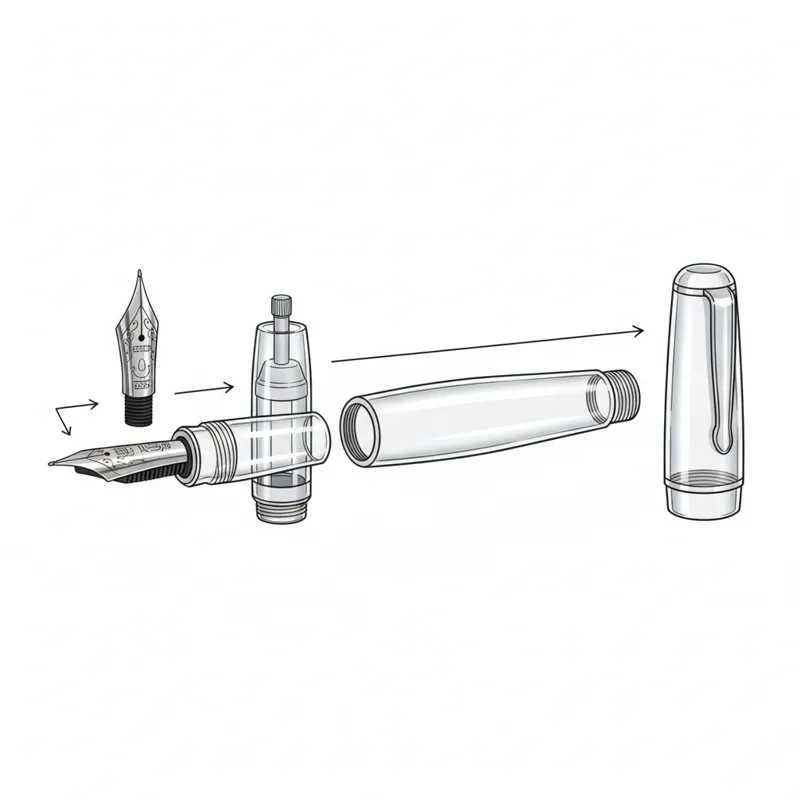
Before diving into specific recommendations, understanding the fundamental components of a fountain pen helps immensely in appreciating their design and performance. Knowing these terms allows you to make informed choices based on your preferences and intended use.
The Nib: Heart of the Pen
The nib is arguably the most critical component, directly dictating the writing experience. Modern nibs are typically made from stainless steel or gold.
- Material:
- Stainless Steel: Durable, affordable, and excellent for daily use. Modern steel nibs often perform exceptionally well, offering a great writing experience for most users.
- Gold (14k or 18k): Known for its inherent softness and flexibility, allowing for a more nuanced line variation with pressure. Gold nibs often provide a smoother, “bouncier” feel, though steel nibs can be just as smooth depending on the manufacturer and grind. Gold also resists corrosion better over time.
- Tipping Material: The very tip of the nib is usually tipped with a hard, wear-resistant alloy (often iridium or a similar material) that is then ground into various shapes.
- Nib Sizes: The most common sizes are Extra Fine (EF), Fine (F), Medium (M), and Broad (B). Each brand’s sizing can differ, with Japanese nibs often writing a finer line than their Western counterparts of the same designation. There are also specialized grinds like Stub, Italic, and Oblique, offering unique line variations for calligraphy or expressive writing.
The Feed: Ink Flow Control
The feed is the ribbed piece, typically made of plastic or ebonite, positioned directly beneath the nib. Its primary function is to draw ink from the reservoir to the nib through capillary action and regulate its flow. A well-designed feed ensures a consistent, reliable ink supply, preventing skips or floods. The intricate fins on the feed act as tiny reservoirs, managing air exchange and ink pressure.
Filling Systems: Cartridges, Converters, and Beyond
How a pen holds and delivers ink is determined by its filling system.
- Cartridge/Converter: This is the most common and versatile system. Cartridges are pre-filled, disposable plastic tubes of ink, convenient for travel. Converters are reusable piston-style mechanisms that fit into the pen like a cartridge, allowing you to draw ink directly from a bottle. Most cartridge/converter pens use either international standard or proprietary cartridges.
- Piston Filler: A popular system where a piston mechanism, operated by twisting a knob at the end of the barrel, draws a significant volume of ink directly into an integrated reservoir within the pen body. These pens hold a large amount of ink and are easy to clean.
- Vacuum Filler: A more advanced system where a plunger creates a vacuum inside the barrel, rapidly filling a large ink reservoir. Known for massive ink capacity and efficient one-stroke filling.
- Eyedropper: The simplest system, where the entire barrel of the pen is sealed and filled directly with an eyedropper. Offers immense ink capacity but typically requires silicone grease on the threads to prevent leaks.
Body Materials: Aesthetics and Durability
Fountain pen bodies vary widely in material, impacting their weight, durability, and aesthetic appeal. Common materials include:
- Resin/Acrylic: Lightweight, available in countless colors and patterns, and durable. This is a very common material for both affordable and high-end pens.
- Metal (Brass, Aluminum, Stainless Steel): Provides a substantial, weighty feel. Metal pens are often very robust and can have attractive finishes like anodization or plating. Brass can develop a natural patina over time.
- Celluloid: A traditional material known for its depth of color and beautiful patterns, though less common today due to its flammability and manufacturing complexity.
- Ebonite: A hard rubber material, traditional and pleasant to the touch, often used for feeds but also for entire pen bodies, particularly in custom or vintage pens.
- Precious Metals (Silver, Gold): Used in luxury pens for their inherent value and aesthetic.
How We Selected the Best Fountain Pens
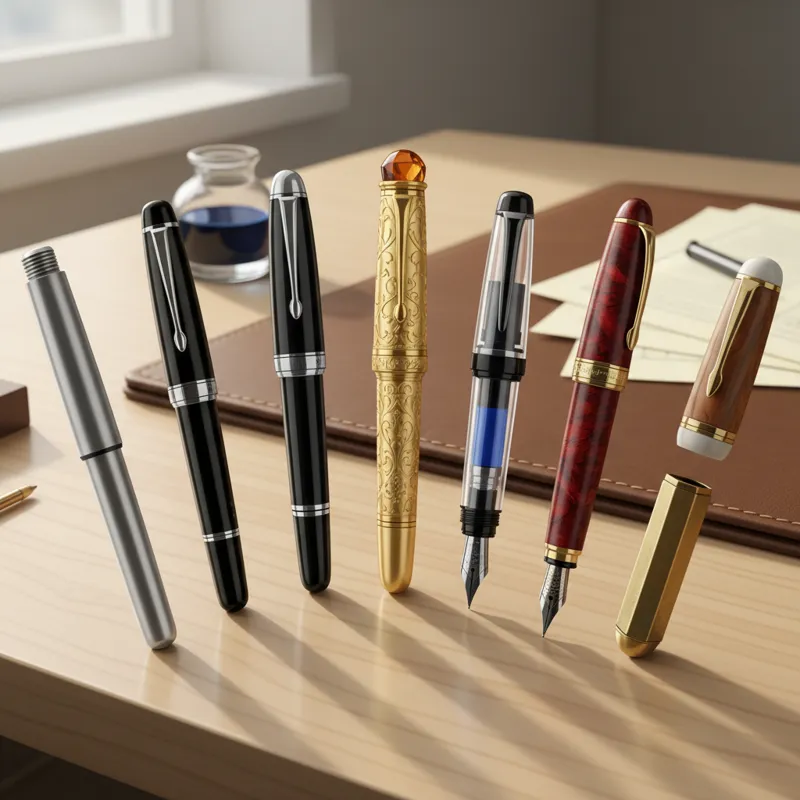
Our selection process for the best fountain pens goes beyond mere popularity. We focused on pens that consistently deliver an outstanding writing experience, offer excellent value, and address the needs of various users—from beginners to seasoned enthusiasts. We considered:1. Reliability and Consistency: A pen must start reliably, lay down a consistent line, and resist skipping or drying out quickly.2. Writing Experience: Smoothness of the nib, comfort in hand, and overall tactile feedback were paramount.3. Build Quality and Durability: How well is the pen constructed? What materials are used, and how do they stand up to daily use?4. Value for Money: Whether entry-level or luxury, does the pen justify its price point with its performance and features?5. Ease of Maintenance: How easy is it to clean, fill, and care for the pen?6. Availability of Nibs and Inks: Access to different nib sizes and a wide range of compatible inks.7. Community Reputation: We considered the collective experience and long-term feedback from the broad fountain pen community. This meticulous approach ensures that our top picks aren’t just aesthetically pleasing, but genuinely enhance your writing journey.
The Best Fountain Pens: 7 Top Picks Writers Love
Here are our top recommendations for the best fountain pens that writers consistently laud for their performance and character. We’ve aimed for a range that covers various budgets and preferences, guiding users to find the perfect fountain pen.
1. Entry-Level Excellence: Pilot Metropolitan
The Pilot Metropolitan remains, year after year, the undisputed champion of entry-level fountain pens, and its status hasn’t changed in 2026. This pen consistently punches far above its weight class in terms of performance and build quality.Why Writers Love It:The Metropolitan features a smooth, reliable stainless steel nib (available in Fine and Medium, with Japanese fine often being quite precise). It comes with a squeeze converter and an ink cartridge, allowing immediate use. Its brass barrel gives it a reassuring heft that belies its affordable price, feeling substantial and well-balanced in hand. It’s an ideal pen for those asking how to select a fountain pen for the first time, offering an incredible introduction to the world of fountain pens without a significant investment. For instance, if you’re exploring methods to elevate your daily routines, much like finding the ultimate coffee brown: 10 shades for boldness can transform your morning brew, the Metropolitan can elevate your daily writing tasks.Ideal For: Newcomers, students, anyone seeking an affordable, smooth writing pen for daily use.Pros: Exceptional value, robust build, smooth nib, good weight.Cons: Proprietary Pilot cartridges/converters (though a basic converter is included), limited nib size options.
2. Daily Driver Workhorse: Lamy Safari / AL-star
The Lamy Safari and its aluminum sibling, the AL-star, are iconic designs revered globally. Their distinct, ergonomic grip section is a love-it-or-leave-it feature, but for those who find it comfortable, it encourages proper pen holding technique.Why Writers Love It:Lamy’s interchangeable Z50 steel nibs are renowned for their quality and durability, offering a consistent, reliable writing experience. Swapping nibs is incredibly easy, allowing users to experiment with various line widths without buying a new pen. The Safari, made from durable ABS plastic, is lightweight and practically indestructible, making it a perfect daily carry. The AL-star offers a slightly more premium feel with its aluminum body and often comes in unique, vibrant colors. These pens are fantastic for those seeking a dependable, smooth writing pen for daily use.Ideal For: Students, creatives, professionals needing a robust, versatile daily writer, those who appreciate ergonomic design.Pros: Durable, easy to clean, interchangeable nibs, ergonomic grip (for some), wide color selection.Cons: Triangular grip isn’t for everyone, proprietary Lamy cartridges/converters.
3. Japanese Precision & Value: Platinum Plaisir / Preppy
Platinum pens, particularly the Plaisir and Preppy, offer exceptional value, especially known for their fantastic “Slip & Seal” cap mechanism. This innovative design keeps the nib from drying out for up to a year, a huge advantage for intermittent writers.Why Writers Love It:The Preppy, a translucent, incredibly affordable pen, serves as an excellent gateway into fine Japanese nibs. It can be easily eyedropper-converted for massive ink capacity. The Plaisir upgrades the Preppy’s nib and feed into a more durable, elegant aluminum body. Both offer incredibly precise, smooth-writing steel nibs that are often finer than their Western counterparts, making them superb for detailed notes or smaller handwriting. They are an excellent option when considering affordable starter fountain pens, proving that high performance doesn’t always mean a high price tag.Ideal For: Students, artists, note-takers, anyone needing a pen that won’t dry out, value seekers.Pros: “Slip & Seal” cap prevents drying, excellent fine nibs, very affordable (Preppy), durable (Plaisir), eyedropper conversion potential.Cons: Lightweight feel might not appeal to all (Preppy), proprietary Platinum cartridges/converters.
4. The Step-Up Experience: Waterman Hemisphere
Stepping into a slightly higher price bracket, the Waterman Hemisphere offers a refined writing experience with classic aesthetics. Waterman, a brand with a rich history, consistently delivers pens that balance elegance with reliable performance.Why Writers Love It:The Hemisphere features a smooth, well-tuned stainless steel nib that glides effortlessly across paper, making it a joy for extended writing sessions. Its slim, sleek metal body feels comfortable in most hands, exuding a professional look without being overly ostentatious. It’s a pen that feels equally at home in a boardroom or a personal journal. If you’re looking for a smooth writing pen for daily use with a touch more sophistication than entry-level options, the Hemisphere is a compelling choice. This pen offers a dependable performance that can provide a mental refreshment boost, similar to enjoying a brisk iced tea on a contemplative afternoon, enhancing focus and clarity.Ideal For: Professionals, gifting, those seeking a reliable, elegant daily writer with a step up in quality.Pros: Elegant design, consistently smooth nib, comfortable weight and balance, reputable brand heritage.Cons: Steel nib might lack the “bounce” of gold, slightly higher price point.
5. Professional Elegance: Pelikan M200/M205
Pelikan’s M200 and M205 series represent an excellent entry into piston-filler pens, renowned for their generous ink capacity and exceptional build quality. These pens epitomize classic European design and engineering.Why Writers Love It:The M200/M205 series features Pelikan’s excellent stainless steel nibs, which are often praised for their smoothness and consistent ink flow. As piston fillers, they hold a substantial amount of ink, making them ideal for long writing sessions without interruption. The transparent or translucent barrel options (demonstrators) allow you to see your ink level and color, adding a unique visual appeal. Pelikan’s reputation for quality extends to these models, offering a luxurious writing experience at a more accessible price point than their gold-nibbed counterparts. They are often considered among the top rated fountain pen brands for their piston mechanism and classic aesthetic.Ideal For: Writers who appreciate generous ink capacity, classic design, smooth writing, and a touch of professional elegance.Pros: Large ink capacity, reliable piston filling system, smooth nibs, excellent build quality, iconic design.Cons: Higher price point for a steel-nib pen, some find them a bit small unposted.
6. A Touch of Luxury: Pilot Custom 74
The Pilot Custom 74 is a quintessential gold-nibbed fountain pen that delivers an outstanding writing experience, often considered a benchmark for pens in its price range. It offers a taste of true luxury without breaking the bank entirely.Why Writers Love It:Equipped with a sublime 14k gold nib, the Custom 74 provides a wonderfully soft, responsive, and smooth writing experience. The gold nib offers a subtle springiness that adds character to your writing, adapting to your hand over time. It’s a consistently smooth writing pen for daily use, elevating every stroke. The pen itself is a comfortable size and weight, made from high-quality resin, and uses Pilot’s excellent CON-70 push-button converter, which holds a substantial amount of ink. This is a top-tier Japanese precision pen that makes a significant step up from steel nibs.Ideal For: Enthusiasts ready for their first gold nib, professionals seeking a reliable and luxurious daily writer, those who appreciate Japanese craftsmanship.Pros: Excellent 14k gold nib, smooth and responsive writing, generous ink capacity with CON-70, comfortable ergonomics, high-quality resin.Cons: Proprietary Pilot filling system, design can be considered understated by some for its price.
7. The Grail Pen for Many: Montblanc Meisterstück 146 (LeGrand)
The Montblanc Meisterstück 146, often referred to as the LeGrand, isn’t just a pen; it’s a statement, an icon, and for many, the ultimate expression of luxury writing instruments. While a significant investment, its enduring appeal and impeccable craftsmanship make it a dream pen for countless writers. This truly falls under the luxury writing instruments review category.Why Writers Love It:The 14k or 18k gold nibs on the Montblanc 146 are legendary for their buttery smoothness, exquisite feedback, and precise engineering. Each pen is meticulously crafted, featuring Montblanc’s signature black precious resin, gold-plated accents, and the iconic white star emblem. It’s a perfectly balanced piston filler, offering a large ink capacity and a writing experience that is both supremely comfortable and effortlessly elegant. Owning a 146 is as much about appreciating a heritage of fine craftsmanship as it is about the superior writing performance. It represents the pinnacle for many who search for the best fountain pens, a tool that inspires and endures.Ideal For: Collectors, executives, those seeking a lifelong heirloom quality pen, or anyone who values the absolute finest in writing instruments.Pros: Iconic status, superb gold nib, excellent piston filler, timeless design, exceptional build quality, significant brand prestige.Cons: Very high price point, significant investment.
Things People Often Overlook When Buying a Fountain Pen
It’s easy to get caught up in the aesthetics or brand name of a fountain pen. However, several critical factors often get overlooked, which can significantly impact your satisfaction. Firstly, paper quality is paramount. A fantastic fountain pen and ink can still offer a poor experience on cheap, absorbent paper, leading to feathering (ink spreading along paper fibers) and bleed-through. Investing in fountain pen friendly paper—like Rhodia, Tomoe River, or Clairefontaine—is just as important as choosing the pen itself. Secondly, ink choice isn’t just about color. Different inks have varying flow properties, lubrication, and drying times. Some inks are “wet” and flow generously, others are “dryer” and provide more control. A pen that writes too dry might be perfectly balanced by a wetter ink, and vice-versa. Understanding fountain pen ink compatibility is crucial for optimizing your writing experience. Finally, nib grind consistency can vary, even within the same brand. While our recommended pens are generally consistent, minor variations exist. Some manufacturers offer a “sweet spot” on their nibs where they write best. Learning to hold your pen consistently can minimize issues, but don’t be afraid to try different nibs if your initial choice isn’t quite right. Much like understanding the granular differences that lead to ultimate flavor hacks for coarse ground coffee, discerning the subtle qualities of a fountain pen nib and ink pairing can transform your writing.
Essential Accessories for Your Fountain Pen Journey
Your fountain pen experience extends beyond just the pen itself. A few well-chosen accessories can significantly enhance your enjoyment and prolong the life of your instrument.
Quality Ink: Beyond the Basics
The world of bottled fountain pen ink is vast and vibrant. Experimenting with different brands and colors is part of the fun. Consider properties like:
- Saturation: How vibrant or deep the color is.
- Shading: When an ink shows variations in color intensity, creating darker and lighter areas on the page.
- Sheen: A metallic-like shimmer that appears on certain inks when they dry, often on specific papers.
- Water Resistance: Some inks are designed to be waterproof or highly water-resistant, ideal for addressing envelopes or archival work.
Popular brands like Diamine, Pelikan, Rohrer & Klingner, Iroshizuku, and Noodler’s offer extensive palettes.
Paper Choice: The Unsung Hero
As mentioned, good paper is non-negotiable for a truly pleasant fountain pen experience. Brands like Rhodia, Leuchtturm1917, Midori MD, and Tomoe River are highly regarded for their smooth surfaces, minimal feathering, and resistance to bleed-through. Matching your pen’s nib and ink properties to your paper choice can dramatically improve your writing clarity and enjoyment.
Cleaning Supplies: Maintenance is Key
Regular cleaning keeps your fountain pen performing its best.
- Bulb Syringe/Converter: For flushing water through the nib and feed.
- Pen Flush: A mild, non-toxic solution (often diluted ammonia or commercial pen flush) that helps dissolve stubborn dried ink.
- Soft Cloths: For wiping down components and drying your pen after cleaning.
- Silicone Grease: Useful for eyedropper conversions or if you need to re-grease piston seals.
Fountain Pen Care and Maintenance Tips
Proper care ensures your fountain pen remains a reliable companion for years to come.1. Regular Cleaning: Clean your pen when changing ink colors, or every 2-4 weeks with consistent use, to prevent ink from drying and clogging the feed. Flush with cool water until it runs clear, then allow to air dry.2. Use Fountain Pen Ink Only: Never use India ink, calligraphy ink, or drawing inks in a fountain pen, as they contain shellac or pigments that will permanently clog your pen. Stick to inks specifically formulated for fountain pens.3. Cap When Not in Use: Always cap your pen, even for short breaks, to prevent the nib from drying out. This is where features like Platinum’s “Slip & Seal” truly shine.4. Avoid Dropping: Dropping a fountain pen, especially on its nib, can cause permanent damage. Always store them securely in a pen case or dedicated slot.5. Store Properly: If storing for an extended period, ensure the pen is thoroughly cleaned and empty of ink. Store upright or flat.
Frequently Asked Questions (FAQ) About Fountain Pens
Here are some common questions prospective and new fountain pen users often ask.
Are fountain pens messy to use?
Not inherently. While there’s a learning curve to filling and occasionally cleaning, modern fountain pens are designed for clean, everyday use. Most “mess” comes from user error during filling or accidental drops. With practice and proper technique, they are no messier than ballpoints.
How long do fountain pens last?
A well-maintained fountain pen can last a lifetime, or even several generations. Nibs can be replaced or repaired, and most other components are durable. This longevity is part of their appeal and sustainability.
Can I travel with a fountain pen?
Yes, most fountain pens travel well. It’s generally recommended to travel with pens either completely full or completely empty to prevent ink burping due due to pressure changes. If you must carry one partially full, try to keep it nib-up to prevent leaks. Many writers swear by specific travel-friendly pens.
What’s the best ink for smooth writing?
“Smoothness” is subjective and depends on the nib, paper, and ink combination. Generally, inks from brands like Iroshizuku (Pilot), Pelikan, and Waterman are known for their good flow and lubricating properties, contributing to a smooth writing feel. Ultimately, experimentation is key. For more in-depth exploration, you might find guides on fountain pen ink compatibility guide useful.
How often should I clean my fountain pen?
A good rule of thumb is to clean your fountain pen every time you change ink colors, or roughly every 2-4 weeks if you’re using the same ink consistently. If a pen starts to skip or hard start, a good cleaning is often the first solution.
The journey into the world of fountain pens is a deeply personal one. Each pen has a unique character, and the interaction between nib, ink, and paper creates an experience unlike any other writing tool. Our selection of the best fountain pens represents instruments that consistently delight writers, offering a blend of performance, value, and lasting appeal. Whether you opt for an affordable starter fountain pens like the Pilot Metropolitan or aspire to a Montblanc Meisterstück, the joy of putting pen to paper with a fountain pen is a timeless pleasure that continues to thrive in 2026. Choose deliberately, care for your instrument, and rediscover the profound satisfaction of writing by hand.