

In the landscape of personal safety and everyday carry (EDC) items, few tools blend utility and preparedness as discreetly as the modern tactical pen. Far from a mere writing instrument, a quality tactical pen is engineered to be a reliable companion for various scenarios, ranging from signing documents to providing an unexpected advantage in a critical moment. As we navigate 2026, the demand for versatile, multi-functional tools continues to grow, and the tactical pen has evolved to meet these needs, offering a unique combination of robustness, discretion, and practical applications that empower individuals in their daily lives.
What Exactly is a Tactical Pen?
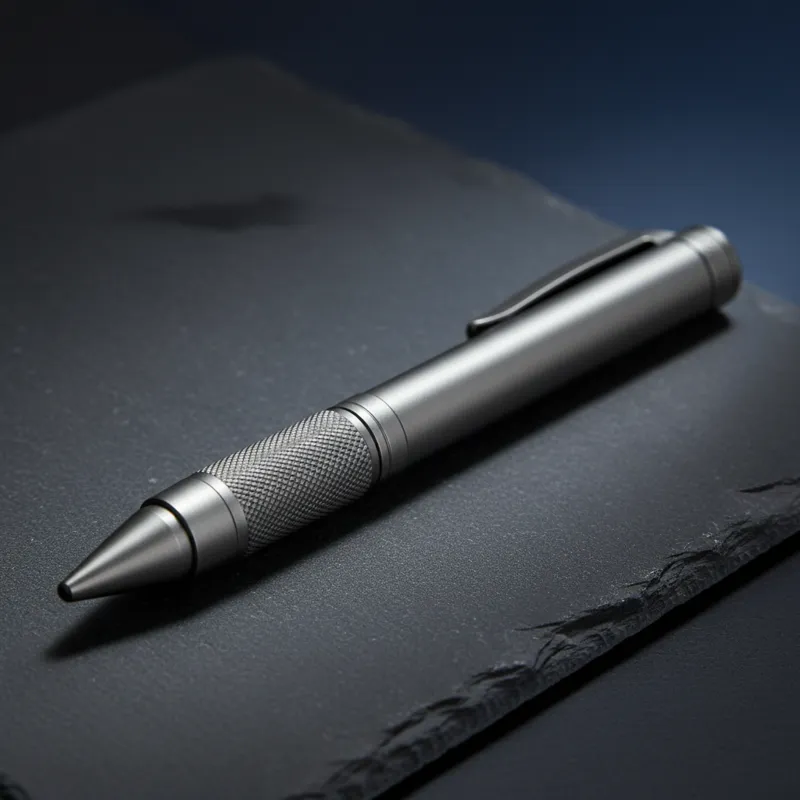
At its core, a tactical pen is a writing instrument reinforced and designed with additional features that extend its utility beyond simply putting ink to paper. Think of it as a meticulously engineered tool disguised as an ordinary object. Unlike a standard plastic pen, which is primarily designed for comfort and cost-efficiency in writing, a tactical pen is built for durability, reliability, and potential emergency use.
Beyond the Basics: Core Features
The distinguishing characteristics of a tactical pen typically include:
- Robust Materials: Often crafted from aircraft-grade aluminum, titanium, or hardened steel, ensuring it can withstand significant impact and pressure without deforming or breaking.
- Ergonomic Grip: Many designs incorporate knurling or textured surfaces to provide a secure grip, especially important in high-stress situations or when hands might be wet or gloved.
- Striking Point/Glass Breaker: A common feature is a hardened, pointed tip, often made of tungsten carbide, designed to concentrate force for breaking glass (like a car window in an emergency) or as a defensive striking tool.
- Discreet Appearance: Despite its robust nature, it maintains a form factor that allows it to pass as a regular pen, enabling its carry in environments where other self-defense tools might be prohibited or draw unwanted attention.
The Legal Landscape: Understanding Regulations
One of the primary appeals of a tactical pen is its legality in many places where other self-defense tools (knives, pepper spray, etc.) might be restricted. However, this is not universally true, and it’s a critical point for any responsible carrier. Laws regarding what constitutes a weapon can vary significantly by state, county, and even municipality in the United States. While generally considered an innocuous writing instrument, its design features—particularly a prominent striking point—could potentially lead to it being classified as a ‘weapon’ by law enforcement depending on local statutes and the context of its use or carry. For instance, carrying a tactical pen into certain secure facilities like courthouses, airports (though TSA guidelines specifically allow pens), or federal buildings could still lead to confiscation or questioning, irrespective of its legal status on the street. It’s always prudent to be aware of local laws and to exercise discretion. You can usually find general information on weapon definitions and restrictions via government legal portals or by consulting resources like Wikipedia’s entry on self-defense tools, but specific legal advice should come from a qualified professional.
Why Consider a Tactical Pen for Your EDC?

The decision to incorporate a tactical pen into your everyday carry isn’t about paranoia; it’s about practical preparedness. Modern life, even in 2026, presents a spectrum of unpredictable situations. Having a tool that can assist in both mundane and critical moments offers a quiet sense of readiness.
Everyday Practicality
Beyond its emergency applications, a well-chosen tactical pen excels in its primary function: writing. Many high-quality tactical pens use standard, widely available refills, ensuring smooth, reliable ink flow. Their robust construction means they can endure the rigors of daily life in a way a plastic pen simply cannot. Dropping it, carrying it in a crowded bag, or even using it to pry something lightly won’t render it useless. For professionals who demand durability from all their tools—from their bold French Roast coffee to their writing instruments—a tactical pen provides dependable performance.
Emergency Preparedness
This is where the ‘tactical’ aspect truly shines.
- Glass Breaker: In a car accident, a jammed seatbelt or damaged door can trap occupants. The hardened tip can quickly shatter tempered side windows, providing an escape route.
- Self-Defense: While not a primary weapon, its solid construction and striking point can be used for impact. It can serve as a kubotan-like tool, allowing for pressure point strikes or to create distance, providing crucial seconds to escape. This isn’t about engaging in a fight; it’s about creating an opportunity for disengagement.
- Signaling/Marking: Its robust tip can be used to scratch messages into surfaces if no other marking tool is available.
- Makeshift Tool: Depending on the design, it might have a small serrated edge or a flathead driver, offering rudimentary utility for minor tasks.
Key Features to Look For in 2026
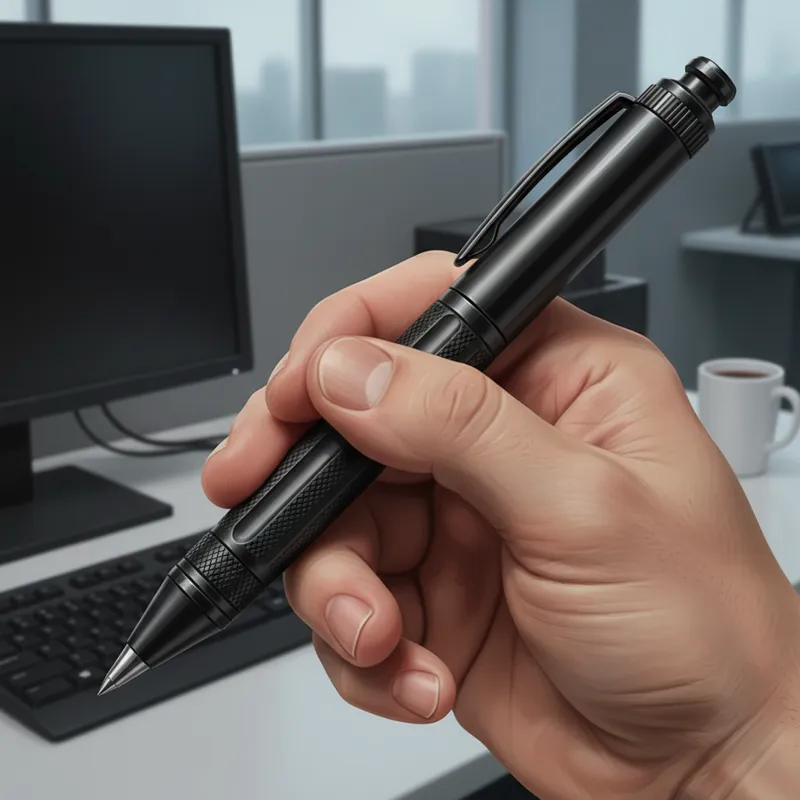
When selecting a tactical pen, especially in today’s market where options abound, discerning the genuinely effective from the merely flashy requires attention to specific design and material considerations.
Material Durability and Construction
The material is paramount. Look for:
- Aircraft-Grade Aluminum (6061-T6 or 7075-T6): This is a common and excellent choice, offering a balance of lightweight design and extreme strength. It resists corrosion and holds up well to impacts.
- Titanium: More expensive, but lighter and stronger than aluminum, with superior corrosion resistance. Ideal for those prioritizing minimal weight and maximum strength.
- Stainless Steel: Heavier than aluminum or titanium but incredibly robust and resistant to rust.
- Tungsten Carbide Tip: Essential for a reliable glass breaker or striking tool. Ensure it’s integrated securely into the pen body.
Avoid pens made of lesser alloys or plastics if durability is a priority. The construction should feel solid, with no wobbling parts, and threads for caps or disassemblies should be precise and tight.
Writing Performance
Don’t forget it’s still a pen. A tactical pen that writes poorly negates its primary, everyday purpose.
- Refill Compatibility: Most quality tactical pens use common refills like Parker-style G2 or Fisher Space Pen refills. This ensures you can easily find replacements and choose your preferred ink type and color. Fisher Space Pen refills are particularly popular for their ability to write in extreme conditions, underwater, or upside down.
- Smoothness: Test the pen’s writing feel if possible. It should be comfortable to hold for extended writing periods, not just for emergency use.
Integrated Tools
While some tactical pens go overboard with multi-tools, the most effective ones maintain simplicity. Look for:
- Glass Breaker: As discussed, a hardened tip is crucial.
- Pocket Clip: A robust, non-snagging clip ensures it stays securely in your pocket, bag, or shirt.
- LED Light: Some models integrate a small, low-lumen LED flashlight, useful for finding keys in the dark or navigating dimly lit areas.
- Ferro Rod/Whistle: Less common, but some survival-oriented models might include these. Be wary of designs that add too many features, as this can compromise the pen’s core strength and discretion.
Ergonomics and Grip
A pen you can’t hold securely is useless, especially in a stressful situation.
- Knurling/Texturing: Provides purchase even with wet or gloved hands. It shouldn’t be so aggressive that it’s uncomfortable for daily writing, however.
- Balance: A well-balanced pen feels natural in the hand, whether writing or held defensively.
- Cap Design: A secure cap that threads or snaps firmly onto both ends of the pen (when writing and when closed) is important to prevent loss and keep the ink from drying.
Clip Design
The pocket clip is often overlooked but critical for EDC. It should be strong, ideally made of steel, and provide good retention. A deep-carry clip can help the pen ride lower in the pocket, making it even more discreet.
How to Choose a Reliable, Legal, and Effective Tactical Pen
Making the right choice involves a blend of personal preference, legal awareness, and practical considerations. It’s not a one-size-fits-all product.
Assess Your Needs and Environment
Consider how and where you’ll carry and use the pen.
- Are you primarily looking for a robust writing tool that can serve for defense, or is emergency utility your top priority?
- Do you work in an environment with strict security protocols? Discretion might be your paramount concern.
- Will you be traveling frequently? Air travel, for instance, requires adherence to TSA guidelines. Generally, a tactical pen is permitted in carry-on and checked luggage, but extreme designs might raise questions.
Research Brands and Reviews
In 2026, the market is saturated. Stick to reputable brands known for quality manufacturing and customer service. Companies specializing in outdoor gear, tactical equipment, or high-end EDC tools often produce reliable tactical pens. Read user reviews on independent platforms, looking for consistent feedback on durability, writing quality, and specific feature performance. Look for opinions that discuss long-term use, not just initial impressions. Even when considering something as simple as a beverage preference, like comparing the various options on a Ding Tea menu, consumer reviews play a big role in informing choices.
Verify Legality
Before purchasing, especially if you live in an area with strict weapon laws, do a quick search for local ordinances regarding ‘concealed weapons,’ ‘kubotans,’ or ‘impact weapons.’ While most jurisdictions exempt basic pens, some might have broad definitions that could unintentionally encompass even a tactical pen if used or carried with mal-intent. Always err on the side of caution. Organizations like the NRA or state attorney general websites often provide publicly accessible legal resources concerning self-defense tools.
Test the Writing Function
If possible, try writing with the pen before buying. How it feels in your hand for actual writing tasks is crucial. A pen that’s uncomfortable to hold for more than a few minutes will likely be left at home, defeating its EDC purpose.
What Most People Get Wrong About Tactical Pens
Many people approach tactical pens with a set of misconceptions that can lead to disappointment or misapplication. Understanding these common errors is key to leveraging the tool effectively. The biggest mistake is viewing a tactical pen as a primary weapon. It isn’t. It’s an improvised or last-resort defensive tool. Expecting it to be a magic wand that neutralizes a threat with minimal effort is unrealistic and dangerous. True self-defense relies on awareness, de-escalation, and escape, with tools like a tactical pen serving only as a means to create an opportunity to do so. It provides an edge, not a guarantee. Another common pitfall is overestimating its effectiveness without any training. While you don’t need martial arts mastery, understanding basic striking principles—like aiming for vulnerable points to create distance—significantly increases its utility. Simply owning a sturdy pen doesn’t automatically confer defensive capability. It’s the user’s knowledge and preparedness that truly empower the tool. Lastly, some focus too much on the “tactical” aspect and forget the “pen” part. If a tactical pen is uncomfortable to write with, constantly runs out of ink, or feels awkward in daily use, it will likely be left at home or forgotten. The best tactical pens are first and foremost excellent writing instruments that also offer discreet emergency utility. They shouldn’t compromise on their primary function for the sake of secondary features.
Practical Applications and Training Considerations
Understanding how to integrate a tactical pen into your personal safety strategy goes beyond just carrying it. It involves understanding its limitations and potential.
Self-Defense Principles
If you intend to rely on a tactical pen for self-defense, consider these points:
- Target Vulnerable Points: For an impact tool to be effective, aim for areas like eyes, throat, nose, or pressure points. The goal is not to “win” a fight, but to create pain and distraction, allowing you to escape.
- Gross Motor Skills: Under stress, fine motor skills diminish. Simple, direct movements are best. Holding the tactical pen in an ice-pick grip (point down, thumb on top) allows for powerful, instinctive strikes.
- Practice (Safely): Familiarize yourself with how the pen feels in your hand for defensive purposes. Practice drawing it quickly and performing basic strikes against a cushion or pad. This builds muscle memory. Many self-defense instructors offer classes that cover improvised weapons and situational awareness. Seek out reputable training.
- Situational Awareness: The best defense is avoiding trouble. A tactical pen is a last resort, not a substitute for being aware of your surroundings and de-escalating potential conflicts.
Emergency Scenarios
The glass breaker feature is a clear practical application.
- Car Escape: Keep the tactical pen accessible in your car, perhaps clipped to a sun visor or console. In an emergency, strike a corner of the side window, not the center, for maximum effect.
- Signaling: In a survival scenario, using the tip to scratch reflective surfaces or leave messages can be a lifesaver.
Maintaining Your Tactical Pen
A quality tactical pen is designed for longevity, but like any tool, it benefits from occasional maintenance. For pens with screw-on caps or components, check the threads periodically to ensure they haven’t loosened. A small drop of removable thread locker (like blue Loctite, for example) can secure less frequently accessed components if you find them consistently coming loose. Keep the pen clean; a quick wipe with a soft cloth removes grime and fingerprints. If the pen uses a standard ink refill, remember to replace it when it runs dry to ensure your primary writing function is always ready. Store it in a place where it’s readily accessible but won’t get lost or damaged, such as a dedicated pen slot in your bag or a sturdy shirt pocket.
People Also Ask (FAQ)
The growing interest in personal safety tools leads to many common questions. Here are some of the most frequent:
Is a tactical pen considered a weapon?
Legally, this varies widely by jurisdiction. Generally, in the United States, a tactical pen is not inherently classified as a weapon if its primary design and intent are for writing. However, if it’s used with intent to harm, or if local laws have very broad definitions of ‘weapon,’ it could be treated as one. Always check local regulations.
Can I take a tactical pen on an airplane?
Yes, according to TSA guidelines in 2026, standard pens, including most tactical pens, are generally permitted in both carry-on and checked luggage. However, if a particular tactical pen has overly aggressive features that resemble other prohibited items, a TSA agent might exercise discretion and confiscate it. Stick to models that clearly resemble writing instruments.
How effective is a tactical pen for self-defense?
Its effectiveness lies in its ability to create pain and distraction, giving you time to escape. It is not a fight-ending weapon but an improvised tool for disengagement. Its effectiveness is highly dependent on the user’s situational awareness, intent, and basic understanding of striking principles.
What materials are best for a durable tactical pen?
Aircraft-grade aluminum (6061-T6 or 7075-T6), titanium, and stainless steel are the most recommended materials for durability and strength. Tungsten carbide is the preferred material for the glass breaker tip due to its extreme hardness.
Are there any specific training requirements for using a tactical pen defensively?
While there are no mandatory training requirements, understanding basic self-defense principles and practicing how to hold and effectively strike with the pen (e.g., against a pad) can significantly increase its utility and your confidence in a stressful situation. Consider seeking training from a qualified self-defense instructor. Please note, this article offers general information and not professional self-defense or legal advice. Always consult licensed professionals for specific guidance.
The Future of Personal Safety EDC: Beyond 2026
As we move further into the decade, the evolution of the tactical pen, like many other personal security items, will likely continue to integrate smarter, lighter, and more discreet technologies. We might see further refinements in materials, perhaps advanced composites or alloys that offer even greater strength-to-weight ratios. Miniaturized electronics, such as discreet panic alarms or GPS trackers, could become more common integrations, though always balancing utility with battery life and compliance. The core principle, however, will remain unchanged: providing a robust, versatile tool that empowers individuals with a greater sense of preparedness without drawing undue attention. The tactical pen, in its current form and its future iterations, stands as a testament to the enduring human desire for safety and self-reliance, packaged in an item as fundamental as the act of writing itself. It’s a subtle yet significant addition to the modern individual’s toolkit, reflecting a thoughtful approach to personal security in an unpredictable world.


