
In a world increasingly reliant on digital tools, the humble pen and paper still hold significant sway, especially in offices, classrooms, and creative spaces across the United States. And where there’s pen, there’s often the need for correction. Enter the white out pen – a seemingly simple device that has evolved into a precision instrument for rectifying written errors. For decades, it’s been the go-to solution for fixing mistakes on physical documents, providing a clean slate without resorting to retyping or rewriting entire sections. Understanding how these tools work, their variations, and what makes a good one, can significantly impact your efficiency and the professional appearance of your work in 2026.
The Fundamental Mechanics of a White Out Pen
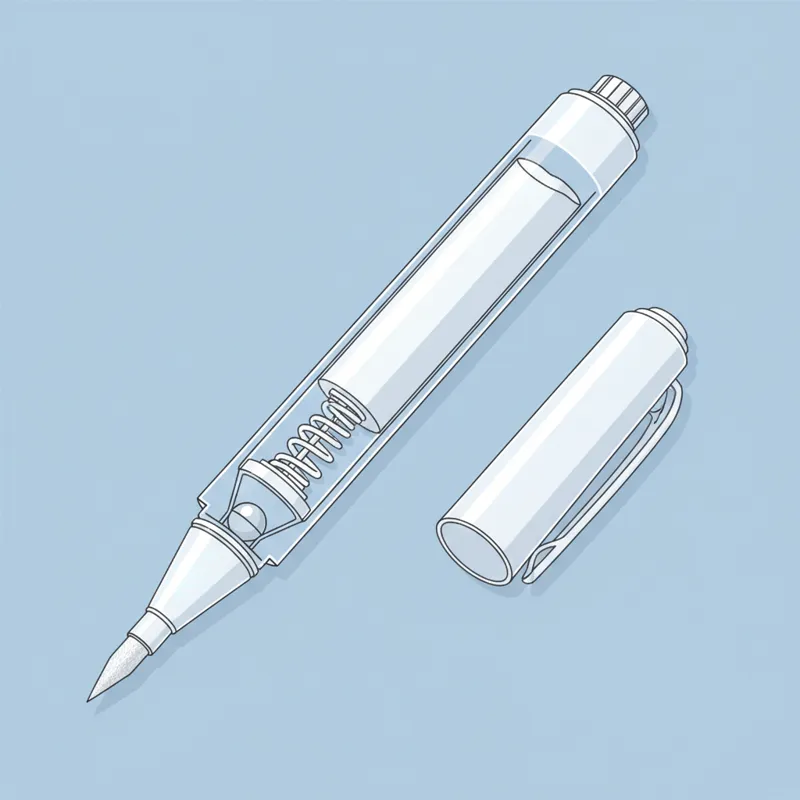
A white out pen, at its core, is a specialized dispenser designed to deliver a controlled amount of opaque correction fluid onto paper. The principle is straightforward: cover the unwanted ink with an evenly applied, quick-drying white layer, then write over it once dry. While the user experience feels simple, the engineering behind a reliable pen involves several key components working in concert.
The Composition of Correction Fluid
The fluid itself is critical. It’s typically a pigment-based opaque white suspension, designed to block out the underlying ink. Historically, these fluids contained chlorinated hydrocarbons like 1,1,1-trichloroethane as solvents, known for their rapid evaporation. However, due to environmental and health concerns, particularly in the U. S., formulations have largely shifted. Today, most correction fluids are water-based or petroleum-distillate-based (like mineral spirits) for quicker drying without the harsh fumes. Titanium dioxide often serves as the primary white pigment, providing excellent opacity and a bright, neutral white finish that blends well with standard paper. Thickeners and film-formers are added to ensure the fluid creates a smooth, durable, and writable surface once dry.
The Dispensing Mechanism: Valve and Tip
The ingenuity of a white out pen lies in its applicator. Most pens use a ballpoint-like mechanism. Inside the pen, a small metal or plastic ball sits at the tip, held in place by a spring. When pressure is applied to the tip against a surface, the ball retracts slightly, opening a valve. This allows a controlled flow of correction fluid from the internal reservoir onto the ball, which then transfers it to the paper. This design ensures precision, preventing blobs or excessive fluid release, which were common issues with earlier brush-on correction fluid bottles. The spring-loaded valve also helps prevent the fluid from drying out in the tip when not in use.
Agitation for Consistent Performance
Correction fluid, by its nature, is a suspension. Over time, the pigment particles can settle, leading to an inconsistent application if not mixed. Most white out pens incorporate a small agitator – often a metal or glass ball – inside the fluid reservoir. Shaking the pen before use allows this agitator to thoroughly mix the fluid, redispersing the pigment and ensuring a uniform, opaque correction with every stroke. Without proper agitation, you might get a translucent, streaky application, defeating the purpose of a clean cover-up.
Why a White Out Pen Beats Traditional Correction Fluid
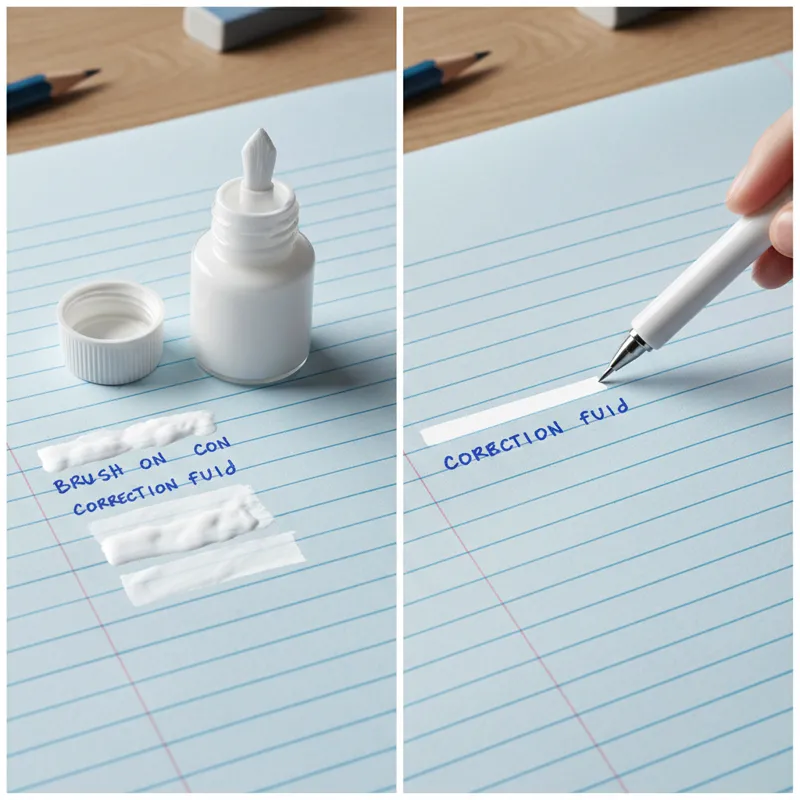
Before the advent of the white out pen, bottled correction fluid with a brush applicator was the standard. While effective, it came with several practical drawbacks that the pen format largely addressed, making the correction fluid dispenser a superior choice for many.
- Precision and Control: A brush, by its nature, offers less control for fine lines or small errors. It’s easy to apply too much, spill, or make a mess. A white out pen, with its fine tip and ballpoint-like mechanism, allows for pinpoint accuracy, ideal for covering individual letters or thin lines without affecting surrounding text.
- Mess Reduction: Spills and drips were a common complaint with bottled fluid. The sealed, self-contained design of a correction pen drastically reduces the likelihood of accidents, keeping your workspace cleaner.
- Convenience and Portability: Bottles are bulky and prone to drying out if not sealed properly. A correction pen is slim, fits easily into a pen case or pocket, and is always ready for immediate use. You don’t need to worry about a detached brush or clumping.
- Drying Time: Many modern correction pens are formulated for quick-dry performance, an essential feature for fast-paced environments. While traditional fluids also dried, the pen’s thinner, more consistent application often facilitates quicker drying.
Navigating the Market: Choosing the Best White Out Pen for Your Needs
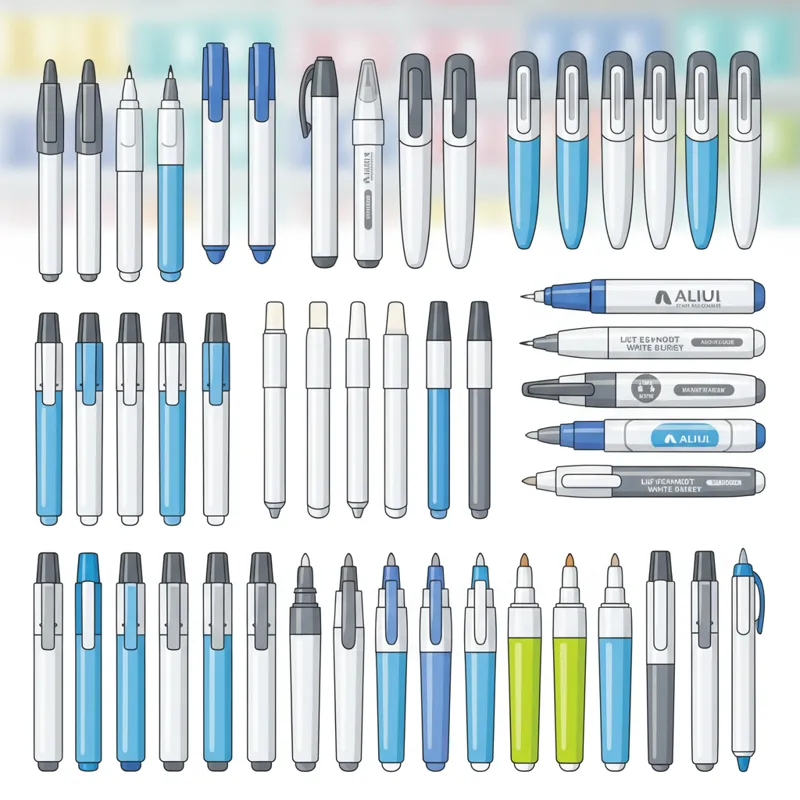
The market for correction tools is surprisingly diverse in 2026, offering specialized options beyond the generic ‘white out pen’. Your ideal choice depends heavily on your specific application and priorities, whether that’s fast-drying, precise application, or strong coverage. Looking for a quality Tipp-Ex pen for errors or a reliable cover-up fluid applicator requires understanding the nuances.
Fast-Drying Formulations: Minimizing Wait Time
For anyone working under tight deadlines or needing to make quick corrections, drying time is paramount. Many manufacturers now explicitly market their products as “quick dry error corrector” pens. These often use alcohol-based or optimized petroleum-distillate-based solvents that evaporate rapidly.
- Benefit: Reduces smudging risk when writing over corrections immediately.
- Consideration: Can sometimes have a stronger odor due to volatile solvents. Ensure good ventilation if using frequently.
Precision Application: For Detailed Work
If you’re correcting small print, intricate drawings, or specific characters, a fine-point or needle-point tip is indispensable. These tips are engineered to deliver a minimal amount of fluid with maximum accuracy.
- Benefit: Ideal for tight spaces, spreadsheets, or forms where accuracy is key.
- Consideration: Can clog more easily if the fluid isn’t consistently mixed or if the cap is left off.
Strong Coverage: Erasing Dark Inks
Some inks, especially darker gel pens or permanent markers, can be notoriously difficult to completely obscure. Pens designed for “strong coverage” often use a higher concentration of titanium dioxide pigment and a thicker, more viscous fluid.
- Benefit: Ensures complete obliteration of dark or vibrant inks in a single application.
- Consideration: May result in a slightly thicker layer on the paper, which can be detectable by touch.
Ergonomics and Durability
While often overlooked, the pen’s barrel design and cap mechanism impact the user experience. A comfortable grip prevents hand fatigue during extended use, and a secure cap is vital for preventing the tip from drying out and ensuring the pen lasts longer. Look for pens with click-caps that seal tightly.
Top Contenders in the White Out Pen Space (2026 Edition)
In the current market, several brands consistently stand out for their performance and reliability. When considering the best office correction tool, these are often at the forefront.1. BIC Wite-Out Brand EZ Correct Pens: BIC is a ubiquitous name in office supplies, and their Wite-Out pens are a staple. The EZ Correct line often features a thinner, more precise tip than their traditional fluid, and many users find its water-based formula dries quickly and provides good coverage. They’re widely available and offer excellent value.2. Paper Mate Liquid Paper Correction Pens: Liquid Paper, originally a brush-on product, has successfully transitioned into the pen format. Their pens are known for consistent flow, decent drying times, and good opacity. They often come in various tip sizes, catering to different precision needs.3. Pentel Presto! Jumbo Correction Pen: For those needing a higher volume of corrections or broader coverage, the Pentel Presto! Jumbo is a popular choice. It dispenses a significant amount of fluid smoothly, making it suitable for larger areas while still maintaining pen-like control. Pentel is also recognized for its quick-drying, low-odor formulas.4. Tipp-Ex Correction Pens: While perhaps more globally known, Tipp-Ex has a strong presence in the U. S. market, especially for those seeking precision. Their pens are often praised for very fine tips and a fluid that offers excellent coverage with minimal layering. They’re a solid choice if you need a reliable Tipp-Ex pen for errors that offers a clean, discreet fix. When evaluating these brands, consider bulk purchasing options. Many offices find it cost-effective to buy packs, ensuring a steady supply of this essential tool.
Things People Usually Miss When Using a White Out Pen
Using a white out pen seems simple enough, but a few common missteps can lead to frustrating results. Understanding these nuances can significantly improve your correction experience and the longevity of your correction tool.
- Underestimating the Shake: It’s not just a suggestion; it’s a critical step. Failing to shake the pen thoroughly before each use is the primary reason for streaky, translucent, or clumpy applications. The pigment settles, and proper mixing is essential for uniform coverage. You should hear the agitator ball moving freely.
- Ignoring Surface Conditions: Applying correction fluid to a textured, damp, or greasy surface drastically impacts adhesion and drying. Ensure the paper is flat, dry, and clean. Writing on an uneven surface can lead to an inconsistent fluid layer or even damage the pen tip.
- Applying Too Thickly: While you might want strong coverage, applying an excessively thick layer of fluid can backfire. It takes longer to dry, increases the risk of cracking or peeling, and makes the correction more noticeable. Aim for a thin, even layer. If one layer isn’t enough, wait for it to dry completely, then apply a second thin layer.
- Writing Over While Still Damp: This is a classic error. Writing on wet correction fluid guarantees smudging, tearing the wet layer, and transferring ink to your pen. Always allow adequate drying time, which can vary based on humidity, temperature, and the specific pen’s formulation. A quick touch with a clean, dry finger can confirm readiness.
- Improper Storage: Leaving the cap off, even for a short period, can cause the fluid in the tip to dry and clog the mechanism. Always replace the cap securely. Storing pens vertically, tip-down, can also sometimes lead to fluid pooling at the tip, potentially causing clogs or leaks. Horizontal storage is generally recommended for optimal fluid distribution and preventing drying out.
- Cleaning the Tip Incorrectly: If the tip gets clogged, don’t try to force it or pick at it with sharp objects, which can damage the ball mechanism. Often, a gentle wipe with a damp cloth or a light press and scribble on a scrap piece of paper can clear minor clogs. For persistent issues, a small amount of solvent (if appropriate for the fluid type, e.g., water for water-based, mineral spirits for petroleum-based) applied carefully to the tip might help, but refer to manufacturer instructions first.
Innovations and Future Trends in Correction Technology (circa 2026)
Even in the relatively static world of physical writing tools, innovation continues. Manufacturers are constantly refining existing designs and exploring new technologies to enhance user experience and sustainability.
Faster Drying & Environmentally Friendlier Formulas
The push for faster drying times continues, often through advanced solvent systems or thinner fluid consistencies that evaporate more rapidly. Concurrently, there’s a strong emphasis on more eco-friendly and less volatile organic compound (VOC) formulations. Water-based options are becoming more prevalent, offering reduced odor and better indoor air quality, aligning with broader environmental initiatives across various product categories, including things like sustainable tea sourcing, similar to how brands are emphasizing the benefits of cold brew green tea for health and environmental impact.
Improved Precision and Control
Expect to see more pens with micro-fine tips capable of correcting individual pixels of printed text or very small handwritten errors. Some high-end models might even incorporate transparent sections to monitor fluid levels, ensuring you don’t run out unexpectedly. The ability to control fluid output with even greater nuance is a key focus.
Durability and Longevity
Better sealing mechanisms and more robust tip designs are continuously being developed to extend the life of the white out pen, reducing waste and increasing value. This includes anti-clogging features and materials that resist drying out. As part of a larger discussion on product longevity and environmental impact, it’s worth noting that even seemingly simple items like these benefit from thoughtful design, much like how understanding the 7 best Sencha green tea benefits encourages sustainable agricultural practices.
Integration with Other Tools
While not directly a white out pen innovation, the broader context of physical writing and correction is evolving. Hybrid tools that combine a writing pen with a correction pen are niche but emerging, streamlining the process for some users. The focus remains on making physical document handling as efficient as its digital counterpart where possible. For a deeper dive into the historical context and evolution of correction fluid technology, you might find Wikipedia’s entry on Correction Fluid to be a useful resource. This provides a detailed look at the origins and chemical shifts over time.
Maintaining Your White Out Pen for Peak Performance
Even the most advanced correction pen requires a bit of care to ensure it performs optimally throughout its lifespan.1. Always Cap It Securely: This is the most crucial step. A properly capped pen prevents air from reaching the tip, which causes the fluid to dry and clog. A distinct ‘click’ often signifies a secure seal.2. Shake Before Every Use: As mentioned, consistent agitation keeps the fluid properly mixed, preventing uneven application and clogs.3. Clean the Tip Regularly: If you notice small bits of dried fluid building up around the tip, gently wipe it clean with a damp, lint-free cloth or a tissue. This prevents blockages and ensures a smooth application.4. Store Horizontally: While some pens might tolerate vertical storage, storing them flat helps keep the fluid evenly distributed, reducing the chance of pigment settling at the bottom or drying out at the tip.5. Avoid Extreme Temperatures: Both excessive heat and cold can affect the consistency of the correction fluid. Extreme heat can cause evaporation and thickening, while cold can make the fluid too viscous to flow properly. Store your pens at room temperature whenever possible. These simple maintenance steps can significantly extend the life of your white out pen and ensure it’s always ready when you need to make those quick, precise corrections, allowing you to maintain neat, professional documents, much like one might carefully prepare a comforting mug of pomegranate tea for its ultimate benefits in 2026.
Frequently Asked Questions About White Out Pens
Here are some common questions about white out pens that users often have:
Q: How long does a white out pen typically last?
The lifespan of a white out pen varies depending on the frequency of use, the amount of fluid it contains, and how well it’s maintained. A standard pen might last for hundreds of corrections if used occasionally and stored properly. If the cap is left off or it’s used extensively, it could run out or dry up faster.
Q: Can I refill a white out pen?
Generally, white out pens are not designed to be refilled. Their sealed nature is part of what prevents the fluid from drying out prematurely and ensures a consistent flow. Attempting to refill them often leads to leaks, messes, and damage to the internal mechanism.
Q: Is white out pen fluid toxic?
Modern white out pen fluids, especially those marketed in the U. S. in 2026, are significantly safer than older formulations. Most are now water-based or use less harmful petroleum distillates. While not considered highly toxic, they are not intended for ingestion. It’s always best to use them in a well-ventilated area and keep them out of reach of small children and pets. For specific safety data, check the manufacturer’s product safety sheet.
Q: Why does my white out pen sometimes clog?
Clogging is usually due to the fluid drying at the tip. This happens most often if the cap isn’t replaced securely, if the pen isn’t shaken regularly to keep the fluid consistent, or if external debris gets into the tip. Sometimes, applying too much pressure can also temporarily clog the ball mechanism.
Q: Can I write over white out fluid with any type of pen?
Most pens will write over dried correction fluid without issue. However, very fine-point pens or gel pens might occasionally snag or skip slightly on the corrected surface, especially if the fluid was applied too thickly or isn’t perfectly smooth. Ballpoint pens and felt-tip markers generally work best. Always ensure the correction is completely dry before attempting to write over it to prevent smudging and ink transfer.
Conclusion: The Enduring Power of the White Out Pen
Despite the prevalence of digital editing tools, the white out pen remains an indispensable item for anyone who works with physical documents. From academic papers to legal forms, and everyday office tasks, its ability to provide a quick, clean, and precise correction is unmatched by any other manual tool. By understanding the mechanics, choosing the right pen for your specific needs, and following simple maintenance practices, you can harness the ultimate erasing power of this humble yet sophisticated device. In 2026, the best office correction tool isn’t just about covering up a mistake; it’s about doing so efficiently, cleanly, and with the precision that respects both your time and the professionalism of your work.