
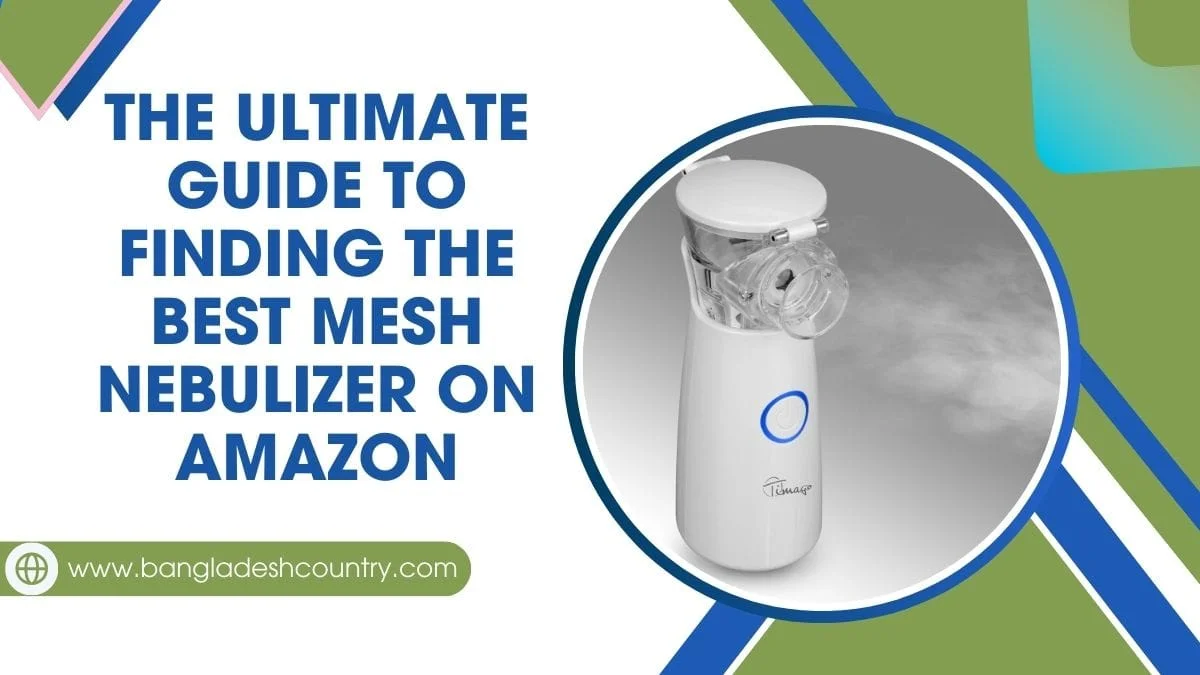
In the evolving landscape of personal healthcare, particularly for those managing chronic respiratory conditions, advancements in device technology continually offer improved convenience and efficacy. By 2026, the mesh nebulizer stands out as a transformative piece of equipment. Gone are the days when effective nebulizer treatments were confined to bulky, noisy machines tethered to a wall outlet. Today’s vibrating mesh technology delivers medication with remarkable quietness, portability, and efficiency, making it an indispensable tool for many. This isn’t just a minor upgrade; it’s a fundamental shift in how people approach their respiratory care, providing freedom and discretion previously unimaginable.
The Mechanics of a Mesh Nebulizer: How It Transforms Your Treatment
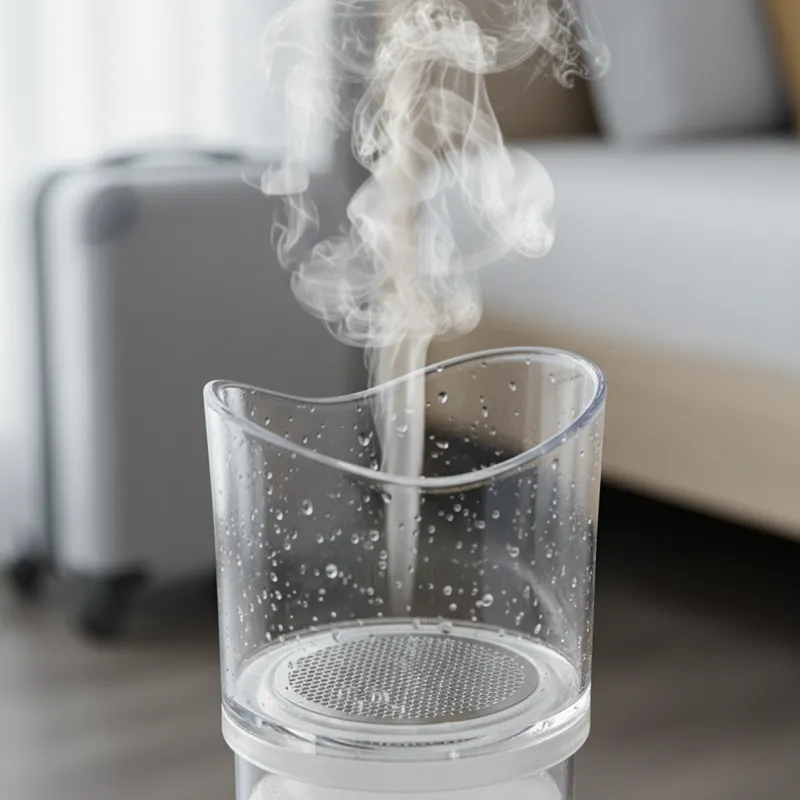
At its core, a mesh nebulizer operates on a principle known as vibrating mesh technology. Unlike older jet nebulizers, which use compressed air to create an aerosol, or traditional ultrasonic nebulizers that rely on high-frequency sound waves transmitted through water, mesh nebulizers employ a finely perforated membrane. This mesh contains thousands of microscopic holes. A vibrating element, typically piezoelectric, oscillates at a high frequency, pushing liquid medication through these tiny apertures. This process creates an exceptionally fine, consistent mist that can be inhaled deeply into the lungs. The consistency in particle size, often referred to as Mass Median Aerodynamic Diameter (MMAD), is crucial for effective drug delivery. Mesh nebulizers are engineered to produce particles within the optimal range (typically 1-5 micrometers) for reaching the lower airways, where many respiratory conditions manifest. This precise control over particle size means more medication reaches its target, and less is wasted on the tongue, throat, or exhaled air. It’s a significant leap in drug delivery efficiency and patient comfort.
Why Consider a Mesh Nebulizer for Your Respiratory Care in 2026?

The advantages of a mesh nebulizer over its predecessors are compelling and directly address many pain points of traditional nebulizer use.
Unmatched Portability and Convenience
The most striking benefit is their compact, often pocket-sized design. Many mesh nebulizers are small enough to fit in a purse, backpack, or even a large pocket. This makes them ideal for travel, work, school, or any on-the-go situation. The freedom to administer medication discreetly and effectively, wherever you are, can significantly improve adherence to treatment plans. You’re no longer tethered to an outlet or carrying a bulky compressor.
Ultra-Quiet Operation
Traditional jet nebulizers can sound like a mini-compressor running, creating significant noise that can be disruptive, especially in quiet environments or during nighttime use. Mesh nebulizers, by contrast, are nearly silent. The vibrating mesh mechanism produces only a faint hum, making treatments discreet and less anxiety-inducing, particularly for children or those who need treatments during meetings or public settings. This quiet operation often means a more relaxed treatment experience.
High Efficiency and Reduced Medication Waste
The vibrating mesh technology ensures that a greater proportion of the prescribed medication is converted into breathable aerosol, leading to higher drug delivery to the lungs. This efficiency minimizes medication waste, which can be a financial benefit and ensures you’re getting the full therapeutic dose. It also means shorter treatment times compared to older devices.
Ease of Use for Various Age Groups
With simple one-button operation, easy assembly, and often child-friendly mask options, mesh nebulizers are remarkably user-friendly. This simplicity reduces the learning curve and makes regular treatments less daunting for both adults and pediatric patients.
Battery-Powered Freedom
Most mesh nebulizers are rechargeable, often via USB-C, providing hours of operation on a single charge. This eliminates the need for constant access to an electrical outlet, enhancing their portability and usability in diverse situations, from camping trips to long flights.
Key Factors When Choosing a Mesh Nebulizer
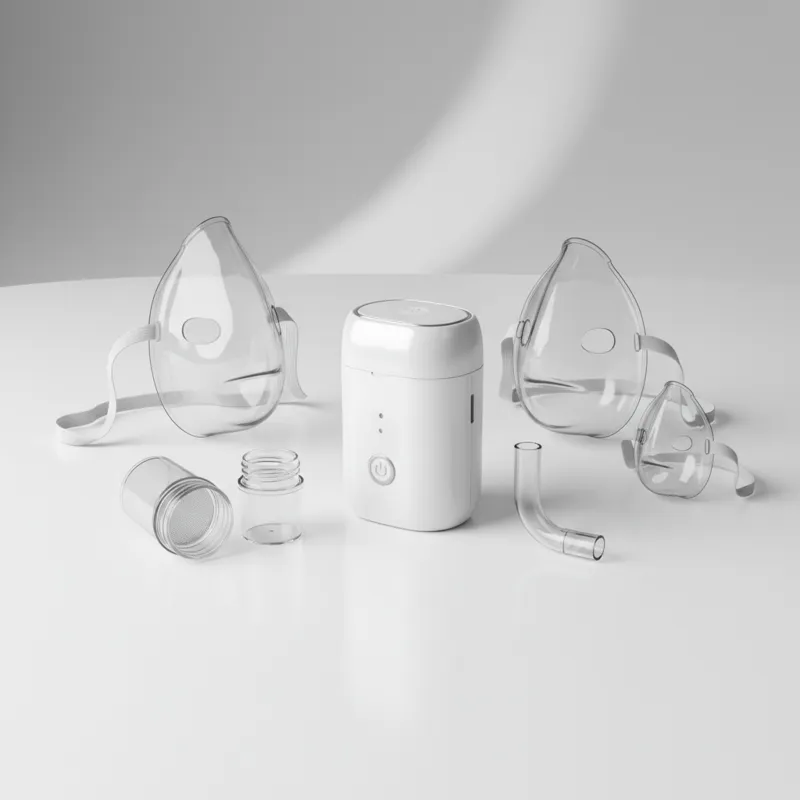
Selecting the right mesh nebulizer means considering several practical factors to ensure it meets your specific needs and lifestyle.
- Medication Compatibility: Not all nebulizers are compatible with all medications. Some viscous solutions or suspensions might not nebulize effectively with certain mesh devices. Always check the manufacturer’s specifications and consult your healthcare provider to ensure the device works with your prescribed drugs.
- Particle Size (MMAD): Look for devices that specify an MMAD between 1 and 5 micrometers. This range is generally considered optimal for reaching the lower respiratory tract for most common nebulized medications.
- Battery Life and Charging Options: Evaluate the battery life per charge and the charging method. USB-C charging is common and convenient. Consider if you need a device that can also operate while charging.
- Capacity of the Medication Cup: This determines how much medication can be held for a single treatment. Typical capacities range from 6ml to 10ml. Ensure it accommodates your prescribed dose without requiring refills during a single treatment.
- Ease of Cleaning and Maintenance: Proper cleaning is paramount for hygiene and device longevity. Look for devices that are easy to disassemble and clean, as detailed cleaning instructions will need to be followed meticulously.
- Portability and Size: If discretion and travel are primary concerns, opt for the most compact and lightweight model that still meets your other requirements.
- Durability and Build Quality: A robust design ensures the device can withstand regular use, especially if it’s for travel or daily portability.
- Price and Warranty: Mesh nebulizers are generally more expensive than jet nebulizers. Compare prices, check warranty periods, and look for reputable brands known for customer support.
7 Best Mesh Nebulizer Devices That Actually Work (Illustrative Examples for 2026)
The market for mesh nebulizers is continually innovating, and by 2026, we see a refined selection of devices that truly excel. While specific brand names and model numbers evolve, here are descriptions of seven types of mesh nebulizers that represent the pinnacle of performance and user experience, helping you identify what features to prioritize. These are not specific product endorsements but rather archetypes of highly effective devices.1.
The Ultra-Compact Traveler (e.g., “AeroGo Mini”)
This device prioritizes extreme portability without sacrificing efficacy. Weighing less than 100 grams and barely larger than a credit card, it’s designed for individuals with active lifestyles. It typically features a quick-charge battery offering 4-5 treatments on a single charge and a 6ml medication cup, perfect for standard-dose medications. The nebulization rate is optimized for speed, delivering a full dose in under 8 minutes, making it ideal for discreet use in public or during commutes. Cleaning is simplified with a removable mesh cap. Its robust casing also offers a degree of impact resistance for life on the move.2.
The Silent Night Model (e.g., “WhisperMist Pro”)
Engineered for near-absolute silence, the WhisperMist Pro is the choice for anyone needing treatments during sleep or in extremely quiet environments. Its vibrating element is encased with advanced sound dampening, reducing any audible hum to an almost imperceptible level. It features an extended-life battery (up to 10 treatments) and an auto-shutoff function for peace of mind. The medication cup usually holds 8ml, accommodating slightly larger doses, and the device often includes soft-touch silicone masks designed for comfort during extended overnight use.3.
The High-Capacity Workhorse (e.g., “MedStream XL”)
For those with conditions requiring higher volumes of medication or longer treatment sessions, the MedStream XL steps up. It boasts an expanded medication cup capacity, typically 10-12ml, allowing for continuous nebulization without interruption. While slightly larger than ultra-compact models, it remains handheld. Battery life is also extended, often featuring intelligent power management that conserves energy during standby. Its durable construction is designed for frequent daily use, making it a reliable choice for chronic conditions.4.
The Smart Connect Nebulizer (e.g., “PulseAero Sync”)
Embracing the smart health trend, this nebulizer integrates with smartphone apps via Bluetooth. The app allows users to track treatment times, monitor medication usage, set reminders, and even share data securely with their healthcare providers. It provides detailed insights into adherence and treatment patterns, helping both patients and clinicians optimize care. Features often include an intuitive digital display on the device itself, battery life indicators, and customizable nebulization settings via the app, making it a modern solution for data-driven health management.5.
The Durable Outdoor Companion (e.g., “EverTrek Air”)
Built to withstand more rugged conditions, the EverTrek Air is designed for adventurers, athletes, or anyone needing a nebulizer that can handle the elements. It typically features a splash-resistant and dust-proof design (often rated IPX4 or higher). Its reinforced casing protects against minor drops, and the battery is optimized for extreme temperatures, offering consistent performance in varied climates. With a secure cap for the medication cup, it minimizes spills, making it a reliable partner for outdoor activities or demanding work environments.6.
The User-Friendly Senior’s Choice (e.g., “GentleBreath Max”)
Simplicity and ease of handling are key here. The GentleBreath Max features oversized, tactile buttons, a clear, high-contrast display, and minimal assembly requirements. The medication cup is designed for effortless filling and cleaning, even for those with dexterity challenges. Instructions are often provided in large print and accompanied by intuitive pictograms. While still portable, its slightly larger form factor offers a more secure grip, reducing the chance of accidental drops. It’s about making essential healthcare accessible and stress-free.7.
The Pediatric Specialist (e.g., “TinyMist Pro”)
Designed with children in mind, the TinyMist Pro focuses on making nebulizer treatments less intimidating. It often comes with child-friendly masks in various sizes, sometimes with fun animal or cartoon designs. The device operates with an extra-gentle mist output and near-silent operation to avoid startling young users. Features might include playful LED light indicators or a compact, brightly colored casing. The emphasis is on comfort, quiet, and engaging design to encourage compliance in children.
Proper Usage and Maintenance for Longevity and Effectiveness
Even the best mesh nebulizer won’t perform optimally without correct usage and diligent maintenance. This is crucial for both hygiene and the device’s lifespan.
Preparing for Treatment
Before each use, ensure your hands are clean. Disassemble the medication cup from the main unit. Fill the cup with your prescribed medication, being careful not to overfill past the maximum line. Reattach the cup securely to the main unit. Attach the appropriate mask or mouthpiece.
Inhaling Correctly
Position the mouthpiece in your mouth, sealing your lips around it, or place the mask comfortably over your nose and mouth. Turn on the device. Breathe slowly and deeply through your mouth, holding each breath for a few seconds if possible before exhaling. Continue until all the medication is nebulized, which usually takes 5-10 minutes.
Post-Treatment Cleaning
This is non-negotiable. Immediately after each use, disconnect the medication cup. Empty any remaining medication. Rinse the medication cup, mesh cap (if detachable), mouthpiece, and mask under warm running water. For daily cleaning, use a mild dish soap and rinse thoroughly. Shake off excess water and allow all components to air dry completely on a clean, lint-free cloth or paper towel before storing.
Disinfection
Once a week (or as recommended by the manufacturer), disinfect the reusable parts. This often involves soaking the cleaned components in a solution of distilled water and white vinegar (1:1 ratio) for 30 minutes, or using a manufacturer-approved disinfectant solution. Rinse thoroughly with sterile water and air dry. Never immerse the main electronic unit in water.
Storage Tips
Store your mesh nebulizer and its components in a clean, dry place, away from direct sunlight or extreme temperatures. Keep it in its original case if available to protect it from dust and damage.
Battery Care
To maximize battery life, avoid fully discharging the device repeatedly. Charge it regularly, but don’t leave it plugged in for extended periods once fully charged. Use only the charger provided by the manufacturer.
Things People Often Overlook with Mesh Nebulizers
While mesh nebulizers are fantastic, a few critical details often get missed, leading to suboptimal experiences or reduced device longevity.
- Medication Specificity: As mentioned, not all liquid medications are formulated for mesh nebulizers. Some suspensions or highly viscous solutions can clog the mesh or degrade its performance. Always confirm compatibility with your pharmacist or doctor. Using inappropriate medications can damage the mesh and void your warranty.
- The Critical Importance of Consistent Cleaning: This cannot be stressed enough. Skipping cleaning, even once, can lead to medication residue hardening on the mesh, blocking the tiny holes. This reduces nebulization efficiency and can permanently damage the device. The mesh plate is delicate and requires gentle handling.
- Battery Degradation Over Time: Like all rechargeable batteries, those in mesh nebulizers will gradually lose their capacity over years of use. Expect a slight reduction in battery life after extensive cycles, which is normal but often surprising to users.
- Mesh Plate Replacement: The mesh itself isn’t designed to last forever. Depending on usage frequency and medication type, the mesh plate (or the entire medication cup assembly) often needs replacement every 6 to 12 months. This is a consumable part, much like a filter in other medical devices. Failure to replace it when needed will lead to decreased output and longer treatment times.
- Understanding Particle Size and Drug Delivery: While mesh nebulizers generally produce optimal particle sizes, variations exist. A device’s MMAD impacts where the medication lands in your lungs. If your current treatment isn’t as effective as expected, discussing the device’s specific MMAD with your doctor might be beneficial.
- The Role of Professional Medical Advice: This article, like any general health information, is for informational purposes only. It is not a substitute for professional medical advice, diagnosis, or treatment. Always seek the advice of your physician or other qualified health provider with any questions you may have regarding a medical condition. For anyone considering dietary changes or supplements to support overall wellness, like incorporating nutrient-rich options such as safflower seeds or perilla seeds into their routine, consultation with a healthcare professional is always recommended to ensure it aligns with individual health needs and existing treatments. Additionally, managing comfort and stress when dealing with health conditions, perhaps through practices like gentle stretching or using a hand held back massager, can contribute to overall well-being, but these should complement, not replace, medical treatment.
Is a Mesh Nebulizer Right for You? Weighing the Pros and Cons
Deciding if a mesh nebulizer is the correct choice involves a simple yet critical evaluation of your needs against its inherent characteristics.
Pros:
- Exceptional Portability: Perfect for an active lifestyle, travel, or discreet use.
- Near-Silent Operation: Allows for treatments anytime, anywhere, without disturbance.
- High Efficiency: Less medication waste, faster treatment times.
- User-Friendly: Simple operation, often suitable for all ages.
- Rechargeable: Freedom from power outlets with long-lasting batteries.
- Optimal Particle Size: Ensures effective delivery of medication to the lungs.
Cons:
- Higher Initial Cost: Generally more expensive than traditional jet nebulizers.
- Medication Compatibility Limits: Not suitable for all types of medications.
- Demanding Cleaning Regime: Requires diligent and consistent cleaning to prevent clogs and maintain function.
- Consumable Mesh Plate: The mesh unit eventually needs replacement, adding to long-term cost.
- Battery Life Degradation: Batteries will eventually wear down, impacting total device lifespan if not replaceable. For many, the convenience and effectiveness of a mesh nebulizer far outweigh these downsides, particularly for chronic conditions requiring frequent treatments. For a deeper dive into overall patient care trends and device integration, reputable sources like Wikipedia offer comprehensive overviews of nebulizer technology and its historical development.
Frequently Asked Questions (FAQ)
Here are some common questions people have about mesh nebulizers:
Q: Can I use saline solution in my mesh nebulizer?
A: Yes, most mesh nebulizers are compatible with isotonic saline solution. It’s often used for humidification or clearing airways. Always confirm with your device manufacturer’s instructions.
Q: How often should I clean my mesh nebulizer?
A: The medication cup and accessories (mask/mouthpiece) should be rinsed with warm water after every single use. A thorough cleaning with mild soap should be done daily, and disinfection (e.g., with vinegar solution) weekly, or as per manufacturer guidelines.
Q: Are mesh nebulizers covered by insurance?
A: Coverage varies widely by insurance plan and medical necessity. Some plans may cover mesh nebulizers, especially if prescribed by a doctor for a chronic condition. It’s best to contact your insurance provider directly to understand your benefits and requirements for coverage. You can also consult resources like the Medicare.gov website for information on durable medical equipment coverage.
Q: What’s the typical lifespan of a mesh nebulizer?
A: With proper care and regular cleaning, the electronic main unit can last several years. However, the mesh plate or medication cup assembly is a consumable part and typically needs replacement every 6-12 months, depending on frequency of use and medication type.
Q: Can children use mesh nebulizers?
A: Absolutely. In fact, their quiet operation and fast treatment times make them particularly well-suited for children, who may be intimidated by noisy traditional nebulizers. Many come with pediatric-sized masks. Always supervise children during treatments and ensure they use the device as prescribed by their doctor. The FDA provides useful consumer information on nebulizers for various users.
In 2026, the mesh nebulizer stands as a testament to how medical technology can evolve to significantly improve quality of life. Its blend of portability, efficiency, and quiet operation offers unprecedented freedom and discretion for individuals managing respiratory conditions. By understanding the technology, considering key selection factors, and committing to proper maintenance, you can choose a device that truly works for you, transforming your respiratory treatment experience for the better. Remember, this information is for educational purposes only; always consult with a healthcare professional regarding your specific medical needs and treatment plan.
Disclaimer: The health and medical information on bangladeshcountry.com is provided for general informational and educational purposes only and is not a substitute for professional medical advice, diagnosis, or treatment. We are not medical professionals. Always consult with a qualified healthcare provider before making any medical decisions. Reliance on any information provided on this site is solely at your own risk.


