In 2026, the kitchen landscape continues to evolve, with appliances doing more of the heavy lifting. Among them, the electric convection oven stands out as a true workhorse, transforming everyday cooking into an effortless and often faster experience. Gone are the days of unevenly baked cookies or roasts that are perfectly done on the outside but raw within. Convection technology, once a premium feature, is now standard in many modern kitchens, leveraging a fan and often an additional heating element to circulate hot air evenly. This consistent heat distribution means your food cooks more uniformly, often in less time, and with superior results, whether you’re baking, roasting, or broiling. For homeowners seeking to upgrade their culinary capabilities, selecting the right electric convection oven is a critical decision that impacts everything from meal prep to energy bills. This guide will walk you through the essential considerations and highlight our top seven picks, balancing performance, features, and value for your specific kitchen needs.
Understanding the Convection Advantage
What is Convection and Why Does it Matter?
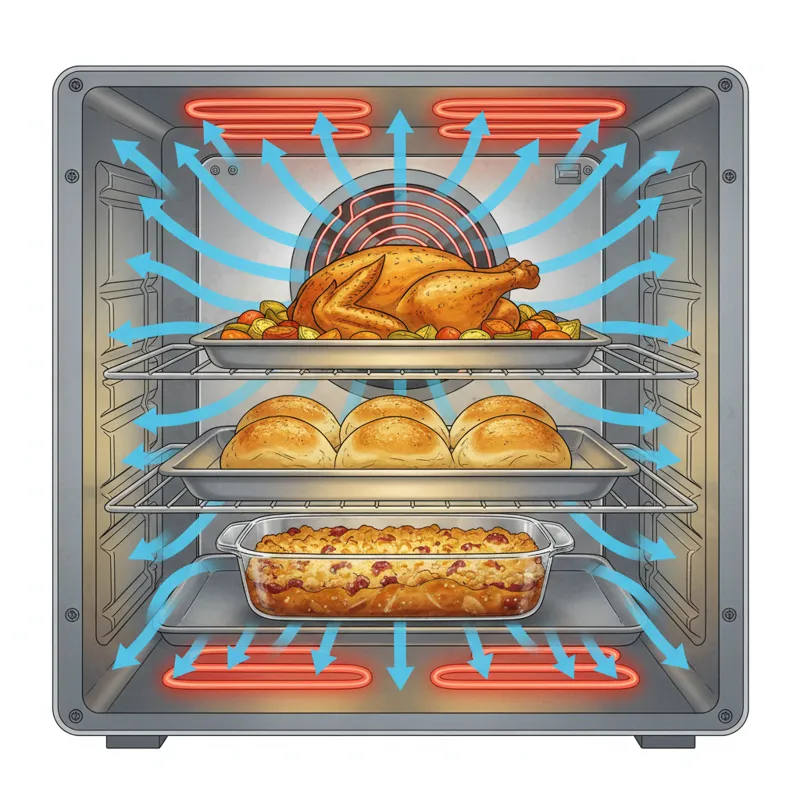
At its core, convection cooking is about controlled airflow. Unlike traditional radiant ovens that primarily heat food from static elements, an electric convection oven incorporates a fan, typically located at the back wall of the oven cavity. This fan actively circulates the hot air. This forced air movement isn’t just a gimmick; it addresses a fundamental challenge of oven cooking: uneven heat distribution.
When hot air moves, it more efficiently transfers energy to the food’s surface. This results in faster cooking times because the air around the food is continuously replaced with fresh hot air. You’ll notice better browning and crisping, particularly beneficial for items like roasted vegetables, poultry, or pastries. The consistent temperature also minimizes hot and cold spots, ensuring a more uniform cook from edge to center, rack to rack.
Types of Electric Convection: True vs. Standard
Not all convection systems are created equal, and understanding the distinction between “standard” and “true” (or “European”) convection is important. A standard electric convection oven uses a fan to circulate air that’s been heated by the oven’s regular top and bottom heating elements.
A true convection oven, however, includes an additional heating element positioned around the convection fan itself. This dedicated element preheats the air before it’s circulated into the oven cavity. This design ensures that only already-heated air is blown over your food, providing an even more consistent temperature and faster, more efficient cooking. For serious bakers and cooks, true convection offers a noticeable performance edge, especially when cooking multiple items simultaneously.
Key Factors When Choosing Your Electric Convection Oven
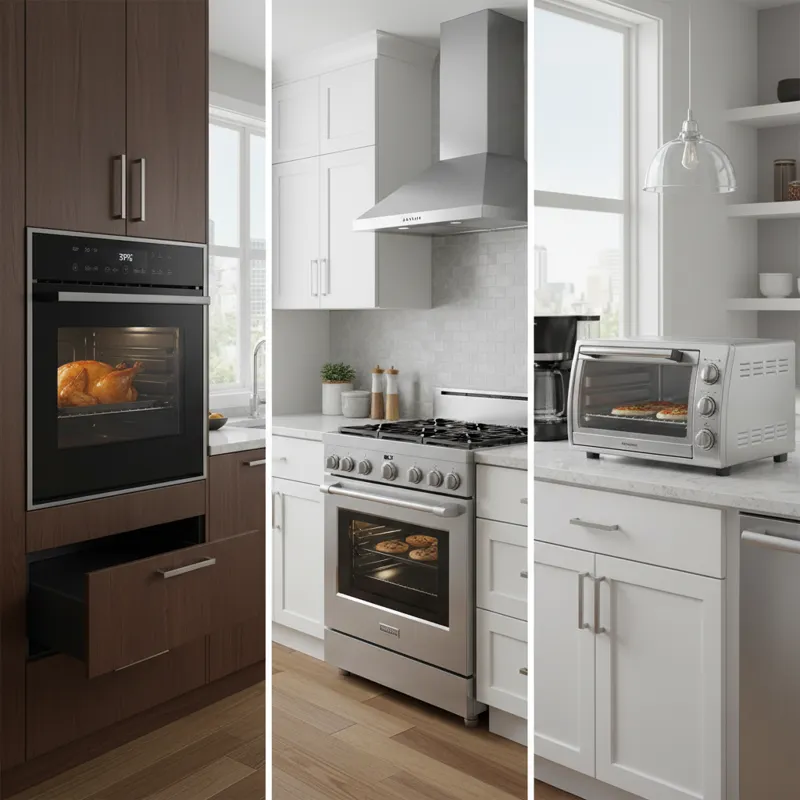
Selecting the ideal electric convection oven involves more than just picking a brand. It requires a thoughtful assessment of your cooking habits, kitchen layout, and budget. Here’s what you should consider:
Capacity and Configuration
Ovens come in various forms to suit different kitchen designs and user needs. Freestanding ranges integrate the oven and cooktop into one unit, ideal for most standard kitchens. Wall ovens, on the other hand, are built directly into cabinetry, offering a seamless look and often freeing up counter space. They can be installed at eye level, which is a significant ergonomic advantage.
Consider single versus double ovens. A double oven provides two separate cooking cavities, perfect for large families, entertaining, or preparing dishes that require different temperatures simultaneously. If space is at a premium or you need an auxiliary oven, compact mini air fryer-style convection ovens or countertop models offer surprising versatility, often combining functions like toasting, roasting, and air frying in a smaller footprint.
Power and Performance
The core performance of an electric convection oven is dictated by its power and heating capabilities. Look at the wattage, especially for the baking and broiling elements. Higher wattage generally means faster preheating and more robust heat recovery when you open the oven door.
Pay attention to the temperature range and how quickly the oven reaches and maintains target temperatures. Some advanced models boast precise temperature control within a few degrees, crucial for delicate baking. Rapid preheat functions are a significant time-saver, often cutting preheating times by 20-30%.
Smart Features and Controls
In 2026, smart kitchen integration isn’t just a luxury; it’s an expectation for many. Modern electric convection ovens offer a suite of smart features, including Wi-Fi connectivity, enabling remote control via a smartphone app. You can preheat the oven on your way home, adjust temperatures, or even monitor cooking progress from another room.
Voice control integration with smart home ecosystems like Amazon Alexa or Google Assistant is also becoming common. Look for ovens with intuitive touchscreens, pre-programmed settings for popular dishes, and temperature probes for precise internal cooking temperatures. These features add convenience and enhance cooking precision.
Energy Efficiency
With increasing awareness of energy consumption and rising utility costs, energy efficiency is a crucial factor. An electric convection oven’s ability to circulate heat means it often cooks faster and at slightly lower temperatures than a conventional oven, inherently making it more efficient. However, not all models are created equal.
Look for the ENERGY STAR certification, which signifies that the appliance meets strict energy efficiency guidelines set by the U. S. Environmental Protection Agency. These models use less electricity, saving you money on your bills over the oven’s lifespan and reducing your carbon footprint. You can learn more about ENERGY STAR certified ovens on their official website.
Cleaning and Maintenance
No one enjoys scrubbing an oven. Modern electric convection ovens offer various cleaning solutions. Pyrolytic self-cleaning cycles use extremely high temperatures to turn food residues into ash, which can then be easily wiped away. While effective, these cycles consume a significant amount of energy and can produce smoke.
Alternatively, steam cleaning functions use lower temperatures and water to loosen grime, making manual wiping easier and faster. Some models feature specialized enamel interiors or removable racks designed for quick, easy cleaning. Consider your tolerance for manual cleaning versus convenience features when making your choice.
Budget and Value
Electric convection ovens span a wide price range, from entry-level models around $800-$1000 to high-end, professional-grade units exceeding $5000. It’s important to set a realistic budget and understand what features are essential for you.
Value isn’t just about the upfront cost. Factor in long-term operating costs (energy efficiency), durability, and the features that genuinely enhance your cooking experience. A slightly more expensive model with better performance or advanced features might offer greater long-term satisfaction and utility. For instance, investing in a durable cast iron casserole dish will deliver value over years of cooking, much like a well-chosen oven.
Our 7 Best Electric Convection Ovens for Effortless Cooking in 2026
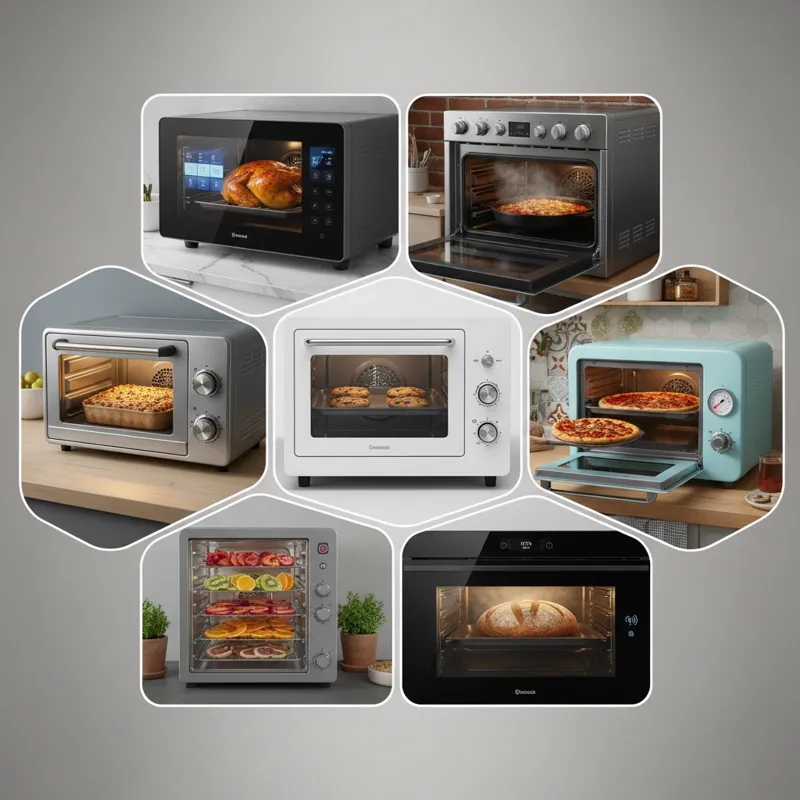
Based on performance metrics, feature sets, and market feedback in early 2026, here are our top picks for electric convection ovens that simplify and elevate your home cooking:
1. The ProChef Elite 3000: Best Overall Performance
The ProChef Elite 3000 consistently delivers exceptional results across all cooking tasks. It features true European convection with a powerful, multi-speed fan and three dedicated heating elements, ensuring incredibly even heat distribution. Its rapid preheat function gets you to 350°F in under 7 minutes, and the precise temperature control maintains accuracy within 1-2 degrees. The oven boasts a generous 5.1 cubic foot capacity, robust gliding racks, and a responsive 7-inch touchscreen interface. This model is ideal for serious home cooks who demand professional-grade performance and reliability.
2. The ConnectHome SmartBake: Top Pick for Smart Kitchen Integration
For those building a truly connected home, the ConnectHome SmartBake is unmatched. This electric convection oven integrates seamlessly with popular smart home platforms, offering voice control for preheating, setting timers, and even starting specific cooking modes. Its intuitive app allows remote monitoring and control, and it features AI-powered recipe suggestions that automatically adjust settings. The oven also includes an internal camera, letting you check on your food from your phone without opening the door. While prioritizing connectivity, it doesn’t skimp on performance, featuring a dual-fan convection system for excellent results.
3. The Everyday Kitchen Workhorse: Excellent Value for Budget-Conscious Buyers
Proving that you don’t need to break the bank for quality, the Everyday Kitchen Workhorse offers robust convection capabilities at a highly competitive price point. This model features a standard electric convection system that efficiently circulates heat, significantly improving cooking consistency over non-convection alternatives. It has a solid 4.8 cubic foot capacity, a durable stainless steel finish, and simple, reliable knob controls complemented by a digital display. It’s a no-frills, high-performance option that focuses on delivering core convection benefits without unnecessary extras, making it an excellent choice for first-time convection oven owners or those on a tighter budget.
4. The Baker’s Dream ConvectPro: Ideal for Avid Bakers and Roasters
Designed with precision baking in mind, the Baker’s Dream ConvectPro excels at creating perfectly uniform cakes, breads, and roasted meats. Its advanced true convection system uses a specialized fan blade design and a strategically placed heating element to ensure zero hot spots. It also includes multiple convection modes, such as ‘convection bake,’ ‘convection roast,’ and ‘convection broil,’ each optimized for specific cooking needs. Features like extra-large windows, bright interior lighting, and a proofing mode further enhance its appeal to dedicated bakers. If you frequently bake delicate items or roast large cuts of meat, this oven’s precision will be invaluable.
5. The SpaceSaver Multicooker: Compact and Versatile Countertop Option
When a full-size oven isn’t feasible or you need supplementary cooking power, the SpaceSaver Multicooker offers surprising capability. This countertop electric convection oven combines the power of a convection oven with air frying, dehydrating, and toasting functions. It’s perfect for smaller kitchens, RVs, or as an energy-efficient alternative for small meals. Despite its compact size, it can handle a whole chicken or a 12-inch pizza. Its rapid heating and intuitive digital controls make it incredibly versatile for quick meals or side dishes. For an additional cooking tool, consider how this pairs with a 4qt slow cooker for complete meal preparation flexibility.
6. The AuraSeries Chef Edition: Premium Design and Advanced Features
For those who value aesthetics as much as performance, the AuraSeries Chef Edition is a standout. This premium electric convection oven combines sleek, minimalist design with cutting-edge technology. It boasts a self-cleaning pyrolytic cycle, a soft-close door, and internal temperature probes that sync with its intelligent cooking algorithms. The true convection system provides exceptional heat distribution, complemented by steam assist features for achieving perfect crusts on bread and succulent roasts. Its expansive internal capacity and customizable cooking programs cater to gourmet aspirations, making every meal a refined experience.
7. The Eco-Sense Convection: The Eco-Conscious Choice
The Eco-Sense Convection is designed for homeowners prioritizing environmental impact and long-term energy savings. This ENERGY STAR certified electric convection oven leverages highly efficient insulation and an optimized true convection fan system to minimize energy consumption without compromising cooking performance. It features a rapid heat-up mode that reduces preheating waste and a low-energy steam clean cycle. Constructed with a focus on sustainable materials and a longer expected lifespan, the Eco-Sense Convection is a responsible choice for modern living. According to the U. S. Department of Energy, convection ovens can use 20% less energy than conventional models, and this oven maximizes those savings.
Things People Usually Miss About Electric Convection Ovens
While an electric convection oven simplifies cooking, there are common oversights that can prevent you from getting the most out of your appliance:
Ventilation Requirements
Convection ovens, especially wall ovens, need proper ventilation to disperse heat and moisture. Ensuring your kitchen exhaust fan is adequately sized and positioned is critical, particularly during self-cleaning cycles which can produce significant heat and fumes. Always check the manufacturer’s recommendations for clearance and ventilation.
Rack Placement and Airflow
The essence of convection is airflow. Overcrowding your oven or placing baking sheets directly against the oven walls can obstruct the fan’s circulation, defeating the purpose of convection. Use appropriate-sized bakeware and leave space around items for optimal heat distribution. For multi-rack cooking, stagger items rather than placing them directly above one another.
Adjusting Recipes for Convection
Because convection cooks faster and often more evenly, many recipes require adjustments. A general rule of thumb is to reduce the cooking temperature by 25°F (about 15°C) or reduce the cooking time by 20-25%. For instance, if a recipe calls for 350°F for 30 minutes in a conventional oven, try 325°F for 20-25 minutes in a convection oven. Always check food for doneness earlier than expected.
The Difference in Preheating Times
While convection ovens often have faster preheat times, it’s still crucial to allow the oven to fully reach the set temperature before introducing food. Opening the door too soon can cause a significant temperature drop, especially in standard convection models, impacting initial cooking. Rely on your oven’s indicator light or sound cue.
Frequently Asked Questions About Electric Convection Ovens
Are electric convection ovens more energy efficient?
Yes, generally. Because the fan circulates hot air, an electric convection oven cooks food faster and often at a slightly lower temperature than a conventional oven. This means it’s on for less time and uses less energy overall. ENERGY STAR certified models offer even greater efficiency.
Can I use regular bakeware in a convection oven?
Absolutely. Most standard bakeware, including metal pans, glass dishes, and ceramic bakeware, is perfectly safe to use in an electric convection oven. For optimal browning and crisping, consider using lighter-colored, rimmed baking sheets which allow for better airflow compared to dark, heavy pans that absorb more heat.
How often should I clean my convection oven?
The frequency depends on your usage. For light use, a good wipe-down every few weeks and a self-clean cycle every 3-6 months might suffice. For heavy, frequent cooking, you might need to clean spills immediately and run a self-clean cycle more often. Always follow your oven’s specific cleaning instructions.
What’s the ideal temperature adjustment for convection baking?
For most recipes, reducing the temperature by 25°F (about 15°C) from the conventional oven setting is a good starting point. Some professional chefs also recommend keeping the temperature the same but shortening the cooking time by 20-25%. Experiment with your specific oven and recipes to find what works best.
Choosing the right electric convection oven is an investment in your kitchen’s capabilities and your daily cooking routine. By understanding the technology, evaluating your needs, and considering the key factors discussed, you’re well-equipped to select a model that will deliver effortless, delicious results for years to come. Whether you prioritize smart features, precise baking, or sheer value, there’s an electric convection oven out there to perfectly suit your culinary aspirations in 2026.