
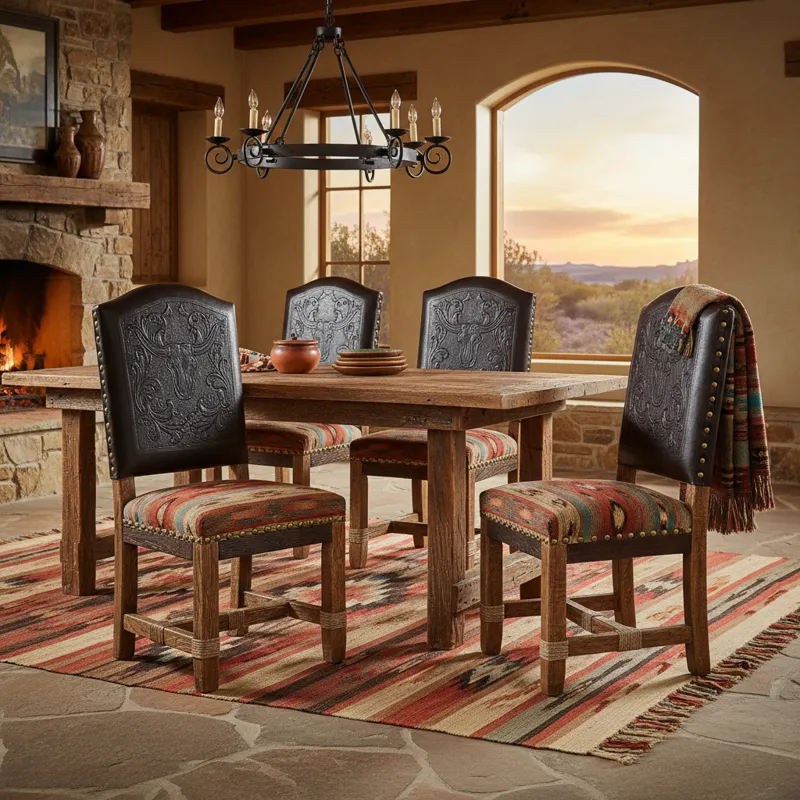
Western dining chairs are far more than just a thematic choice; they represent a distinct approach to home furnishings that prioritizes robust construction, natural materials, and an aesthetic deeply rooted in American frontier history and ranch culture. When you’re selecting these chairs, you’re not just picking a seat; you’re investing in pieces that tell a story through their very form and finish. They’re designed to be durable, comfortable for daily use, and to anchor a dining space with a sense of grounded authenticity that many contemporary styles simply can’t replicate. Understanding the specific characteristics that define truly great western dining chairs helps you discern quality and ensure your investment enriches your home for years to come.
Defining the Western Aesthetic in Dining Chairs
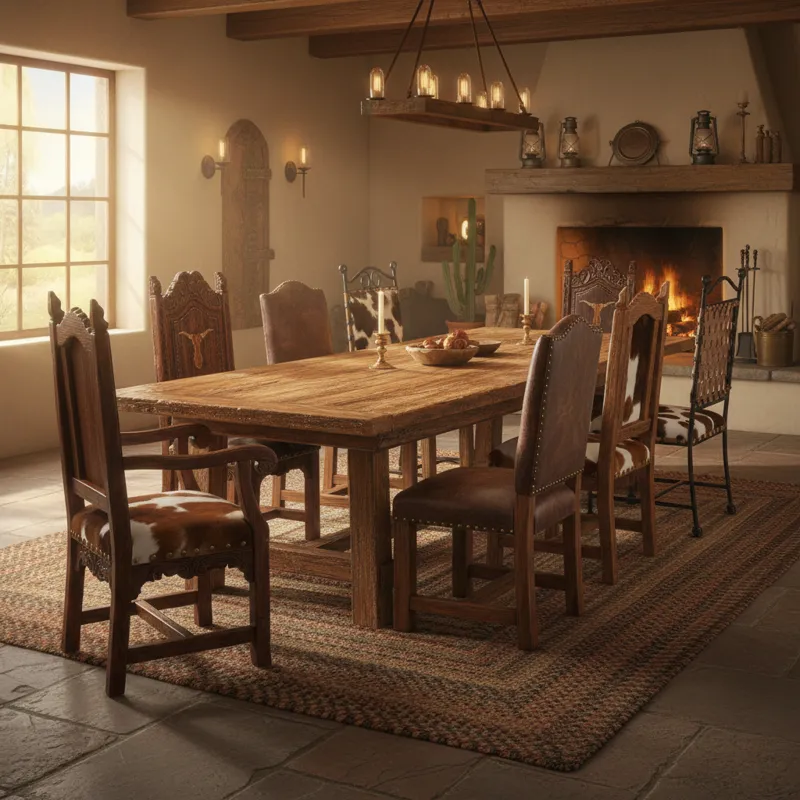
The term “Western” in furniture design conjures images of rugged landscapes, frontier resilience, and the honest craftsmanship born out of necessity. In the context of dining chairs, this translates into a specific design language that is both visually appealing and inherently practical. It’s an aesthetic built on the principles of durability, comfort, and a connection to natural elements.
Roots and Evolution: From Frontier to Modern Ranch
The origins of Western furniture trace back to the functional needs of settlers, cowboys, and ranch hands across the American West during the 19th century. Early pieces were often handcrafted, simple, and built to withstand harsh conditions and heavy use. Materials were sourced locally—pine, oak, and later mesquite—and finishes were utilitarian, meant to protect rather than merely decorate. These chairs weren’t just for eating; they were foundational pieces in homes where life was lived robustly.
As the West developed, so did its distinct style. Native American artistic traditions influenced patterns and material choices, while Mexican colonial design contributed to the use of leather, ironwork, and carving. By the early 20th century, the “Dude Ranch” era popularized a more refined, yet still authentic, Western style, moving these pieces from pure utility to a celebrated aesthetic. Today, modern Western design continues this evolution, blending traditional elements with contemporary lines and materials for homes that seek both heritage and sophistication.
Core Characteristics: Materials, Form, and Ornamentation
At its heart, the Western aesthetic in dining chairs is defined by a commitment to robust materials and honest craftsmanship. You’ll typically see solid wood construction, often left with a visible grain or distressed finish. Leather, whether full-grain or top-grain, frequently appears as upholstery, chosen for its resilience and ability to develop a rich patina over time. Metal, particularly wrought iron or forged steel, might serve as structural elements or decorative accents, like nailheads or custom hardware.
The forms themselves are generally substantial and inviting, often with broad seats and supportive backs. Ornamentation, while present, tends to be deliberate and meaningful, rather than purely decorative. This might include hand-carved details, brands, tooled leather motifs, or even natural imperfections in the wood that are celebrated rather than hidden. The overall impression is one of strength, comfort, and an undeniable sense of place.
Key Materials and Construction for Authentic Western Dining Chairs
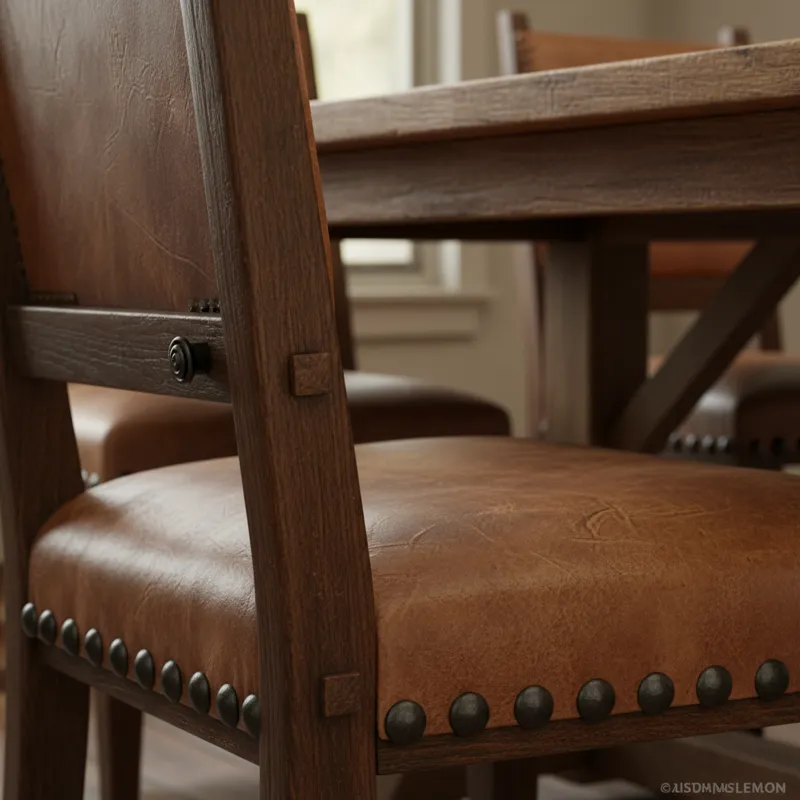
The longevity and authentic look of western dining chairs depend heavily on the materials used and the quality of their construction. This isn’t an area where you want to cut corners, as poorly made chairs will quickly show wear and detract from the overall aesthetic you’re trying to achieve.
Solid Wood: The Foundation
Solid wood is the backbone of most high-quality Western furniture. It offers unmatched durability and a natural beauty that only improves with age. Different wood species lend themselves to distinct finishes and characteristics:
- Oak: Known for its strength and prominent grain, oak is a classic choice. It takes stains beautifully, from light natural tones to darker, rich hues, and resists dents and scratches well.
- Pine: Often used for its affordability and rustic appeal, pine is softer than oak but can be distressed and finished to achieve a very authentic, weathered look. It’s lighter in color and shows knots, adding character.
- Hickory: Exceptionally strong and durable, hickory is often chosen for its distinctive grain patterns and two-tone heartwood and sapwood, which create a unique, natural variation. It’s a workhorse wood.
- Alder: A softer hardwood, alder takes stains very well, often mimicking more expensive woods like cherry or mahogany. It has a fine, uniform grain and is a good choice for chairs requiring intricate carving.
- Mesquite: Indigenous to the Southwestern U. S. and Mexico, mesquite is incredibly hard and stable, known for its rich, often gnarled grain and natural imperfections. It’s a premium wood that brings undeniable character. For more on the properties of different wood types, Wikipedia offers an extensive overview of wood characteristics and uses.
When evaluating wood, look for solid pieces rather than veneers or particle board. The weight of the chair is often a good indicator of substantial wood use.
Leather and Upholstery: Durability Meets Comfort
Leather is synonymous with Western style, valued for its rugged elegance, comfort, and ability to age gracefully. The type and quality of leather make a significant difference:
- Full-Grain Leather: The highest quality, retaining the natural texture and imperfections of the hide. It’s exceptionally durable and develops a beautiful patina over time. Expect this to be a premium option.
- Top-Grain Leather: The second-highest quality, where the outermost layer is sanded and a finish coat applied. It’s durable and more uniform than full-grain, offering a good balance of quality and appearance.
- Split Leather/Suede: Made from the lower layers of the hide, often used for its soft, napped finish. While comfortable, it’s generally less durable for high-traffic seating than full or top-grain leather.
- Faux Leather: A synthetic alternative. While some high-quality faux leathers are convincing, they typically lack the breathability, natural aging, and long-term durability of genuine leather.
Beyond leather, certain durable fabrics like woven chenille, heavy canvas, or even durable wool blends can be used, often featuring Southwestern patterns or rich, earthy tones. Padding underneath the upholstery should be high-density foam for lasting comfort and support.
Metal Accents: Wrought Iron, Forged Steel, Copper
Metalwork adds another layer of authenticity and strength to Western dining chairs. Wrought iron, with its hand-forged look, is a common choice for chair frames or decorative elements like backrests and stretchers. Forged steel offers similar strength with a slightly more contemporary edge, often appearing in cleaner lines. Copper accents, whether in small decorative tacks or larger inlays, provide a warm, distinctive touch that patinas beautifully. Look for sturdy welds and secure attachments for any metal components.
Construction Techniques: Joinery, Finishing, Sturdiness
The integrity of a chair hinges on how its pieces are put together. Quality Western dining chairs utilize traditional, robust joinery:
- Mortise and Tenon Joints: This strong, interlocking joint involves one piece (the tenon) fitting into a corresponding hole (the mortise) in another. It’s a hallmark of durable furniture.
- Dovetail Joints: Often used for drawers, but sometimes found in more elaborate chair construction, dovetails are interlocking wedges that create a very strong, pull-resistant joint.
- Doweled Joints: Wooden dowels reinforce butt joints, adding strength and stability.
- Corner Blocks: Triangular blocks of wood, often glued and screwed into interior corners, provide crucial reinforcement.
Finishing is also critical. A good finish protects the wood and enhances its natural beauty. Distressing (deliberately aging the wood), hand-waxing, or multi-step lacquering are common for Western styles. Inspect the finish for consistency, smoothness (where appropriate), and proper sealing against moisture and wear. A sturdy chair feels solid when you sit in it and doesn’t wobble or creak.
Navigating Design Styles Within the Western Category
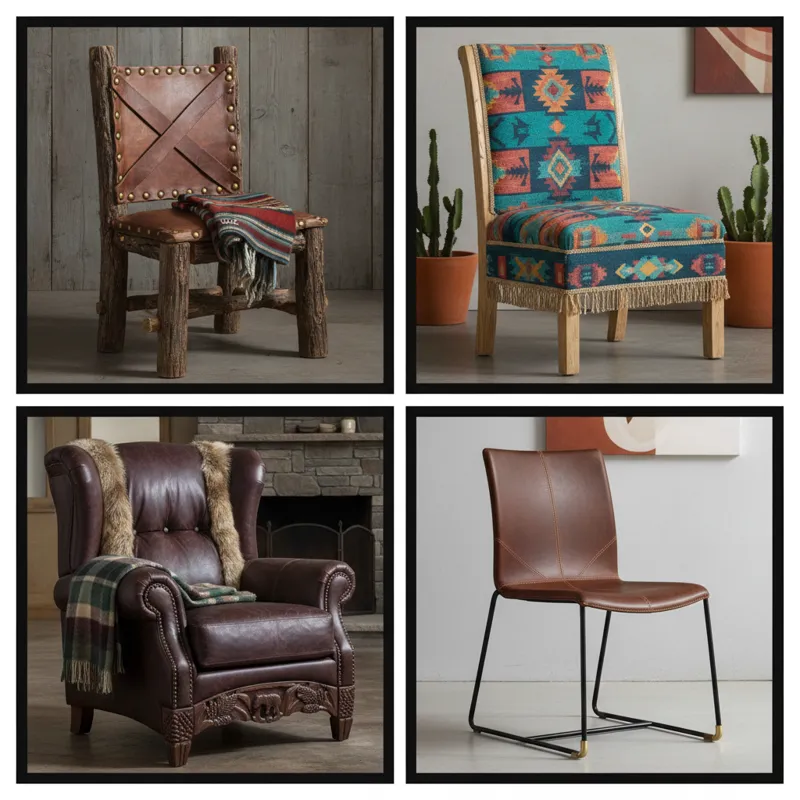
The “Western” category isn’t monolithic; it encompasses several distinct design styles, each with its own nuances. Understanding these variations helps you pinpoint the perfect chairs for your specific vision, especially when you’re outfitting a larger ensemble like a dining table set for 6. Each style offers a different flavor of the Western aesthetic, from the raw and rugged to the elegantly refined.
Rustic Ranch: Rugged, Unrefined Beauty
This style emphasizes raw, natural elements and a less polished finish. Think substantial wood, often with visible knots, character marks, and a hand-hewn appearance. Chairs might feature rough-sawn lumber, live edges, or simple, straightforward forms. Leather upholstery tends to be distressed or antique-finished, embracing its imperfections. Metal elements are typically wrought iron, with a heavy, utilitarian feel. The rustic ranch chair is robust, unpretentious, and built for function first, with beauty found in its natural state.
Southwestern / Santa Fe: Native Influences, Vibrant Tones
Drawing heavily from Native American and Spanish colonial traditions, Southwestern chairs often feature rich, earthy color palettes—terracotta, turquoise, sand, and deep reds. Geometric patterns, often woven into fabric upholstery or hand-carved into wood, are characteristic. Materials like mesquite wood, hammered copper, and rawhide lacing can be prominent. Designs might include slatted backs, carved symbols, or painted accents. These chairs bring a vibrant, cultural depth to the Western aesthetic, reflecting the unique heritage of the American Southwest.
Lodge / Cabin: Hearty, Inviting, Often Plush
Lodge-style chairs evoke the cozy warmth of a mountain retreat. They are typically more substantial and inviting, often featuring upholstered seats and backs with generous padding. Wood elements might be less distressed than rustic ranch, with a focus on polished finishes that highlight natural grain, often in darker tones. Upholstery might include plaid patterns, faux fur, or heavy, textured fabrics alongside leather. Expect a sense of robust comfort and a slightly more refined, yet still woodsy, feel. Antler accents, though less common on dining chairs, can sometimes appear in this style.
Modern Western: Streamlined Forms, Traditional Elements
This contemporary interpretation blends classic Western materials with cleaner lines and a minimalist sensibility. You’ll see the familiar solid wood and quality leather, but the forms are often simplified, with less ornamentation. Expect sleeker profiles, perhaps with unexpected material pairings like polished chrome with distressed leather, or a simple wood frame with a geometrically patterned fabric. Modern Western dining chairs maintain the spirit of the West but adapt it for today’s interiors, offering sophistication without losing their heritage feel.
Cowboy Chic: Distinctive Details, Thematic Motifs
Cowboy chic is where the Western aesthetic leans into its more iconic imagery. These chairs might feature specific thematic motifs like star cutouts, branded elements, concho accents, fringe, or elaborate tooling on leather. The designs are often bold and declarative, celebrating the cowboy heritage with flair. While still built for durability, there’s a greater emphasis on distinctive detailing and a curated, stylish presentation. These chairs are conversation starters, unapologetically embracing their Western identity.
Comfort and Ergonomics: More Than Just Looks
While aesthetics are certainly a primary driver when choosing western dining chairs, neglecting comfort and ergonomics is a mistake. Dining chairs are used for extended periods during meals, conversations, and even family game nights. A truly great chair supports the body, allowing you and your guests to relax and enjoy the experience without discomfort.
Seat Depth and Height: Getting the Proportions Right
The ideal seat height for a dining chair typically ranges between 18 to 20 inches from the floor to the top of the seat. This allows most adults to sit comfortably with their feet flat on the floor, or nearly so, and their thighs parallel to the ground. When paired with a standard dining table (usually 29-30 inches high), this leaves enough space for your legs and comfortable clearance for your arms above the tabletop. You want about 10-12 inches between the top of the seat and the underside of your table apron.
Seat depth is also crucial. For Western chairs, which often have generous proportions, a depth of 18 to 20 inches is common. This allows enough room for most people to sit back against the backrest without the front edge of the seat digging into the back of their knees. If the seat is too deep, shorter individuals might find themselves slouching or unable to use the backrest effectively. Consider who will primarily use the chairs and their average stature.
Backrest Design: Support and Relaxation
The backrest of a dining chair isn’t just for looks; it provides essential lumbar support and allows you to recline slightly during a long meal. Western dining chairs often feature solid, substantial backrests, sometimes with a slight curve or angle that cradles the lower back. Look for chairs where the backrest extends high enough to support the shoulder blades for most users, typically around 12-16 inches above the seat.
Slatted or spindle backs, common in rustic styles, should have a comfortable spacing that doesn’t create pressure points. Upholstered backs, prevalent in lodge or more refined Western styles, offer a plush feel but should still maintain a supportive firmness. Test the chair to ensure the backrest angle feels natural and doesn’t force you into an awkward posture.
Upholstery and Padding: Essential for Extended Meals
For chairs with upholstered seats, the quality of the padding is paramount. High-density foam is the standard for durable and comfortable seating. It should offer a balance of softness and support, springing back to its original shape rather than compressing permanently. Avoid chairs with thin or overly soft padding that will quickly flatten, leading to discomfort.
Leather upholstery, while durable, should be supple and well-stretched, without excessive wrinkling or looseness that indicates poor application. For fabric upholstery, choose a material that is not only visually appealing but also soft to the touch and resistant to pilling or fraying. The goal is to create a seating experience that encourages guests to linger, not to rush away due to a hard or uncomfortable seat.
What Most People Overlook When Buying Western Dining Chairs
It’s easy to get caught up in the visual appeal and initial comfort of western dining chairs. However, several critical practicalities often go overlooked, leading to buyer’s remorse or unexpected issues down the line. Being aware of these points can save you frustration and ensure your chairs integrate perfectly into your home.
Scale and Proportion to Your Dining Space
Many Western dining chairs are substantial, designed with a robust presence. While this is part of their charm, it’s crucial to consider their physical footprint in your dining room. A common mistake is selecting chairs that are too large for the table or the room itself. Measure your dining area carefully, paying attention to clearance around the table when chairs are pulled out. Ideally, you want at least 36 inches of clearance between the pulled-out chair and any walls or other furniture to allow for comfortable movement.
Also, consider the visual weight. A room filled with too many heavy, dark chairs can feel cramped and oppressive. Sometimes, mixing in armless chairs or choosing chairs with more open backrests can balance the visual heft. Always bring a tape measure with you when shopping, and map out your space at home before committing.
The Importance of a Cohesive Dining Table Set for 6
While you might be focused on the chairs, remember they are part of a larger dining ensemble. The chairs must complement the dining table in both style and proportion. A rustic Western chair might look out of place with a sleek, minimalist glass table, just as a delicate table might be overwhelmed by heavy chairs. It’s often easier and more aesthetically pleasing to purchase your dining chairs as part of a complete dining table set for 6, ensuring everything matches perfectly from the outset. If you’re mixing and matching, ensure the wood tones, metal finishes, and overall style families are harmonious.
Pay close attention to the apron of your dining table (the horizontal frame beneath the tabletop). Ensure there’s enough vertical clearance for the arms of your chairs to slide underneath if they have them, and for legs to fit comfortably without bumping. A common issue arises when chair arms are just a hair too high to tuck neatly under the table, which wastes space and looks untidy.
Maintenance and Longevity: Protecting Your Investment
Western chairs, especially those made from solid wood and genuine leather, are built to last, but they aren’t maintenance-free. Wood furniture requires occasional cleaning with a damp cloth and can benefit from wood polish or wax to keep it nourished and protected from drying out. Avoid placing wood chairs in direct sunlight or near heat sources, which can cause fading or cracking.
Leather upholstery needs regular dusting and conditioning to prevent it from drying out and cracking. Use a leather conditioner a few times a year, and clean spills immediately with a soft, damp cloth. Understanding these simple care routines beforehand helps you preserve the beauty and extend the life of your chairs, protecting your investment for decades. For detailed advice on caring for wooden furniture, the Better Homes & Gardens website offers comprehensive guides.
The Impact of Floor Protection
This is a small detail with big consequences. The legs of your dining chairs will constantly slide across your flooring, and without proper protection, they can cause scratches, dents, or wear patterns. Invest in high-quality felt pads or rubber caps for each chair leg. These inexpensive additions prevent damage to hardwood, tile, or laminate floors and also reduce noise when chairs are moved. They also help distribute the weight evenly, which can be particularly important for heavy chairs on softer floorings. Check and replace these pads periodically as they wear down.
Sourcing and Investment: Where to Find Quality Western Dining Chairs
Finding the right western dining chairs involves understanding where to look and what to expect in terms of investment. The market offers a range of options, from mass-produced pieces to bespoke artisan creations, each with its own advantages and considerations.
Specialty Western Furniture Retailers
For the most authentic selection and knowledgeable staff, specialty Western furniture stores are your best bet. These retailers often curate collections from regional craftsmen and specific manufacturers who truly understand the aesthetic and build quality required. They can guide you through different wood types, leather grades, and design variations. While prices here might be higher than big-box stores, you’re paying for expertise, quality, and a more unique selection. These stores often also offer customization options.
Artisan and Custom Builders
If you’re looking for truly unique pieces, consider commissioning chairs from an artisan or custom furniture builder. This route allows you to specify every detail, from the wood species and finish to the leather tooling and dimensions. Custom work ensures a perfect fit for your space and a truly one-of-a-kind statement, embodying the spirit of handcrafted Western tradition. This is often the most significant investment, but it yields chairs that are heirlooms. Be prepared for longer lead times, as true craftsmanship takes time.
Online Marketplaces: Considerations for Remote Purchases
The digital age offers a vast selection of western dining chairs from online retailers, including niche Western home décor sites and larger e-commerce platforms. The primary advantages are convenience and often competitive pricing. However, buying online requires careful due diligence:
- Read reviews: Look for consistent feedback regarding quality, comfort, and customer service.
- Check return policies: Understand the costs and procedures for returns if the chairs don’t meet expectations.
- Request samples: Many retailers offer wood or fabric swatches, which can be invaluable for color and texture matching.
- Examine dimensions: Always double-check measurements, as photos can be deceptive regarding scale.
While you miss the opportunity to sit in the chair before buying, reputable online vendors often provide detailed specifications and high-resolution images to help bridge this gap.
Understanding Price Points and Value
The cost of western dining chairs can vary dramatically. Generally, you can expect to pay:
- Entry-level (under $200 per chair): These are often mass-produced, potentially using veneers, softer woods, or faux leather. They can be a good option for budget-conscious buyers but may not offer the same longevity or authentic feel.
- Mid-range ($200-$600 per chair): This segment often features solid wood frames, quality top-grain leather, and more refined construction. You’ll find a good balance of durability and design here.
- High-end ($600+ per chair): These chairs typically boast full-grain leather, premium hardwoods like mesquite or hickory, intricate hand-carving or tooling, and artisan-level construction. Custom-built chairs will fall into this category.
When considering the price, think about the chair’s intended use and how long you expect it to last. A higher upfront investment in quality often translates into decades of use and enjoyment, offering better long-term value than constantly replacing cheaper alternatives. It’s about buying once and buying well.
Integrating Western Dining Chairs into Your Home Decor
Once you’ve selected your western dining chairs, the next step is to seamlessly integrate them into your home’s overall decor. It’s about creating a cohesive and inviting space where the chairs feel like a natural, essential part of the room, not just an add-on. This involves thoughtful pairing with your dining table, strategic lighting, and complementary accessories.
Pairing with Tables: Wood, Metal, Stone
The dining table is the anchor of the dining area, and your Western chairs need to harmonize with it. Here are some effective pairings:
- Solid Wood Tables: The most natural pairing. Match the wood species and finish if possible, or choose complementary tones. A rustic pine table works beautifully with distressed leather chairs, while a polished oak table might suit more refined Western designs. Consider the scale: heavy chairs need a substantial table.
- Metal Base Tables: Tables with wrought iron or hammered copper bases can create a stunning contrast and visual interest when paired with wood-and-leather Western chairs. The interplay of warm wood and cool metal adds depth and sophistication.
- Stone Top Tables: A natural stone top, such as slate, granite, or even concrete, can ground the Western aesthetic, providing a sturdy, elemental feel that complements the ruggedness of the chairs. The texture of stone often contrasts well with the warmth of wood and leather.
The key is balance. Avoid mixing too many competing styles or finishes. If your chairs are very ornate, opt for a simpler table. If your table is a strong statement, choose chairs that support it without overwhelming.
Lighting and Accessories: Completing the Scene
Lighting plays a critical role in setting the mood and highlighting your Western decor. Consider:
- Chandeliers: A wagon wheel chandelier, a fixture with faux antlers, or even a simple wrought iron lantern-style light can instantly enhance the Western vibe above your dining table.
- Sconces: Wall sconces with punched tin shades or rustic metal finishes can provide ambient lighting and reinforce the theme.
- Tabletop Decor: Incorporate elements like a woven table runner, pottery, candles in rustic holders, or a centerpiece made from natural elements like branches or dried wildflowers.
Beyond the table, strategically placed accessories can pull the room together. A large landscape painting of the American West, a cowhide rug, throws with Native American patterns, or display shelves with pottery and rustic artifacts can complete the look. However, avoid overdoing it; a few well-chosen pieces are more impactful than a cluttered space.
Balancing Authenticity with Modern Living
The beauty of Western dining chairs is their timeless appeal, but they don’t have to exist in a historical vacuum. You can successfully blend authentic Western elements with modern comforts and conveniences. For instance, pair deeply traditional Western chairs with contemporary place settings for a surprising twist. Use a minimalist wall color to make the chairs pop, or incorporate sleek, modern art on the walls to juxtapose with the rustic furniture.
The goal is to create a home that feels lived-in and genuine, not like a museum exhibit. Western style is inherently adaptable and inviting, allowing you to infuse your personal taste while honoring its rich heritage. The natural materials and sturdy construction of these chairs mean they’re built for real life, making them a perfect fit for modern families looking for durable and distinctive furniture.
FAQ Section
What kind of wood is best for Western dining chairs?
The “best” wood depends on your specific preferences for look and budget. Oak is excellent for durability and prominent grain. Pine offers a rustic, lighter aesthetic. Hickory is incredibly strong with unique grain patterns. Mesquite is a premium, very hard wood with rich character, often chosen for its Southwestern appeal. All are good choices if solid and well-constructed.
How do I care for leather Western dining chairs?
To care for leather chairs, regularly dust them with a soft, dry cloth. For spills, blot immediately with a clean, damp cloth and dry thoroughly. Condition the leather 2-4 times a year with a high-quality leather conditioner to prevent it from drying out and cracking. Avoid direct sunlight and heat sources, which can cause fading and damage.
Can Western dining chairs work in a modern home?
Absolutely. Modern Western design is a popular trend that blends traditional Western elements with contemporary aesthetics. Choose chairs with cleaner lines, fewer ornate carvings, and pair them with a minimalist dining table or modern accessories. The natural materials and robust construction of Western chairs can add warmth and character to an otherwise sleek modern space, creating an interesting juxtaposition.
Are Western dining chairs comfortable for long dinners?
Yes, quality Western dining chairs are designed for comfort. Look for generous seat depths (18-20 inches), supportive backrests that often have a slight curve for lumbar support, and high-density foam padding in upholstered seats. Well-designed Western chairs prioritize substantial proportions and ergonomic considerations, making them very suitable for extended meals and gatherings.