
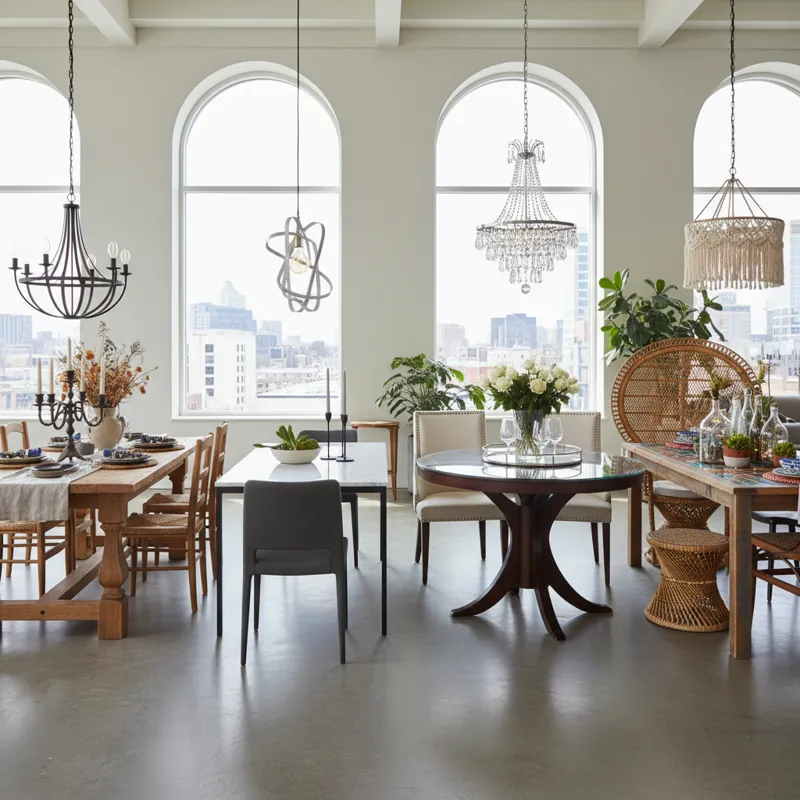
Choosing the right dining table for your home can feel like a significant decision, especially when considering the sheer variety of options available in 2026. If you’re looking for dining table sets, finding quality dining table set for 6 and discerning between countless dining table styles can be challenging. A dining table is more than just a surface for meals; it’s a central gathering point, a workspace, and a crucial design element that anchors your dining area. Understanding the different styles, materials, and shapes available is key to selecting a piece that not only fits your aesthetic but also functions seamlessly with your lifestyle.
Understanding the Core Elements: Shapes and Sizes
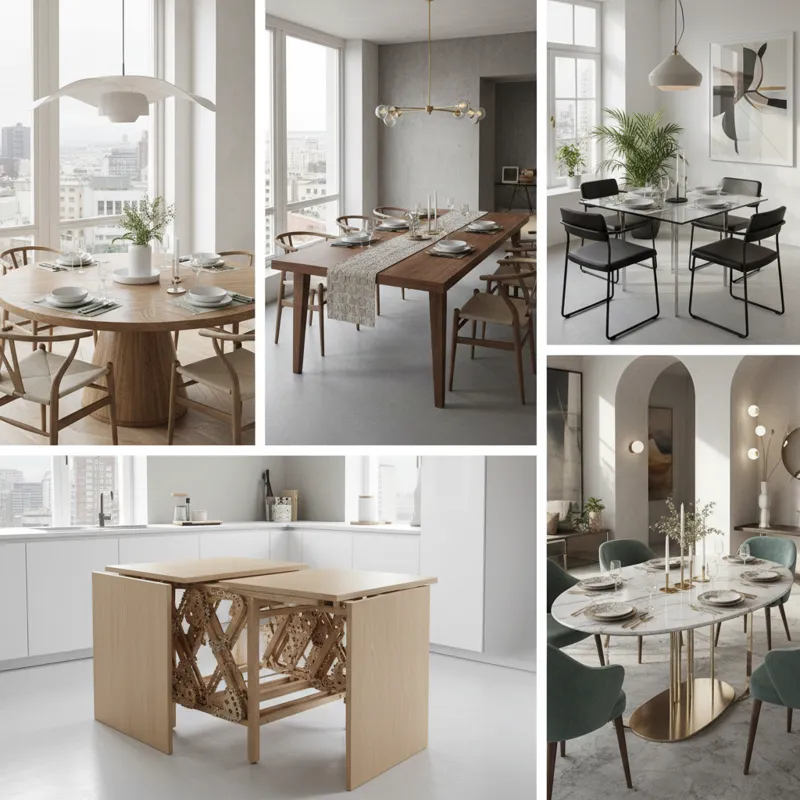
Before diving into specific design aesthetics, it’s essential to consider the foundational elements of any dining table: its shape and size. These choices directly impact traffic flow, seating capacity, and how the table integrates into your room’s dimensions.
Rectangular Dining Tables
Rectangular tables are the most common and versatile choice, especially for larger families or those who frequently entertain. Their elongated shape naturally accommodates more guests, and they fit well in most rectangular dining rooms, offering a clear path for movement.
You’ll find them in a vast range of sizes, from compact four-seaters to grand tables that can host twelve or more. Their straightforward lines often lend themselves to traditional, modern, and farmhouse styles.
Round Dining Tables
Round tables foster intimacy and conversation, as everyone is equidistant and can see each other easily. They work exceptionally well in smaller or square dining rooms, as they lack sharp corners, which can improve traffic flow in tight spaces.
While they might not maximize seating as efficiently as rectangular tables, a round table can often squeeze in an extra person in a pinch. They’re a favorite for breakfast nooks and more casual kitchen table styles.
Square Dining Tables
Square tables offer a balanced, symmetrical look, making them ideal for square rooms or smaller dining areas where an intimate setting for four is preferred. They share the conversational benefits of round tables, encouraging interaction.
If you often entertain larger groups, an expandable square table, which can often open up into a larger rectangle, provides flexibility. Otherwise, their seating capacity is generally limited.
Oval Dining Tables
Oval tables offer a softer aesthetic than rectangular ones, thanks to their curved edges. They combine some of the benefits of both rectangular and round tables: they can seat more people than a round table of similar width and, like round tables, lack sharp corners, making them safer and easier to navigate around in tighter spaces.
They often appear in transitional or classic dining room designs, adding an elegant touch without the formality of a hard-edged rectangle.
Expandable (Leaf) Dining Tables
For many homeowners, flexibility is key. Expandable tables, often called leaf tables, include one or more removable sections (leaves) that allow you to extend the table’s length. This is an incredibly practical solution for those who entertain occasionally but don’t need a large table everyday.
You can find expandable options in nearly all shapes, though rectangular and oval tables are most common. This functionality makes tables like a 3 piece dinette sets drop leaf particularly popular for smaller living spaces.
Exploring Core Materials for Dining Tables
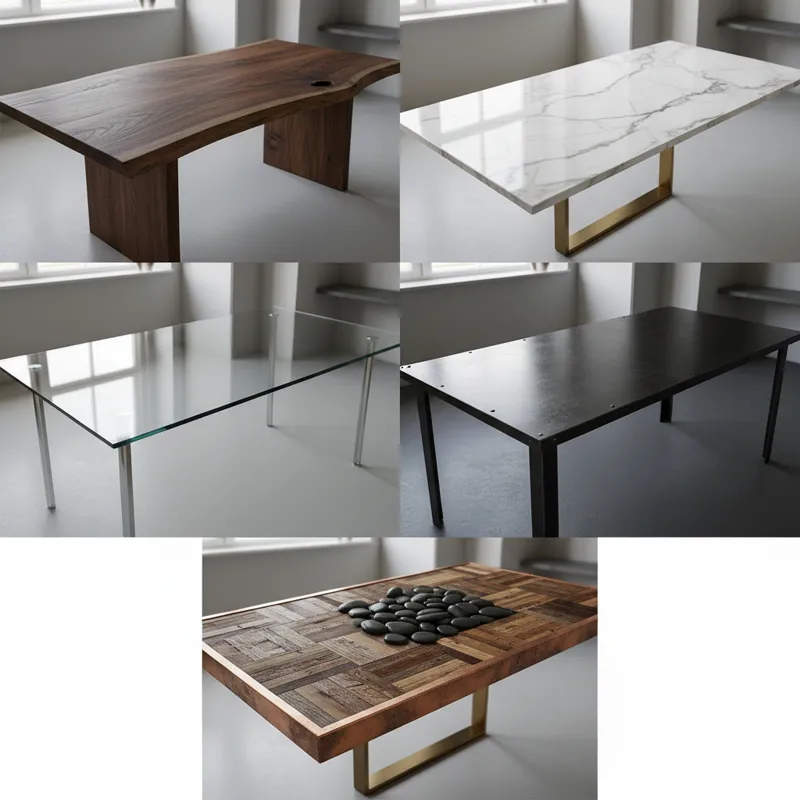
The material of your dining table profoundly influences its durability, maintenance, and overall aesthetic. Each material brings its own character and practical considerations to the table.
Wood Dining Tables
Wood is arguably the most popular material for dining tables, cherished for its warmth, natural beauty, and longevity. You’ll find two main categories:
- Solid Wood: This includes hardwoods like oak, maple, walnut, and cherry, known for their exceptional durability and ability to be refinished multiple times. Each wood type offers unique grain patterns and color tones. Solid wood tables are substantial investments but can last for generations.
- Engineered Wood: Options like MDF (medium-density fiberboard) or particleboard with wood veneers offer a more budget-friendly alternative. They can mimic the look of solid wood but are generally less durable and cannot be easily refinished. However, they are stable and less prone to warping.
Wood dining table styles range from rustic farmhouse to sleek modern, adaptable to nearly any decor. Maintenance typically involves regular dusting and protecting the surface from moisture and heat.
Glass Dining Tables
Glass tables bring a sense of lightness and modernity to a space. They are particularly effective in smaller rooms or areas where you want to maintain an open, airy feel, as their transparency helps the space appear larger.
Most glass tabletops are made from tempered glass, which is significantly stronger and safer than regular glass. While easy to clean, they show fingerprints and smudges readily. They pair well with metal, chrome, or even minimalist wood bases.
Metal Dining Tables
Metal, often steel, iron, or aluminum, is used for dining table bases and sometimes for tabletops. Metal bases are renowned for their strength and industrial aesthetic, frequently appearing in modern, industrial, and even some farmhouse dining table styles.
Finishes vary from matte black to polished chrome or brushed bronze. Metal is durable and easy to maintain, though some finishes may show scratches more prominently than others. It’s often combined with wood or glass tops.
Stone Dining Tables
Materials like marble, granite, or quartz provide a luxurious and incredibly durable tabletop surface. These natural and engineered stones are known for their unique veining, elegance, and resistance to heat and scratches (though some stones are more porous than others).
Stone tables are heavy and often expensive but make a grand statement. They require specific care, especially marble, which can be susceptible to etching from acidic liquids. They are a staple in high-end traditional and contemporary designs.
Mixed-Material Dining Tables
Many contemporary dining table styles embrace a blend of materials, like a solid wood top on a metal base, or a glass top with a stone pedestal. This approach allows for greater design flexibility, combining the strengths and aesthetics of different elements.
Mixed materials often create visually interesting pieces that become focal points in a dining room, offering unique textures and contrasts. This trend is prominent in 2026, pushing creative boundaries in furniture design.
Popular Dining Table Styles and Aesthetics
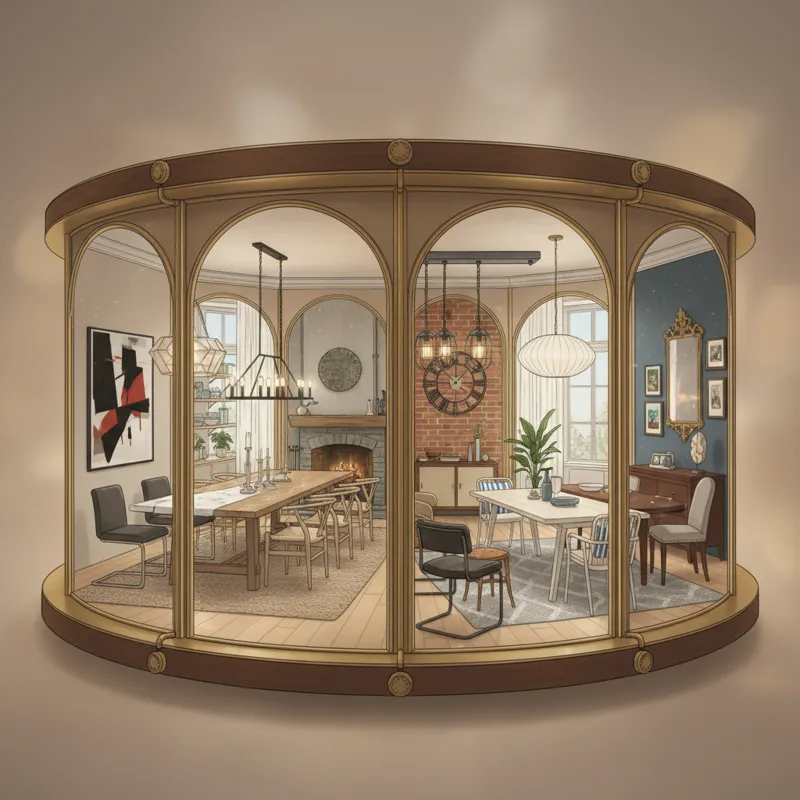
The “style” of a dining table encompasses its overall design language, historical influences, and the feeling it evokes. Matching your dining table’s style to your home’s existing aesthetic is crucial for a cohesive look.
Modern Dining Table Style
Modern dining tables prioritize clean lines, minimal ornamentation, and functional design. Materials often include glass, polished metal, and sleek woods with simple finishes.
The focus is on form following function, with geometric shapes and a generally unembellished appearance. This style fits well in homes that embrace a sophisticated, uncluttered aesthetic. You won’t find ornate carvings or heavy details here.
Mid-Century Modern Dining Table Style
Emerging from the mid-20th century, this style is characterized by organic shapes, tapered legs, and a blend of natural materials (like teak or walnut) with newer ones (like fiberglass or metal). Mid-century modern design emphasizes functionality, simplicity, and an optimistic, forward-thinking aesthetic.
These tables often feature slender profiles and a timeless appeal that continues to be highly sought after in 2026. They’re perfect for adding a touch of vintage flair without feeling dated.
Farmhouse Dining Table Style
Farmhouse tables exude warmth, comfort, and a rustic charm. They typically feature solid, often distressed, wood construction, heavy legs, and a sturdy, inviting presence. Think reclaimed wood, trestle bases, and often a visible grain.
This style celebrates imperfect beauty and a connection to natural elements, fitting beautifully into homes that favor a relaxed, homey atmosphere. They’re often large, encouraging communal meals.
Industrial Dining Table Style
Inspired by factories and urban lofts, industrial tables combine raw, unfinished materials with practical design. Common features include heavy metal bases (iron or steel), exposed fasteners, and tops made from reclaimed wood, concrete, or even metal sheeting.
The aesthetic is rugged, utilitarian, and strong, offering a striking contrast in more refined spaces or perfectly complementing an urban loft environment. It’s about showcasing the structure and materials.
Scandinavian Dining Table Style
Scandinavian design emphasizes simplicity, functionality, and natural light. Dining tables in this style often feature light-colored woods (like birch or ash), clean lines, and a minimalist approach to form. They prioritize comfort and utility without excessive decoration.
The aesthetic is bright, airy, and calming, creating a sense of spaciousness. It’s an ideal choice for homes seeking a serene, uncluttered, and highly functional living environment.
Traditional Dining Table Style
Traditional tables draw inspiration from historical European and American furniture designs. They are often crafted from dark, rich woods like mahogany or cherry and feature ornate carvings, turned legs, and elaborate detailing.
This style evokes a sense of formality, elegance, and grandeur. While less prevalent in new builds in 2026, it remains a classic choice for homes with a timeless, formal decor or those appreciating antique-inspired pieces.
Contemporary Dining Table Style
Contemporary style is often confused with modern, but it refers to what is current and evolving. A contemporary dining table might incorporate elements from various modern movements but always feels fresh and of the moment.
This can mean unusual shapes, innovative materials, or a striking blend of different textures and finishes. It’s less about adhering to strict rules and more about embracing current design trends and innovation.
Coastal Dining Table Style
Coastal dining tables bring the breezy, relaxed feel of the seaside indoors. They often feature light-colored or whitewashed woods, natural textures like rattan or wicker accents, and a casual, inviting appearance.
Think airy designs, often with slatted details or distressed finishes, reflecting a laid-back lifestyle. This style works beautifully in homes aiming for a bright, serene, and beach-inspired aesthetic.
Rustic Dining Table Style
Similar to farmhouse but often even more raw and rugged, rustic dining tables celebrate untouched natural beauty. They use solid, often rough-hewn, wood, showcasing knots, grains, and natural imperfections.
The bases are typically substantial, sometimes made from tree trunks or heavy timbers. This style fits lodges, cabins, or homes aiming for an authentic, earthy connection to nature.
Transitional Dining Table Style
Transitional style is a balanced blend of traditional and contemporary elements. It features the comfortable proportions of traditional furniture but with the cleaner lines and simplified forms of modern design.
Transitional dining tables often use classic materials like wood but with less ornamentation, focusing on understated elegance and versatility. This style is popular for its ability to bridge different design preferences and adapt to evolving tastes.
Integrating Your Dining Table Style into Your Home
Selecting the right dining table goes beyond just liking a particular style; it involves thoughtful integration with your home’s existing decor, room size, and your family’s daily life. This isn’t just about finding home goods dining room table that looks good in a showroom.
Consider Room Size and Layout
This is paramount. A large, heavy farmhouse table might overwhelm a small dining nook, while a delicate glass table could get lost in a grand, spacious room. Measure your space carefully, leaving at least 36-48 inches of clearance around the table for chairs to be pulled out and for comfortable movement.
If your room is long and narrow, a rectangular or oval table will likely work best. Square rooms can handle square or round tables effectively. Don’t forget to account for any existing built-ins or pathways.
Harmonize with Existing Decor
Your dining table should complement the furniture and decor already present in your home. If your living room features clean, minimalist furniture, an ornate traditional table might feel out of place. Conversely, if your home has a cozy, rustic vibe, a sleek industrial table could clash.
Look at your current color palette, material choices (wood tones, metal finishes), and overall aesthetic. Does your home lean warm or cool? Is it formal or casual? Let these elements guide your choice of dining table styles.
Lifestyle Needs and Durability
Think about how your dining table will actually be used. Do you have young children who might be rough on surfaces? A solid wood or stone top might be more practical than glass. Do you entertain often? An expandable table could be a lifesaver.
If the table will double as a workspace, consider a durable, easy-to-clean surface and a comfortable chair pairing, perhaps even an upholstered dining set. For casual, everyday use, a less formal and more robust material might be better.
Chair Compatibility and Comfort
While often purchased separately, your dining chairs are integral to the table’s overall style and function. Ensure the chair height is appropriate for the table height, allowing comfortable legroom. A general rule is 10-12 inches between the top of the seat and the underside of the tabletop.
Visually, chairs should either match or thoughtfully contrast the table’s style. For example, modern chairs can soften an industrial table, or classic upholstered chairs can elevate a simple wood table. Consider an understanding of dining chair dimensions for optimal comfort.
Things People Often Miss When Choosing a Dining Table Style
Even with careful planning, it’s easy to overlook crucial details that impact the long-term satisfaction with your dining table. Here are a few common pitfalls:
Underestimating the Impact of Lighting
The lighting above your dining table is not just functional; it’s a critical design element that can enhance or detract from your chosen style. A grand, ornate chandelier might clash with a minimalist Scandinavian table, just as a simple pendant light could feel inadequate over a traditional mahogany table.
Consider the scale and style of your lighting fixture in relation to the table. The fixture should typically be about half to two-thirds the width of the table, hung roughly 30-36 inches above the tabletop.
Forgetting About Legroom and Apron Height
Many focus on tabletop dimensions but forget about the table’s apron (the wooden support piece connecting the legs to the tabletop). If the apron is too deep, it can significantly reduce legroom, making seating uncomfortable, especially for taller individuals.
Always check the distance from the floor to the bottom of the apron. Ensure there’s ample space for your thighs when seated, ideally around 25-26 inches.
Neglecting Practical Maintenance
While a marble table looks stunning, are you prepared for the regular sealing and immediate cleanup required to prevent stains and etching? A distressed wood table might camouflage scratches, but a high-gloss lacquer finish will show every mark.
Be realistic about your willingness to maintain the table. Some materials, like durable quartz or treated solid wood, offer a more forgiving experience for everyday family life. An Architectural Digest guide to marble care might be helpful if you’re considering stone.
Ignoring the Table’s Scale Relative to the Room
Beyond just fitting the dimensions, a table’s visual weight and scale must feel right in the room. A chunky, oversized table in a small room can make the space feel cramped and heavy, even if it technically fits.
Conversely, a delicate, visually light table in a vast, open-plan space might look undersized and out of place. Consider not just length and width, but also the thickness of the top, the bulk of the legs, and the overall presence of the piece.
Not Considering Future Flexibility
Life changes. You might move to a different home, or your family size might grow or shrink. Choosing a table that offers some adaptability can be a wise long-term decision. Expandable tables are a prime example of this flexibility.
Consider neutral colors or classic cream dining room table and chairs that can be easily updated with accessories or paired with different chair styles in the future. This approach helps ensure your investment remains relevant for years to come.
FAQ: Your Questions About Dining Table Styles Answered
What are the most popular dining table styles in 2026?
In 2026, Mid-Century Modern, Scandinavian, and Contemporary styles continue to be very popular due to their clean lines, functionality, and timeless appeal. Farmhouse and Transitional styles also remain strong contenders for their comfort and versatility.
How do I choose the right size dining table for my space?
Measure your dining room carefully. Allow for at least 36-48 inches of clearance between the table edge and any walls or furniture to ensure comfortable seating and traffic flow. A good rule of thumb is 24 inches of table length per person for comfortable seating.
Are round or rectangular dining tables better for small spaces?
Round tables are often better for small or square spaces as they lack sharp corners, improving flow. However, if you need to maximize seating in a narrow room, a rectangular table might be more efficient, provided it doesn’t impede pathways.
What is the most durable material for a dining table?
Solid hardwoods (like oak or walnut) and natural stone (like granite or quartz) are among the most durable materials, offering excellent resistance to wear and tear. Tempered glass and metal bases are also very robust.
Can I mix different dining chair styles with my table?
Absolutely! Mixing and matching dining chair styles is a popular trend that adds personality and visual interest. Ensure there’s a unifying element, such as a consistent color, material, or a shared design line, to maintain cohesion. The key is thoughtful contrast, not chaos.
How can I make my dining table look more modern?
To modernize your dining table, focus on decluttering the tabletop, adding a sleek centerpiece, and updating your dining chairs to a contemporary design. Consider a minimalist color palette and integrating elements like metal or glass to enhance a modern aesthetic.


