
In the dynamic landscape of real estate and housing in 2026, where digital presence and diverse communities are more prominent than ever, one symbol remains a steadfast beacon of fundamental rights: the Fair Housing Logo. More than just a graphic, this emblem embodies a powerful legal and ethical commitment to equality and inclusion. For housing providers, real estate professionals, and anyone involved in the housing sector, understanding its precise meaning, mandatory usage, and underlying principles isn’t merely about compliance—it’s about upholding justice and fostering truly welcoming communities across the United States. This article will delve into the critical aspects of the Fair Housing Logo, offering a professional’s guide to its significance, proper application, and the profound impact it has on ensuring fair access to housing for all.
The Enduring Significance of the Fair Housing Logo in 2026

The Fair Housing Logo isn’t a suggestion; it’s a non-negotiable directive rooted in federal law. In 2026, its relevance hasn’t diminished, but rather amplified, as housing markets continue to evolve and demographic shifts bring new layers of complexity to fair access. This simple graphic—a house with an equal sign embedded within it—serves as an immediate visual cue that the entity displaying it operates under the principles of the Fair Housing Act. It signals to prospective tenants and buyers that they will be treated without discrimination based on race, color, national origin, religion, sex (including sexual orientation and gender identity), familial status, or disability. For housing professionals, displaying the Fair Housing Logo correctly communicates a proactive commitment to equality, building trust with a broad spectrum of clients. It acts as an upfront declaration of non-discriminatory practices, which is crucial in today’s transparent, information-rich environment. Beyond legal obligation, its proper use underscores an ethical stance, aligning a business with fundamental human rights. This isn’t merely about avoiding penalties; it’s about consciously shaping an inclusive marketplace where everyone has an equal opportunity to find a home.
A Brief History and Legal Foundation: The Fair Housing Act
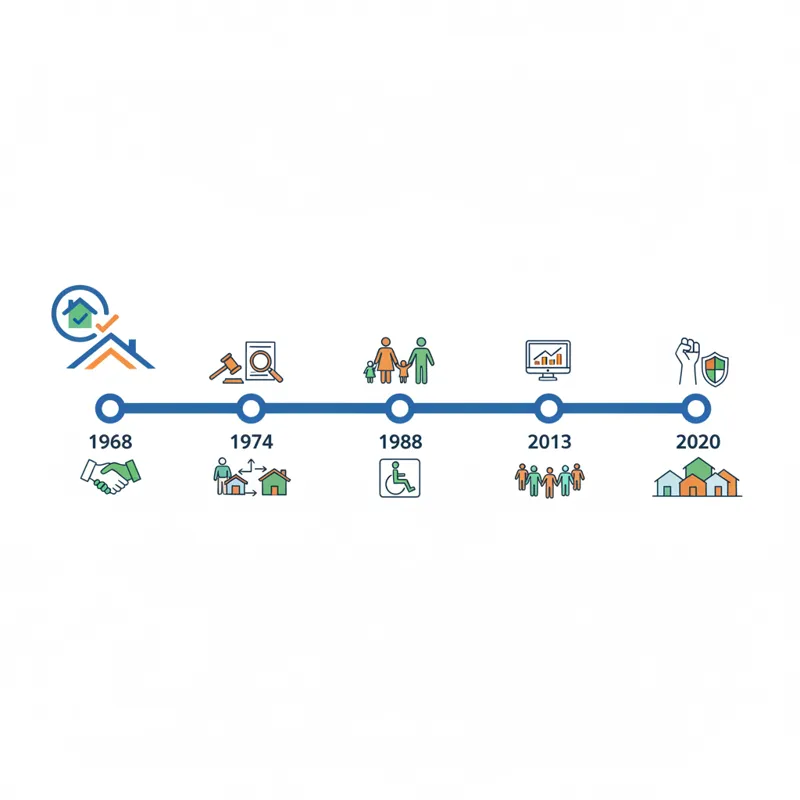
To truly appreciate the Fair Housing Logo, we must understand its bedrock: the Fair Housing Act of 1968. This landmark federal law, enacted as Title VIII of the Civil Rights Act of 1968, prohibited discrimination in the sale, rental, and financing of housing based on race, religion, national origin, and sex. Over the decades, it has been amended to include additional protected classes, namely familial status (1988) and disability (1988). Most recently, in 2021, the Department of Housing and Urban Development (HUD) clarified that the prohibition on sex discrimination under the Act includes discrimination based on sexual orientation and gender identity. The creation of the Fair Housing Logo, often referred to as the Equal Housing Opportunity icon, directly stems from this legislation. It was designed by HUD to provide a clear, universally recognizable symbol for compliance. Its presence indicates that a housing provider adheres to these federal protections, ensuring that all individuals have the freedom to choose housing without prejudice. This foundational act remains the primary legal instrument for ensuring fair housing practices across the United States, making the logo its primary visual ambassador. You can explore the full details of the act and its enforcement on HUD’s official website.
Understanding the Official Fair Housing Logo: Design and Meaning
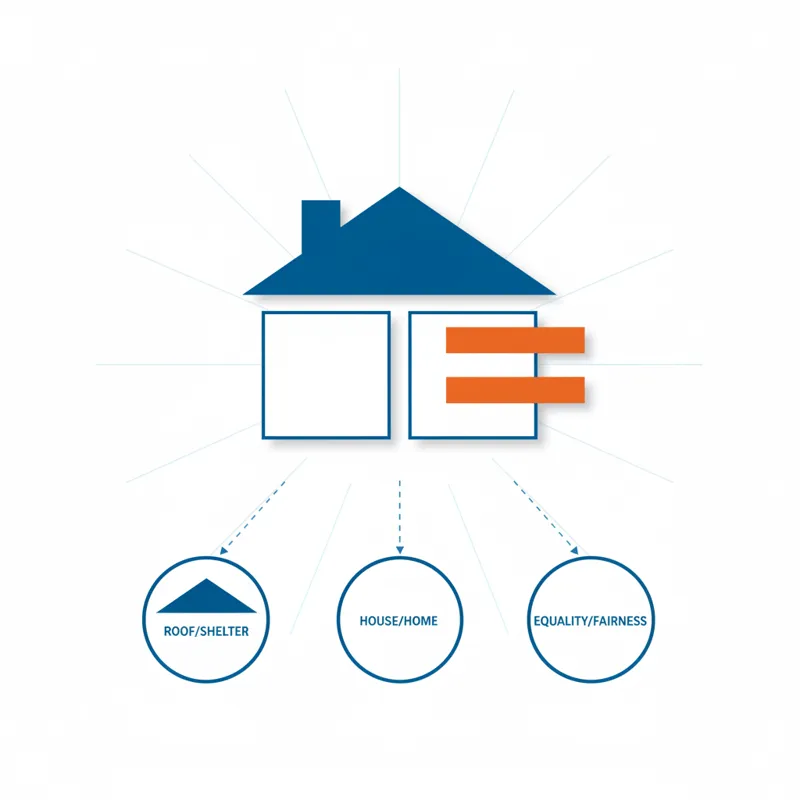
The Fair Housing Logo is intentionally simple yet profoundly symbolic. It depicts a house silhouette, often with a chimney and roofline, encompassing an equals sign (=). The house represents housing—the right to shelter and a place to call home. The equals sign, universally recognized, signifies equality, fairness, and non-discrimination. Together, they convey the message: “Equal Opportunity in Housing.”While there are standard color variations (typically black on white, white on a dark background, or a specific shade of blue), the core design elements remain constant. HUD provides specific guidelines for its reproduction to ensure consistency and prevent misinterpretation. It’s crucial that the logo is always displayed in its official form, without alteration, distortion, or addition of other elements that could dilute its meaning or suggest affiliation with specific causes outside of its intended purpose. This consistency ensures its immediate recognition and reinforces its legal authority.
Who Must Use the Fair Housing Logo? Navigating Legal Requirements
The requirement to display the Fair Housing Logo extends broadly across the housing industry. It’s not limited to large corporations; individual landlords and small real estate agencies are just as obligated. Here’s a breakdown of who typically falls under this mandate:
- Real Estate Brokers and Agents: Anyone involved in selling, renting, or leasing residential properties must display the logo prominently in their offices and in all advertising.
- Landlords and Property Managers: Those managing rental properties, whether large apartment complexes or single-family homes, are required to include the logo in their rental advertisements, leases, and on-site signage.
- Lenders and Mortgage Brokers: Financial institutions providing housing-related loans must display the logo in their branches and in promotional materials for mortgages.
- Developers and Builders: Companies involved in the construction and sale of new housing developments must also ensure the logo is visible.
- Online Platforms and Advertising: Crucially, in 2026, this extends to all digital spaces. Websites, social media posts, online listings, and digital advertisements must all feature the Fair Housing Logo.
Essentially, if you’re involved in any aspect of providing, financing, or advertising housing, you’re expected to use the Fair Housing Logo. This ensures that the message of equal opportunity is ubiquitous throughout the housing market, making it clear to consumers their rights are protected.
Official Usage Guidelines: What HUD Expects
Adhering to HUD’s official usage guidelines for the Fair Housing Logo is paramount. Simply slapping the image on a page isn’t enough; its display must be purposeful and consistent. These guidelines ensure the logo retains its authority and clarity.
Website and Digital Media Guidelines
For online presences, which are increasingly the first point of contact for many, correct usage is critical. The Fair Housing Logo should be:
- Prominently Displayed: Visible on the homepage, all housing-related landing pages, and within property listings. Many professionals place it in the footer or sidebar of their websites, ensuring it’s always in view.
- Clearly Rendered: The digital file should be high resolution, crisp, and legible. Avoid pixelation or blurry images.
- Appropriate Size: Large enough to be easily seen and recognized without being overwhelming.
- Consistent Across Platforms: If you advertise on social media, email newsletters, or third-party listing sites, the logo should appear consistently and correctly.
Print Advertising and Signage
Traditional media still holds weight, and the rules are just as strict:
- Office Display: The logo should be prominently displayed in all real estate and housing provider offices, typically near the entrance or reception area, often alongside other regulatory notices.
- Print Advertisements: Any print ad for housing—newspapers, magazines, brochures, flyers—must include the logo. It should be positioned clearly and legibly.
- Signage: For Sale/Rent signs, open house signs, and community entrance signs for new developments should feature the logo.
- No Alterations: Never stretch, distort, recolor (beyond official variations), or add elements to the logo. Its official integrity must be maintained.
Failing to follow these detailed guidelines can be interpreted as a lack of commitment to fair housing principles, potentially leading to scrutiny and legal challenges.
What Most People Get Wrong About the Fair Housing Logo
Even well-intentioned housing professionals sometimes make critical errors regarding the Fair Housing Logo. These misunderstandings often stem from a lack of detailed knowledge rather than malicious intent, but the legal consequences can be just as severe. One common misconception is that the logo is merely a suggestion or a “good practice” rather than a strict legal requirement. This couldn’t be further from the truth. Its display is mandated by federal law, and its absence or incorrect use can be considered a violation. Some also believe that it only applies to specific types of housing transactions, perhaps large apartment complexes or new home sales, while exempting private landlords renting a single room. While there are very limited exemptions for specific private, unadvertised transactions (e.g., owner-occupied buildings with a few units), these are narrow and often misunderstood. For virtually all advertised housing, the logo is required. Another frequent error involves altering the logo. People might change its colors to match their brand, add text, embed it within complex graphics that obscure it, or stretch its dimensions to fit a layout. These modifications dilute its official status and can be deemed non-compliant. The logo should always appear in its standard form, clearly visible and unaltered. Finally, a significant oversight in the digital age is failing to include the logo on all online platforms—not just a company website, but also third-party listing sites, social media marketing, and email campaigns. The reach of the Fair Housing Act and its logo extends wherever housing is marketed.
The Practical Benefits of Correct Logo Usage Beyond Compliance
While legal compliance is a primary driver, the diligent and correct use of the Fair Housing Logo offers significant tangible benefits that extend far beyond simply avoiding penalties. For any housing professional, it’s a strategic asset. Firstly, it builds profound trust and credibility. When prospective clients see the Fair Housing Logo prominently displayed, it immediately signals that they will be treated fairly, regardless of their background. This is particularly vital in diverse communities where historical biases might still linger. This trust can lead to stronger relationships and a more positive perception of your business. Secondly, it enhances your brand image. A company known for its unwavering commitment to equality and non-discrimination cultivates a positive reputation, not just within the industry but among the wider public. This ethical branding can attract a broader and more diverse client base, expanding your market reach. Furthermore, correct usage acts as an internal compass, reinforcing fair housing principles among your staff. It serves as a constant reminder of the company’s values and legal obligations, influencing training, policies, and daily interactions. This creates a culture of inclusion that can reduce the likelihood of unintentional discriminatory practices. Ultimately, proactively embracing and correctly utilizing the Fair Housing Logo demonstrates leadership and an ethical approach to business that resonates deeply with conscious consumers and can become a competitive advantage in a crowded market.
Consequences of Non-Compliance: Risks You Can’t Afford
The repercussions of failing to comply with Fair Housing Act requirements, including the correct display of the Fair Housing Logo, are severe and multifaceted. These aren’t minor infractions; they can lead to substantial financial penalties, legal battles, and irreparable damage to one’s professional standing. At the most basic level, non-compliance can trigger investigations by the Department of Housing and Urban Development (HUD) or the Department of Justice (DOJ). If discrimination is found, individuals or businesses can face significant civil penalties. These fines can range from tens of thousands of dollars for a first offense to hundreds of thousands for repeat violations. Beyond federal agencies, private individuals or fair housing advocacy groups can file lawsuits, leading to costly legal fees, settlements, and court-ordered damages. The legal process itself is time-consuming and disruptive, diverting resources and attention from core business operations. Beyond the immediate financial and legal burdens, the damage to reputation can be long-lasting. Allegations or findings of discrimination can severely tarnish a business’s name, leading to loss of clients, difficulty attracting new business, and a breakdown of community trust. In an age where information spreads rapidly, a negative reputation can be devastating. Moreover, state and local fair housing laws often mirror or even expand upon federal protections, meaning non-compliance can open the door to additional local enforcement actions. Ignoring the Fair Housing Logo is not just a stylistic oversight; it’s an invitation to significant, avoidable risk. Further details on enforcement can often be found through the Department of Justice Civil Rights Division.
Integrating the Fair Housing Ethos: Beyond Just a Symbol
The Fair Housing Logo, while crucial, represents a broader ethos that housing professionals should embody in every aspect of their work. It’s about translating the symbol into action and ensuring that every policy, interaction, and offering genuinely supports equality and inclusion. This holistic approach ensures not just compliance, but a truly fair and welcoming environment for all. Integrating this ethos means continuous education for staff on fair housing laws and implicit bias. It means regularly reviewing advertising practices to ensure inclusive language and imagery. It also means actively promoting diversity in housing options, recognizing that different individuals and families have varied needs and preferences. For instance, in creating a truly inclusive home environment, it’s not just about the structure, but also about the comforts and choices within it. Ensuring a home offers adequate space and arrangement for diverse needs, whether it necessitates something like one of the many available small coffee tables for a compact living area or a large coffee table to gather around, speaks to an understanding of varied lifestyles and household sizes. Similarly, the very personal comfort of a dwelling, from its lighting to its furnishings, contributes to a sense of belonging. Imagine how crucial it is for a resident to feel truly at ease, perhaps finding their perfect sleep solution among the best mattress for side sleepers to truly rest and thrive. These details, while seemingly small, contribute to the overall feeling of home and personal well-being that fair housing aims to secure for everyone. Embedding the fair housing ethos means understanding and respecting these diverse needs, going beyond simply avoiding discrimination to actively facilitating an environment where everyone can find a comfortable, suitable home.
Frequently Asked Questions About the Fair Housing Logo
Is the Fair Housing Logo mandatory for all housing advertisements?
Yes, with very few and specific exceptions. If you are selling, renting, or financing housing, and you are advertising it publicly, federal law generally requires the Fair Housing Logo to be displayed prominently in those advertisements, whether print or digital.
Can I create my own version of the Fair Housing Logo or modify it to match my brand?
No. The Fair Housing Logo is an official government symbol. It must be displayed exactly as specified in HUD’s guidelines, without any alterations, distortions, or additions. Modifying it can be considered non-compliant and undermine its legal significance.
Where can I download the official Fair Housing Logo files?
Official, high-resolution logo files are typically available for download directly from the Department of Housing and Urban Development (HUD) website. It’s always best to obtain the files from this official source to ensure accuracy and quality.
Does the Fair Housing Act and its logo apply to private landlords renting a single room in their own home?
This is where some limited exemptions might apply, commonly known as the “Mrs. Murphy” exception for owner-occupied buildings with a certain number of units (often four or fewer) where the owner lives in one of the units, and private sales or rentals without the use of a broker or discriminatory advertising. However, these exemptions are narrow and often misunderstood. It’s safer and generally recommended for all housing providers to adhere to fair housing principles and display the logo. Consult legal counsel for specific situations.
What if my website isn’t based in the U. S. but I serve U. S. clients or list U. S. properties?
If your website or any advertising targets or provides housing opportunities within the United States, you are subject to U. S. Fair Housing laws and must comply with the requirement to display the Fair Housing Logo, regardless of your company’s physical location. The determining factor is the location of the housing and the audience you’re serving.
The Fair Housing Logo in 2026 and Beyond: A Continuing Commitment
As we navigate 2026 and look towards the future, the importance of the Fair Housing Logo is unwavering. The housing market continues its rapid evolution, embracing new technologies like AI-driven property searches, virtual tours, and automated application processes. While these innovations offer convenience, they also introduce new avenues where subtle biases could inadvertently creep in, making the overt declaration of fair housing principles more critical than ever. The logo serves as a consistent reminder that human rights must guide technological advancements, ensuring that efficiency never comes at the cost of equality. For every real estate professional, housing provider, and related service, the Fair Housing Logo is more than a regulatory hurdle; it’s an active participation in a societal commitment. It’s a pledge to uphold the dignity and rights of every individual seeking a place to call home. Embracing this symbol, understanding its guidelines, and integrating its ethos into daily operations ensures not only legal compliance but also contributes to the creation of a truly equitable and inclusive housing landscape for generations to come.
Disclaimer: This article provides general information and guidance on the Fair Housing Logo and its associated legal requirements. It is not intended as, and should not be relied upon for, legal advice. Fair housing laws can be complex and are subject to interpretation and change. Housing professionals and providers should consult with qualified legal counsel or the Department of Housing and Urban Development (HUD) for advice pertaining to their specific circumstances to ensure full compliance with all applicable federal, state, and local fair housing laws.


