
Buying a home in Dallas, Texas, is an exciting prospect. This vibrant city offers a dynamic real estate market, from historic M-Streets bungalows to sprawling new builds in the northern suburbs. However, beneath the surface appeal of any property lies a complex network of systems and structures that can hold significant surprises. A thorough home inspection in Dallas isn’t merely a transactional checkbox; it’s a critical investigative deep dive, designed to uncover the hidden truths about your potential investment before you sign on the dotted line. In a market as competitive and diverse as Dallas, understanding what a professional inspection entails, what specific challenges to look for, and how to interpret the findings can save you substantial time, money, and future headaches.
Understanding the Core Purpose of a Dallas Home Inspection
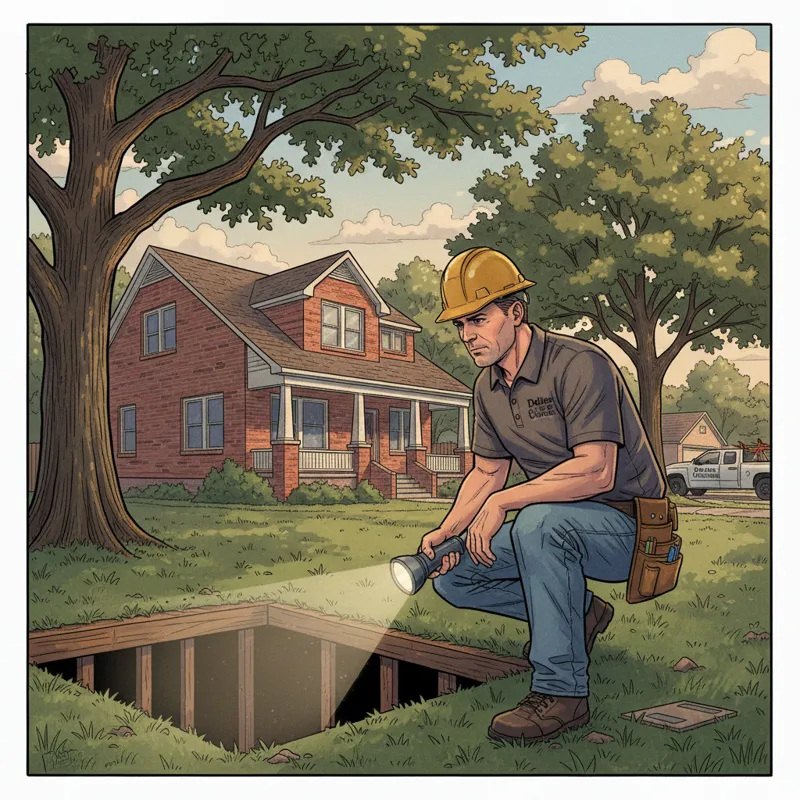
A home inspection is a non-invasive visual examination of a residential property, typically conducted by a licensed professional, to identify material defects in the home’s structure, systems, and components. For properties in Dallas, this means a meticulous assessment of everything from the foundation and roof to the electrical, plumbing, and HVAC systems. The inspector’s role is not to appraise the property or deem it “good” or “bad” but rather to provide an objective, third-party report detailing its current condition at the time of the inspection. This report empowers you, the buyer, with crucial information for informed decision-making and negotiation.
More Than Just a Walk-Through: What’s Covered?
A standard Dallas home inspection will typically cover:
- Structural Components: Foundation, framing, walls, ceilings, and roof structure. Given Dallas’s expansive clay soil, foundation issues are a frequent point of concern.
- Exterior: Siding, trim, windows, doors, driveways, walkways, and drainage. Proper grading away from the foundation is crucial here.
- Roofing: Shingles, flashing, gutters, and downspouts. Hail damage is a common issue in North Texas.
- Plumbing System: Water supply lines, drains, waste vents, water heater, fixtures, and main shut-off valves. Older Dallas homes often have galvanized or cast iron pipes prone to issues.
- Electrical System: Service panel, wiring, outlets, switches, and grounding. Outdated wiring or insufficient service can be costly to remedy.
- Heating, Ventilation, and Air Conditioning (HVAC): Furnaces, air conditioners, ductwork, and thermostats. With Dallas’s extreme summers and winters, HVAC performance and age are critical.
- Interior: Walls, ceilings, floors, windows, doors, stairs, and built-in appliances.
- Insulation and Ventilation: In the attic, walls, and crawl spaces. Proper insulation is key to energy efficiency in the Dallas climate.
- Fireplace and Chimney: Where present, including visible components.
It’s important to understand that an inspection is a snapshot in time and has limitations. Inspectors cannot see behind walls, predict future failures, or guarantee the lifespan of components. They also typically do not inspect for termites (requiring a separate pest inspection), mold (unless visible and obvious), asbestos, lead paint, or specialized systems like septic tanks or swimming pools without additional services.
Why a Home Inspection in Dallas is Uniquely Critical
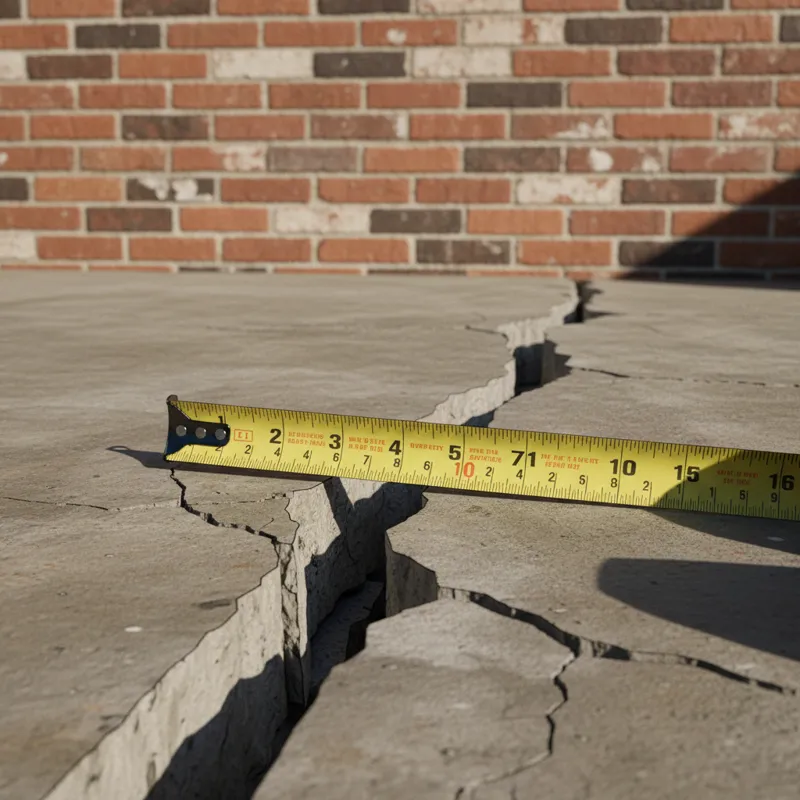
Dallas properties present a distinct set of challenges that elevate the importance of a thorough inspection. The local climate, geology, and varying ages of housing stock contribute to common issues that might be less prevalent elsewhere.
The Foundation Challenge: Expansive Clay Soil
Dallas sits on what’s known as expansive clay soil. This soil type swells significantly when wet and shrinks when dry, creating substantial movement beneath a home’s foundation. Over time, this constant shifting can lead to:
- Cracked slabs or pier-and-beam foundations.
- Uneven floors.
- Cracks in interior and exterior walls.
- Doors and windows that stick or don’t close properly.
A skilled inspector in Dallas understands these dynamics and knows how to identify the tell-tale signs of foundation stress, distinguishing between minor settlement and significant structural issues. Getting a pre-purchase property evaluation in Dallas that specifically focuses on structural integrity is non-negotiable.
HVAC Demands in Extreme Weather
Dallas experiences scorching summers and occasional freezing winters. This means HVAC systems work exceptionally hard. An inspection needs to assess not just if the unit turns on, but its age, efficiency, and whether it’s adequately sized for the home. Common issues include:
- Aging units nearing the end of their lifespan.
- Poorly maintained coils or clogged filters impacting efficiency.
- Ductwork leaks leading to energy loss.
- Refrigerant leaks or compressor issues in older AC units.
A struggling HVAC system can quickly lead to high utility bills and discomfort, making its condition a significant financial consideration.
Aging Infrastructure: Plumbing and Electrical
Many charming, older Dallas neighborhoods feature homes built in the mid-20th century or earlier. While these homes offer character, they often come with original plumbing and electrical systems that may be past their prime or not up to current code:
- Galvanized Plumbing: Common in homes built before the 1970s, galvanized steel pipes corrode internally, reducing water pressure and eventually failing.
- Cast Iron Drain Pipes: Also prevalent in older homes, these can corrode and crack over decades, leading to leaks and blockages.
- Knob-and-Tube or Aluminum Wiring: Found in very old homes, these are often considered fire hazards by modern standards and can be expensive to replace.
- Outdated Electrical Panels: Some older panels (e.g., Federal Pacific, Zinsco) are known safety concerns and may not provide sufficient amperage for today’s electrical demands.
Identifying these issues early through a comprehensive residential inspection in Dallas prevents unexpected and costly repairs down the line.
The Inspection Process: What to Expect When You Schedule a Texas Property Assessment

Once you’ve identified a property and your offer has been accepted, the inspection period typically begins. This is a time-sensitive window, usually 7-10 days, during which you can thoroughly vet the property.
Step-by-Step Breakdown:
1. Select Your Inspector: This is crucial. Look for licensed Texas Professional Real Estate Inspectors with strong local experience. Ask for sample reports and references. Don’t simply go with the cheapest option; the cost of a Dallas property inspection is a small investment compared to potential repair costs.2. Schedule the Inspection: Coordinate with your real estate agent to schedule the inspection and ensure property access.3. Attend the Inspection (Highly Recommended): While not mandatory, being present allows you to ask questions in real-time, see issues firsthand, and gain a deeper understanding of the home’s condition. The inspector can walk you through their findings.4. Receive the Report: Within 24-48 hours, you’ll get a detailed report, often hundreds of pages long with photos and explanations of identified defects. This is the cornerstone of your decision-making.5. Review with Your Agent: Your agent can help you understand the severity of findings and strategize your next steps.6. Negotiation: Based on the report, you can request repairs, negotiate a price reduction, or, if significant issues arise, potentially withdraw your offer. The typical Dallas property inspection cost will vary based on square footage, age of the home, and additional services (like termite, pool, or sprinkler inspections). Expect to pay anywhere from $400 to $800+ for a standard residential inspection, with specialized add-ons increasing the total.
Things People Usually Miss: Beyond the Obvious Red Flags
Many buyers focus on major structural issues or cosmetic flaws, but some significant problems often get overlooked or underestimated. Being aware of these common oversights can give you a clearer picture of your potential purchase.
Lack of Proper Drainage and Grading
This is a subtle yet critical issue in Dallas. If the ground around the foundation doesn’t slope away from the house, water can collect, saturate the expansive clay soil, and exacerbate foundation movement. It can also lead to crawl space moisture, mold growth, and wood rot. It’s often not dramatic, but its long-term impact is severe.
Inadequate Attic Ventilation and Insulation
Poor attic ventilation traps heat in the summer, making your AC work harder and shortening the life of your roof. In winter, inadequate insulation leads to heat loss. Given Dallas’s temperature extremes, these aren’t minor comfort issues; they translate directly into higher energy bills and accelerated wear on your home’s systems.
Minor Plumbing Leaks that Compound
A slow drip under a sink or a small stain on a ceiling might seem inconsequential. However, even minor leaks can lead to significant water damage, promote mold growth, rot wood, and attract pests over time. Often, these “minor” issues indicate larger underlying problems with pipe integrity or flashing.
Permit History and Unpermitted Work
This isn’t something an inspector directly assesses, but it’s a critical follow-up. Major renovations or additions without proper permits can lead to safety hazards, issues with insurance, and problems when you eventually sell the home. Always ask your agent about the property’s permit history, especially for significant structural or electrical changes.
DIY Fails and Cosmetic Cover-Ups
Sometimes homeowners attempt repairs or upgrades themselves without professional expertise. While admirable in spirit, a poorly executed DIY project (e.g., incorrect wiring, improper roof patch, or structurally unsound deck) can be a hidden hazard. Similarly, fresh paint or new flooring can sometimes mask underlying issues like water damage or foundation cracks. A good inspector will look past the cosmetic finishes. When you’re ready to make your new place feel like home, ensure the foundational elements are sound. Once you’re confident in the structural integrity, you can focus on making the space truly yours. You might be choosing the perfect shade for a feature wall, or even planning where you’ll store your favorite accessories, perhaps those eye-catching hot pink shoes that add a pop of personality.
Post-Inspection: Navigating the Next Steps
Receiving your inspection report can feel overwhelming, especially if it highlights numerous issues. It’s crucial to approach the findings strategically and with the guidance of your real estate agent.
Understanding the Report
Distinguish between major defects that are health, safety, or structural concerns, and minor maintenance items. Every home, even new construction, will have some findings. The goal is to understand the implications of the significant ones. Your agent can help contextualize these within the broader Dallas real estate market.
Negotiation Strategies
You generally have a few options:1. Request Repairs: Ask the seller to repair specific, significant defects before closing.2. Request Credits: Ask for a credit at closing to cover the cost of repairs you will undertake after purchase.3. Negotiate Price Reduction: Seek a reduction in the purchase price.4. Walk Away: If the issues are too severe, costly, or numerous, you may choose to terminate the contract, often recovering your earnest money if within the inspection contingency period. Remember, sellers are not obligated to agree to all your requests, especially in a seller’s market. Prioritize the most critical issues. After the dust settles and you’ve secured your new Dallas home, the peace of mind that comes from a thorough Home Inspection Dallas allows you to enjoy your new space without undue stress, leaving you free to focus on the good things in life, whether it’s planning your first family meal or simply relaxing with a snack like some Chesters Hot Fries.
Considering a Pre-Listing Inspection as a Seller
While most inspections are initiated by buyers, sellers in the Dallas market can gain a significant advantage by conducting a pre-listing inspection. This proactive step helps you uncover potential issues and address them before buyers even see the home.
Benefits for Sellers:
- Minimize Surprises: No last-minute negotiation surprises from a buyer’s inspection report.
- Control Repairs: You can get competitive bids and make repairs on your timeline, rather than under pressure during a buyer’s inspection period.
- Build Trust: Presenting a comprehensive inspection report upfront demonstrates transparency and builds buyer confidence.
- Stronger Negotiation Position: You can price your home accurately and negotiate from a position of strength, having already accounted for its condition.
Addressing issues like ensuring your electrical system is up to code and robust enough for modern needs means you won’t have to worry about tripping breakers when using multiple appliances, whether it’s a high-powered hairdryer or one of the best Hot Tools curling iron models.
Choosing the Best Dallas Real Estate Inspectors
The quality of your home inspection is directly tied to the expertise of your inspector. Don’t underestimate this choice.
Key Qualities to Look For:
- Texas Licensed Professional Real Estate Inspector: Ensure they hold the highest level of licensing (Professional, not Apprentice or Real Estate Inspector). Check their status with the Texas Real Estate Commission (TREC).
- Experience in Dallas Market: An inspector with years of experience specifically in Dallas will have encountered the unique foundation, HVAC, and aging infrastructure issues common to the area.
- Comprehensive Reporting: Look for inspectors who provide detailed, clear, and photo-rich reports that are easy to understand.
- Strong Communication Skills: They should be able to explain complex issues in plain language and answer all your questions patiently.
- Professional Affiliations: Membership in organizations like ASHI (American Society of Home Inspectors) or InterNACHI (International Association of Certified Home Inspectors) often indicates adherence to high standards.
- Insurance: Verify they carry Errors and Omissions (E&O) and general liability insurance.
Asking for references, reviewing online testimonials, and comparing sample reports can help you find the best Dallas real estate inspectors for your needs. Schedule a Texas property assessment with confidence by choosing wisely.
FAQ: People Also Ask About Home Inspections in Dallas
How much does a Home Inspection Dallas typically cost?
The cost for a Home Inspection Dallas generally ranges from $400 to $800, depending on factors like the home’s square footage, age, and any additional services requested (e.g., termite inspection, pool inspection, sprinkler system check). Older or larger homes usually command a higher fee due to the increased time and complexity involved.
What’s covered in a Dallas house inspection?
A standard Dallas house inspection covers the major visible components and systems of the home, including structural elements (foundation, roof structure), exterior (siding, grading), roofing materials, plumbing, electrical, HVAC, interior components (walls, ceilings, floors), insulation, and ventilation. Specific regional concerns like foundation movement due to expansive clay soil are usually a重點 focus for local inspectors.
Are pre-purchase property evaluations Dallas mandatory?
No, pre-purchase property evaluations in Dallas are not legally mandatory. However, they are highly recommended as a critical due diligence step for buyers. They provide essential information about the home’s condition, helping you make an informed decision and potentially negotiate repairs or a price adjustment with the seller. Waiving an inspection is a significant risk.
How long does a residential inspection company in Dallas take?
Most standard residential inspections by companies in Dallas take approximately 2 to 4 hours, though this can vary. Larger homes, older properties, or those with complex systems may require more time. Factors like access to attics and crawl spaces can also influence the duration.
What should I do after receiving my Dallas home inspection report?
After receiving your Dallas home inspection report, review it thoroughly with your real estate agent. Prioritize identified issues into major (health, safety, structural) and minor maintenance items. Your agent can then help you formulate a strategy to negotiate with the seller, which might involve requesting repairs, a credit, or a price reduction.
Final Thoughts on Uncovering Hidden Truths
In 2026, the Dallas real estate market remains dynamic, and protecting your investment is paramount. A professional home inspection in Dallas is more than a formality; it’s an indispensable tool for uncovering the hidden truths about a property. By understanding the unique challenges of the Dallas environment and engaging a qualified inspector, you equip yourself with the knowledge needed to make confident decisions. Whether you’re a first-time buyer or a seasoned investor, investing in a thorough inspection is the smartest move you can make toward securing a sound and stress-free homeownership experience.Disclaimer: This article provides general information and is not intended as professional advice. Always consult with a licensed real estate agent, home inspector, or legal professional for advice specific to your situation.