It’s a simple concept that borders on perfection: a single, crunchy, roasted coffee bean, enrobed in a smooth layer of rich chocolate. It’s both a confection and a stimulant, a tiny powerhouse of flavor and energy that occupies a unique space between candy and coffee. For many, chocolate covered coffee beans are the ultimate afternoon pick-me-up or a sophisticated after-dinner treat. Yet, despite their simplicity, there’s a surprising amount of detail that separates a mediocre, waxy bean from a truly gourmet experience. Understanding the bean, the chocolate, and how they work together is the key to appreciating this energizing treat, whether you’re buying from a chocolatier or making a batch in your own kitchen. This guide covers everything you need to know in 2026, from decoding caffeine content to crafting your own perfect version at home.
What Exactly Are Chocolate Covered Coffee Beans?
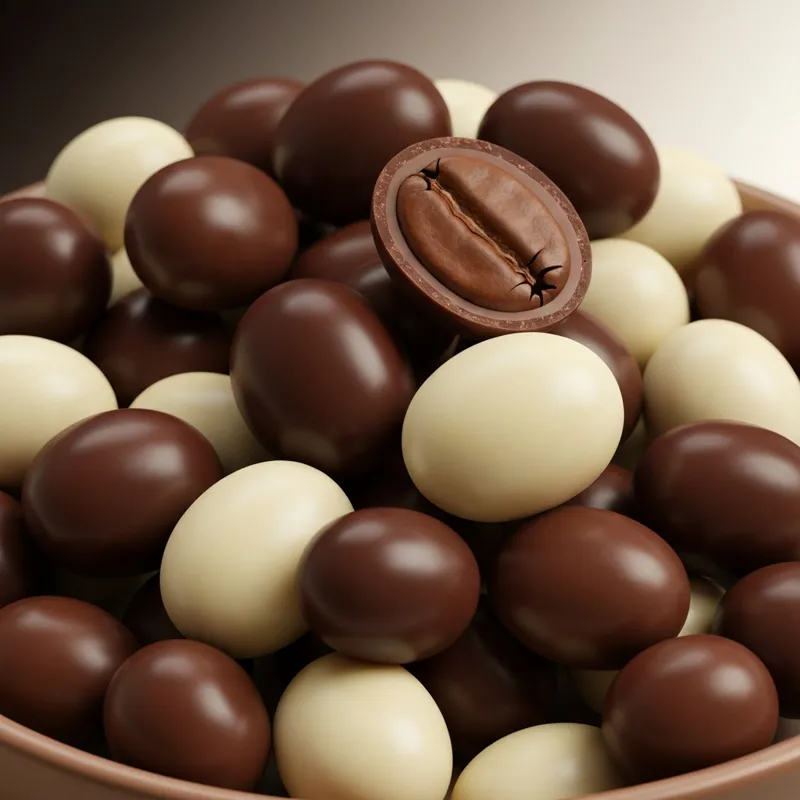
At their core, chocolate covered coffee beans are a two-ingredient wonder: a roasted coffee bean and a chocolate coating. The magic, however, lies in the quality and character of those two components. They aren’t just any bean or any chocolate; the combination is a deliberate pairing of textures and flavors.
First, the bean. The coffee bean must be roasted. Raw coffee beans are incredibly dense, grassy, and acidic—not something you’d want to crunch into. The roasting process develops the brittle texture and the complex flavors of caramel, nuts, and smoke that we associate with coffee. Typically, roasters use Arabica beans for their nuanced, aromatic flavors, though some brands may use Robusta beans, which contain nearly double the caffeine.
The roast level is critical. A medium to dark roast is most common because the bean needs to be structurally sound enough to withstand the coating process and flavorful enough to not be completely overpowered by the chocolate. Lighter roasts can be too acidic and dense, while extremely dark roasts might taste overly bitter or burnt.
Then comes the chocolate. It can be dark, milk, or white, each offering a different experience. Dark chocolate, with its higher cacao percentage, provides a bittersweet, intense counterpoint to the coffee’s bitterness. Milk chocolate is sweeter and creamier, softening the coffee’s edge for a more mellow, candy-like treat. White chocolate, which contains cocoa butter but no cocoa solids, offers a pure, sweet, and creamy coating that lets the coffee flavor shine through in a unique way.
The Caffeine Question: How Much is Really in There?
This is probably the most common question, and for good reason. You’re eating the entire caffeine source, not just an infusion from it. The answer isn’t a single number, as it depends on several factors, but we can establish a reliable range.
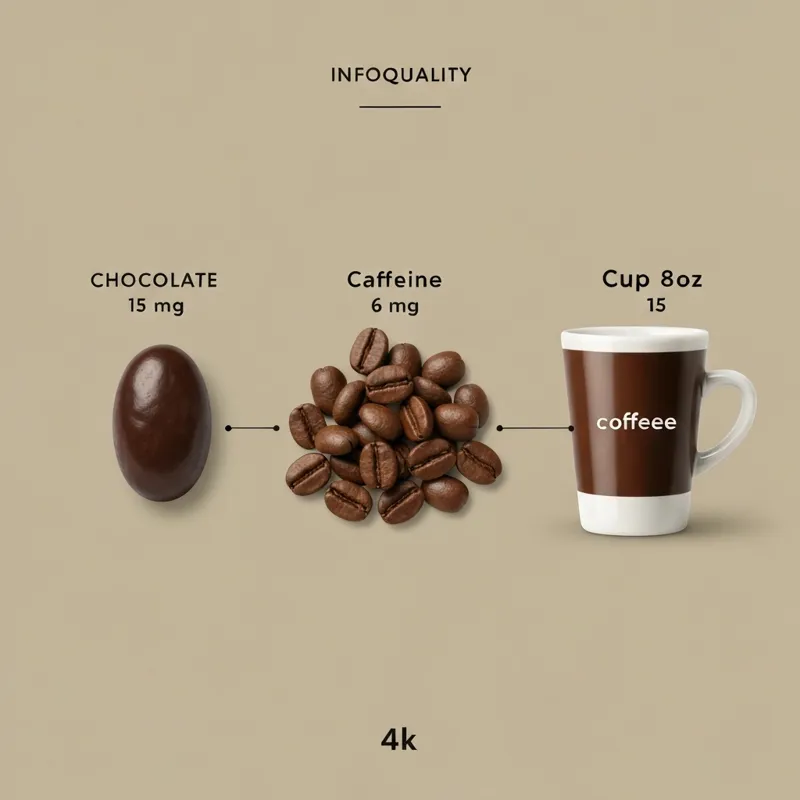
The single biggest variable is the bean itself. As mentioned, Robusta beans have significantly more caffeine than Arabica beans. However, since most gourmet brands use Arabica, we can focus there. A single roasted Arabica coffee bean contains, on average, about 1-2 milligrams of caffeine.
The chocolate adds a small amount, too. Dark chocolate contains more caffeine than milk chocolate (and white chocolate has none). A gram of dark chocolate might have about 0.5-0.8 mg of caffeine. So, a single dark chocolate covered coffee bean can contain anywhere from 5 to 12 milligrams of caffeine, depending on its size and the thickness of its chocolate shell.
Let’s put that in perspective. A standard 8-ounce cup of brewed coffee contains about 95 milligrams of caffeine. This means you’d need to eat roughly 8 to 15 chocolate covered beans to equal the caffeine in one cup of coffee. The danger, of course, is that it’s incredibly easy to eat 15 of them without thinking twice. They feel like a snack, but their cumulative effect is potent. Always be mindful of your own caffeine sensitivity and start with a small handful.
Sourcing the Best: A Buyer’s Guide for 2026
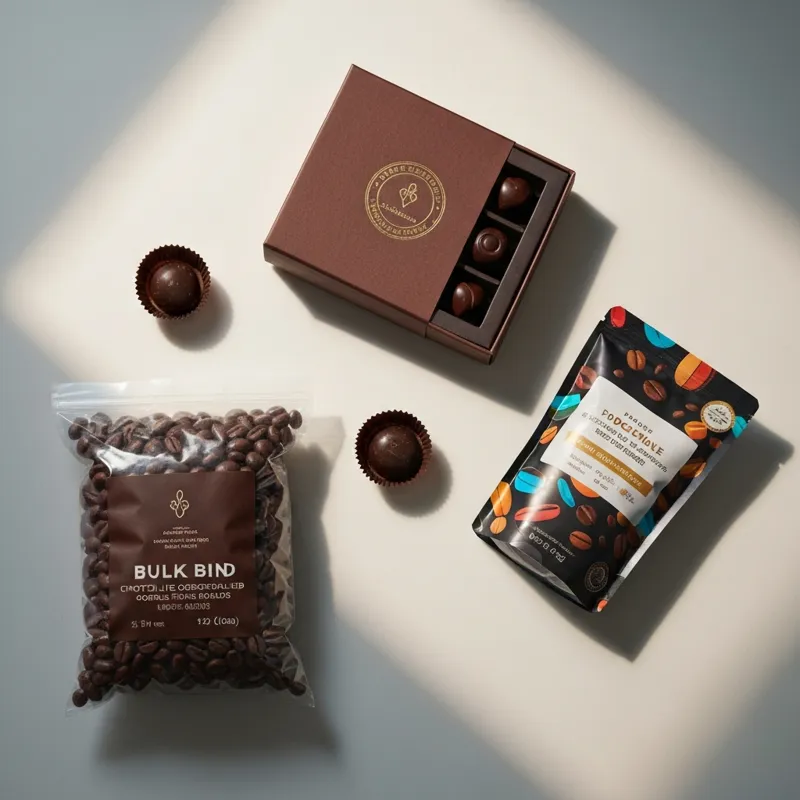
Not all chocolate covered coffee beans are created equal. Walking through a store, you’ll see everything from bulk bin varieties to elegantly boxed confections from high-end chocolatiers. Knowing what to look for on the label is the first step to ensuring you get a quality product.
Reading the Ingredient List
The best products have a short, simple ingredient list. Look for “cacao” or “cocoa mass” as the first ingredient in the chocolate, indicating a higher quality. High-quality chocolate uses cocoa butter as its fat. If you see palm oil, coconut oil, or other vegetable fats listed, it’s a sign of a lower-quality compound chocolate that won’t have the same rich flavor or smooth melt.
Also, watch out for “confectioner’s glaze” or “shellac.” This is a food-grade resin used to give the beans a shiny, protective coating. While it’s considered safe to eat, many people prefer to avoid it. The very best brands rely on well-tempered chocolate for shine and don’t need the extra glaze.
Top-Rated Brands and Where to Find Them
Instead of chasing a single “best” brand, it’s more useful to know where to look for quality. Your local specialty coffee roaster is often the best place to start. They care deeply about bean quality and often partner with local chocolatiers to create exceptional products.
Gourmet food stores and chocolatiers are another excellent source. They focus on the quality of the chocolate itself, often using single-origin cacao that complements the coffee beans. Online, look for brands that specify the coffee bean’s origin and roast profile, as this transparency is a hallmark of quality.
Bulk vs. Packaged
Buying bulk chocolate enrobed coffee beans from a store with high turnover can be a great way to get a fresh product at a lower price. However, there are trade-offs. You won’t know exactly how long they’ve been sitting out, and the chocolate can become scuffed or “bloom” (develop a white, dusty layer) from temperature fluctuations. Packaged beans from a reputable brand offer more consistency and a longer, more reliable shelf life.
The Ultimate Homemade Chocolate Covered Coffee Beans Recipe
Making your own chocolate covered coffee beans gives you complete control over the quality of the ingredients and allows for endless customization. The process is straightforward, with the only slightly technical step being the chocolate tempering—and even that is easier than it sounds.
Step 1: Selecting Your Core Ingredients
The Beans: Start with freshly roasted, high-quality whole coffee beans. A medium or dark roast is ideal. The beans in a French roast coffee, for example, are oily and brittle, providing an intense, smoky flavor and a satisfyingly light crunch that pairs beautifully with dark chocolate. Ensure your beans are evenly sized for consistent coating.
The Chocolate: This is where you shouldn’t cut corners. Use a high-quality chocolate designed for melting, often called “couverture.” It comes in small discs or callets and has a higher percentage of cocoa butter, which helps it melt smoothly and set with a nice snap. Avoid standard chocolate chips, as they contain stabilizers to help them hold their shape when baked, which prevents them from melting properly for coating.
Step 2: The Tempering Process (Simplified)
Tempering is the process of heating and cooling chocolate to specific temperatures. It stabilizes the crystals in the cocoa butter, resulting in a finished product that is shiny, firm, and melts smoothly in your mouth, not in your hands. You can learn the science behind it, but for a simple home method, all you need is a microwave.
- Place about two-thirds of your chocolate callets in a microwave-safe bowl.
- Microwave on 50% power for 30-second intervals, stirring between each one. Be patient. Stop when the chocolate is about 90% melted, with just a few lumps remaining.
- Remove the bowl from the microwave and stir continuously until the residual heat melts the remaining lumps. The chocolate should be completely smooth.
- Now, add the remaining one-third of your unmelted chocolate callets (this is called “seeding”). Stir them into the melted chocolate until they are also completely melted. This seeding process cools the chocolate down while introducing stable crystals. Your chocolate is now in temper and ready for dipping. You can read more about the science of chocolate tempering on Wikipedia for a deeper dive.
Step 3: Coating the Beans
Working quickly while the chocolate is in temper, drop a small handful of coffee beans into the bowl. Use a fork to stir them around until they’re fully coated. Lift them out with the fork, allowing any excess chocolate to drip back into the bowl. Tapping the fork on the side of the bowl helps create a thin, even coat.
Step 4: Setting and Storing
Slide the coated beans off the fork onto a sheet of parchment or waxed paper. Separate them so they don’t clump together as they dry. Let them set at cool room temperature for a few hours until they are completely firm and shiny. Do not put them in the refrigerator, as this can cause condensation and ruin the temper.
Once set, store your homemade chocolate covered coffee beans in an airtight container in a cool, dark place. They’ll be at their best for the first couple of weeks but can last for a month or two.
Gourmet Variations and Flavor Pairings
Once you’ve mastered the basic technique, the possibilities are endless. The beauty of making your own is tailoring them to your exact preferences.
Flavor Infusions
Before they set, you can sprinkle your coated beans with a variety of toppings. Flaky sea salt is a classic pairing that enhances the flavor of both the coffee and the chocolate. A pinch of cayenne or chili powder adds a surprising, pleasant heat. For a warmer, cozier flavor, try a light dusting of cinnamon or finely grated orange zest.
Different Coatings
After the beans have set, you can roll them in high-quality cocoa powder for a truffle-like finish. Powdered sugar or finely ground nuts also work well. For a truly decadent treat, try double-dipping: first in dark chocolate, let it set, then dip again in white chocolate for a beautiful layered effect.
Dietary Considerations
You can easily make these treats fit different dietary needs. For a vegan version, simply use a high-quality dairy-free dark chocolate. For a lower-sugar option, use a sugar-free chocolate sweetened with erythritol or monk fruit. The experience is similar to swapping out your regular coffee additions for a sugar free coffee creamer; you get the flavor profile you want without the sugar.
What Most People Miss About Chocolate Covered Coffee Beans
There are a few nuances to chocolate covered coffee beans that often go unnoticed but are key to fully appreciating them.
The Bean is the Star: It’s easy to be seduced by the chocolate, but the coffee bean is the heart of the experience. A stale, over-roasted, or low-quality bean will taste flat and papery, no matter how good the chocolate is. The “crunch” is just as important as the melt. A great chocolate covered coffee bean has a crisp, light, and shattering texture, not a hard, gritty one.
It’s a Confection, Not a Health Food: While dark chocolate and coffee both contain antioxidants, this is ultimately a candy. The benefits of dark chocolate, as noted by institutions like the Harvard T. H. Chan School of Public Health, are most pronounced in chocolate with high cacao content and low sugar. It’s a treat to be enjoyed in moderation, especially considering the sugar, fat, and caffeine content.
The “Espresso Bean” Misnomer: You’ll often see them marketed as “chocolate covered espresso beans.” This is slightly misleading. “Espresso” is a method of brewing coffee, not a type of bean. The term is used here to refer to the dark roast profile typically used for making espresso. You are eating a dark-roasted coffee bean, not something that has been brewed into espresso and then coated.
Nutritional Snapshot: Calories, Caffeine, and Context
To make informed choices, it helps to have a general idea of the nutritional content. Of course, this varies widely by brand, bean size, and chocolate type, but we can establish a general baseline for a typical serving size of about 1 ounce (28 grams), which is roughly 20-25 beans.
- Calories: Approximately 130-150 calories.
- Fat: Around 8-10 grams, mostly from cocoa butter and the natural oils in the coffee bean.
- Sugar: This is the biggest variable. Milk chocolate versions can have 12-15 grams of sugar, while a 72% dark chocolate version might have only 6-8 grams.
- Caffeine: As calculated earlier, this serving size could contain anywhere from 100 to 240 mg of caffeine—more than a standard cup of coffee. The FDA suggests up to 400 milligrams of caffeine a day is generally safe for most healthy adults, so it’s a significant portion of that limit. For comparison, a 23oz can of Arizona Sweet Tea contains about 40mg of caffeine, so a single serving of these beans can be 3-5 times more potent. This underscores the importance of moderation. For more detailed information, the FDA provides comprehensive guidelines on caffeine consumption.
Frequently Asked Questions (FAQ)
Can you eat raw coffee beans covered in chocolate?
No, the coffee beans used are always roasted. Raw, or “green,” coffee beans are extremely hard, fibrous, and have a very unpleasant, grassy taste. Roasting is essential to develop the flavor and create the brittle, crunchy texture.
How many chocolate covered coffee beans can I eat in a day?
This depends entirely on your personal caffeine tolerance. A good rule of thumb is to treat a small handful (about 10-15 beans) as equivalent to one cup of coffee. Start there and see how you feel. It’s best to avoid eating them late in the evening if you are sensitive to caffeine.
Do chocolate covered coffee beans go bad?
They do have a shelf life. While they won’t “spoil” in a dangerous way, they will lose quality over time. The chocolate can bloom (develop a harmless whitish coating due to fat migration), and the coffee bean inside can go stale, losing its flavor and crunch. When stored in an airtight container in a cool, dark place, they should stay fresh for several months.
Are chocolate covered espresso beans stronger?
The term “espresso bean” refers to a dark roast profile, not a different type of bean with more caffeine. The strength comes from the bean varietal (Robusta vs. Arabica) and the sheer number of beans you eat, not the roast name.
Can I use decaf coffee beans to make them?
Absolutely! Making chocolate covered decaf coffee beans is a fantastic option for those who love the flavor and texture but don’t want the caffeine buzz. The process is exactly the same, and they make a wonderful evening treat.
Disclaimer: The information on bangladeshcountry.com regarding food, beverages, diets, and health benefits is based on general internet research and is for informational purposes only. We are independent publishers, not certified nutritionists, dietitians, or medical professionals. Certain ingredients may cause allergic reactions or conflict with specific health conditions. Always consult a qualified healthcare provider before changing your diet, consuming new products, or relying on health-related claims. Reliance on this information is solely at your own risk.