Navigating the labyrinth of fire safety regulations can feel daunting for any business owner or property manager in the United States. While the primary goal of fire safety is to protect lives and property, ensuring compliance often hinges on one critical event: the fire marshal inspection. This isn’t just a bureaucratic hurdle; it’s a systematic review designed to verify that your establishment meets essential safety standards, minimizing risks and preventing potentially catastrophic incidents. Understanding the process, preparing thoroughly, and maintaining continuous vigilance are not just recommendations—they are absolute necessities for operational integrity and legal compliance in 2026.
What Exactly is a Fire Marshal Inspection?
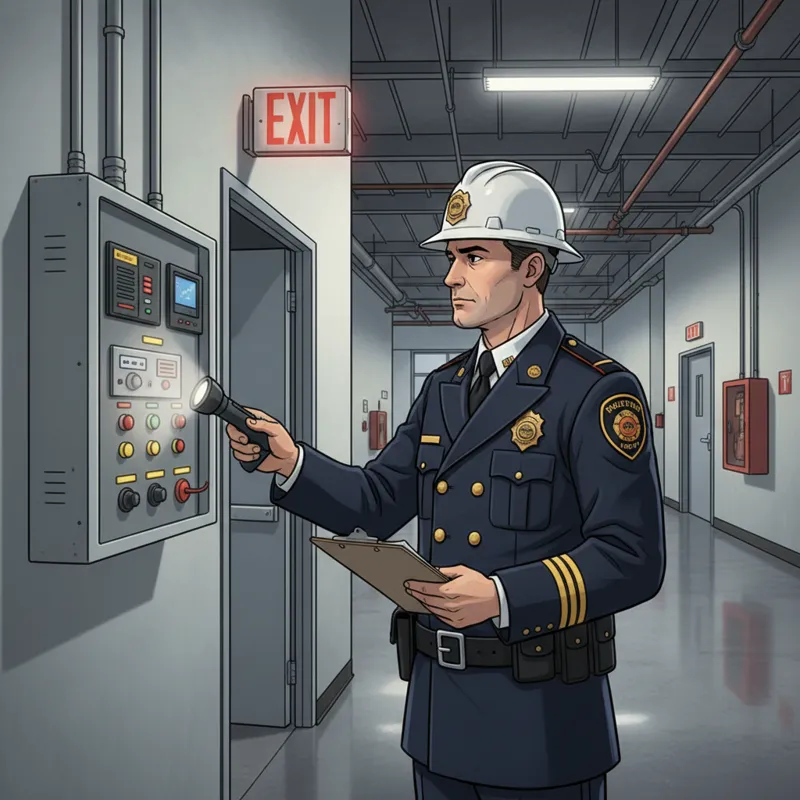
A Fire Marshal Inspection is a formal evaluation conducted by local fire department personnel, specifically fire marshals or fire inspectors, to ensure that buildings and businesses comply with federal, state, and local fire codes. These inspections are proactive measures designed to identify and rectify potential fire hazards before they lead to an emergency. They are not merely about checking boxes; they represent a fundamental commitment to public safety.
Beyond the Checklist: The Marshal’s Role
The fire marshal’s role extends far beyond a simple checklist. They are enforcement officials, educators, and incident investigators. During an inspection, they observe the physical layout, operational practices, and maintenance records of a facility. Their expertise allows them to spot subtle code violations that an untrained eye might miss, assessing risks related to occupant loads, hazardous materials storage, electrical systems, and emergency egress paths. They are also often involved in reviewing building plans for new constructions or renovations, ensuring fire safety is integrated from the design phase.
Why Do Fire Marshal Inspections Matter?
The importance of a Fire Marshal Inspection cannot be overstated. It serves as a vital safeguard, protecting everyone who enters your premises and shielding your business from severe repercussions. Neglecting fire safety compliance can have profound and lasting negative impacts.
Protecting Lives and Property
At its core, fire safety is about preventing tragedy. Fires can cause rapid devastation, leading to injuries, fatalities, and extensive property damage. Regular inspections ensure that fire suppression systems are operational, exit routes are clear, and flammable materials are stored safely. This proactive approach significantly reduces the likelihood of a fire starting and limits its spread and impact if one does occur. For any business, safeguarding employees, customers, and physical assets is paramount.
Avoiding Legal and Financial Consequences
Failing a Fire Marshal Inspection or experiencing a fire due to non-compliance carries significant legal and financial risks. Penalties can range from hefty fines and mandated closures to criminal charges in severe cases of negligence. Insurance claims might be denied or severely limited if a fire occurs and code violations are identified as contributing factors. The reputational damage from a fire incident or a publicized failure to meet safety standards can also be devastating, potentially eroding customer trust and employee morale.
Understanding the Regulatory Landscape: Codes and Standards

Fire safety regulations are comprehensive, drawing from a hierarchy of codes and standards. While some foundational principles are universal, specific requirements can vary based on your location and the nature of your business. Understanding this framework is crucial for achieving commercial fire code compliance.
The National Fire Protection Association (NFPA)
The National Fire Protection Association (NFPA) is a global non-profit organization that develops and publishes more than 300 consensus codes and standards intended to minimize the possibility and effects of fire and other risks. NFPA codes, such as NFPA 1 (Fire Code) and NFPA 101 (Life Safety Code), are widely adopted across the U. S. and serve as the bedrock for many state and local fire safety regulations. These NFPA standards for businesses cover everything from sprinkler systems and fire alarms to emergency lighting and exit access.
State and Local Adaptations
While NFPA codes provide a national framework, states and local jurisdictions often adopt them with amendments or incorporate additional requirements tailored to specific regional needs. This means that a business operating in California might face slightly different fire safety regulations than one in New York, even if both broadly follow NFPA guidelines. It’s essential to consult your local fire department or municipal building department to understand the exact codes enforced in your area. These local codes often address nuances like specific occupancy types or unique hazards within a community.
International Building Code (IBC) and International Fire Code (IFC)
Many jurisdictions also adopt the International Building Code (IBC) and International Fire Code (IFC), published by the International Code Council (ICC). The IBC primarily governs the design and construction of buildings, including aspects of fire resistance and structural integrity, while the IFC focuses on operational fire safety practices and hazardous materials. These codes frequently cross-reference NFPA standards, creating a cohesive, albeit complex, regulatory environment. For instance, the general requirements for a commercial kitchen’s fire suppression system are integrated across these documents.
Your Comprehensive Pre-Inspection Checklist
Proactive preparation is the single most effective strategy for passing a Fire Marshal Inspection. By creating and diligently working through a detailed fire inspection preparation guide, you can identify and correct potential issues before the inspector arrives. This isn’t just about avoiding penalties; it’s about establishing a culture of ongoing fire prevention services.
Fire Protection Systems
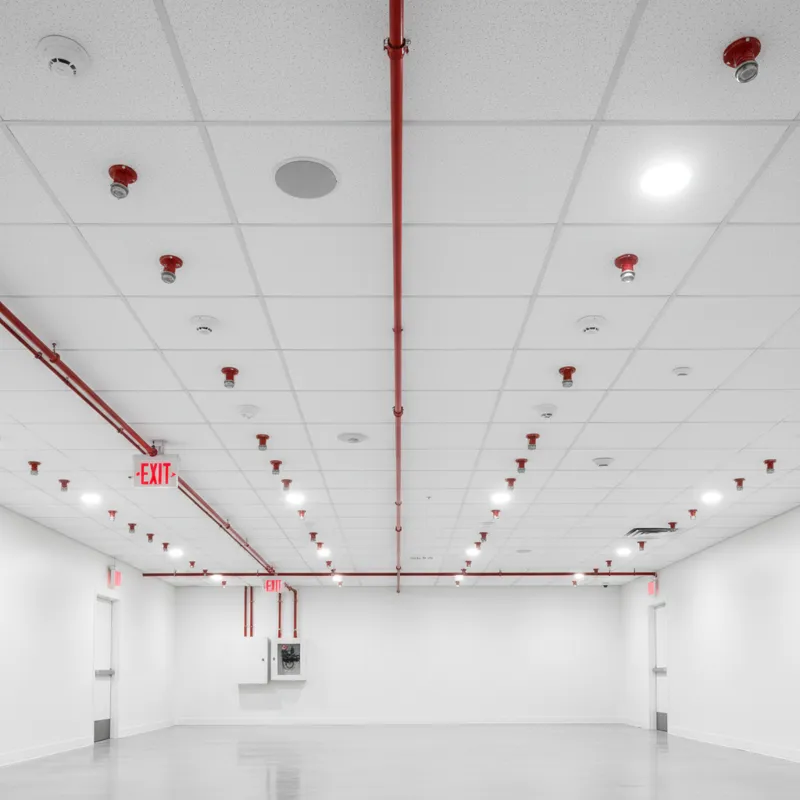
- Sprinkler Systems: Ensure all heads are unobstructed, free of paint, and have proper clearance. Verify inspection, testing, and maintenance records are up-to-date.
- Fire Alarms: Test alarms regularly. Check that all smoke detectors, heat detectors, and pull stations are operational and free from obstruction. Ensure monitoring service is active and records are available.
- Fire Extinguishers: Verify extinguishers are fully charged, easily accessible, correctly mounted, and have current inspection tags. Ensure the correct type of extinguisher is available for potential hazards.
- Emergency Lighting: Test emergency lights and exit signs to confirm they illuminate when normal power is interrupted. Ensure battery backup systems are functioning.
Means of Egress
- Exit Routes: Keep all hallways, stairwells, and doorways leading to exits clear of obstructions.
- Exit Doors: Ensure exit doors are easily operable from the inside without keys or special knowledge, and that they open in the direction of travel (for high-occupancy areas). Panic bars must function correctly.
- Exit Signs: Verify all exit signs are illuminated and clearly visible.
- Occupancy Load: Understand and adhere to the maximum occupancy load for each space.
Housekeeping and Storage
- General Tidiness: Maintain a clean and organized facility. Accumulation of trash or debris can fuel a fire.
- Flammable Materials: Store flammable liquids and gases in approved containers and designated areas, away from ignition sources.
- Storage Clearances: Maintain at least 18 inches of clearance between stored materials and sprinkler heads or ceiling-mounted smoke detectors. For general storage, keep items organized and away from electrical panels and heat sources.
- Waste Management: Empty waste bins regularly, especially those containing combustible materials.
Electrical Safety
- Wiring: Ensure no frayed wires, overloaded outlets, or improper use of extension cords. Extension cords are for temporary use only, not as permanent wiring.
- Electrical Panels: Keep electrical panels easily accessible and free from storage. Ensure they are properly labeled.
- Appliances: Use only approved and properly maintained electrical appliances.
Hazardous Materials
- Identification: Properly identify and label all hazardous materials.
- Storage: Store hazardous materials according to their specific requirements, including segregation, ventilation, and spill containment.
- Safety Data Sheets (SDS): Ensure SDS for all hazardous materials are readily available to employees.
Employee Training and Records
- Emergency Plan: Have a clear and communicated emergency action plan, including evacuation procedures and designated assembly points.
- Fire Extinguisher Training: Ensure employees are trained on the proper use of fire extinguishers.
- Drills: Conduct regular fire drills to familiarize employees with emergency procedures.
- Maintenance Records: Keep meticulous records of all fire system inspections, maintenance, and repairs. This includes records for your general building condition, akin to how one might keep detailed notes for a structural inspection.
The Inspection Process: What to Expect
Knowing what to expect during a Fire Marshal Inspection can significantly reduce stress and improve your chances of a smooth process. It’s generally a structured procedure, but marshals are adept at spotting issues beyond standard expectations.
Scheduling and Notice
Inspections can be scheduled or unscheduled. While many jurisdictions provide advance notice for routine inspections, fire marshals also have the authority to conduct unscheduled visits, especially if a complaint has been filed or there’s a perceived imminent danger. Regardless of notice, your facility should always be prepared for an inspection.
During the Inspection
When the fire marshal arrives, a designated representative (owner, manager, or safety officer) should accompany them. The marshal will systematically walk through the facility, checking for items on their compliance checklist. They’ll likely inspect:
- Common Areas: Entrances, lobbies, hallways, and reception areas.
- Workspaces: Offices, production areas, storage rooms, and kitchens. This could apply whether it’s an office building or a busy establishment like the Hong Kong Tea House, where kitchens and customer areas pose distinct risks.
- Utility Rooms: Electrical closets, mechanical rooms, and boiler rooms.
- Exterior: Dumpster areas, fire lanes, and building access points.
The inspector may ask questions about your fire prevention services, emergency plans, and maintenance schedules. Be ready to provide access to records and demonstrate the functionality of systems.
Post-Inspection: Corrections and Re-inspections
At the end of the inspection, the marshal will typically provide a report detailing any observed violations. For minor issues, you might receive a verbal warning or a specific timeframe to correct them. For more serious violations, a formal written citation will be issued, possibly with a timeline for compliance and a follow-up re-inspection. It’s crucial to address all identified deficiencies promptly and thoroughly.
Things People Usually Miss (and What Most Get Wrong)
Many businesses focus on the major elements of fire safety, but often it’s the smaller, easily overlooked details or common misconceptions that lead to citations during a Fire Marshal Inspection.
Assuming “No News is Good News”
One common pitfall is assuming that because you haven’t had an inspection in a while, or haven’t heard from the fire department, you’re fine. Fire codes are dynamic and local enforcement can vary. Waiting for a formal notice before reviewing your fire safety protocols is a risky strategy. Continuous readiness is the only safe approach.
Neglecting Ongoing Maintenance Records
While having functional fire protection systems is vital, equally important are the records of their regular inspection, testing, and maintenance. Many facilities fail to keep these records organized and readily accessible. A fire marshal isn’t just checking if your sprinklers are there; they want to see documented proof that they’re consistently being serviced by certified professionals. This often catches businesses off guard.
Underestimating the Importance of Exit Lighting
It might seem minor, but dim, faulty, or non-functional emergency exit lighting is a frequent point of failure. These lights are critical during a power outage or smoke-filled environment, guiding occupants to safety. Many forget to regularly test their battery backup systems or replace old bulbs.
Focusing Only on Obvious Hazards
Businesses often fixate on the most apparent fire risks – flammable liquids, overloaded circuits. However, marshals look at the full spectrum. They’ll scrutinize things like the proper storage of ordinary combustibles (e.g., cardboard boxes, paper supplies), ensuring adequate clearance for HVAC units, or even something as seemingly innocuous as a collection of dried flowers in a public space, which could become fuel, much like Ramos Flowers might ensure their displays don’t pose a fire risk in a retail setting. The overall “housekeeping” of the facility is a critical, yet often underestimated, aspect of the inspection.
What Happens If You Fail a Fire Marshal Inspection?
Failing a Fire Marshal Inspection isn’t merely an inconvenience; it initiates a formal process with potential consequences that can impact your operations and finances. Understanding these potential outcomes for fire code violation penalties is crucial for any business.
Citations and Orders to Comply
The most immediate outcome of a failed inspection is the issuance of citations or notices of violation. These documents formally detail the specific fire code violations identified. Depending on the severity and nature of the violations, the fire marshal will issue an “Order to Comply,” which specifies a deadline by which all issues must be rectified. For minor infractions, this might be a few days or weeks; for significant hazards, compliance might be required immediately.
Fines and Penalties
Failure to comply with an Order to Comply within the given timeframe, or if the violations are particularly egregious, will typically result in fines. These financial penalties can vary significantly by jurisdiction and the nature of the violation, ranging from hundreds to thousands of dollars per infraction. Repeat offenders or businesses that demonstrate a persistent disregard for safety standards may face escalating fines and more severe penalties. In some cases, operations could be suspended until compliance is achieved.
Business Interruption
In situations where immediate fire hazards pose an imminent danger to life or property, the fire marshal has the authority to issue an order to close or evacuate the premises. This can lead to significant business interruption, loss of revenue, and disruption of services until all safety concerns are fully addressed and a re-inspection confirms compliance. Such closures can have a devastating impact on small businesses, highlighting the importance of continuous vigilance and robust business fire safety regulations.
Proactive Steps for Year-Round Compliance
Achieving compliance isn’t a one-time event; it’s an ongoing commitment. Implementing proactive strategies ensures your business remains prepared for a Fire Marshal Inspection at any time and, more importantly, keeps your occupants safe.
Regular Self-Inspections
Institute a schedule for internal, self-conducted fire safety inspections. Use a checklist similar to what a fire marshal would use. Designate trained personnel to conduct these checks weekly or monthly, identifying and resolving minor issues before they escalate. This habit is fundamental for continuous business fire safety regulations adherence.
Professional Fire Safety Audits
Consider engaging a third-party fire safety consultant to conduct an annual audit. These professionals bring an objective eye and specialized expertise, often identifying subtle issues that internal staff might miss. Their comprehensive reports can provide valuable insights and help you stay ahead of evolving code requirements.
Staff Training and Drills
A well-trained staff is your first line of defense. Regular training sessions on fire prevention, the proper use of fire extinguishers, and emergency evacuation procedures are indispensable. Conduct fire drills at varying times to ensure all shifts are prepared and familiar with their roles in an emergency. Document all training and drills meticulously, as these records are often reviewed during an inspection.
Frequently Asked Questions (FAQ)
You likely have questions about fire marshal inspections. Here are some of the most commonly asked queries we encounter.
How often do fire marshal inspections occur?
The frequency of Fire Marshal Inspections varies widely by jurisdiction and the type of occupancy. High-risk occupancies (e.g., hospitals, schools, large assembly venues) may be inspected annually, while lower-risk commercial properties might be on a biennial or triennial cycle. However, special circumstances, such as a complaint, a change in occupancy, or a new construction, can trigger an inspection at any time.
Can I appeal a fire code violation?
Yes, most jurisdictions have an appeals process for fire code violations. If you believe a citation was issued in error, or if you require an extension to comply, you can typically submit an appeal to the local fire department or a designated appeals board. It’s crucial to understand the specific procedures and deadlines for appeals in your area and to have clear documentation to support your case.
What’s the difference between a fire marshal and a fire inspector?
While their roles often overlap, there can be distinctions. A fire marshal typically holds a higher rank, often overseeing a department, conducting investigations into the cause and origin of fires, and having law enforcement powers. A fire inspector generally focuses on conducting routine inspections, plan reviews, and ensuring compliance with fire codes. However, in many smaller jurisdictions, the titles may be used interchangeably, with a single individual performing both roles. Both are critical for comprehensive fire prevention services.
Are home businesses subject to fire marshal inspections?
It depends on the nature and scale of the home business. Most standard home offices or small operations that don’t involve significant public access, hazardous materials, or structural modifications generally are not subject to routine commercial Fire Marshal Inspections. However, if a home business attracts significant foot traffic, stores hazardous materials, employs numerous non-resident staff, or involves modifications that affect life safety, it could fall under commercial fire code compliance requirements. Always check with your local zoning and fire department for specific regulations pertaining to home-based commercial activities.
A Fire Marshal Inspection should be viewed not as an adversary, but as a critical partner in safeguarding your business and its occupants. By understanding the regulatory framework, preparing diligently, and fostering a culture of continuous fire safety compliance, you not only pass the inspection but also build a more resilient and secure environment. In 2026, with evolving risks and increasing scrutiny, proactive fire prevention is more important than ever.
Disclaimer: The information provided on bangladeshcountry.com regarding fire safety, structural inspections, building codes, and legal compliance is based on general internet research and is intended for general informational and educational purposes only.
We are independent publishers, not licensed structural engineers, certified fire marshals, building inspectors, or legal professionals. Building codes, safety regulations, and legal requirements vary significantly by state, county, and municipality, and are subject to frequent changes.
The content on this site does not constitute professional engineering, legal, or safety advice. We strongly advise consulting directly with your local fire department, municipal authorities, or certified professionals before making any decisions regarding property safety or legal compliance. Reliance on this information is strictly at your own risk. We assume no liability for any property damage, fines, legal consequences, or safety hazards resulting from the use of this information.