The landscape of yard maintenance has fundamentally shifted over the last decade, and nowhere is this more evident than with pruning tools. Gone are the days when significant limb trimming meant wrestling with a hand saw, a noisy gas-powered beast, or a cumbersome corded electric model. Today, the battery powered pruning saw has emerged as a powerhouse, offering unparalleled convenience, surprising cutting capability, and a user-friendly experience that homeowners in 2026 now expect. If you’re looking to streamline your yard work, tackle overgrown shrubs, or manage smaller tree limbs with efficiency and less fatigue, understanding these cordless wonders is essential. This guide will help you navigate the options, highlighting key features and practical considerations so you can choose the ideal rechargeable branch cutter for your specific needs, transforming how you approach garden maintenance.
The Cutting Edge: Why Battery Power Dominates Pruning in 2026
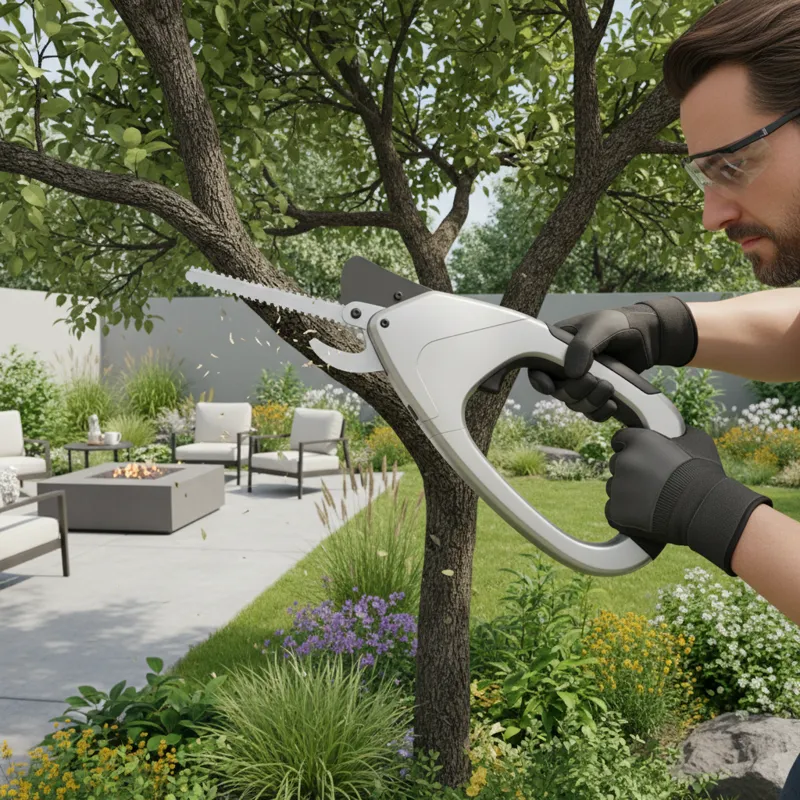
The move towards battery-powered tools isn’t just a trend; it’s a significant evolution driven by advancements in battery chemistry and motor technology. For homeowners, this means leaving behind many of the frustrations associated with older pruning methods. Traditional manual saws demand considerable physical effort and can be slow, especially on thicker branches. Gas-powered saws, while powerful, bring with them a host of inconveniences: fuel mixing, oil changes, loud noise, noxious fumes, difficult cold starts, and general heavier maintenance. Corded electric saws, while quieter, are tethered by an extension cord, severely limiting range and creating a tripping hazard. The modern battery powered pruning saw sidesteps these issues entirely. You get instant starts, significantly less noise, zero emissions, and the freedom to move anywhere in your yard without a power outlet in sight. The balance of power, portability, and reduced maintenance makes them a compelling choice for everything from delicate shrub shaping to cutting down substantial limbs.
Understanding the Core Technology: What Makes These Saws Tick?
To make an informed choice, it’s helpful to understand the basic mechanics behind these tools. They are far more sophisticated than simple battery-and-motor designs.
Motor Types: Brushed vs. Brushless
At the heart of any battery-powered tool is its motor.
- Brushed Motors: These are older, more conventional designs. They use carbon brushes to transfer electrical current to the motor’s commutator, creating rotational force. While effective and typically less expensive, brushed motors generate more friction and heat, leading to less efficiency, faster wear on components (the brushes themselves need replacing over time), and shorter run times per battery charge. You’ll find these in entry-level or less powerful models.
- Brushless Motors: This is where modern power tools shine. Brushless motors use electronic controllers to switch the electromagnetic fields, eliminating the need for physical brushes. This results in significantly higher efficiency, less heat generation, longer motor life, and more power output for the same battery voltage. For demanding tasks or extended use, a brushless motor in your battery powered pruning saw is a distinct advantage. Most reputable brands now offer brushless options in their mid-to-high-end cordless electric tree trimmer models.
Battery Technology: The Power Source
Nearly all contemporary battery powered pruning saws rely on Lithium-ion (Li-ion) battery technology. This is the same chemistry powering your smartphone and electric vehicles, prized for its high energy density, lack of memory effect, and slow self-discharge rate. When evaluating batteries, two key metrics matter:
- Voltage (V): This indicates the potential power of the tool. Common voltage ratings for pruning saws range from 20V (often branded as 18V) for lighter tasks up to 40V, 60V, or even 80V for heavier-duty applications. Higher voltage generally translates to more raw power and the ability to cut through thicker, denser wood without bogging down.
- Amp-Hours (Ah): This measures the battery’s capacity, essentially how much “fuel” it holds. A higher Ah rating means a longer run time before needing a recharge. For instance, a 4.0Ah battery will theoretically provide twice the run time of a 2.0Ah battery at the same voltage. For homeowners with larger yards or extended pruning sessions, opting for higher Ah batteries (or having multiple smaller ones) is crucial. You can find detailed information about Lithium-ion battery development and characteristics on Wikipedia’s Lithium-ion battery page. The interaction between voltage and amp-hours is critical. A 20V 5.0Ah battery provides a different performance profile than a 40V 2.5Ah battery. While the 40V might have more instantaneous power, the 20V with higher Ah could offer comparable total energy capacity for run time, depending on the tool’s specific power draw.
Cutting Mechanism: Chain and Bar
Most battery-powered pruning saws, especially those designed for anything more substantial than small twigs, operate like miniature chainsaws.
- Bar Length: This determines the maximum diameter of the branch you can cut in a single pass. Common lengths for homeowner models range from 4 inches for compact handheld power pruners up to 12-14 inches for more robust electric limb saw options.
- Chain Type: Chains are typically low-profile for reduced kickback, making them safer for less experienced users. The sharpness and tension of the chain are paramount for efficient and safe cutting. A dull chain will tear at the wood, drain the battery faster, and increase the risk of kickback.
Categorizing Your Options: Types of Battery Powered Pruning Saws
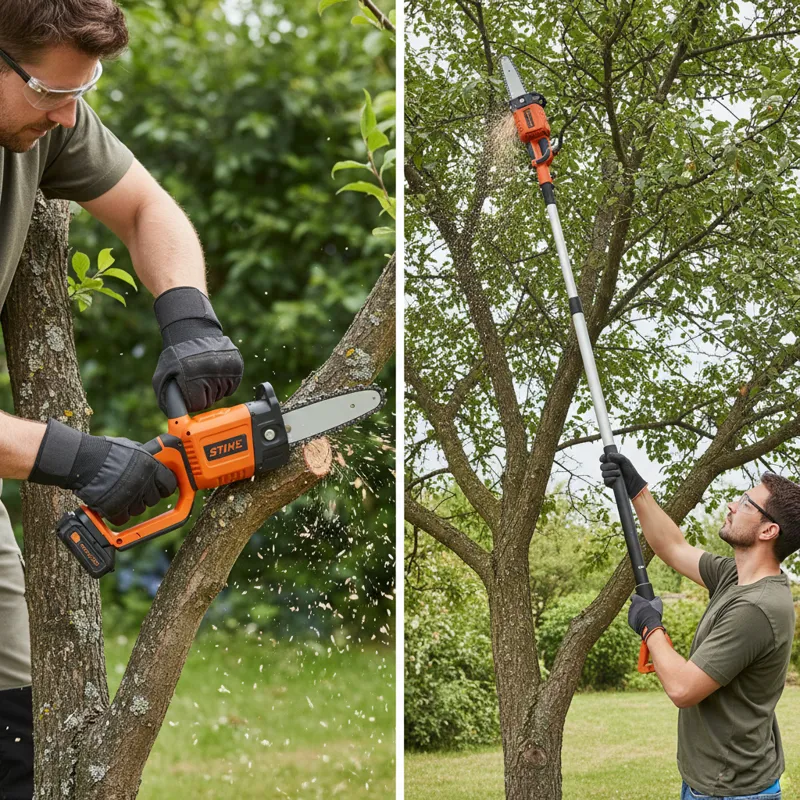
The market offers a range of designs, each suited to different tasks.
1. Compact Handheld Pruning Saws / Mini Chainsaws
These are typically the smallest and lightest options, often featuring bar lengths from 4 to 8 inches. They’re designed for single-hand operation and are excellent for:
- Trimming small branches (up to 4-6 inches in diameter).
- Cleaning up fallen branches.
- Pruning shrubs and bushes.
- Detailed cuts where precision and maneuverability are key. Their lightweight nature makes them easy to use for extended periods without fatigue, making them a popular choice for light-duty garden tasks.
2. Standard Battery Chainsaws (Homeowner Grade)
Moving up in power and size, these models resemble smaller versions of traditional gas chainsaws, with bar lengths generally from 10 to 14 inches. They’re built for more significant work, such as:
- Cutting larger limbs (up to 10-12 inches).
- Felling small trees.
- Processing firewood.
- General yard clean-up after storms. These often use higher voltage batteries (40V, 60V, or 80V) and feature brushless motors, providing comparable power to smaller gas models without the associated hassle.
3. Pole Pruners
For reaching high branches without a ladder, a battery-powered pole pruner is invaluable. These consist of a chainsaw head mounted on an extendable pole, typically reaching 8 to 15 feet.
- Ideal for high branch trimming.
- Safer than using a ladder with a handheld saw.
- Can sometimes convert from a pole attachment to a handheld unit. While convenient for reach, the weight distribution can be a challenge, requiring core strength and careful handling.
Essential Features to Consider When Buying a Battery Powered Pruning Saw
Beyond the basic types, several features will influence your user experience and the tool’s effectiveness.
Power System (Voltage & Amp-Hours)
As discussed, this is paramount. For light pruning of ornamental plants or small fruit trees, a 20V (or 18V) system with a 2.0-4.0Ah battery might suffice. For more demanding tasks, like regular limb removal or cutting thicker wood, aim for 40V, 60V, or even 80V systems, ideally with 4.0Ah or higher capacity batteries. If you already own tools from a particular battery platform (e.g., Ryobi 40V, DeWalt 20V MAX, Milwaukee M18), consider buying a bare tool to save money and maximize battery interchangeability.
Bar Length and Chain Speed
- Bar Length: Choose a length appropriate for your typical tasks. A 6-inch bar is agile for small cuts, but insufficient for a 10-inch limb. A 12-inch bar is versatile for most homeowner needs.
- Chain Speed: Measured in feet per minute (FPM) or meters per second (m/s). Higher chain speed generally translates to faster, cleaner cuts. This is often tied to the motor’s power output.
Weight and Ergonomics
You’ll be holding this tool for extended periods.
- Weight: Lighter tools reduce fatigue. A compact handheld power pruner might weigh 3-5 lbs, while a larger model could be 10-15 lbs with the battery. Consider the balance of the tool.
- Ergonomics: Look for comfortable grips, good weight distribution, and intuitive controls. Features like anti-vibration handles can significantly improve comfort during prolonged use.
Safety Features
Safety is non-negotiable, especially with cutting tools.
- Handguard: Protects your hand from the chain and flying debris.
- Chain Brake: Crucial for safety, stopping the chain almost instantly in case of kickback or loss of control.
- Low Kickback Chain/Bar: Designed to reduce the risk of the saw suddenly jumping back towards the user.
- Trigger Lock-off: Prevents accidental starts.
- Transparent Oil Reservoir: If the model has automatic oiling, this lets you easily monitor the bar and chain oil level.
Convenience Features
These often make a significant difference in usability.
- Tool-less Chain Tensioning: Adjusting chain tension without needing a wrench is a huge time-saver.
- Automatic Chain Oiler: Keeps the bar and chain lubricated during operation, extending their lifespan and improving cutting efficiency. Ensure it has an adequate reservoir.
- Battery Level Indicator: A visible gauge on the battery or tool body to show remaining charge.
- LED Work Light: Useful for working in low-light conditions or shaded areas.
Choosing the Right Battery Powered Pruning Saw for Your Home

Matching the tool to your tasks is key to satisfaction and efficiency.
For Light Trimming and Detail Work
If your primary tasks involve shaping shrubs, pruning rose bushes, removing small suckers, or trimming branches up to 2-3 inches, a compact, lightweight handheld battery powered pruning saw is ideal. These are often 20V (18V) systems, highly maneuverable, and won’t cause arm fatigue quickly. Think of them as a powered upgrade to bypass pruners or small loppers.
For Medium-Duty Pruning and Regular Maintenance
For homeowners tackling branches up to 6-8 inches, maintaining small fruit trees, or doing general yard clean-up, a mid-range electric limb saw with a 8-10 inch bar is a solid choice. These usually fall into the 40V to 60V category, often with brushless motors, providing a good balance of power and manageable weight. They’re excellent for seasonal pruning and keeping your property tidy. This is where many of the “best battery garden saw” reviews focus, due to their versatility.
For Heavy-Duty Tasks and Occasional Large Limb Removal
If you regularly deal with larger branches (up to 10-12 inches), fell small trees, or need to process significant amounts of wood, you’ll want a more robust battery powered pruning saw. Look for 60V or 80V systems with a 12-14 inch bar and a high-capacity battery (4.0Ah or more). These rechargeable branch cutters are built for performance, often rivaling smaller gas models in power, though still offering the convenience of battery operation. Remember to always use appropriate safety gear for such demanding work. Consider the other tools in your shed too. If you already have a set of plant support sticks or a dedicated system for organic herb gardening, you probably have specific needs for keeping your plants healthy and well-maintained, which a good pruning saw can greatly assist.
What Most People Get Wrong About Battery Powered Pruning Saws
Despite their increasing popularity, there are common misconceptions that can lead to frustration if not understood upfront.1. Underestimating Battery Needs: Many assume a single battery will last for hours of continuous cutting. In reality, demanding tasks like cutting thick, hard wood drain batteries quickly. Always factor in purchasing a second battery or a higher Ah battery if you have significant work to do, especially with an electric limb saw. Don’t just look at voltage; amp-hours are equally important for run time.2. Neglecting Chain Maintenance: A sharp, properly tensioned, and well-lubricated chain is absolutely critical. A dull chain won’t cut; it will burn, bind, and rapidly deplete your battery. Many users overlook sharpening or tensioning, then blame the tool’s power. It’s like trying to cut with a dull knife – the problem isn’t the knife’s potential, but its edge.3. Assuming They’re Silent: While significantly quieter than gas saws, they are not silent. The chain moving at high speeds still produces noise, and the motor will hum. Hearing protection is still recommended, especially for prolonged use.4. Ignoring Kickback Risks: Even low-kickback chains and smaller saws can kick back if used improperly (e.g., cutting with the tip of the bar, hitting obstructions). Always be aware of kickback potential and practice proper cutting techniques.5. Not Considering System Compatibility: Many tool manufacturers offer entire ecosystems of tools that share the same battery platform. If you’re buying your first battery powered pruning saw, it’s wise to consider a brand where you might also want a drill, leaf blower, or string trimmer, as buying “bare tools” (without batteries or chargers) can save considerable money down the line.
Maximizing Performance and Longevity of Your Pruning Saw
Proper care extends the life of your tool and ensures it performs optimally.
- Battery Care: Store batteries in a cool, dry place. Avoid extreme temperatures. For long-term storage, charge them to about 50-60% capacity. Always use the charger recommended by the manufacturer.
- Chain Maintenance: * Sharpening: A dull chain is inefficient and dangerous. Learn to sharpen your chain with a round file or invest in a chain sharpener. Some tools offer self-sharpening features, but these often only touch up the edge.
- Tensioning: Check chain tension frequently. A loose chain can derail; a too-tight chain causes premature wear and reduces power.
- Lubrication: If your saw has an automatic oiler, ensure the reservoir is always full with quality bar and chain oil. For manual oiling, apply oil regularly.
- General Cleaning: After each use, clean sap, sawdust, and debris from the bar, chain, and motor housing. A soft brush and damp cloth usually suffice. For more thorough cleaning and winterizing, check out resources on garden tool cleaning stations.
- Blade/Bar Reversal: Periodically flip the guide bar to ensure even wear on both edges. This extends the life of the bar.
Safety First: Essential Practices for Using a Battery Powered Pruning Saw
Working with any cutting tool demands respect and adherence to safety protocols. A battery powered pruning saw is no exception.1. Personal Protective Equipment (PPE): Always wear safety glasses or goggles, sturdy work gloves, closed-toe shoes (preferably steel-toed), and hearing protection. For larger jobs or overhead work, consider a hard hat and chaps.2. Inspect the Saw: Before each use, check the chain tension, ensure the chain is sharp, verify oil levels (if applicable), and inspect for any damage or loose parts.3. Clear Your Work Area: Remove any obstructions, loose branches, or tripping hazards. Ensure pets and children are clear of the work zone.4. Maintain a Stable Stance: Keep both feet firmly planted, maintaining good balance. Never overreach or cut above shoulder height without a pole pruner.5. Two-Handed Grip: Unless using a compact model specifically designed for single-hand use, always operate the saw with both hands firmly gripping the handles.6. Be Aware of Kickback: Kickback occurs when the moving chain at the nose of the guide bar contacts an object, or when the wood closes in and pinches the chain in the cut. This can cause the saw to suddenly jump back or up towards the operator. Avoid cutting with the tip of the bar, and always start cuts with the bottom of the guide bar.7. Plan Your Cut: Consider the direction a branch will fall. Undercutting large branches slightly before making the main top cut can prevent bark stripping.8. Avoid Power Lines: Never, under any circumstances, prune near power lines. Contact a professional arborist or your utility company. For general guidelines on chainsaw safety, resources like those from OSHA (Occupational Safety and Health Administration) offer valuable insights.9. Battery Removal: Always remove the battery when transporting the saw, performing maintenance, or when the tool is not in use, to prevent accidental starts.
Cost-Benefit Analysis: Is a Battery Powered Pruning Saw Worth the Investment?
The initial cost of a quality battery powered pruning saw, especially one with higher voltage and a brushless motor, can be a bit more than a comparable entry-level gas or corded model. However, the long-term benefits and operational savings often make it a superior investment for homeowners.
- Fuel Savings: No need to buy gasoline or mix oil.
- Maintenance Savings: No spark plugs, air filters, or carburetor issues typical of gas engines. Maintenance largely revolves around chain care.
- Convenience: The time saved on setup, starting, and general hassle is invaluable.
- Environmental Impact: Zero emissions during operation aligns with a growing desire for eco-friendlier yard tools.
- Noise Reduction: A quieter operation is better for your ears and your neighbors. For the average homeowner, the ease of use, reduced noise, and absence of fumes significantly enhance the pruning experience. The convenience often outweighs the initial price tag, especially when considering systems where batteries are interchangeable across multiple tools.
People Also Ask (FAQ)
How long do battery pruning saws last on a charge?
Battery run time varies significantly based on battery voltage (V) and amp-hours (Ah), the type of wood being cut (hardwood drains faster than softwood), and the cutting task’s intensity. A 40V 4.0Ah battery might give you 30-60 minutes of continuous cutting on moderate branches, or much longer for intermittent, lighter pruning. Always have a spare battery on hand for larger projects.
Can I cut large branches with a battery pruning saw?
Yes, but it depends on the saw. Compact handheld models are best for branches up to 4-6 inches. Larger, homeowner-grade battery chainsaws (often 60V-80V with 12-14 inch bars) can effectively cut branches up to 10-12 inches, sometimes even larger in multiple passes. Always match the saw’s capability to the branch size for safety and efficiency.
Are battery pruning saws safer than gas ones?
In some ways, yes. They start instantly without pull cords, produce no noxious fumes, and are generally lighter and quieter. They also often incorporate modern safety features like chain brakes more effectively. However, any saw with a moving chain carries inherent risks, including kickback. Proper training, PPE, and adherence to safety guidelines are essential regardless of the power source.
What’s the difference between a pruning saw and a mini chainsaw?
The terms are often used interchangeably for smaller battery-powered models. Generally, a “pruning saw” might refer to the more compact, single-handed devices designed specifically for lighter, quicker cuts on smaller branches, while “mini chainsaw” might imply a slightly larger, more powerful version that still maintains a compact form factor compared to a full-sized chainsaw. Functionally, they operate on the same chain-and-bar principle.
How often should I sharpen the chain?
You should sharpen the chain as soon as you notice it’s cutting slowly, tearing the wood instead of slicing cleanly, or producing fine sawdust instead of coarse chips. For occasional home use, this might be after every few hours of cutting. For more frequent or heavy use, you might need to touch up the chain every time you use it. A sharp chain is safer and more efficient.
Conclusion
The battery powered pruning saw has undeniably revolutionized how homeowners approach yard maintenance in 2026. From the lightest trimming tasks to the removal of significant tree limbs, there’s a cordless solution that offers power, portability, and ease of use unmatched by traditional tools. By understanding the underlying technology, evaluating key features, and honestly assessing your specific needs, you can confidently select a rechargeable branch cutter that will not only simplify your pruning chores but also make them more enjoyable and less fatiguing. Invest in a quality battery powered pruning saw, commit to proper maintenance and safety, and unleash a new level of cutting power in your garden.