
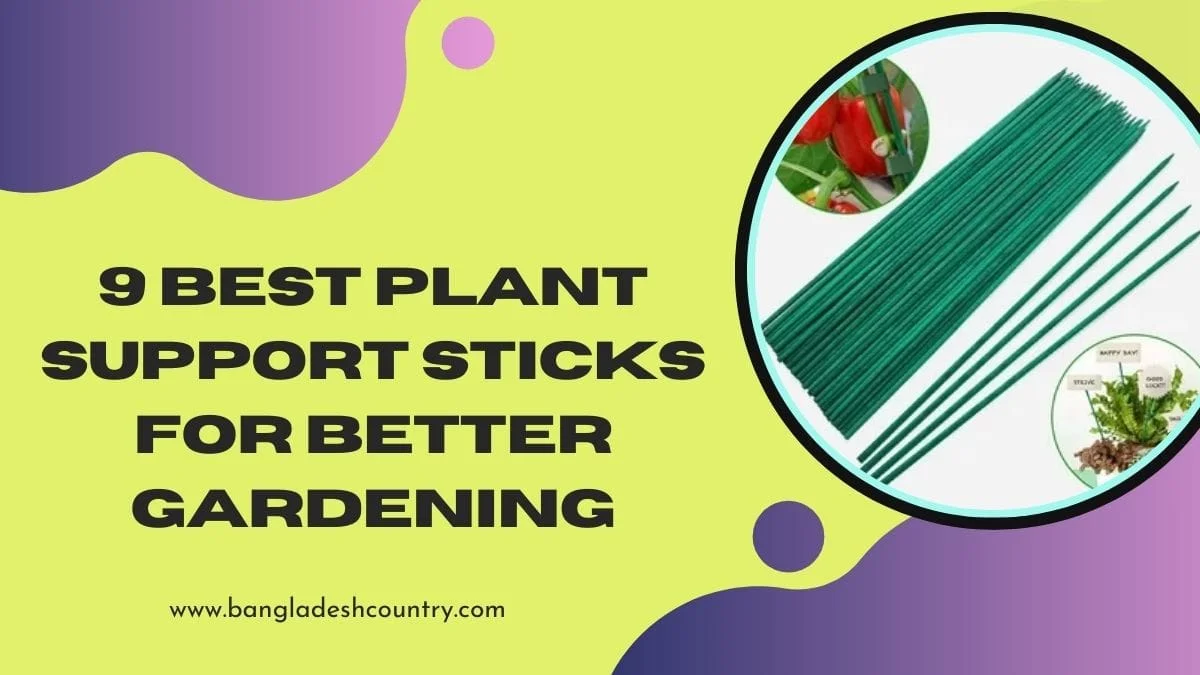
Ensuring your plants grow strong, healthy, and productive often requires more than just good soil, water, and sunlight. Many plants, particularly those that grow tall, vine extensively, or bear heavy fruits and flowers, benefit immensely from structural assistance. This is where plant support sticks come into play – a simple yet indispensable tool for gardeners and plant enthusiasts alike. Far from being a mere aesthetic choice, proper plant support provides crucial stability, promotes better air circulation, reduces the risk of disease, and ultimately leads to more vigorous growth and higher yields. In 2026, with an ever-growing interest in both indoor and outdoor gardening, understanding the best options for plant support is more relevant than ever. Let’s dive deep into the world of plant support sticks, exploring the top picks and how to use them effectively to foster robust growth in your green companions.
Why Your Plants Absolutely Need Support

You might think supporting a plant is just about keeping it from flopping over, but the benefits extend far beyond mere aesthetics. Think about it: a strong skeletal system helps us stand tall and healthy. Plants, especially those with ambitious growth habits, need their own version of a skeletal system. Unsupported plants are vulnerable. Strong winds can snap fragile stems. Heavy rain can cause branches laden with fruit to sag or break. When plants sprawl on the ground, they’re more susceptible to pests and diseases, as air circulation is reduced, and dampness lingers. This creates an ideal environment for fungi and bacteria. Plant support sticks lift foliage and fruit off the ground, improving light exposure to all parts of the plant. This even exposure is vital for photosynthesis, leading to stronger stems, more flowers, and ultimately, a better harvest. For vining plants, supports give them a structure to climb naturally, mimicking their wild habitats and encouraging upward growth rather than uncontrolled sprawling.
The 9 Best Plant Support Sticks for Strong Growth

Choosing the right plant support can feel overwhelming given the variety available. Each type has its strengths, ideal for specific plants and growing conditions. Here are nine top picks that cater to a wide range of needs.
1. Bamboo Stakes
Bamboo stakes are a perennial favorite for their natural appearance, strength-to-weight ratio, and biodegradability. They’re lightweight, relatively inexpensive, and blend seamlessly into any garden aesthetic. You’ll find them in various lengths and thicknesses, making them versatile for everything from supporting young seedlings to propping up tall dahlias or providing a climbing structure for pole beans. However, bamboo can rot over time, especially in very wet conditions, and isn’t as durable as some synthetic or metal options. Look for untreated bamboo for organic gardens.
2. Metal Stakes (Steel or Galvanized)
Metal stakes, often made from steel or galvanized steel, offer superior durability and longevity. They won’t rot or break easily, standing up to harsh weather year after year. These are excellent for supporting heavy plants like large tomatoes, mature sunflowers, or young trees. They come in various forms: single stakes, U-shaped stakes, or even coated options for a softer appearance and better grip. While they might be pricier upfront, their lifespan often makes them a cost-effective choice. Just be mindful that they can heat up in direct sun, potentially scorching tender stems if tied too tightly without cushioning.
3. Wooden Stakes (Hardwood)
Similar to bamboo, wooden stakes offer a natural look but often provide more robustness, especially if made from hardwood like oak or cedar. These are substantial and great for supporting larger, more permanent plants or small trees. Treated wooden stakes can resist rot and pests, extending their life, but some gardeners prefer untreated options for environmental reasons. Untreated wood will eventually decompose, contributing organic matter back to the soil, but this also means a shorter lifespan compared to treated or metal options. When selecting, check for smooth finishes to avoid damaging plant stems.
4. Fiberglass Stakes
Fiberglass stakes are a modern solution, known for their incredible strength, flexibility, and resistance to rot, rust, and UV damage. They are virtually indestructible and can last for decades. Their flexibility allows them to bend slightly with wind, reducing the risk of snapping while still providing firm support. They often come in various colors, like green or brown, to blend into the garden. Fiberglass is an excellent choice for plants that need consistent, long-term support, such as fruit trees, berry bushes, or permanent trellises for vining plants. While the initial investment is higher, their longevity is unmatched.
5. Cage Supports (Tomato Cages, Peony Cages)
Cage supports are freestanding structures designed to encircle a plant, providing all-around support. Tomato cages are the most common example, but you’ll also find specific designs for peonies, peppers, and other bushy plants that need help holding up heavy blooms or fruit. The major advantage of a cage is that it offers support from multiple angles, reducing the need for constant tying. As the plant grows, it simply fills out the cage. However, not all cages are created equal. Flimsy, narrow tomato cages often prove inadequate for large heirloom varieties, so invest in sturdy, wide options if you expect significant growth.
6. Trellises (Netting, A-frame, Fan, Obelisk)
Trellises are structures, often made of wood, metal, or netting, designed for climbing plants to ascend. They are indispensable for vining vegetables like cucumbers, peas, beans, and squashes, as well as flowering vines like clematis or climbing roses. Trellises can be flat against a wall, A-frame for self-standing support in a garden bed, or even decorative fan shapes. A good trellis not only supports the plant but also maximizes vertical growing space, which is especially useful in smaller gardens. Some gardeners enjoy a refreshing break with a cup of tea after setting up elaborate trellis systems, perhaps considering whether their preferred green tea stains teeth before enjoying it.
7. Obelisks & Cages (Decorative)
Combining functionality with aesthetics, decorative obelisks and cages offer elegant support for climbing plants. An obelisk, typically a pyramid or cone-shaped structure, provides a central point for vines to climb, creating a beautiful focal point in a garden bed or large container. These are often made from metal or sturdy wood and can be quite ornate. They’re perfect for smaller climbing roses, sweet peas, morning glories, or even compact tomato varieties in pots. They offer the benefits of a cage for all-around support but with a significant visual appeal.
8. Grow-Through Supports (Grid Supports)
Grow-through supports, sometimes called grid supports or link stakes, are designed for bushy plants that tend to flop over, like peonies, hydrangeas, or delphiniums. They consist of a series of rings or grids elevated by stakes. The idea is to install them early in the season, before the plant gets too large. As the plant grows, its stems emerge through the grid, naturally supported from below and preventing sprawling. This provides a very natural look, as the support becomes hidden by the foliage.
9. Coir/Moss Poles
Coir (coconut fiber) or moss poles are specialized plant support sticks primarily used for indoor vining plants that produce aerial roots, such as Monsteras, Philodendrons, Pothos, and other Aroids. The rough, fibrous surface provides a natural medium for these aerial roots to attach and climb, mimicking the trees they would ascend in their native habitats. These poles promote larger leaf development and overall healthier growth for these specific plant types. You simply keep the pole moist, and the plant will root into it, drawing additional moisture and nutrients. When working with these intricate supports, one might even take a moment to enjoy a beverage; for those mindful of their energy, they might wonder how much caffeine is in their Arizona Green Tea to power through more detailed plant work.
Choosing the Right Support: Matching Stick to Plant

Selecting the correct plant support is crucial for its effectiveness. It’s not a one-size-fits-all situation.
Consider Plant Type and Growth Habit
- Vining Plants (Cucumbers, Pole Beans, Clematis): These need something to climb. Trellises (A-frame, wall-mounted), netting, obelisks, and tall bamboo or metal stakes with twine work best. Coir poles are ideal for indoor aroids.
- Tall, Single-Stemmed Plants (Delphiniums, Sunflowers, Gladiolus): A single, sturdy stake (bamboo, metal, fiberglass, or wooden) placed next to the main stem is often sufficient. Ensure the stake is at least two-thirds the expected mature height of the plant.
- Bushy Plants Prone to Flopping (Peonies, Hydrangeas, Peppers): Cage supports, grow-through supports, or a series of perimeter stakes with encircling twine are effective. These provide all-around support to prevent the plant from splaying open.
- Heavy Fruiting/Flowering Plants (Tomatoes, Eggplants, Large Roses): Strong support is essential. Sturdy tomato cages, heavy-duty metal stakes, or robust trellises can handle the weight. For very heavy branches, individual cradles or slings might be needed in addition to a main support.
Material Considerations
- Durability: For long-term or permanent structures, opt for metal, fiberglass, or treated hardwood. For annuals or temporary support, bamboo or untreated wood is fine.
- Aesthetics: If the support will be visible, consider how it blends with your garden. Natural materials like bamboo and wood offer an organic look, while green-coated metal or fiberglass can be discreet.
- Cost: Bamboo and thin wooden stakes are generally the most affordable. Fiberglass, heavy-duty metal, and decorative obelisks tend to be more expensive but offer greater longevity.
Indoor vs. Outdoor
- Outdoor: Supports need to withstand weather. Metal, fiberglass, treated wood, and robust plastic are suitable.
- Indoor: Aesthetically pleasing supports are often preferred. Bamboo, decorative metal stakes, and coir poles are popular choices for houseplants, blending into the interior decor.
Effective Installation: Practical Tips for Success
Proper installation is just as important as choosing the right plant support sticks. A poorly installed stake can do more harm than good.
When to Install
Install plant supports early. For most plants, this means when they are still relatively small – ideally when you plant them or shortly thereafter. Waiting until a plant is already large and flopping risks damaging its root system during stake insertion and can make it harder to train growth effectively. For plants like peonies, install grow-through supports when the plant is just emerging in spring.
How to Install
- Depth: Push stakes deep enough into the soil to provide firm anchorage – typically 8-12 inches, or even more for very tall supports in loose soil. The stake should be able to withstand wind without swaying significantly.
- Placement: For single stakes, place them 2-4 inches away from the main stem to avoid root damage. For bushy plants, place stakes around the perimeter or insert a cage or grow-through support centrally.
- Angle: Stakes should be as vertical as possible, unless intentionally creating an angled support for a specific aesthetic or growth pattern.
Tying Techniques (Gentle, Figure-Eight)
- Materials: Use soft, stretchy ties that won’t cut into stems. Twine, soft fabric strips, specialized plant ties (e.g., Velcro plant tape, plastic clips), or even old pantyhose strips work well. Avoid thin wire or non-stretchy string, which can girdle the stem as it grows.
- Figure-Eight Knot: This is the gold standard. Loop the tie around the stake, then cross it in a figure-eight pattern, making a loop around the plant stem, and then back to the stake. This creates a cushion between the stem and the stake, preventing chafing.
- Loose Ties: Always tie loosely enough to allow for stem growth and air circulation. You should be able to easily fit a finger between the tie and the stem.
- Multiple Ties: For tall plants, use multiple ties at different heights as the plant grows.
Maintenance & Adjustment
Check your supported plants regularly, at least once a week during peak growth. As stems thicken, ties can become too tight. Loosen or replace them as needed. Adjust the position of the ties as the plant grows taller, always providing support just below a heavy cluster of leaves, fruit, or flowers. Remove any dead or diseased foliage to further improve air circulation around the supports.
Things People Usually Miss When Using Plant Supports
Even experienced gardeners can overlook subtle aspects of plant support that make a big difference.
- Staking Too Late: This is the most common mistake. Trying to prop up an already sprawling plant is much harder, less effective, and often causes more damage than if the support had been installed proactively. The plant has already spent energy growing in an undesirable direction.
- Tying Too Tightly: A tight tie will constrict the stem as it expands, essentially girdling the plant and cutting off nutrient flow. This can weaken the stem at the tie point, making it prone to snapping later, or even kill the plant above the constriction.
- Using the Wrong Size or Material: A flimsy tomato cage for an indeterminate heirloom tomato is an exercise in futility. Similarly, a short stake for a tall sunflower offers minimal benefit. Match the support’s strength and height to the plant’s mature size and weight.
- Neglecting Aesthetics (Especially Indoors): While functionality is key, the support should ideally blend in or complement the plant and surrounding environment. Brightly colored, industrial-looking stakes might detract from the natural beauty of an indoor plant.
- Not Considering Plant Growth Habit: Some supports work with the plant’s natural habit, like a coir pole for aerial roots. Others fight against it, like forcing a sprawling vine onto a single vertical stick. Understand how your plant grows naturally to select the best type of support.
- Forgetting About Longevity and Storage: If you’re investing in durable plant support sticks, plan for their storage during the off-season. Clean them thoroughly and store them in a dry place to prevent disease transmission and extend their life.
DIY Plant Support Ideas
You don’t always need to buy brand-new plant support sticks. Many common materials can be repurposed or assembled into effective supports.
- Branches and Twigs: Pruned branches, especially those with interesting forks, can make excellent natural stakes for smaller plants or act as mini-trellises. Hardwood branches will last longer.
- Bamboo Cuttings: If you have access to bamboo groves, fresh cuts can be used for various stakes and small trellises.
- Hardware Mesh/Fencing: Leftover sections of chicken wire or cattle fencing can be shaped into sturdy cages or flat trellises. Just ensure any sharp edges are dulled or covered to prevent injury.
- Old Ladders or Furniture: An old wooden ladder, strategically placed, can become a rustic trellis for a climbing vine. The possibilities for repurposing are endless, limited only by your imagination and the need for structural integrity. As you get creative with your DIY projects, don’t forget to take breaks. Perhaps try an ultimate 5-step strawberry milk tea recipe for a refreshing treat.
Maintenance and Longevity of Your Plant Supports
Investing in good plant support sticks means you’ll want them to last. Proper care extends their lifespan and ensures they remain effective season after season.
- Cleaning: At the end of the growing season, always clean your stakes, cages, and trellises. Remove any soil, plant debris, and old ties. A scrub brush and a hose usually suffice. This prevents the carryover of plant diseases or pests to the next season. For wood and bamboo, ensure they dry thoroughly.
- Inspection: Before storing, inspect all supports for damage. Are there any cracks, rust spots, or signs of weakening? Repair or replace as needed. Straighten bent metal stakes.
- Storage: Store supports in a dry, protected area like a shed, garage, or covered outdoor space. Keeping them out of direct sun, rain, and freezing temperatures will prevent premature deterioration, especially for wood and plastic components. Storing them neatly also makes them easier to find and deploy next season.
- Rust Prevention: For metal stakes, if you notice rust developing, you can lightly sand the area and apply a rust-inhibiting primer or paint to prolong their life. Galvanized steel is naturally more resistant to rust.
FAQs About Plant Support Sticks
Gardeners often have practical questions when it comes to plant support. Here are some common ones:
How many plant support sticks does one plant need?
It depends on the plant. For a single-stemmed tall plant like a sunflower, one sturdy stake is usually enough. For bushy plants like peonies or peppers, a cage or grow-through support is better, encompassing the whole plant. Vining plants on a trellis will use the entire structure. Tomatoes might need one stake for indeterminate varieties (requiring continuous tying) or a cage for bushy determinate types.
When should I stake my plants?
The general rule is to stake early. Ideally, install the support when you plant a seedling or very shortly after it emerges. This allows the plant to grow into the support naturally, minimizes root disturbance, and prevents the plant from flopping over in the first place, which can cause irreparable damage.
Can I reuse plant stakes year after year?
Absolutely, yes! Most plant support sticks, especially those made from metal, fiberglass, or treated wood, are designed for multi-season use. Just make sure to clean them thoroughly at the end of each season to prevent disease spread and inspect them for any damage before reusing. Bamboo and untreated wood stakes might have a shorter lifespan but can often be reused for a few seasons.
What’s the difference between a stake and a trellis?
A stake is typically a single, upright rod or pole used to support one or a few main stems of a plant, preventing it from bending or breaking. A trellis is a larger, often grid-like or open framework structure designed for vining or climbing plants to spread out and ascend, providing multiple points of attachment and maximizing vertical space.
Are plant supports necessary for all plants?
No, not all plants require support. Many low-growing plants, compact varieties, or those with naturally strong, rigid stems do perfectly fine without any intervention. Plant supports are primarily needed for tall plants, vining plants, plants with heavy fruits or flowers, or those growing in exposed, windy conditions. Observe your plants; if they start to lean, sprawl, or show signs of strain, it’s time to consider support.
Mastering the art of plant support means understanding your plants’ individual needs and matching them with the right tools and techniques. By thoughtfully selecting and properly installing plant support sticks, you’ll empower your plants to reach their full potential, promoting stronger growth, healthier foliage, and more abundant harvests. Here’s to a thriving garden in 2026 and beyond!


