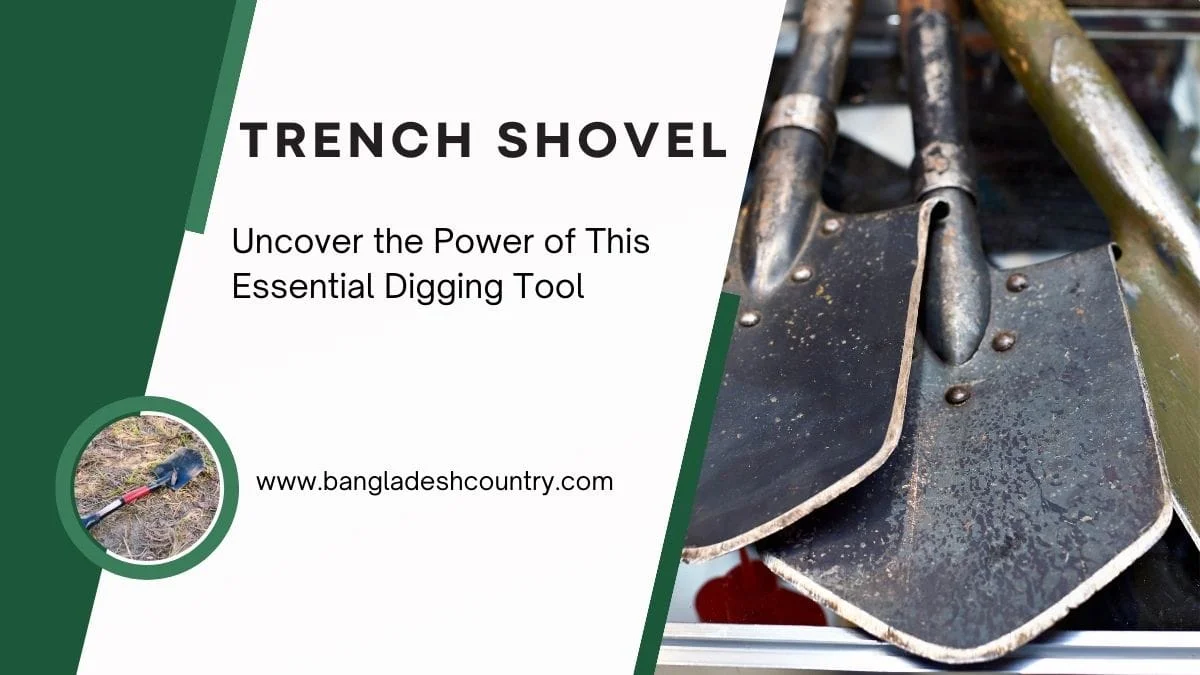
In landscaping, plumbing, or electrical work, precision digging often dictates the success and longevity of a project. While many general-purpose shovels exist, attempting intricate trenching with the wrong tool is a recipe for frustration, wasted effort, and subpar results. This is where the trench shovel steps in – a specialized digging instrument designed not just to move earth, but to sculpt it with accuracy. Its unique design allows professionals and serious DIYers alike to carve narrow, clean trenches for everything from irrigation lines to foundation drains, transforming arduous tasks into manageable, efficient processes. Understanding this essential tool means recognizing its specific mechanics and how its design directly supports efficient, effective excavation.
Understanding the Trench Shovel: More Than Just a Narrow Spade

A trench shovel is a highly specialized tool, distinct from your average garden spade or round-point shovel. Its primary function is to dig narrow, deep channels in the earth with minimal over-excavation. Think of it as a surgeon’s scalpel in the world of digging tools, designed for precision rather than brute force. Its unique design isn’t accidental; every curve and dimension serves a specific purpose, directly impacting efficiency and the quality of the trench.
Key Design Elements That Define a Trench Shovel
The effectiveness of a trench shovel hinges on several core design features:
- Blade Shape: The most defining characteristic is its narrow, often flat or slightly concaved blade. Typically, blades range from 4 to 6 inches wide, sometimes up to 8 inches, and are usually longer than they are wide. This allows for focused penetration and removal of soil in a confined space.
- Blade Profile: Many trench shovels feature a V-shaped or U-shaped blade cross-section, which helps maintain the trench’s defined edges and facilitates the scooping out of excavated material. Some are designed with a flatter bottom to create a level base for pipes or cables.
- Length and Angle: The blade is often angled slightly to allow for optimal leverage and soil removal from deeper trenches without hitting the trench walls.
- Foot Rests (Steps): Many models include reinforced steps on top of the blade. These provide a secure platform for your foot, allowing you to drive the blade into compacted soil with greater force, directly transferring body weight for deeper penetration.
- Handle Length: Trench shovels often feature longer handles compared to standard shovels. This increased length provides better leverage for deeper digging and helps the user maintain an ergonomic posture, reducing back strain over extended periods.
Why Not Just Use a Regular Spade or Round-Point Shovel?
You might wonder if a general-purpose shovel could suffice. While a regular spade shovel can start a trench, it quickly becomes inefficient and frustrating for anything beyond a shallow, wide ditch.
A round-point shovel, designed for general digging and scooping, has a wide, curved blade that creates a broad, imprecise cut. It pulls up too much soil, widening your trench unnecessarily, which means more work filling it back in. A standard spade, while straighter, still lacks the narrow profile and often the depth or leverage needed for a true trench. Using the wrong tool leads to:
- Excessive Digging: You’ll remove far more soil than needed, increasing labor and disposal efforts.
- Poor Trench Quality: The trench walls will be uneven and the bottom inconsistent, which can complicate pipe laying or cable installation.
- Increased Fatigue: Less efficient digging requires more effort, leading to quicker exhaustion.
- Potential Damage: Without precise control, you risk damaging existing underground utilities or structures.
The trench shovel, sometimes referred to as a narrow digging spade or utility trenching tool, solves these problems by providing focused power and precise soil removal, saving time and effort on specialized projects.
The Core Mechanics: How a Trench Shovel Delivers Precision and Efficiency

The seemingly simple act of digging a trench involves a complex interplay of physics and ergonomics, all optimized by the trench shovel’s design. Its mechanistic advantage comes from its ability to concentrate force, manage leverage, and control soil removal, making it a highly effective tool for its intended purpose.
Blade Shape and Function: Engineered for Focused Penetration
The most critical aspect is the blade’s form. Its narrow width means that when you drive the shovel into the ground, the force is concentrated over a smaller area compared to a wider blade. This translates to higher pressure at the cutting edge, allowing it to penetrate tough or compacted soil more easily.
The typical V-shape or U-shape of a trench shovel blade, often seen in a drainage shovel, is designed to cleanly cut through soil, keeping the trench walls straight and minimizing soil disturbance outside the desired channel. This shape also helps cradle the excavated soil, making it easier to lift and remove without spillage. For specific applications like laying pipes, flatter-bottomed blades ensure a stable base, reducing the need for additional leveling work after the initial dig.
Handle Design and Ergonomics: Optimizing Leverage and User Comfort
The handle of a trench shovel plays a crucial role in providing leverage and reducing strain. Longer handles allow you to stand more upright, minimizing bending and stress on your back. This increased length also creates a longer lever arm, meaning you can exert more force at the blade with less effort from your arms.
Many trench shovels feature D-handles or T-handles at the top. These grips provide a secure, comfortable hold, especially when twisting or levering soil out of a deep trench. The design encourages proper posture and technique, which is critical for sustained digging without excessive fatigue. When you use a footrest, the handle becomes the fulcrum, allowing your body weight to drive the blade downwards, and then to lift and pivot the soil away.
Material Science: Blade, Handle, and Grip Longevity
The materials chosen for a trench shovel significantly impact its performance, durability, and user experience.
- Blade Materials: High-carbon steel is the standard for trench shovel blades. It’s heat-treated for strength and edge retention, allowing it to withstand repeated impacts with roots, small stones, and compacted earth without bending or dulling quickly. Some premium blades might feature coatings to reduce friction and prevent rust.
- Handle Materials:
- Hardwood (Ash, Hickory): Traditional and robust, hardwood handles offer a good balance of strength and shock absorption. They can be heavy but provide a classic feel and can be replaced if broken.
- Fiberglass: A popular choice for its superior strength-to-weight ratio and resistance to rot, moisture, and insects. A fiberglass handle trenching spade is lighter than wood, reducing fatigue, and offers good vibration dampening. It’s also less prone to splintering.
- Steel/Aluminum: Less common for handles, but some specialized tools use steel or aluminum for extreme durability, often with a cushioned grip. These can be heavier and transfer more vibration.
- Grip Materials: Rubber or synthetic grips on the handle provide comfort, reduce hand fatigue, and improve control, especially in wet conditions. They prevent blisters and ensure a firm hold when maneuvering heavy loads of soil.
The combination of these elements ensures that a trench shovel is not just a tool for moving dirt, but a precision instrument capable of performing demanding tasks efficiently and effectively.
Different Types of Trench Shovels for Specific Jobs

While the core concept of a trench shovel remains consistent, variations in blade shape, size, and handle design have led to specialized types, each optimized for particular tasks. Understanding these distinctions is key to selecting the most effective tool for your project.
Standard Trenching Shovels
The most common type, these feature a relatively narrow, straight or slightly V-shaped blade, typically 4 to 6 inches wide. They are the general workhorses for digging initial trenches for irrigation lines, electrical conduits, or shallow drainage. Their design focuses on creating clean, straight cuts and efficiently removing soil. This is the versatile choice for many general utility trenching tool applications.
Cleanout Shovels
These shovels are specifically designed to clean out debris and loose soil from the bottom of an already dug trench. They often have a wider, flatter blade than standard trench shovels, sometimes with slightly flared sides, and a shallower curve. This allows them to scoop up accumulated material efficiently, creating a smooth, level base for pipes or cables without significantly widening the trench. Think of them as the finishing tool after the main excavation.
Drain Spades (or Drainage Shovels)
Often interchangeable with “trench shovel,” drain spades typically feature a longer, slightly curved blade that is often narrower at the tip. This design is excellent for digging deep, relatively narrow trenches for drainage pipes. The curvature helps scoop wet or mucky soil more effectively, and the length allows for easier reach into deeper excavations. They are a popular choice for installing French drains or other perimeter drainage systems.
Specialty Trenching Tools: Beyond the Shovel
While this article focuses on trench shovels, it’s worth noting other specialized tools that share similar functions but operate differently.
- Post Hole Diggers: These resemble two shovels hinged together, designed to excavate narrow, deep holes for fence posts or deck supports. They pull soil inwards rather than scooping it out.
- Manual Mini Trenchers: For very long or consistently deep trenches, a manual mini trencher (often a wheeled device with a cutting chain) can significantly reduce labor, though it requires more initial setup and investment.
Each tool has its place, but for precision, manual trenching, the specific design of a trench shovel or an irrigation ditch shovel remains unmatched.
Choosing the Right Trench Shovel: Project, Soil, and User Factors
Selecting the correct trench shovel isn’t a one-size-fits-all decision. The optimal choice depends heavily on the specific project, the soil conditions you’ll encounter, and even your own physical build. Making an informed decision ensures efficiency, reduces fatigue, and yields better results.
Matching the Shovel to Your Trenching Project
The depth and width requirements of your project are primary considerations:
- Irrigation Lines: For small PVC pipes or drip lines, a standard 4-inch wide trench shovel is often ideal. It creates a narrow, shallow trench, minimizing disturbance to your yard.
- Drainage Systems (e.g., French Drains): These often require wider and deeper trenches to accommodate perforated pipes and gravel. A 5-6 inch wide drainage shovel with a slightly longer blade and robust construction is usually preferred. The blade’s curvature can help in removing heavier, often wet, soil.
- Cable Laying (Electrical, Data): For direct burial cables, a very narrow (3-4 inch) trench shovel is best to keep the channel as discreet as possible. Precision is key here to avoid over-digging.
- Piping (Water, Gas, Conduit): Depending on pipe diameter, you’ll need a trench shovel wide enough to comfortably accommodate the pipe, plus a little extra for backfill. A cleanout shovel can be invaluable for leveling the bottom of the trench before laying pipes.
Navigating Different Soil Types
Soil composition dramatically impacts digging difficulty and the shovel’s performance:
- Clay Soil: Heavy, sticky clay requires a strong, sharp blade. A V-shaped trench shovel can cut through clay effectively, and its shape helps prevent clay from sticking excessively. Fiberglass handles are often preferred here for their strength and reduced weight.
- Loam Soil: This is generally the easiest to dig. Most standard trench shovels perform well. Focus on blade sharpness and comfortable ergonomics for efficient work.
- Rocky Soil: Digging through rocky soil demands extreme durability. Look for heat-treated, high-carbon steel blades and robust handle-to-blade connections. A narrower blade might help navigate around larger stones, but expect slower progress and the need for a pry bar.
- Sandy Soil: While easy to penetrate, sandy soil can collapse easily. A trench shovel with a slightly wider, flatter blade might help create more stable trench walls. The main challenge here is often keeping the trench from caving in, not penetrating the soil itself.
For more insights into handling difficult soil, the U. S. Department of Agriculture’s Natural Resources Conservation Service offers extensive resources on soil properties.
Handle Length and Material Considerations
Your height and the depth of your trenching project should guide your handle choice.
- Handle Length: Taller individuals will benefit from longer handles to prevent excessive bending and back strain. For deeper trenches, a longer handle also provides better leverage for lifting soil out. Experiment with different lengths to find what feels most comfortable and efficient for your body.
- Handle Material: As discussed, fiberglass offers durability, lightweight performance, and resistance to environmental factors, making it a popular choice. Hardwood handles are sturdy but heavier and require more care. Consider the overall weight of the tool, especially if you’ll be working for extended periods, as this directly impacts fatigue.
Things People Often Overlook When Buying a Trench Shovel
When you’re standing in the hardware store, it’s easy to focus on the obvious features of a trench shovel – blade width, handle material. However, some critical aspects often get missed, and overlooking them can significantly impact the tool’s performance, durability, and your own comfort and safety.
The Importance of a Well-Maintained Edge
Many people think a shovel just needs to be sharp enough to penetrate. In reality, the cutting edge of a trench shovel is paramount. A truly sharp edge significantly reduces the effort required to slice through soil, roots, and compacted earth. It creates cleaner cuts, leading to straighter trench walls and less effort.
Most shovels come with a factory edge, but it often benefits from a quick touch-up before first use. More importantly, consistent sharpening (similar to how you’d maintain a quality hand forged garden trowel) throughout its lifespan will maintain its efficiency and extend the tool’s usability. A dull shovel forces you to exert more physical effort, leading to fatigue and slower progress.
Handle-to-Blade Connection Strength
This is the weakest point on many shovels and often the first to fail under stress. A robust connection, typically a reinforced collar or a deep socket where the handle inserts into the blade, is crucial. Look for:
- Riveted Connections: Multiple heavy-duty rivets provide a strong bond.
- Welded Sockets: A securely welded socket that firmly holds the handle is a good indicator of durability.
- Long Ferrule/Socket: The longer the part of the blade that wraps around or inserts the handle, the more secure the connection will generally be.
A weak connection will loosen over time, leading to wobble, reduced force transfer, and eventual breakage, especially when levering heavy loads or prying roots.
Weight Distribution and Fatigue
While material choice affects overall weight, the balance of the shovel is equally important. A well-balanced trench shovel feels lighter and is easier to maneuver. If the blade is too heavy for the handle, or vice-versa, it can feel awkward and quickly lead to fatigue in your arms and shoulders, even if the overall weight is not excessive.
Before purchasing, pick up the shovel and mimic digging motions. Does it feel unwieldy? Is it blade-heavy? A balanced tool allows you to work longer and more comfortably, which is essential for any significant trenching project. Don’t underestimate how quickly poor balance can wear you out, even with a seemingly light tool.
Proper Technique for Effective and Safe Trench Digging
Even with the perfect trench shovel, technique can make all the difference. Proper digging methods not only make the job easier but also prevent injury and ensure a clean, efficient trench.
Preparing Your Dig Site: Plan and Protect
Before you even touch the shovel, preparation is critical.
- Mark Your Lines: Clearly outline your trench path using spray paint or string lines. This guide ensures straight, consistent trenches.
- Call Before You Dig: In the United States, always call 811 a few days before you dig. This free service marks underground utility lines (gas, electric, water, sewer, communications) to prevent accidental strikes, which can be dangerous and costly. Information on safe digging practices is also available from organizations like OSHA.
- Clear the Path: Remove any surface debris, rocks, or excessive vegetation from the trench line.
Digging Motion and Soil Removal: Rhythm and Efficiency
A rhythmic, controlled motion is more effective than brute force.
- Initial Cut: Start by using your foot on the shovel’s step to drive the blade vertically into the soil along your marked line. Aim for a consistent depth with each cut.
- Lever and Lift: Once the blade is fully inserted, rock the shovel handle back slightly to break the soil loose. Then, use the leverage of the long handle to lift the soil out of the trench.
- Soil Placement: Neatly pile the excavated soil on one side of the trench. This makes backfilling easier and keeps your work area tidy. For deeper trenches, you might need to create a secondary pile to prevent the soil from falling back in.
- Consistency: Work methodically, taking small, consistent bites of soil. Overloading the shovel will make lifting harder and less efficient.
- Maintain Width: Use the narrow blade to your advantage. Avoid widening the trench unnecessarily; aim to cut straight down and then scoop out the material.
Safety First: Essential Precautions
Digging can be physically demanding and potentially hazardous.
- Wear Appropriate Gear: Sturdy work boots, gloves to prevent blisters, and eye protection (especially in rocky or dusty conditions) are essential.
- Hydrate: Stay hydrated, especially on warm days. Take frequent breaks.
- Lift with Your Legs: When lifting soil, bend your knees and keep your back straight, using your leg muscles to do the work. Avoid twisting your body while lifting.
- Be Aware of Your Surroundings: Watch for tripping hazards, unstable soil piles, and anything overhead. If working near traffic, ensure proper signage and barriers.
- Trench Stability: For trenches deeper than 4-5 feet, consider trench shoring or sloping to prevent collapse. The Occupational Safety and Health Administration (OSHA) provides strict guidelines for trench safety.
Maintaining Your Trench Shovel for Longevity
A trench shovel is an investment, and like any good tool, proper maintenance ensures it remains effective and lasts for many years. Neglecting it will lead to rust, dullness, and a significantly diminished lifespan.
Cleaning and Storage: Preventing Degradation
The most basic, yet often overlooked, aspect of tool care.
- Immediate Cleaning: After each use, especially if digging in wet or clayey soil, clean the blade thoroughly. Scrape off any caked-on mud, rinse with water, and wipe dry. Leftover soil holds moisture against the metal, leading to rust.
- Rust Prevention: Once clean and dry, apply a thin coat of oil (linseed oil, motor oil, or even WD-40) to the metal blade. This creates a barrier against moisture and oxygen, which are the primary causes of rust.
- Handle Care: For wooden handles, occasionally rub them with linseed oil to prevent drying out and splintering. Fiberglass handles require less maintenance but should be wiped clean.
- Proper Storage: Store your trench shovel in a dry place, preferably hanging or upright, to keep the blade off the ground and prevent moisture accumulation. A garage or shed is ideal.
Sharpening the Blade: Restoring Efficiency
A sharp blade is a safe and efficient blade.
- Frequency: Sharpen your trench shovel periodically, especially if you notice it’s taking more effort to cut into the soil or if you’ve hit rocks.
- Tools: You can use a metal file, an angle grinder (with caution), or a bench grinder. A simple sharpening stone can also work for touch-ups.
- Technique: Maintain the original bevel of the blade. For most trench shovels, this means sharpening the outside (concave) edge. Work consistently in one direction, creating a burr on the opposite side. Then, remove the burr by lightly filing the other side. Always file away from your body.
- Safety: Always wear heavy-duty gloves and eye protection when sharpening. Secure the shovel in a vise or clamp to prevent movement.
A well-maintained trench shovel not only performs better but also significantly reduces the physical strain on the user, making every digging task more manageable.
Frequently Asked Questions About Trench Shovels
You’ve got questions, we’ve got practical answers about this indispensable digging tool.
Q: Can I use a trench shovel for general digging around the yard?
While a trench shovel can technically dig, its narrow blade makes it inefficient for general excavation or moving large volumes of soil. It’s designed for precision cuts and channels. For wider holes or moving bulk material, a round-point or scoop shovel will be far more effective. Think of it as using a butter knife to cut a steak – it’ll do the job eventually, but it’s not the right tool.
Q: What’s the best handle material for a trench shovel: wood or fiberglass?
Both have advantages. Fiberglass handles (like a fiberglass handle trenching spade) are generally stronger, lighter, and more resistant to weather, rot, and insects. They also absorb vibrations better. Wooden handles, typically hickory or ash, offer a traditional feel, good shock absorption, and can be replaced, but they are heavier, can splinter, and require more maintenance. For demanding, long-term use in varied conditions, fiberglass often wins out for many professionals due to its durability and reduced fatigue.
Q: How deep can I reasonably dig with a manual trench shovel?
With a standard long-handled trench shovel, you can realistically dig trenches up to 2-3 feet deep with consistent effort. For depths beyond that, it becomes significantly more challenging due to leverage issues, the difficulty of lifting soil out, and potential safety concerns (trench collapse). For very deep or extensive trenches, mechanical trenchers or excavators become necessary and safer options. Remember to consider trench stability guidelines from sources like OSHA for any significant depth.
Q: Are all trench shovels the same width?
No, trench shovels come in a range of widths, typically from 3 to 8 inches. The optimal width depends entirely on your project. A 3-4 inch shovel is excellent for small cables or irrigation lines, while a 5-6 inch shovel is more versatile for drainage or larger conduits. Cleanout shovels might have a slightly wider, flatter blade for bottom leveling. Always match the width to the specific requirements of your pipe, cable, or drainage system.
Q: How often should I sharpen my trench shovel?
The frequency depends on usage and soil conditions. If you’re regularly digging in tough, rocky, or compacted soil, you might need to sharpen it every few projects, or even during a very long project. For occasional use in soft soil, once or twice a year might suffice. The key indicator is increased effort: if the shovel isn’t cutting easily, it’s time for a sharpen. A sharp edge makes the tool safer and more efficient.