The humble spade shovel, often overlooked for its simplicity, is arguably one of the most fundamental and versatile tools in any gardener’s or landscaper’s arsenal. In 2026, despite advancements in power tools, the spade remains indispensable for tasks requiring precision, feel, and direct human power. It’s more than just a piece of metal on a stick; it’s an extension of your body, designed to leverage physics to break ground, move soil, and shape landscapes with efficiency. Understanding its nuances and choosing the right one can dramatically reduce fatigue, prevent injury, and ensure your digging efforts are productive, not punishing.
Understanding the Spade Shovel: Anatomy and Purpose
At its core, a spade shovel is engineered for digging. Its primary function is to penetrate soil, lift, and displace material. Unlike a scoop shovel, which prioritizes moving loose material, a spade is built for initial ground penetration. This distinction is crucial when selecting the right tool for the job.
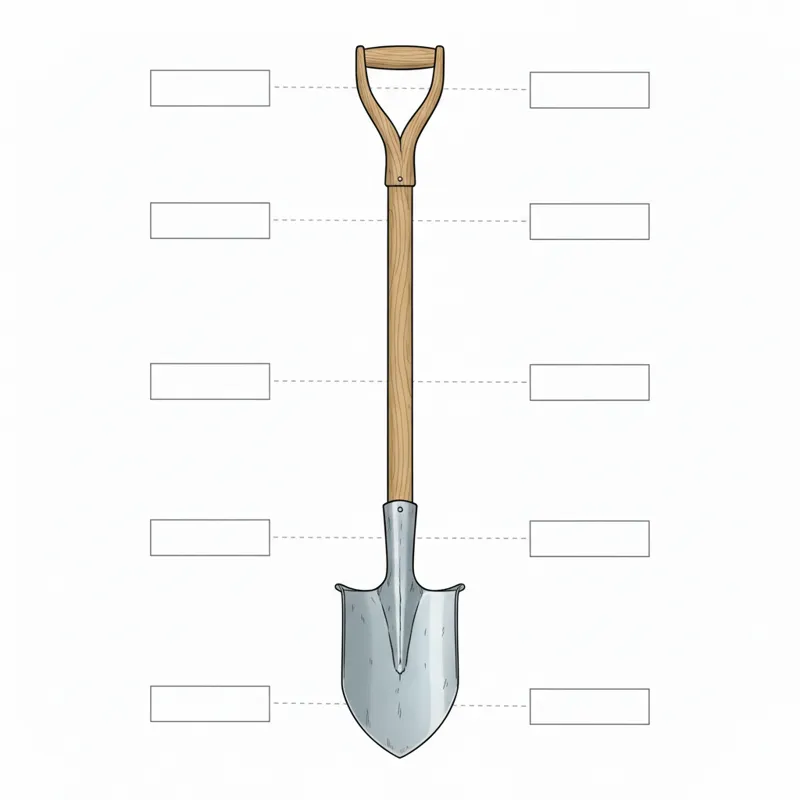
The Blade: Where Ground Meets Steel
The blade is the business end of the spade. Typically made from hardened steel, its design dictates much of the shovel’s effectiveness.
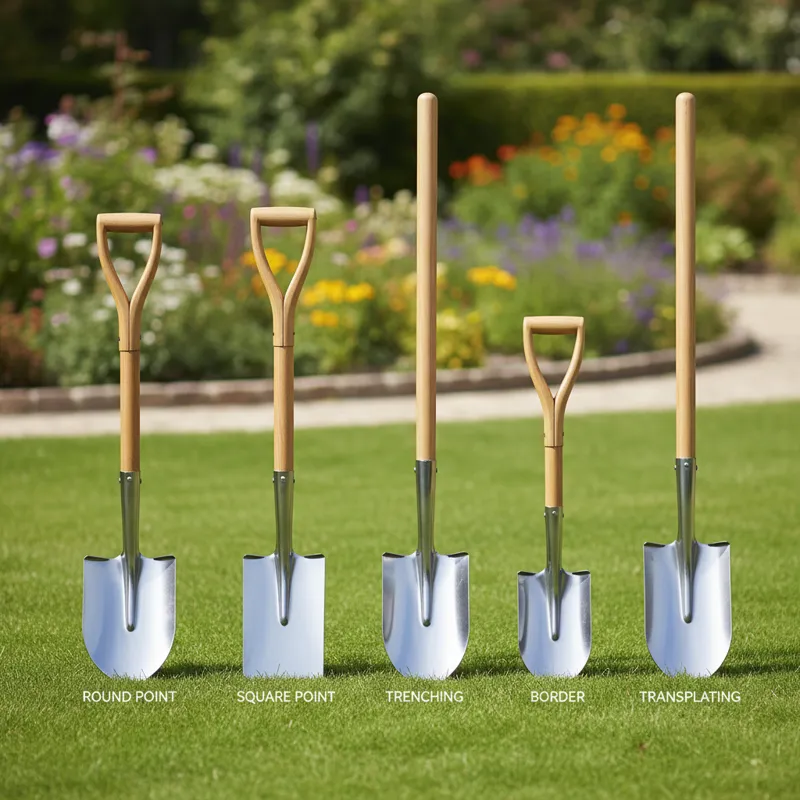
- Shape: Most spades feature either a round-point or a square-point blade.
- Round Point: This is the classic digging spade. Its tapered, often slightly curved tip penetrates hard-packed soil, clay, and rocky ground more easily by concentrating force into a smaller area. It’s excellent for initial digging, breaking new ground, or severing roots.
- Square Point: While less effective for initial penetration into tough soil, a square-point blade excels at creating clean edges, leveling surfaces, and scraping. It’s often preferred for trenching in softer ground, edging beds, or working with loose aggregates like gravel or sand.
- Lift/Dish: Some spade blades have a slight curve or “dish” which helps hold soil and prevent spillage when lifting. A flatter blade might be better for scraping or edging.
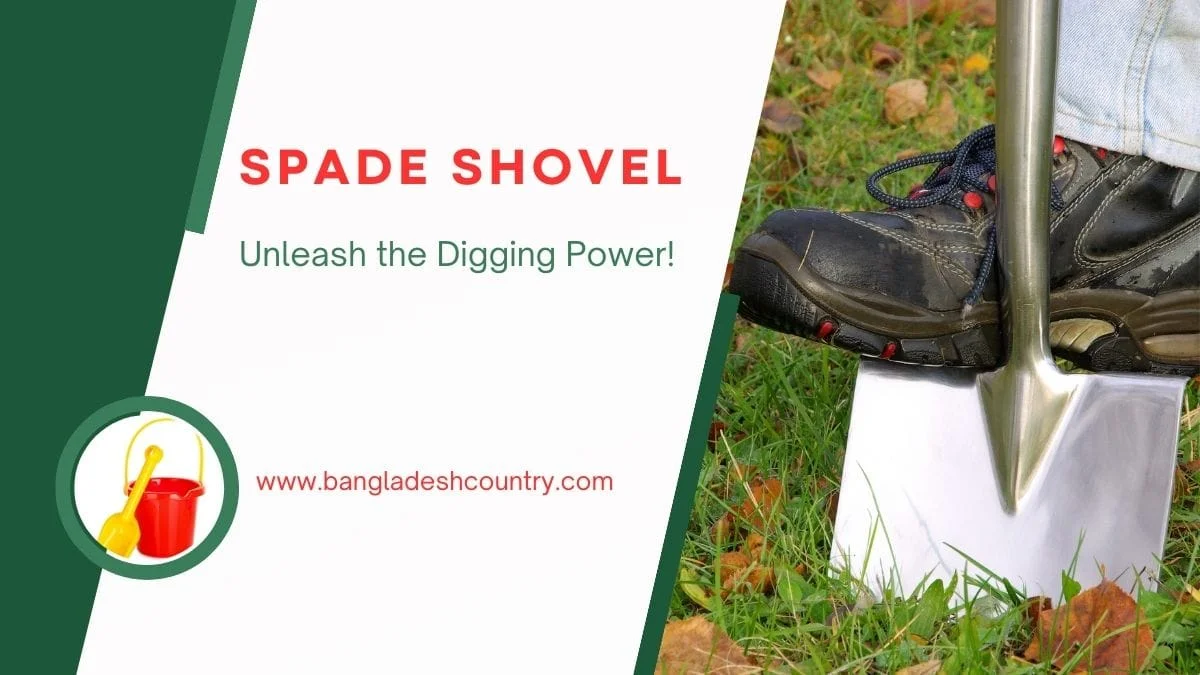
- Treads/Footpads: Many quality spade shovels feature raised treads on the top edge of the blade. These provide a stable, comfortable surface for your foot, allowing you to drive the blade deeper into the earth using your body weight, rather than solely arm strength. This leverage is key to efficient digging and reduces strain on your back and arms.
- Material and Gauge: High-carbon steel is common for its strength and ability to hold a sharp edge. The gauge (thickness) of the steel is critical for durability. Thicker, heavier gauge steel resists bending and warping better, especially when encountering roots or rocks. Stainless steel blades offer corrosion resistance but might be less robust for heavy-duty digging unless specifically engineered for it.
The Shaft: The Connection to Power
The shaft connects the handle to the blade and transmits the force you apply.
- Material:
- Wood (Ash, Hickory): Traditional and still popular. High-quality ash or hickory offers excellent flex, absorbing shock, and provides a warm, natural feel. However, wood can rot, splinter, or break if not maintained or if subjected to extreme stress.
- Fiberglass: Extremely strong, durable, and weather-resistant. Fiberglass shafts are often stiffer than wood, which translates more direct force to the blade but might transfer more shock to the user. They won’t rot or splinter, making them a low-maintenance choice.
- Steel/Aluminum: Less common for general spade shovels due to weight (steel) or flex (aluminum). Steel shafts are exceptionally strong but heavy, while aluminum is lighter but can bend under extreme load. Often seen in specialized or shorter-handled tools.
- Length: Shaft length significantly impacts leverage and ergonomics.
- Long-Handled: Provides maximum leverage, reducing the need to bend over significantly. Ideal for deeper digging and users with taller stature.
- D-Handle/Short-Handled: Offers greater control and maneuverability, especially in confined spaces or when working closer to the ground. The D-grip allows for a firm, two-handed grip for lifting and precise movements.
The Handle: Grip and Control
The handle is where you exert your primary force and control the spade.
- D-Grip: As mentioned, this handle shape is common on shorter spades, offering a secure grip for lifting and precise maneuvering. It’s excellent for tasks like transplanting or scooping.
- T-Grip: Found on some long-handled spades, offering a simpler, often lighter design.
- Straight/Plain Grip: A simple extension of the shaft, typically found on the longest spades. It allows for varied hand positions but offers less control than a D-grip for lifting.
- Ergonomics: Look for handles that fit comfortably in your hand, with smooth, non-slip surfaces. Some modern designs incorporate overmolded grips or specific angles to reduce wrist strain.
Choosing Your Spade Shovel: A 2026 Buyer’s Guide
Selecting the right spade shovel isn’t a one-size-fits-all proposition. It depends heavily on the tasks you’ll be performing and your physical comfort.
Task-Specific Considerations
Different digging tasks demand different spade designs:
- General Digging & Breaking New Ground: A classic round-point spade with a long handle is your best bet. It provides the leverage and penetration needed for tough soil. Look for robust construction and a good foot tread.
- Edging & Trenching: A square-point spade excels here for creating clean lines. For deeper, narrower trenches, consider a dedicated trench shovel, which features a long, narrow blade specifically designed for that purpose.
- Transplanting & Planting Shrubs: A border spade or transplanting spade is ideal. These have narrower, often shorter blades than a standard digging spade, allowing for more precise digging around root balls without disturbing surrounding plants.
- Working in Raised Beds or Tight Spaces: A short-handled, D-grip spade offers better control and maneuverability in confined areas.
- Moving Loose Material (Compost, Mulch): While a spade can do this, a scoop shovel or a flat-bladed square-point shovel will be far more efficient for moving large volumes of loose material.
Durability and Materials
Longevity is key, especially if you anticipate heavy use:
- Blade Material: Heat-treated, high-carbon steel is the industry standard for strength and edge retention. Look for blades explicitly forged or stamped from a single piece of steel, often extending up into the collar for added strength at the critical blade-to-shaft connection. Some premium blades feature epoxy powder coatings to reduce soil adhesion and prevent rust.
- Shaft Material: Fiberglass offers superior strength-to-weight ratio and weather resistance. For traditionalists, a high-quality, straight-grained ash or hickory handle, properly varnished, provides excellent shock absorption. Avoid cheaper woods that are prone to splintering or breaking.
- Connection Points: Examine how the blade connects to the shaft. A strong connection, often reinforced with rivets or a full-socket design where the shaft fits deep into the blade’s collar, is crucial. Welded joints should appear clean and robust.
Ergonomics and Comfort
An ergonomically designed spade shovel reduces strain and allows you to work longer and more comfortably.
- Handle Length: As discussed, match it to your height and task. For general digging, you should be able to stand relatively upright while holding the spade.
- Grip: A comfortable, non-slip grip is essential. Some handles feature padded or textured zones. The D-handle is often lauded for its ergonomic benefits in lifting.
- Weight: A heavier spade can leverage its own weight for penetration, but too heavy, and it becomes fatiguing to lift repeatedly. A lighter spade is easier to maneuver but might require more force to drive into tough soil. Find a balance that feels right for you.
- Foot Treads: Don’t underestimate these. Well-designed, wide foot treads distribute pressure across your boot, preventing soreness and allowing for effective application of body weight.
What Most People Get Wrong About Spade Shovels
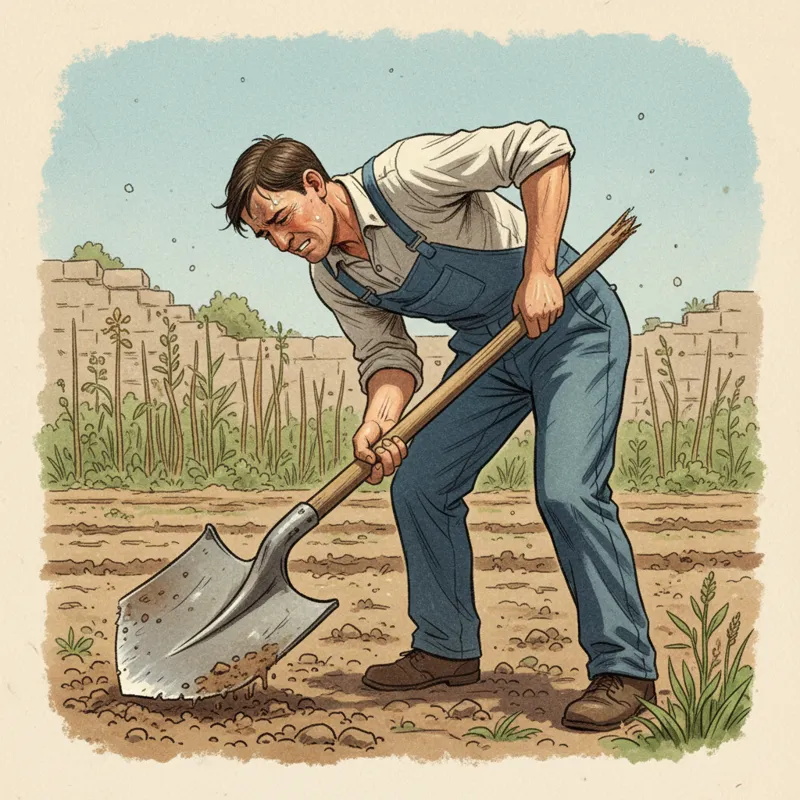
Many users approach their spade shovel with a “one size fits all” mentality or neglect basic care, severely limiting the tool’s effectiveness and their own comfort.
1. Using the Wrong Tool for the Job
The most common mistake is trying to make a general-purpose spade perform a specialized task it’s not designed for. Trying to dig a narrow, deep trench with a wide, round-point spade is inefficient and frustrating. Similarly, attempting to transplant delicate plants with a heavy, full-sized digging spade can damage root systems. Recognize that different spades, and even other digging tools like a digging fork or a garden fork, serve distinct purposes.
2. Neglecting Blade Sharpness
A dull spade blade dramatically increases the effort required to dig. A sharp edge cuts through soil and roots much more easily than a blunt one, which just pushes and tears. Regularly sharpen your spade with a file or grinder. Think of it like a knife; a sharp knife makes cooking easier, and a sharp spade makes digging easier.
3. Improper Digging Technique
Bending at the waist rather than at the knees, or relying solely on arm and back strength, is a fast track to injury. The correct technique involves:
- Using your foot on the blade’s tread to drive the spade into the ground.
- Leveraging the handle as a fulcrum to pry and lift soil.
- Keeping your back straight and lifting with your legs.
- Taking smaller, manageable scoops rather than attempting to move too much soil at once.
4. Skipping Maintenance
Leaving soil caked on the blade encourages rust. Dirt and grit can also wear down the shaft. After each use, clean the blade thoroughly with a wire brush or hose, dry it, and consider applying a light coat of oil to prevent rust. Inspect the handle for splinters or cracks and address them promptly. Proper care extends the life of your spade significantly.
Advanced Considerations and Innovations in 2026
While the fundamental design of a spade shovel remains constant, manufacturers continue to refine materials and ergonomics. In 2026, we see a continued focus on:
- Advanced Coatings: Non-stick coatings on blades, often ceramic or polymer-based, are becoming more prevalent. These reduce soil adhesion, making digging and cleaning easier, especially in heavy clay.
- Composite Handles: Beyond fiberglass, some companies are experimenting with composite materials that blend the flex of wood with the durability of synthetics, aiming for the best of both worlds.
- Modular Designs: While not widespread for spades, some niche tools offer interchangeable blades or handles, allowing for greater versatility and easier repair.
- Sustainability: There’s a growing push for tools made with recycled materials and more environmentally friendly manufacturing processes, without compromising performance. Consumers are increasingly valuing brands with transparent supply chains and ethical production.
FAQs: Your Top Spade Shovel Questions Answered
Here are some common questions people have when selecting and using a spade shovel.
Is there a difference between a spade and a shovel?
Yes, critically. A spade is designed primarily for digging and cutting through soil and roots. Its blade is typically straighter, narrower, and often sharpened. A shovel, particularly a scoop shovel, has a broader, dished blade designed for scooping and moving loose materials like gravel, mulch, or snow. While the terms are sometimes used interchangeably in casual conversation, their distinct designs serve different primary functions. For an authoritative reference, consider resources like Wikipedia’s entry on shovels.
How do I sharpen my spade shovel blade?
You can sharpen your spade using a mill file, an angle grinder, or a sharpening stone. The goal is to create a bevel on the top side of the blade, similar to how you’d sharpen an axe or a large knife. Hold the file at a consistent angle (around 20-30 degrees) and push away from you, always wearing appropriate hand and eye protection. A sharp blade reduces effort significantly.
What’s the best material for a shovel handle?
The “best” material depends on your preference and task. Fiberglass offers maximum durability and weather resistance, making it excellent for heavy, consistent use. High-quality ash or hickory provides natural flex and shock absorption, preferred by many for comfort. Steel is incredibly strong but heavy, typically reserved for very heavy-duty or specialized applications.
How do I prevent my spade shovel from rusting?
The best way is consistent maintenance. After each use, scrape off any caked-on dirt, rinse the blade thoroughly, and dry it completely. Applying a thin coat of oil (like linseed oil, motor oil, or even cooking oil) to the metal parts before storage will create a barrier against moisture and significantly reduce rust formation. Store it in a dry place, ideally hanging to keep it off the ground.
Can I use a spade shovel for breaking up concrete or rocks?
While a spade shovel is robust, it’s not designed for breaking concrete or prying large rocks. Using it for such tasks can bend or break the blade and potentially damage the handle. For concrete, you’d need a pickaxe or a sledgehammer. For large rocks, a digging bar or pry bar is the appropriate tool. Overstressing a spade shovel will significantly shorten its lifespan and could cause injury. Forbes Advisor offers some good insights into different shovel types and their ideal uses.
Are expensive spade shovels really worth it?
Often, yes. Higher-priced spades typically feature superior materials (e.g., thicker gauge, heat-treated steel, high-quality ash or fiberglass handles), better construction (e.g., forged blades, reinforced connections), and more ergonomic designs. These factors translate to greater durability, less effort, and increased comfort, making them a worthwhile investment for frequent users. A cheap spade might save you money upfront, but it’s likely to bend, break, or cause more fatigue, costing you more in the long run through replacements or physical strain. Even government agencies, such as the USDA, emphasize proper tool selection and maintenance for efficient work; a quality tool is an investment in efficiency and safety.
Choosing the right spade shovel is about understanding its mechanics, recognizing your specific needs, and investing in a tool that becomes an extension of your own effort. With the right spade, you’re not just digging; you’re cultivating efficiency and comfort in every stroke.