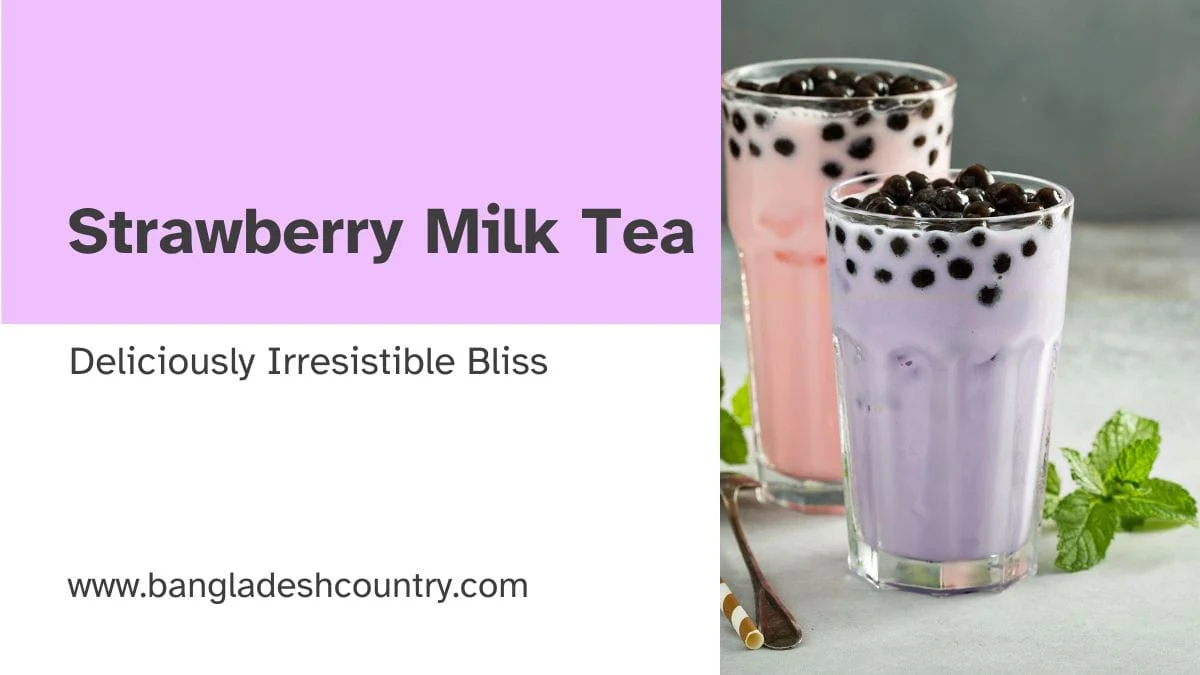
There’s a reason strawberry milk tea has become a modern classic in the world of boba. It’s more than just a drink; it’s a visual and textural experience. The gentle swirl of pastel pink against creamy white, the satisfying chew of tapioca pearls, and that perfect balance of fruity sweetness and robust tea—it’s a combination that feels both indulgent and refreshing. While it’s easy to find at nearly any tea shop, recreating that cafe-quality experience at home often feels just out of reach. The results can be too sweet, disappointingly artificial, or watery and weak. The truth is, a truly exceptional homemade strawberry milk tea isn’t about complex techniques; it’s about understanding the components and using the right approach. This guide breaks down exactly how to move beyond the powdered mixes and bottled syrups to create a drink that’s genuinely, irresistibly delicious.
What Exactly Is Strawberry Milk Tea?

At its core, strawberry milk tea is a simple assembly of four key elements. Understanding how they work together is the first step to mastering the drink.
- The Tea Base: This is the backbone. It provides depth, a subtle bitterness, and the characteristic astringency that cuts through the creaminess and prevents the drink from being cloyingly sweet. Without a good tea base, you just have strawberry milk.
- The Strawberry Element: This is the star flavor. It can come from a fresh fruit purée, a cooked-down syrup, or a commercial powder. The quality of this component single-handedly determines whether your drink tastes like fresh-picked berries or candy.
- The Milk: This component provides the creamy texture and rich mouthfeel. It mellows the tea’s tannins and binds the flavors together. The choice of dairy or non-dairy milk significantly impacts the final taste and consistency.
- The Toppings: Most famously, this means boba—the chewy tapioca pearls that make bubble tea what it is. Their texture and subtle sweetness add a crucial, playful dimension.
The magic happens when these four parts are in balance. The tea grounds the flavor, the milk adds richness, the strawberry provides bright sweetness, and the boba offers a satisfying chew. When one element is off, the whole experience suffers.
The Foundation: Choosing and Brewing Your Tea
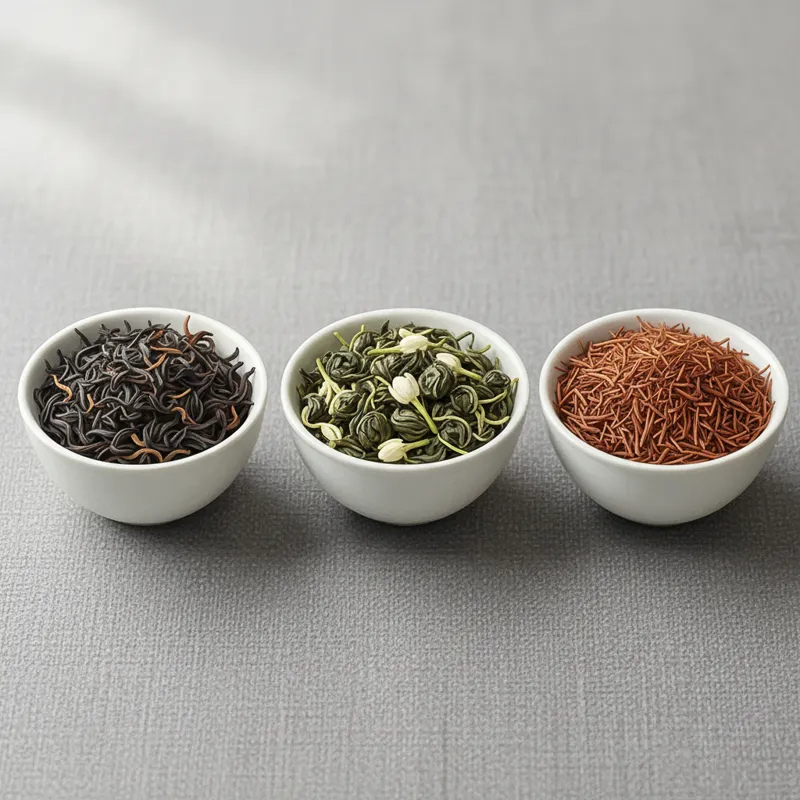
Never underestimate the tea. Using a weak, flavorless tea is the fastest way to a mediocre milk tea. You need a brew that is strong enough to not get lost behind the milk and strawberry.
Classic Choices (Caffeinated):
- Assam Black Tea: This is the workhorse of many boba shops. It has a robust, malty flavor that stands up beautifully to milk and sugar. It’s a foolproof choice for a classic, rich taste.
- Ceylon Black Tea: A bit more brisk and crisp than Assam, Ceylon offers a bold flavor with subtle citrus notes that can brighten the strawberry flavor.
- Jasmine Green Tea: For a lighter, more floral experience. The fragrant jasmine aroma pairs wonderfully with strawberry, creating a more delicate and aromatic drink. Just be careful not to over-steep, as it can become bitter quickly.
Caffeine-Free Options:
- Rooibos: This South African red bush tea is naturally caffeine-free and has a smooth, slightly sweet, and earthy flavor that complements fruit well. It’s an excellent alternative for an evening treat.
To brew, use about 1.5 to 2 times the amount of tea leaves or bags you would for a regular cup. Steep black teas and rooibos with water just off the boil (around 200-212°F) for 4-5 minutes. For green tea, use cooler water (around 175°F) and steep for only 2-3 minutes. The goal is a strong concentrate. Once brewed, let it cool completely—adding hot tea to ice is the secret to a watery drink.
The Strawberry Element: Fresh vs. Syrup vs. Powder

This is where you have the most control over the final flavor profile. Your choice here makes the difference between a good drink and a great one.
The Gold Standard: Homemade Fresh Strawberry Syrup
This is, without question, the best route. It captures the authentic, nuanced flavor of real strawberries. It’s also surprisingly simple.
Simple Recipe: Combine 1 cup of chopped strawberries (fresh or frozen), 1/2 cup of white sugar, and 2 tablespoons of water in a small saucepan. Bring to a simmer over medium heat, stirring and mashing the berries with a spoon as they soften. Let it gently bubble for 10-15 minutes until the sauce has thickened and the berries have broken down. For a brighter flavor, add a squeeze of lemon juice at the end. Let it cool completely. This method concentrates the fruit’s essence, a principle also seen in how a freeze dried ice cream sandwich achieves its intense flavor by removing water.
The Convenient Backup: Store-Bought Syrups
If you’re short on time, a store-bought syrup can work. However, you need to be selective. Many are little more than high-fructose corn syrup and artificial flavoring. Look for brands that list “strawberries” or “strawberry purée” as the first or second ingredient. These will give you a much better result than the bright red, candy-like dessert toppings.
The Last Resort: Powders
Boba powders are a mix of non-dairy creamer, sugar, and flavoring. While they offer consistency and speed, they rarely taste like real fruit. They are the base for many “what is in a pink bubble tea” queries when the flavor is generic and sweet. We can do much better.
Dairy & Non-Dairy: Perfecting the Creaminess
The milk you choose impacts both the flavor and texture. There are no wrong answers, only different results.
Dairy Options:
- Whole Milk: The classic choice for a reason. Its fat content provides a rich, creamy mouthfeel that balances the tea perfectly.
- Half-and-Half: For an ultra-luxurious, dessert-like drink. Use it sparingly or mix it with whole milk, as it can easily overpower the tea.
Non-Dairy Options:
- Oat Milk: The current champion of the non-dairy world for milk tea. It’s incredibly creamy and has a neutral flavor that lets the strawberry and tea shine. Barista blends are especially good as they are formulated not to separate in drinks.
- Almond Milk: A lighter option. It’s less creamy and can have a slightly nutty aftertaste that some people enjoy and others don’t.
- Soy Milk: A solid, creamy choice with a distinct flavor. It’s a classic partner for tea in many Asian beverages.
You can also experiment with non-dairy creamers. Many of the principles used to identify the best sugar free coffee creamer picks apply here; look for creaminess and a neutral flavor profile that won’t clash with the fruit.
The Star of the Show: Cooking Boba Pearls Perfectly
The “boba” or “bubble” in bubble tea refers to the delightfully chewy tapioca pearls. Cooking them correctly is non-negotiable for an authentic experience. Their unique texture is often described as “QQ” in Taiwan, a term for a perfectly soft, springy, and chewy mouthfeel. According to Wikipedia’s entry on Bubble Tea, this textural component is as important as the flavor itself.
Always buy high-quality, quick-cook boba from an Asian grocery store or online. Avoid the pre-cooked, vacuum-sealed pouches if you can; they lack the perfect QQ chew.
Foolproof Boba Instructions:
- Boil Water: Use a lot of water—at least 8 cups for every 1/2 cup of dry pearls. Bring it to a rolling boil.
- Add Pearls: Gently add the dry pearls and stir immediately to prevent them from sticking. They should float to the surface within a minute.
- Cook: Turn the heat to medium and cook according to the package directions, usually around 5-8 minutes. Stir occasionally.
- Rest: This is the crucial step. Turn off the heat, cover the pot, and let the pearls rest for another 5-8 minutes. This allows them to finish cooking through to the center.
- Rinse & Sweeten: Drain the pearls and briefly rinse them with cool water. Immediately transfer them to a bowl and mix with 2-3 tablespoons of brown sugar or honey. This not only sweetens them but also prevents them from clumping.
Boba is best consumed within a few hours of cooking. It will harden and become unpleasant if refrigerated.
The Ultimate Homemade Strawberry Milk Tea Recipe
Now, let’s put it all together. This recipe prioritizes fresh, authentic flavor.
Yields: 2 servingsPrep time: 25 minutes
Ingredients:
- 1 cup cooked boba pearls in brown sugar syrup (from 1/2 cup dry)
- 1 cup strong, chilled black or green tea
- 1 cup milk of choice (whole or oat milk recommended)
- 1/2 cup homemade strawberry syrup (see recipe above)
- Ice cubes
Instructions:
- Prepare Components: Ensure your tea is brewed and fully chilled, your strawberry syrup is cool, and your boba pearls are cooked, sweetened, and still warm.
- Layer the Syrup: Divide the strawberry syrup between two tall glasses. Swirl it around to coat the inside walls for a beautiful visual effect.
- Add Boba: Spoon the warm boba pearls and their brown sugar syrup into the bottom of each glass.
- Add Ice: Fill the glasses about three-quarters full with ice cubes. This is key to keeping the drink cold without diluting it too quickly.
- Pour the Milk: Slowly pour the milk over the ice. You will see it begin to mix with the strawberry syrup, creating lovely pink swirls.
- Top with Tea: Gently pour the chilled tea over the top to finish the drink.
- Serve Immediately: Add a wide boba straw, give it a good stir to combine all the layers, and enjoy.
Common Mistakes to Avoid (What Most People Get Wrong)
A few simple missteps can ruin your efforts. Here’s what to watch out for.
-
- Using Hot Tea: Pouring hot or even warm tea directly over ice is a recipe for a diluted, watery drink. Always chill your tea completely first.
- Not Sweetening the Boba: Plain, unsweetened boba pearls taste like starchy paste. Soaking them in a brown sugar syrup after cooking is essential for both flavor and texture.
–Under-brewing the Tea: Remember, you’re adding a lot of milk, sugar, and ice. A standard-strength tea will get completely lost. Make a strong concentrate.
- Relying on Artificial Flavor: The single biggest upgrade you can make is switching from artificial syrup or powder to a simple homemade version with real fruit. The flavor difference is night and day.
Delicious Variations and Customizations
Once you’ve mastered the classic, the fun really begins. The strawberry milk tea is a fantastic base for experimentation.
- Strawberry Matcha Latte: A powerhouse combination. Whisk 1-2 teaspoons of high-quality matcha powder with a few tablespoons of hot water to form a paste, then top with milk and your strawberry syrup. The earthy, slightly bitter matcha is a perfect counterpoint to the sweet berry.
- Strawberry Cheesecake Milk Tea: Create a “cheese foam” topping by whipping together 2 oz cream cheese, 1/4 cup heavy cream, 2 tbsp milk, and 1 tbsp sugar with a pinch of salt until smooth and pourable. Float it on top of your finished drink.
- Sparkling Strawberry Tea: For a non-creamy, refreshing twist, skip the milk and top your strawberry syrup and tea with sparkling water or club soda. This is closer to a “fruit tea” than a “milk tea.”
Food Pairings: What Goes Well with Strawberry Milk Tea?
While it’s a perfect standalone treat, this drink also pairs surprisingly well with a variety of foods.
The sweetness and creaminess are fantastic for cutting through the richness and spice of savory snacks like Taiwanese popcorn chicken, spicy fries, or takoyaki. On the sweet side, it complements lighter fare like Japanese mochi, French macarons, or simple butter cookies.
Think of it as a flavorful counterpoint. The drink’s profile is very different from the smoky, intense flavors you’d get from something prepared on a barbeque big green egg, and so its pairings are lighter and often either fried and salty or delicate and sweet.
Frequently Asked Questions
What is in a pink bubble tea?
While “pink bubble tea” can refer to several flavors, the most common are strawberry and rose. Strawberry is known for its sweet, fruity, and slightly tart flavor, while rose is more floral and perfumed. This recipe focuses on creating the best possible strawberry version.
Can I make strawberry milk tea ahead of time?
You can prepare some components in advance. The tea concentrate and strawberry syrup can be made and stored in the refrigerator for up to 3-4 days. However, the boba pearls must be cooked and consumed fresh, ideally within 4-6 hours, as they will harden and lose their chewy texture.
Is strawberry milk tea caffeinated?
Typically, yes. If you use a black or green tea base, it will contain caffeine. For a caffeine-free version, simply substitute the tea with a brewed and chilled rooibos tea or a decaffeinated black tea.
How many calories are in a strawberry milk tea?
This varies wildly based on ingredients. A large, cafe-made version with whole milk and full sugar can range from 300 to 500 calories. Making it at home gives you control. Using unsweetened almond milk, less syrup, and a natural sweetener can significantly reduce the calorie count. For reference, one cup of whole strawberries contains about 50 calories, according to the USDA’s FoodData Central, making a homemade syrup a relatively wholesome choice.
What is the difference between strawberry fruit tea and milk tea?
The key difference is milk. A strawberry fruit tea typically consists of a tea base (often green or oolong), strawberry syrup or purée, and ice, sometimes topped with sparkling water. It’s lighter and more transparent. Strawberry milk tea adds a dairy or non-dairy milk, which transforms the drink into a creamy, opaque, and richer beverage.
Disclaimer: The recipes, nutritional information, and food or beverage content on bangladeshcountry.com are provided for general informational purposes only. We are not certified nutritionists or dietitians. Ingredients may cause allergic reactions or conflict with specific diets. Always consult a qualified healthcare professional regarding any dietary changes, health conditions, or food allergies. Reliance on this information is solely at your own risk.