

Chinese tea isn’t merely a beverage; it’s a centuries-old tradition, a cultural touchstone, and for many, a daily ritual deeply interwoven with wellness. In 2026, as interest in holistic health and mindful consumption continues to grow across the United States, understanding the true scope of Chinese tea moves beyond simply grabbing a teabag. It’s about recognizing a complex world of distinct categories, intricate processing methods, and a spectrum of flavors and aromas, each offering a unique experience and potential benefit. For newcomers, the sheer diversity can feel daunting, but demystifying this ancient elixir reveals a path to appreciating its depth and integrating it into a modern lifestyle.
The Six Pillars: A Categorization of Chinese Tea
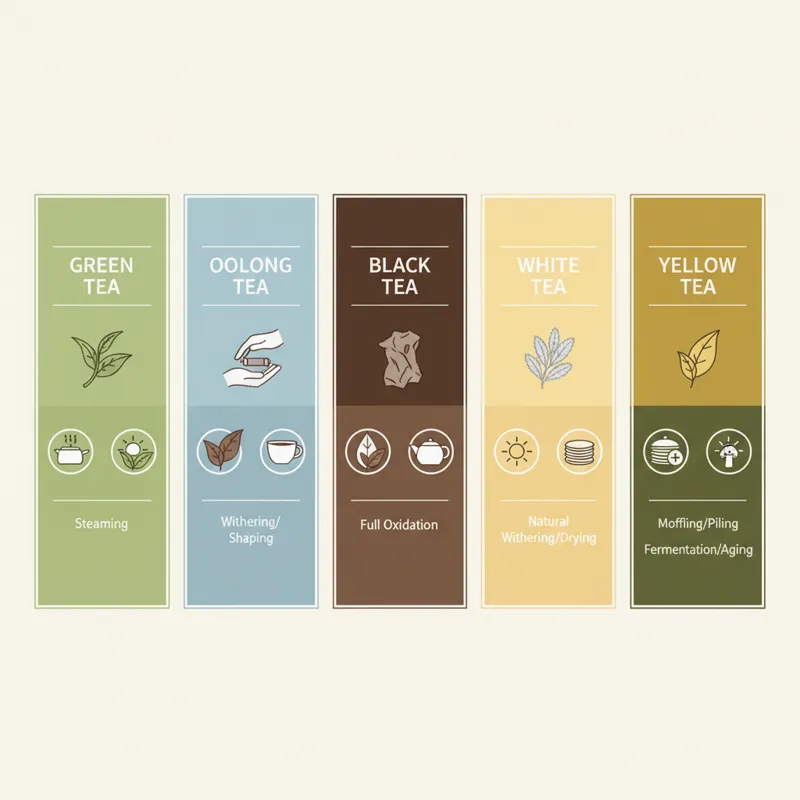
Understanding Chinese tea starts with its primary categories. Unlike coffee, where varietals are often defined by bean type and roast, tea is categorized by its processing. All true tea originates from the same plant, Camellia sinensis. The magic happens in how the leaves are handled after harvest.
Green Tea: Freshness Unveiled
Green tea is perhaps the most globally recognized Chinese tea, celebrated for its vibrant character and minimal processing. After picking, the leaves are quickly heated—either pan-fired or steamed—to prevent oxidation. This crucial step locks in their fresh, often grassy or nutty flavors and preserves the leaf’s natural green color.
- Processing: Withering (optional, brief) → Kill-green (fixing) → Rolling → Drying.
- Flavor Profile: Ranges from fresh and vegetal to savory, sometimes with hints of marine or sweet undertones.
- Popular Varieties:
- Longjing (Dragon Well): From Hangzhou, famous for its flat, smooth leaves and sweet, nutty taste.
- Bi Luo Chun (Green Snail Spring): A delicate tea with a fruity, floral aroma, often described as having a rich, lingering aftertaste.
- Gunpowder: Recognizable by its tightly rolled pellets, offering a bold, slightly smoky flavor.
Brewing green tea typically involves cooler water (around 175-185°F or 80-85°C) and shorter steep times to prevent bitterness. Its nuanced flavors are easily overwhelmed by excessive heat or prolonged steeping.
Oolong Tea: The Art of Partial Oxidation
Oolong tea represents a fascinating middle ground between green and black teas. Its production involves a complex process of partial oxidation, carefully controlled to create a wide spectrum of flavors and aromas. The leaves are withered, bruised, and then allowed to oxidize for a specific duration, which can range from 8% to 80%.
- Processing: Withering → Bruising/Tossing → Partial Oxidation → Kill-green → Rolling → Drying.
- Flavor Profile: Incredibly diverse, from light, floral, and fruity (lighter oxidized) to robust, malty, and roasted (heavier oxidized).
- Popular Varieties:
- Tie Guan Yin (Iron Goddess of Mercy): A highly prized, lightly oxidized oolong from Fujian, known for its buttery, floral, and subtly sweet notes.
- Da Hong Pao (Big Red Robe): A heavily oxidized Wuyi rock oolong, offering a distinctive mineral taste, often described as having a complex roasted, woody character.
- Dong Ding: A Taiwanese oolong with a smooth, sweet taste and fragrant aroma.
Oolong often shines with Gongfu brewing methods, allowing its layered flavors to unfold over multiple infusions. Its versatility makes it a favorite for many exploring Chinese tea for the first time, offering significant oolong tea benefits for both taste and potential wellness.
Black Tea: Full-Bodied & Robust
Known as ‘red tea’ (紅茶, hóngchá) in China due to the reddish hue of its brewed liquor, black tea undergoes full oxidation. This process transforms the catechins in the leaves into theaflavins and thearubigins, giving black tea its characteristic dark color, strong flavor, and often malty or fruity notes. It’s the most common tea consumed in Western cultures, often with milk and sugar.
- Processing: Withering → Rolling → Full Oxidation → Drying.
- Flavor Profile: Robust, malty, sometimes spicy, fruity, or honey-like.
- Popular Varieties:
- Keemun (Qimen): From Anhui province, famous for its rich, wine-like aroma and subtle hint of fruitiness.
- Lapsang Souchong: A distinctive black tea from Fujian, traditionally smoke-dried over pine fires, imparting a unique smoky flavor.
- Dianhong (Yunnan Black Tea): Often characterized by golden tips, offering a sweet, malty flavor with notes of chocolate or caramel.
Black teas generally tolerate higher brewing temperatures (near boiling, 200-212°F or 93-100°C) and longer steep times without becoming overly bitter, making them quite forgiving.
White Tea: Delicate & Minimally Processed
White tea is celebrated for its delicate flavor and incredibly minimal processing. It involves simply harvesting young tea buds and leaves, then allowing them to wither and dry naturally, often in the sun. This preserves the delicate silvery hairs on the buds, giving white tea its name and subtle appearance.
- Processing: Withering → Drying (minimal to no rolling or oxidation).
- Flavor Profile: Extremely subtle, sweet, sometimes floral or fruity, with a smooth mouthfeel.
- Popular Varieties:
- Bai Hao Yin Zhen (Silver Needle): Composed solely of young, unopened tea buds, offering the most delicate and sweet flavor.
- Bai Mu Dan (White Peony): A blend of buds and young leaves, providing a slightly fuller body than Silver Needle but still very smooth.
White tea is best brewed with cooler water (170-180°F or 75-80°C) and longer steeping times to coax out its nuanced characteristics without scorching the delicate leaves.
Pu-erh Tea: The Art of Fermentation & Aging
Pu-erh (also spelled Puer) tea is unique due to its post-fermentation process, where microbes actively transform the tea leaves. It originates from Yunnan province and is often compressed into cakes, bricks, or “tuocha” bowls. Pu-erh is categorized into two main types: Sheng (raw) and Shu (ripe).
- Processing (Sheng/Raw): Withering → Kill-green → Rolling → Sun-drying → Aging/Natural Fermentation.
- Processing (Shu/Ripe): Withering → Kill-green → Rolling → Sun-drying → Piling/Accelerated Fermentation → Aging.
- Flavor Profile:
- Sheng Pu-erh: Starts fresh, vegetal, and sometimes bitter when young, developing complex earthy, woody, fruity, and medicinal notes with age.
- Shu Pu-erh: Often characterized by deep earthy, woody, mushroomy, and smooth flavors, a result of its accelerated fermentation.
Many Pu-erh connoisseurs treat it like fine wine, collecting and aging it for decades. The history and complexity of Pu-erh tea history are vast, with some aged cakes fetching considerable prices due to their unique flavor development.
Yellow Tea: The Rare Gem
Yellow tea is one of the rarest Chinese teas, characterized by an extra step in its processing called ‘men huan’ or ‘smothering yellow.’ After the kill-green step, the leaves are gently heated and then wrapped in cloth or paper, allowing them to yellow slightly through a non-enzymatic oxidation. This removes some of the grassy notes found in green tea, resulting in a smoother, mellower flavor.
- Processing: Withering → Kill-green → Rolling → Smothering Yellow → Drying.
- Flavor Profile: Mellow, smooth, often sweet, with hints of roasted grains or fresh peas, lacking the typical “green” taste.
- Popular Varieties: Junshan Yinzhen, Meng Ding Huangya.
Due to its rarity and specific processing, yellow tea is often a connoisseur’s choice, offering a unique bridge between green tea’s freshness and oolong’s complexity.
Beyond the Six: Scented and Flower Teas
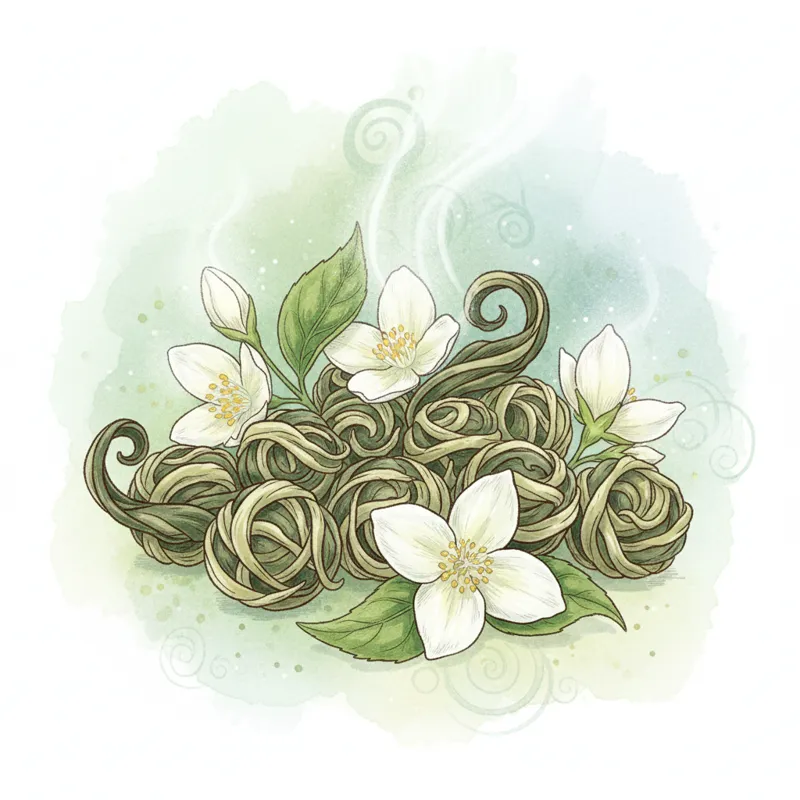
While the six main categories are defined by processing the Camellia sinensis leaf, China also has a rich tradition of scented and flower teas. These often use a base tea (typically green or white) that is infused with the aroma of fresh flowers.
- Jasmine Tea: The most famous example, where green tea leaves are repeatedly layered with fresh jasmine blossoms, allowing the tea to absorb the flowers’ delicate fragrance. The result is a beautifully aromatic brew. The distinctive Jasmine tea aroma is immediately recognizable and highly sought after.
- Chrysanthemum Tea: Made solely from chrysanthemum flowers, this infusion is caffeine-free and often lauded for its cooling properties.
- Rose Tea: Green or black tea scented with rose petals, or an infusion solely of rosebuds, offering a fragrant and often calming experience.
These teas prioritize aromatic pleasure, often serving as a gentler introduction to Chinese tea for those accustomed to herbal infusions.
The Healing Elixir: Chinese Tea and Wellness
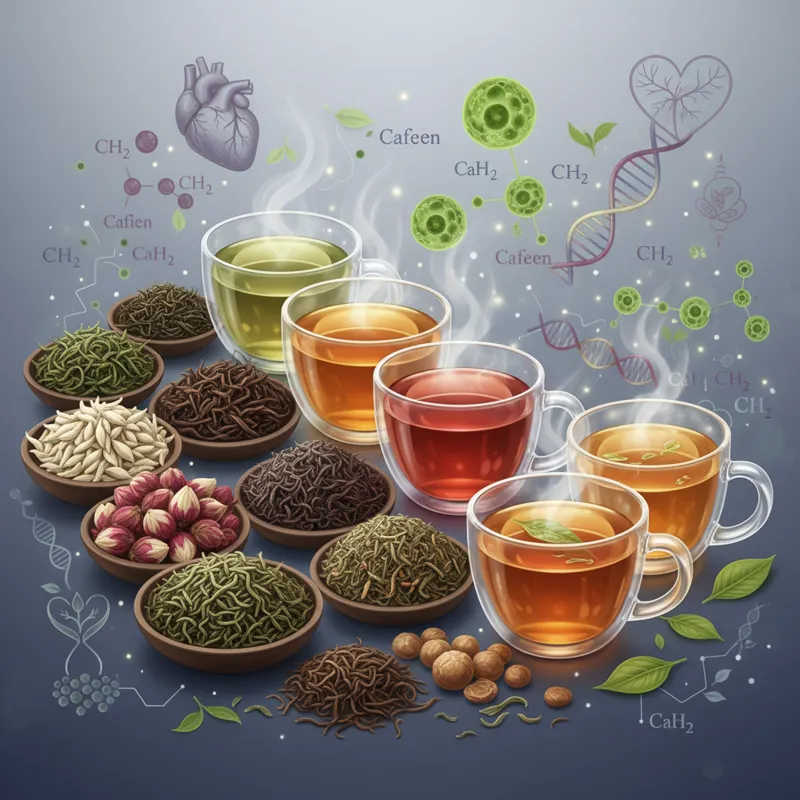
The reputation of Chinese tea as a healing elixir isn’t just folklore; it’s rooted in centuries of observation and a growing body of scientific inquiry. While not a medical treatment, regular consumption of Chinese tea, especially high-quality loose leaf varieties, is associated with various health-promoting properties.
Disclaimer: While anecdotal evidence and some scientific studies suggest potential health benefits, tea should not be considered a substitute for professional medical advice, diagnosis, or treatment. Always consult with a healthcare provider for any health concerns or before making significant dietary changes.
Key Wellness Aspects:
- Antioxidant Power: All teas contain polyphenols, particularly catechins (like EGCG in green tea) and flavonoids, which act as powerful antioxidants. These compounds help combat oxidative stress in the body, which is linked to various chronic diseases.
- Cardiovascular Health: Research suggests that regular tea consumption may contribute to better heart health by helping to lower LDL (“bad”) cholesterol, improve blood vessel function, and reduce the risk of stroke and heart disease.
- Cognitive Function: The combination of caffeine and L-theanine in tea provides a unique ‘calm alertness.’ L-theanine, an amino acid, promotes relaxation and focus without the jitters often associated with coffee, potentially enhancing attention and cognitive performance.
- Digestive Support: Particularly Pu-erh tea, both Sheng and Shu, are often consumed after heavy meals in Chinese culture for their purported digestive benefits. Some individuals report feeling lighter and less bloated after drinking Pu-erh.
- Weight Management: While not a magic bullet, some studies indicate that catechins in green tea can slightly boost metabolism and fat oxidation. However, these effects are generally modest and best observed as part of a balanced diet and active lifestyle.
- Oral Health: Tea contains compounds that can inhibit the growth of bacteria associated with dental plaque and bad breath.
The extent of these benefits can vary significantly based on tea type, quality, brewing method, and individual physiology. Opting for loose leaf green tea varieties or high-grade oolongs often means a richer concentration of beneficial compounds compared to lower-quality, pre-packaged options.
Mastering the Brew: Gongfu vs. Western Styles
How you brew your Chinese tea profoundly impacts its taste. There are two primary approaches:
Gongfu Tea Brewing Guide: The Ritual of Refinement
The Gongfu tea brewing guide (功夫茶, gōngfuchá) is a traditional Chinese method that emphasizes precision and multiple, short infusions. It’s designed to extract the full spectrum of flavors and aromas from high-quality loose-leaf teas, especially Oolongs and Pu-erhs.
- Equipment: You’ll need a small teapot (often Yixing clay or gaiwan), a fair cup (Gongdaobei), small tasting cups, and a tea tray (chapan).
- Warm the Vessels: Pour hot water into your teapot/gaiwan and cups, then discard. This ensures the tea stays warm throughout the process.
- Rinse the Tea (Optional but Recommended for Pu-erh): Add your tea leaves (a generous amount, often 1:15 tea-to-water ratio by volume) to the teapot. Pour hot water over them, immediately discard. This “wakes up” the leaves and washes away any dust.
- First Infusion: Pour hot water (at the appropriate temperature for your tea) over the leaves. Steep for a very short time, usually 10-20 seconds.
- Pour and Serve: Pour the tea from the teapot into the fair cup, then distribute into the small tasting cups. This ensures an even brew for all.
- Multiple Infusions: Re-infuse the leaves, gradually increasing steeping time by 5-10 seconds for each subsequent brew. High-quality teas can yield 5-15 infusions, with flavors evolving.
Gongfu brewing is a meditative process, allowing you to observe the tea’s transformation and appreciate its intricate layers. It’s about slowing down and engaging with the tea.
Western Brewing: Simplicity & Volume
The Western method is more straightforward, designed for larger volumes and fewer infusions.
- Equipment: A larger teapot or mug with an infuser.
- Tea Amount: Typically 1 teaspoon (2-3 grams) of tea per 8 oz (240 ml) of water.
- Water Temperature: Heat water to the specific temperature for your tea type (e.g., 175-185°F for green tea, 200-212°F for black tea).
- Steeping: Add tea to infuser, place in hot water, and steep for 2-4 minutes. Adjust time based on desired strength.
- Serve: Remove infuser and pour.
This method is convenient for everyday enjoyment, though it might not reveal the full depth of flavor that a Gongfu approach offers, especially for more complex teas. Many people find their perfect cup of blueberry old fashioned in the morning needs a certain consistency, and Western tea brewing offers similar reliability for daily rituals.
What Most People Get Wrong About Chinese Tea
It’s easy to misunderstand aspects of Chinese tea, especially when you’re just starting. Here are a few common misconceptions:
Many assume all green tea tastes the same. In reality, the spectrum of green tea flavors is vast, from the oceanic notes of some Japanese senchas to the nutty sweetness of Chinese Longjing. Focusing on specific regions and processing methods within the green tea category can unlock surprising diversity.
Another common error is brewing all teas with boiling water. This is particularly detrimental to delicate teas like green and white varieties, which become bitter and astringent when subjected to excessive heat. Using precise water temperatures is a foundational element to unlocking their true character.
Furthermore, many beginners in the U. S. might believe that tea quality is solely about price. While high-grade teas often cost more, true quality also encompasses freshness, proper storage, and suitability for one’s own taste preferences. An expensive Pu-erh might be wasted on someone who prefers a light, floral oolong. It’s about finding the right tea for you, not just the most expensive option.
Lastly, there’s a tendency to rush the tea experience. The ritual of Chinese tea, particularly Gongfu style, is about patience and mindfulness. Rushing through infusions or neglecting the subtle changes in flavor across steeps means missing a significant part of the appreciation. Just as understanding if old fashioned oats are gluten free requires a moment of thought, appreciating tea often demands a pause and some specific knowledge.
Sourcing Your Elixir: Best Online Tea Stores & Quality Tips
With the rise of e-commerce, access to quality Chinese tea has never been easier for the US market. However, knowing where to buy and what to look for is crucial. The best online tea stores often specialize in specific regions or types of tea, offering detailed descriptions, origin information, and sometimes even tasting notes.
Tips for Identifying Quality:
- Whole Leaves: Look for whole, unbroken leaves. Broken leaves and dust indicate lower quality and often brew a bitter cup.
- Appearance: Quality tea leaves often have a consistent color and shape for their type. For green tea, a vibrant green is usually a good sign. For white tea, silvery buds indicate higher grade.
- Aroma: Good quality tea, even dry, should have a distinct, pleasant aroma. Avoid teas with a flat, dusty, or overly chemical smell.
- Reputable Vendors: Purchase from specialty tea shops or online retailers with a strong reputation, transparent sourcing, and detailed product information. Read reviews and look for vendors who provide information about the tea’s harvest date and origin.
- Storage: Tea should be stored in an airtight, opaque container away from light, heat, moisture, and strong odors. This preserves its freshness and flavor.
Many online purveyors now offer sample sizes, allowing you to explore different types and find what resonates with your palate before committing to a larger purchase. This approach aligns with the mindful discovery you’d employ when curating other personal comforts, much like selecting the best 7 Sleeping Beauty bed luxuries for your bedroom.
Frequently Asked Questions About Chinese Tea
What is the healthiest Chinese tea?
There isn’t a single “healthiest” Chinese tea, as each offers unique compounds and benefits. Green tea (rich in EGCG) and white tea (high in antioxidants due to minimal processing) are often cited for their health properties. Pu-erh is valued for its digestive support. The “healthiest” tea is often the one you enjoy consistently as part of a balanced lifestyle, without added sugars or artificial flavors.
Can I drink Chinese tea every day?
Yes, many people drink Chinese tea daily. Most Chinese teas contain caffeine, so moderate consumption is advised, especially for those sensitive to caffeine. It’s also important to stay hydrated by drinking water throughout the day. Listen to your body and adjust consumption as needed.
What is the difference between Chinese tea and Japanese tea?
Both Chinese and Japanese teas originate from Camellia sinensis, but their processing methods, flavor profiles, and cultural traditions differ significantly. Japanese green teas (like Sencha, Matcha) are typically steamed, resulting in more vegetal, umami, and often marine notes. Chinese green teas are often pan-fired, leading to nuttier, toastier, or sometimes more floral profiles. Japanese tea culture often emphasizes precise rituals (like Chadō), while Chinese tea culture can be equally elaborate (Gongfu Cha) but also highly varied by region.
How long does loose leaf Chinese tea last?
Most loose leaf Chinese teas are best consumed within 12-18 months for optimal freshness. Green and white teas are most delicate and should be consumed sooner (within 6-12 months). Oolongs and black teas can last longer, often 1-2 years. Pu-erh tea, especially Sheng Pu-erh, is unique as it’s designed to age and can improve over decades if stored correctly.
Is Chinese tea usually caffeinated?
Most true Chinese teas (from Camellia sinensis) contain caffeine. The amount varies significantly by tea type, processing, brewing method, and even specific cultivar. Generally, green and black teas tend to have higher caffeine levels, while white tea can have varying amounts. Pu-erh and oolong also contain caffeine. Herbal infusions like chrysanthemum or goji berry teas are naturally caffeine-free.
The journey into Chinese tea is one of continuous discovery, offering not just a delightful beverage but a connection to ancient traditions and a pathway to subtle wellness. By understanding its foundational categories, appreciating diverse brewing techniques, and knowing how to source quality leaves, you can confidently explore this rich, healing elixir.
Disclaimer: The recipes, nutritional information, and food or beverage content on bangladeshcountry.com are provided for general informational purposes only. We are not certified nutritionists or dietitians. Ingredients may cause allergic reactions or conflict with specific diets. Always consult a qualified healthcare professional regarding any dietary changes, health conditions, or food allergies. Reliance on this information is solely at your own risk.


