The question of whether old fashioned oats are truly gluten-free is one of the most persistent and critical topics for anyone navigating a gluten-free diet, especially those with celiac disease or significant gluten sensitivity. While the oat grain itself, Avena sativa, doesn’t naturally contain the gluten proteins found in wheat, barley, and rye, the journey from field to your pantry is fraught with potential for contamination. It’s a nuance that often trips people up, leading to discomfort or worse. Let’s break down the seven crucial facts you need to understand to confidently answer: are old fashioned oats gluten free?
The Core Truth: Oats are Naturally Gluten-Free, But the Journey Matters
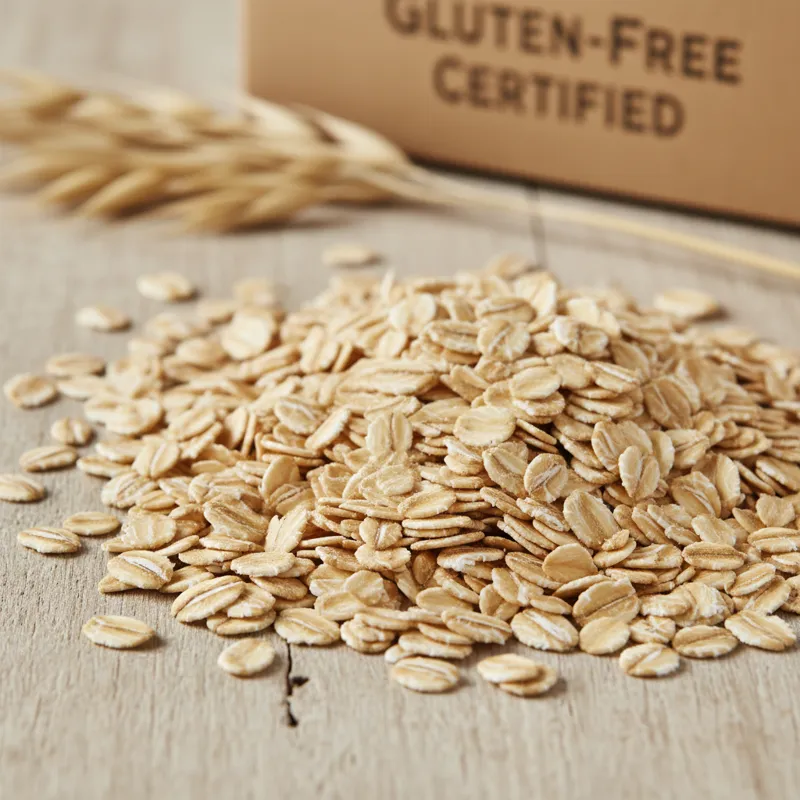
At their fundamental botanical level, oats are indeed naturally gluten-free. Gluten is a specific group of proteins (gliadin and glutenin) found in wheat, barley, and rye. These proteins are responsible for the elasticity of dough and are the culprits behind adverse reactions in individuals with celiac disease or non-celiac gluten sensitivity. Oats, by their genetic makeup, do not contain these specific proteins. This is a foundational fact many people grasp, leading to the assumption that all oat products are safe. The challenge arises not from the oat grain itself, but from its common agricultural and processing environment. Think of it like a naturally pure spring water becoming contaminated if it flows through polluted pipes. This distinction is paramount, particularly for individuals who must strictly avoid gluten. Understanding this core truth is the first step in discerning whether old fashioned oats are truly gluten-free and safe for your diet.
Fact 1: Understanding Gluten and Why Strict Avoidance is Critical

For individuals with celiac disease, even minute amounts of gluten can trigger an autoimmune response that damages the lining of the small intestine. This damage impairs nutrient absorption and can lead to a host of debilitating symptoms and long-term health complications, including osteoporosis, infertility, and certain cancers. The generally accepted threshold for gluten-free labeling in the United States, as regulated by the FDA, is less than 20 parts per million (ppm). This isn’t zero, but it’s the lowest detectable level with current scientific methods that’s considered safe for most celiacs. Non-celiac gluten sensitivity (NCGS) also necessitates gluten avoidance, though the immunological mechanism differs, and the severity of reaction can vary. For both celiac disease and NCGS, the principle remains: gluten-free means strictly gluten-free. This isn’t a dietary preference; it’s a medical necessity for millions. Therefore, when we ask, “are old fashioned oats gluten free?”, we’re asking if they meet this strict, medically necessary standard.
Fact 2: The Cross-Contamination Conundrum – The Biggest Hurdle
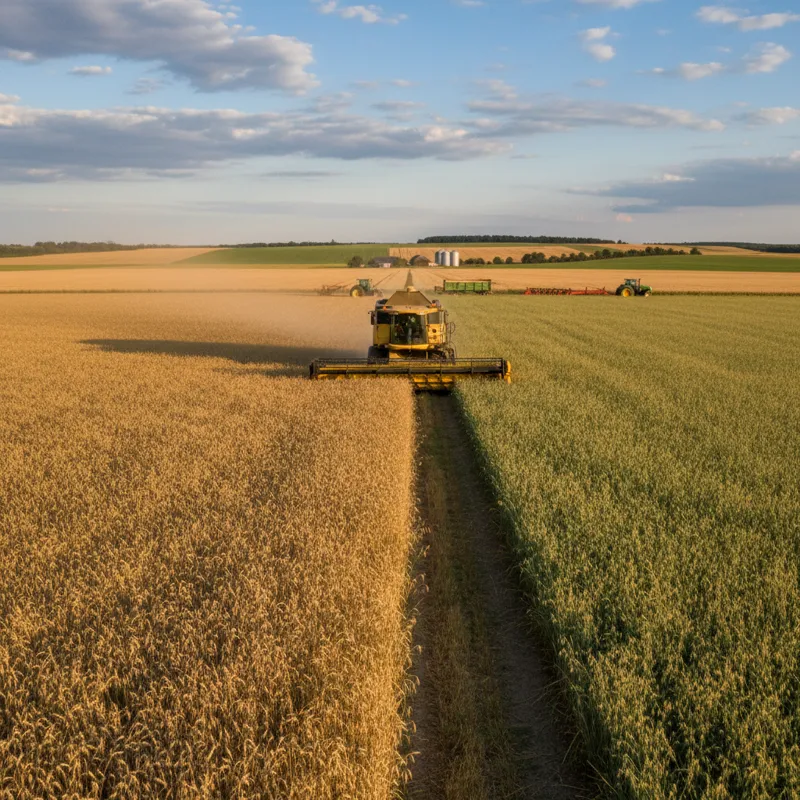
This is where the natural purity of oats often gets compromised. Cross-contamination is the single biggest reason why most conventionally grown and processed old fashioned oats are not safe for a gluten-free diet. The problem occurs at multiple stages:
- Shared Fields: Oats are frequently grown in rotation with wheat or barley, or even in adjacent fields. Seeds from gluten-containing grains can inadvertently sprout in oat fields, leading to accidental harvesting of contaminated oats.
- Shared Equipment: The same farm equipment – planters, combine harvesters, trucks, storage silos – often handles both gluten-containing grains and oats. Cleaning these massive machines perfectly between crops is incredibly difficult, and residual gluten-containing grains or dust can easily mix with the oats.
- Shared Processing Facilities: Many conventional oat mills and packaging plants also process wheat, barley, or rye. Airborne flour, residual grain particles on conveyor belts, or shared packaging lines are common sources of cross-contamination. These realities mean that unless specific measures are taken, a bag of old fashioned oats you buy from a conventional grocery store shelf will almost certainly contain trace amounts of gluten above the 20 ppm threshold. It’s a systemic issue within the conventional grain supply chain.
Fact 3: The Rise of Certified Gluten-Free Oats and Purity Protocol
Recognizing the critical need for truly gluten-free oats, the industry has developed specialized methods and certifications. This brings us to “certified gluten-free oats,” often referred to as “purity protocol oats.”The “purity protocol” is a meticulous process designed to prevent cross-contamination from field to package. It involves:
- Dedicated Fields: Oats are grown in fields that have not grown gluten-containing grains for a specified number of years, often with buffer zones to prevent airborne cross-pollination.
- Dedicated Equipment: Specialized, thoroughly cleaned equipment is used solely for gluten-free oats at every stage, from planting and harvesting to transportation and storage.
- Dedicated Processing Facilities: The oats are processed in facilities that handle only gluten-free grains, or on dedicated lines that are rigorously cleaned and tested.
- Rigorous Testing: Batches of oats are routinely tested at multiple points throughout the process to ensure gluten levels remain below the 20 ppm threshold, often even aiming for lower levels. When you see a “certified gluten-free” label from reputable third-party organizations like the Gluten-Free Certification Organization (GFCO) or the Celiac Support Association (CSA), it signifies that these strict protocols have been followed. For individuals who cannot tolerate gluten, choosing these specially processed and verified oats is non-negotiable if they wish to consume oats safely.
Fact 4: Reading Labels: “Gluten-Free” vs. “Certified Gluten-Free”
In the United States, the FDA defines “gluten-free” for food labeling as containing less than 20 ppm of gluten. This applies to foods that are naturally gluten-free but have mechanisms to prevent cross-contamination, or to foods where gluten has been removed to meet this standard. However, the term “certified gluten-free” carries an additional layer of assurance.”Certified gluten-free” means a product has undergone third-party verification, usually involving audits of the manufacturing facility, ingredient sourcing, and testing protocols by an independent organization. These organizations often have even stricter internal standards than the FDA’s 20 ppm, sometimes requiring products to test at less than 10 ppm, and they provide ongoing oversight. For someone with celiac disease, prioritizing “certified gluten-free” oats provides the highest level of confidence. While an FDA-compliant “gluten-free” label is generally reliable, the third-party certification offers an extra layer of scrutiny and accountability that many find reassuring for products like oats, which are inherently high-risk for cross-contamination. Always look for those distinct logos on packaging.
Fact 5: Oat Avenin – A Separate Consideration for Some
Even when old fashioned oats are certified gluten-free and entirely free from wheat, barley, and rye contamination, a small percentage of individuals with celiac disease or gluten sensitivity may still experience symptoms after consuming them. This is due to a protein found naturally in oats called avenin. Avenin has a molecular structure similar to gluten, and in about 5-10% of people with celiac disease, their immune system may react to avenin in a way similar to gluten. This reaction is distinct from gluten cross-contamination. If you’ve been strictly gluten-free, introduce certified gluten-free oats slowly and in small quantities, monitoring for any adverse reactions. If you experience symptoms, it could be an avenin sensitivity, in which case oats, even certified gluten-free ones, might need to be avoided. This highlights that while most celiacs can safely enjoy certified gluten-free oats, it’s not a universal solution for absolutely everyone.
Fact 6: What Most People Get Wrong About Oats and Gluten
Despite the growing awareness of gluten-free diets, several common misconceptions persist regarding oats:
- “Organic means gluten-free.” This is perhaps one of the most frequent errors. While organic farming practices avoid synthetic pesticides and fertilizers, organic certification has absolutely no bearing on gluten content or cross-contamination risk. Organic oats are just as likely to be cross-contaminated as conventional oats unless they are specifically certified gluten-free.
- “Rinsing oats removes gluten.” Unfortunately, rinsing oats will not remove gluten particles. Gluten can be deeply embedded in the grain or present as fine dust that water alone won’t eliminate effectively enough to meet the 20 ppm standard.
- “Small amounts won’t matter.” For individuals with celiac disease, even trace amounts can trigger intestinal damage without immediate symptoms. The cumulative effect of repeated “small amounts” from uncertified oats can be very detrimental to long-term health.
- “Old fashioned oats are different from rolled oats.” Old fashioned oats are rolled oats. The processing (flattening the groat) doesn’t change their inherent gluten status or cross-contamination risk. Instant oats, steel-cut oats, and old fashioned oats all face the same issues.
- “Assuming all store brands are safe.” Unless a store brand explicitly carries a “certified gluten-free” label, you should assume their old fashioned oats are processed conventionally and thus are not safe. People often make similar assumptions about product attributes in various areas of life, sometimes overlooking crucial details. For instance, just as one might wrongly assume that certain aesthetic choices like choosing specific beads for hair are purely about look without considering material quality or ethical sourcing, people often miss the deeper implications of food processing. These misconceptions can lead to inadvertent gluten exposure, making it crucial to rely on clear labeling and understand the mechanisms behind contamination.
Fact 7: Practical Steps for Safe Oat Consumption
Navigating the world of oats on a gluten-free diet requires diligence. Here are practical steps to ensure safe consumption of old fashioned oats:1. Always Choose Certified Gluten-Free: This is the golden rule. Look for reputable third-party certification logos (like GFCO, CSA, NSF) on the packaging. This is your primary assurance that the oats have been grown and processed to minimize gluten contamination.2. Scrutinize Ingredient Lists: Even when buying certified gluten-free products, always read the full ingredient list. Sometimes, oats can be an ingredient in other processed foods. Ensure any other components are also gluten-free. Be wary of ambiguous terms like “natural flavors” or “modified food starch” unless explicitly stated to be gluten-free.3. Prevent Cross-Contamination in Your Home: Your kitchen can be a source of contamination. Use dedicated toasters, cutting boards, and utensils for gluten-free foods. Keep separate containers for gluten-free oats if you also have conventional oats in the house. Ensure shared surfaces are thoroughly cleaned before preparing gluten-free items.4. Educate Yourself and Others: Make sure family members and dining companions understand the importance of your gluten-free needs, especially when sharing meals or kitchen space. This detailed approach is much like how finding quality raw hair bundles requires careful vetting of suppliers to ensure authenticity and quality – meticulous attention to sourcing and processing is key.5. Listen to Your Body: Even with certified gluten-free oats, pay attention to how you feel. As discussed with avenin sensitivity, not everyone tolerates oats. If you experience symptoms, consult with a healthcare professional or registered dietitian. Making informed dietary choices, much like choosing a specific aesthetic like pink braiding hair, involves understanding its impact and ensuring it aligns with your specific needs and preferences. By adhering to these steps, you can safely enjoy the nutritional benefits of old fashioned oats without compromising your gluten-free health.
People Also Ask About Old Fashioned Oats and Gluten
Are Quaker Old Fashioned Oats Gluten-Free?
As of early 2026, most conventional Quaker Old Fashioned Oats are not certified gluten-free due to the risk of cross-contamination during farming and processing. However, Quaker does offer specific products labeled “Gluten Free Old Fashioned Oats” or “Gluten Free Instant Oatmeal,” which are processed to meet gluten-free standards. Always look for the explicit “Gluten Free” label on Quaker products if you need to avoid gluten.
Can I eat regular oats if I’m gluten intolerant?
If you have celiac disease or a diagnosed gluten intolerance/sensitivity, you should generally avoid regular (non-certified gluten-free) oats. The risk of cross-contamination with wheat, barley, or rye is very high in conventional oat processing, making them unsafe for a strict gluten-free diet. Always opt for oats clearly labeled and ideally certified as gluten-free.
What brands offer certified gluten-free old fashioned oats?
Many brands now offer certified gluten-free old fashioned oats. Some popular options in the U. S. include Bob’s Red Mill (Purity Protocol), GF Harvest, and Nature’s Path. When shopping, always look for the explicit “Certified Gluten-Free” label and third-party certification logos (like GFCO, NSF, or CSA) on the packaging.
How can I tell if oats are truly gluten-free?
The clearest indicator that oats are truly gluten-free and safe for a strict gluten-free diet is a “Certified Gluten-Free” label from a reputable third-party organization. While the FDA defines “gluten-free” as less than 20 ppm, third-party certification often signifies even stricter protocols and regular auditing, providing extra assurance against cross-contamination.
Is oatmeal gluten-free?
Oatmeal, which is simply oats prepared with water or milk, is only gluten-free if the oats used to make it are certified gluten-free. If you use conventional old fashioned oats to make oatmeal, it will likely contain gluten due to cross-contamination. Always ensure the base ingredient – the oats – is certified gluten-free.
What is the difference between rolled oats and old fashioned oats?
There is no difference; “rolled oats” and “old fashioned oats” are two terms for the same product. They are oat groats that have been steamed and then flattened by rollers. This processing makes them cook faster than steel-cut oats but retain more texture than instant oats. The gluten status depends entirely on whether they are certified gluten-free or not, regardless of the term used.
Conclusion
The journey to understanding whether old fashioned oats are truly gluten-free is nuanced but critical for those managing gluten-related disorders. While oats are inherently gluten-free, the reality of agricultural practices and shared processing facilities means that conventional old fashioned oats are almost certainly contaminated with gluten. The key takeaway is clear: if you need to avoid gluten, you must seek out and consume only certified gluten-free old fashioned oats. These products follow strict “purity protocol” measures to ensure they meet the rigorous standards necessary for your health.
Diligence in reading labels, understanding certification marks, and preventing cross-contamination in your own kitchen are essential steps. Remember that a small percentage of individuals may also react to avenin, the natural protein in oats, even if the oats are gluten-free. Always consult with a healthcare professional or registered dietitian for personalized dietary advice. Your health and comfort depend on making informed, precise choices.
Disclaimer:The information provided on bangladeshcountry.com regarding health benefits, diet, nutrition, caffeine consumption, and dental care is based on general internet research and is intended for general informational and educational purposes only.
We are independent publishers and are not licensed medical professionals, registered dietitians, or dentists. The content on this site is not a substitute for professional medical or dental advice, diagnosis, or treatment.
Individual responses to dietary changes, herbal teas, caffeine, and their effects on dental or overall health can vary significantly from person to person. Always seek the advice of your physician, dentist, or other qualified healthcare provider with any questions you may have regarding a medical or dental condition. Reliance on any information provided on this site is strictly at your own risk. We assume no liability for any adverse health or dental effects resulting from the use of this information.