If you’ve ever found yourself intrigued by a tin of Earl Grey but slightly hesitant about its potent, perfumed aroma, you’re not alone. For many American tea drinkers, that singular, powerful note of bergamot can be an acquired taste. Enter its more approachable, sunnier counterpart: Lady Grey tea. It’s the exquisite blend that takes the classic Earl Grey profile and refines it, creating a tea that’s both familiar and refreshingly new. It’s less of a substitute and more of an evolution, designed for a palate that appreciates nuance and a brighter, more complex citrus character.
Lady Grey isn’t just “Earl Grey with a twist.” It’s a fundamentally rebalanced experience. By incorporating the zests of lemon and orange alongside the traditional bergamot, it transforms the flavor from a sharp, floral monologue into a vibrant, harmonious conversation. This article unravels that blend, explaining exactly what makes it unique, how it differs from its famous predecessor, and how you can best enjoy it, from a simple morning cup to an elegant evening cocktail.
Lady Grey vs. Earl Grey: The Core Difference
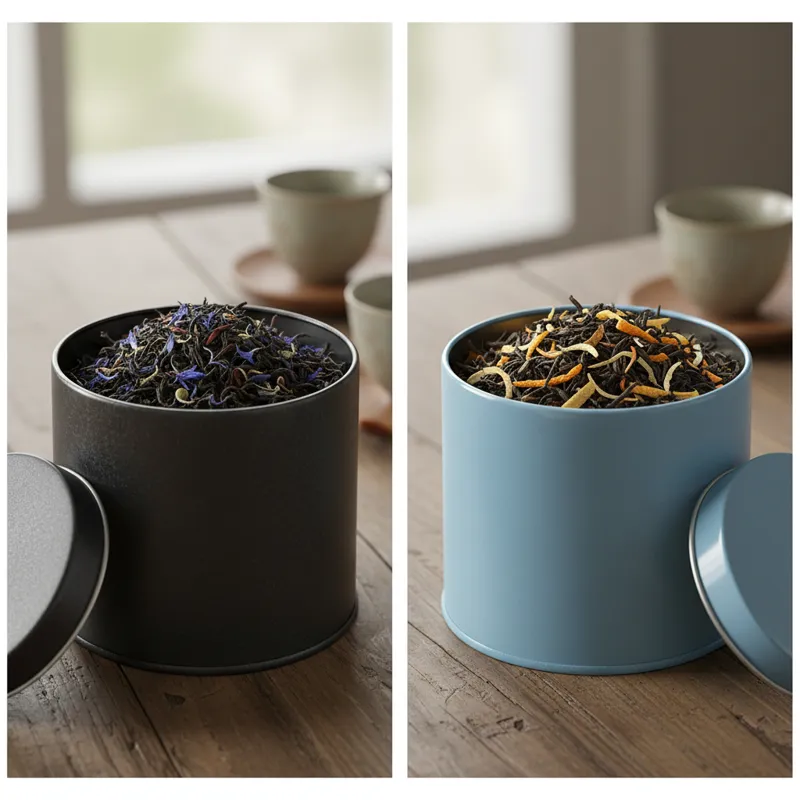
The distinction between these two iconic teas comes down to the citrus profile. It’s a simple change on paper, but it makes a world of difference in the cup. Understanding this is key to knowing which one you’ll prefer.
The Earl Grey Blueprint: A Singular Focus
Classic Earl Grey is defined by one core flavoring: oil of bergamot. Bergamot is a fragrant citrus fruit, roughly the size of an orange but with a lime-green or yellowish color, depending on ripeness. Its oil is intensely aromatic, with powerful floral notes that border on lavender or cologne. The base is a straightforward black tea, often a blend of Keemun or other Chinese black teas known for their smooth, slightly smoky character.
The result is a tea with a bold, high-contrast flavor. You have the malty, robust black tea and the piercing, aromatic bergamot. For those who love it, it’s an invigorating and distinctive classic. For others, that singular bergamot note can feel a bit overwhelming or even soapy.
The Lady Grey Modification: A Citrus Ensemble
Lady Grey tea starts with the same foundation: black tea and bergamot oil. However, it then introduces two crucial additions: dried lemon peel and orange peel. This is the masterstroke that changes everything.
Here’s the mechanistic effect of those additions:
- Lemon Peel: Adds a bright, zesty, and slightly sharp acidity. This cuts through the richness of the black tea and provides a familiar citrus “zing” that American palates know well.
- Orange Peel: Brings a sweeter, softer, and more rounded citrus note. It tempers the sharpest edges of both the bergamot and the lemon, adding depth and a gentle sweetness without any sugar.
The bergamot is still present, but it no longer has to carry the entire aromatic load. It becomes part of a chorus rather than a soloist. The overall effect is a tea that is lighter, brighter, and more balanced. The intense floral notes of the bergamot are softened, and the entire experience is one of a more general, sunny citrus grove rather than a single, potent flower.
What Does Lady Grey Taste Like? Deconstructing the Flavor Profile
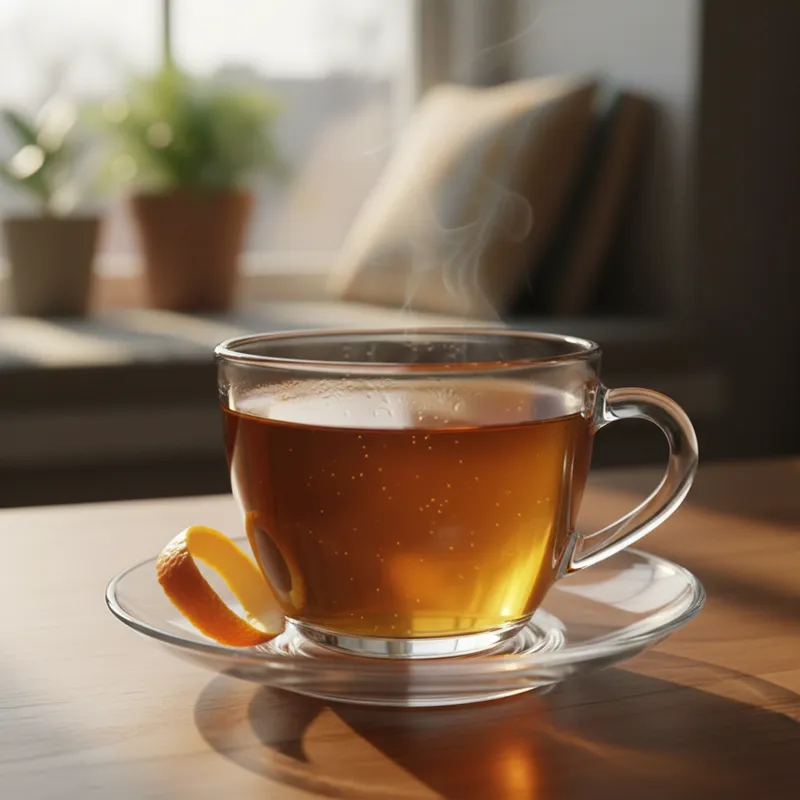
If you’re brewing a cup of Lady Grey for the first time, here’s what you can expect to observe from aroma to finish. We’ll break it down into its distinct sensory components.
Aroma
As soon as the hot water hits the leaves, the aroma is noticeably different from Earl Grey. Instead of a dominant floral perfume, you get a much broader citrus bouquet. You can often pick out the sweet orange notes first, followed by the sharper scent of lemon. The bergamot is in the background, providing an elegant floral base that ties it all together.
Flavor & Mouthfeel
The first sip confirms the aroma. The tea is smooth and medium-bodied, without the tannic bite some strong black teas can have. The flavor is a delicate dance of citrus:
-
- Upfront: A bright, clean zestiness from the lemon.
– Mid-palate: The sweet, gentle character of orange emerges, complementing the maltiness of the black tea base. – Background: The floral, slightly exotic note of bergamot is present throughout, but it’s a supporting actor, adding complexity and a familiar “tea with bergamot” character.
The mouthfeel is typically smooth and clean. Because the citrus blend is so bright, it creates a very refreshing finish that doesn’t linger too heavily on the palate.
The Finish
The aftertaste is crisp and clean, with a lingering hint of sweet orange and a faint floral echo. It lacks the sometimes-astringent finish of a plain black tea and the perfumed finish of a strong Earl Grey. It’s a tea that invites another sip.
The Ingredients: A Closer Look at the Blend
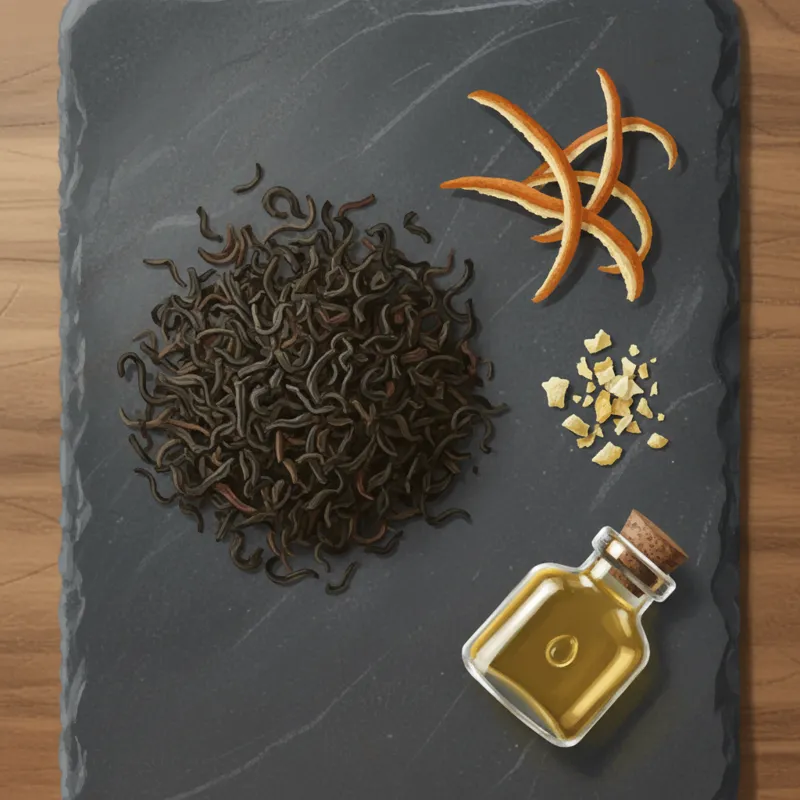
While the concept is simple, the quality of a Lady Grey tea depends entirely on the quality of its components. Not all blends are created equal.
The Tea Base
Most major brands use a blend of black teas from various regions, often China, Africa, and Sri Lanka (Ceylon). The goal is to create a base that is smooth and flavorful but not so overpowering that it bulldozes the delicate citrus notes. A good base is malty and brisk but has a clean finish. It provides the canvas upon which the citrus oils and peels paint their flavor.
The Citrus Trio
The magic is in the balance of the citrus. As a citrus fruit, bergamot is primarily grown in Calabria, Italy. Its oil is extracted from the rind and is prized in both perfumery and food flavoring.
The quality of the orange and lemon peel is just as important. They are not just for show; the essential oils contained within these dried peels are released during brewing, contributing significantly to the final flavor. Some higher-end blends might also include blue cornflower petals, primarily for visual appeal, which gives the dry leaf a beautiful speckled appearance.
How to Brew the Perfect Cup of Lady Grey
Brewing Lady Grey tea isn’t complicated, but a little attention to detail will elevate the experience and ensure you extract the full, balanced flavor without any bitterness.
1. Water Temperature: This is crucial for any black tea. Use water that is just off the boil, around 208-212°F (98-100°C). Boiling water can scorch the delicate citrus notes and bring out too much astringency (tannins) from the black tea leaves.
2. Tea to Water Ratio: A good starting point is 1 teaspoon of loose-leaf tea (or 1 tea bag) per 8 ounces (240 ml) of water. You can adjust this based on how strong you like your tea.
3. Steeping Time: This is where personal preference comes in, but a 3 to 5-minute steep is the ideal range.
- 3 minutes: A lighter, brighter cup where the citrus notes are most prominent.
- 4-5 minutes: A stronger, more robust cup where the black tea base has more presence.
Steeping longer than 5 minutes risks introducing bitterness that will mask the delicate flavors.
4. To Add-In or Not to Add-In: Lady Grey is exquisite on its own. However, it’s also very versatile.
- A slice of lemon: Enhances the existing bright notes.
- A splash of milk: Unlike some teas, Lady Grey holds up surprisingly well to milk. The citrus notes cut through the creaminess, creating a flavor reminiscent of a citrus-flavored cake.
- Sweetener: A touch of honey or sugar can amplify the sweet orange notes if you prefer.
Beyond the Teacup: Creative Ways to Use Lady Grey Tea
The balanced, bright flavor of Lady Grey makes it an incredible ingredient for culinary creations. Its citrus and floral notes can elevate everything from simple drinks to baked goods.
Iced Lady Grey Tea
A truly refreshing drink on a warm day. You can either brew it hot and let it cool, or for a smoother, less astringent flavor, try cold brewing. Simply place 4-5 tea bags (or 4-5 teaspoons of loose tea) in a pitcher with 4 cups of cold, filtered water. Refrigerate for 8-12 hours, then strain. Serve over ice with a slice of orange or lemon.
Lady Grey Latte
This is a coffee-shop-level drink you can easily make at home.
- Brew an extra-strong cup of Lady Grey tea by using two tea bags (or double the loose tea) in about 6 ounces of hot water. Steep for 5 minutes.
- While the tea steeps, steam and froth 4-6 ounces of milk (dairy or non-dairy both work well).
- Add a touch of vanilla syrup or honey to your tea if desired.
- Pour the steamed milk into the tea, holding back the foam, then spoon the foam on top.
The “Grey Hound” Gin Cocktail
The botanical notes in gin are a perfect match for the citrus and floral character of Lady Grey.
- Infuse your gin: Place 2 Lady Grey tea bags in 8 ounces of a good quality dry gin. Let it sit for 1-2 hours (any longer and it can become bitter). Remove the tea bags.
- In a shaker filled with ice, combine 2 oz of your tea-infused gin, 1 oz of fresh grapefruit juice, and ½ oz of simple syrup.
- Shake well and strain into a chilled glass. Garnish with a grapefruit twist.
Food Pairings
Lady Grey’s bright acidity and gentle sweetness make it a fantastic companion to food. It excels at cutting through richness and complementing subtle flavors.
- Classic Pairings: Scones with clotted cream and jam, shortbread cookies, lemon pound cake, or madeleines.
- Savory Pairings: It pairs wonderfully with light sandwiches like cucumber and cream cheese or a mild chicken salad.
- Unexpected Pairings: Its palate-cleansing ability makes it a surprisingly effective beverage for richer foods. Much like a citrus soda cuts through grease, a cup of hot Lady Grey can be a delightful counterpoint to a savory, hearty meal. A bold choice like pairing it with something like a plate of New York fried chicken works on the same principle, with the tea’s bright acidity refreshing the palate between bites.
What Most People Miss About Lady Grey Tea
There are two key details that even regular drinkers of this tea often overlook.
First, “Lady Grey” is a trademark owned by Twinings, the tea company that created the blend in the early 1990s for the Scandinavian market, which preferred a lighter, more aromatic tea. This means that other companies cannot legally sell a blend under the name “Lady Grey.” However, the style of tea—a black tea blend with bergamot, orange, and lemon—is widely imitated. You’ll find similar blends from other companies under names like “Citrus Black,” “Duchess Blend,” or “Blue Flower Earl Grey” (if it contains cornflowers).
Second, because it’s a blend, there is significant variation between brands. Some use a stronger tea base, others add more orange than lemon, and some include cornflower petals for color. If you try one company’s version and don’t love it, it’s worth sampling another. You may find a balance that’s perfect for you.
Decaf Lady Grey and Potential Benefits
For those who are sensitive to caffeine but love the flavor, decaffeinated Lady Grey tea is widely available. Most major brands use the CO2 decaffeination process, which is a natural method that uses carbon dioxide to gently remove caffeine while preserving the maximum amount of flavor and antioxidants. The taste is remarkably close to the original.
When considering citrus bergamot tea benefits, it’s best to look at the components. Black tea is rich in antioxidants called flavonoids, which are linked to heart health. The aromatherapy aspect is also significant; the scent of citrus oils like bergamot, lemon, and orange is widely used to promote a sense of well-being and reduce stress. The L-theanine in the tea can also promote a state of calm focus. While it’s not medicine, a warm cup can be a genuinely comforting and soothing ritual. For those seeking a completely caffeine-free experience with a unique and pleasant taste, exploring other options like a calming Hawaiian Shaka Tea can be a great alternative.
Frequently Asked Questions About Lady Grey Tea
What is Lady Grey tea?
Lady Grey tea is a brand of black tea created by Twinings. It is a variation of Earl Grey tea, containing black tea, bergamot oil, and the added peels of lemon and orange. This gives it a lighter, brighter, and more complex citrus flavor than traditional Earl Grey.
Who was the “Lady Grey”?
The tea is named after Mary Elizabeth Grey, the wife of Charles Grey, 2nd Earl Grey, for whom Earl Grey tea is named. The blend was created by Twinings in the 1990s and named in her honor.
Does Lady Grey tea have caffeine?
Yes, as it is made with a black tea base, Lady Grey tea contains caffeine. A typical 8-ounce cup has about 40-70 milligrams of caffeine, depending on the specific blend and brewing time. Decaffeinated versions are also readily available.
Can you put milk in Lady Grey tea?
Absolutely. While some purists may prefer it black, the bright citrus notes of Lady Grey pair surprisingly well with milk. It creates a smooth, creamy flavor reminiscent of a citrus dessert. It’s a matter of personal preference.
Is Lady Grey tea better than Earl Grey?
Neither is objectively “better”—it’s entirely a matter of taste. If you love a bold, singular, and perfumed floral flavor, you will likely prefer Earl Grey. If you prefer a softer, more balanced, and multifaceted citrus flavor that is less floral, you will probably find Lady Grey tea more to your liking.
Disclaimer: The recipes, nutritional information, and food or beverage content on bangladeshcountry.com are provided for general informational purposes only. We are not certified nutritionists or dietitians. Ingredients may cause allergic reactions or conflict with specific diets. Always consult a qualified healthcare professional regarding any dietary changes, health conditions, or food allergies. Reliance on this information is solely at your own risk.