

In a world increasingly focused on wellness, sustainability, and authentic experiences, a beverage like Shaka Tea emerges not just as a drink, but as an embodiment of these values. As we navigate 2026, health-conscious consumers in the United States are constantly seeking options that offer more than just simple hydration. They want flavor, function, and a story they can believe in. Shaka Tea, deeply rooted in the rich volcanic soil and cultural traditions of Hawaii, delivers precisely that, offering a refreshing paradise of flavors built around the unique mamaki leaf. It’s a departure from the usual iced tea aisle, providing a taste of the islands and a range of benefits derived from an ancient, revered plant.
The Heart of Hawaii: What is Shaka Tea, Exactly?

Shaka Tea isn’t just another ready-to-drink tea. It’s a brand built entirely around the mamaki leaf (Pipturus albidus), an indigenous Hawaiian plant that has been cherished for centuries by the islands’ native people. Unlike most traditional teas which come from the Camellia sinensis plant, mamaki offers a distinct profile and unique properties, making Shaka Tea a standout in the modern beverage landscape. The name itself, “Shaka,” evokes the iconic Hawaiian hand gesture symbolizing friendship, understanding, and the “Aloha Spirit” – a fitting tribute to a drink so deeply connected to its origins.
More Than Just a Drink: The Mamaki Story
Mamaki is a shrub native to the Hawaiian Islands, thriving in the nutrient-rich volcanic soils and humid climate. It’s part of the nettle family, though it doesn’t possess the stinging properties typically associated with nettles. For generations, Hawaiians have traditionally consumed mamaki tea for its perceived wellness benefits, brewing the leaves into a restorative and often ceremonial beverage. It’s not a new superfood trend; rather, it’s an ancient staple, rediscovered and presented in a format accessible to a wider audience. The commitment of Shaka Tea to this single, powerful ingredient is what truly defines its character.
A Brief History of Mamaki in Hawaiian Culture
The significance of mamaki extends far beyond its leaves. In ancient Hawaii, the plant was used for various purposes. The bark was sometimes used to make kapa (cloth), and the fruit served as a food source for native birds. But it was the leaves, especially when brewed, that held particular importance. Hawaiian healers (kahuna lāʻau lapaʻau) often utilized mamaki for its purported calming and cleansing properties. It was considered a tea for vitality and balance, consumed to support overall well-being. This deep cultural reverence for mamaki is a cornerstone of Shaka Tea’s identity, linking every bottle back to the islands’ rich heritage and sustainable practices. Understanding the tradition helps appreciate the integrity of the product.
The Shaka Tea Difference: Sourcing and Philosophy
What sets Shaka Tea apart is its uncompromising dedication to Hawaiian-grown mamaki. The company works directly with local farmers across the Hawaiian Islands, cultivating mamaki using regenerative and sustainable farming practices. This isn’t just a marketing claim; it’s a foundational principle. By investing in local agriculture, Shaka Tea not only ensures the authenticity and quality of its primary ingredient but also supports the economic vitality of Hawaiian communities. This approach helps preserve agricultural land, encourages biodiversity, and reduces the carbon footprint associated with long-distance sourcing. Their philosophy is a tangible expression of aloha ʻāina – love of the land – ensuring that the land remains healthy for future generations.
Decoding the Flavor Profile: What Does Shaka Tea Taste Like?
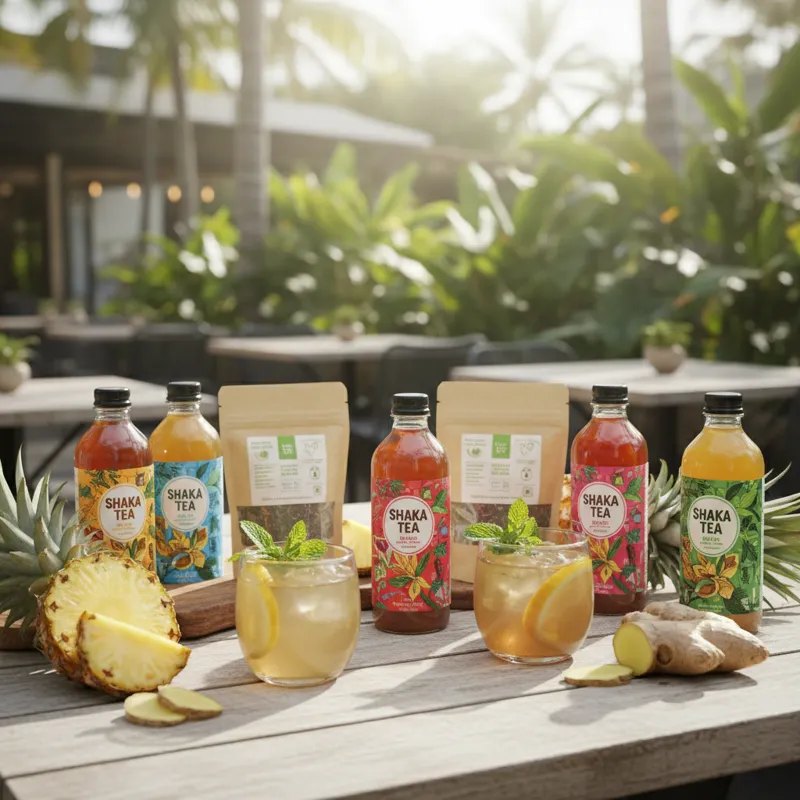
One of the most common questions from first-time tasters is, “What does mamaki tea actually taste like?” It’s a valid inquiry, especially since it doesn’t fall into the familiar categories of green, black, or even most common herbal teas. The flavor profile of Shaka Tea is unique, often described as mild, earthy, slightly woody, and subtly sweet, without the bitterness sometimes associated with traditional teas. It’s refreshing and clean, making it an excellent base for various infusions.
Original Unsweetened Mamaki: A Pure Experience
For those who want to experience the true essence of mamaki, the original unsweetened Shaka Tea is the way to go. This version showcases the natural flavor of the leaf – a smooth, almost mineral taste with a faint, pleasant herbal note. It’s surprisingly light and incredibly hydrating. Many describe it as having a mild, slightly savory undertone that makes it uniquely satisfying, especially when chilled. If you’re a fan of subtle, natural flavors and prefer to avoid added sugars, this is a perfect daily beverage. It pairs well with meals or can be enjoyed on its own as a palate cleanser.
The Infused Range: From Guava Ginger to Pineapple Mint
While the pure mamaki is a revelation, Shaka Tea also offers a delightful range of infused flavors that complement and enhance the mamaki’s natural character. These aren’t artificial fruit bombs; rather, they’re crafted to highlight Hawaiian-inspired ingredients, creating a balanced and harmonious blend.
- Guava Ginger: This blend often brings a tropical sweetness from the guava, balanced by the zesty warmth of ginger. It’s vibrant and invigorating, perfect for a warm day.
- Pineapple Mint: Here, you’ll find the bright, tangy notes of pineapple perfectly melded with the cooling freshness of mint. It’s a crisp, uplifting flavor that feels genuinely island-inspired.
- Lemongrass: This option introduces a fragrant, citrusy, and slightly grassy note, adding an aromatic complexity that’s both soothing and refreshing. These infusions are designed to be naturally low in sugar or unsweetened, allowing the genuine fruit and herbal notes to shine through without being masked by excessive sweetness. They offer a diverse palette for different preferences, making Shaka Tea a versatile choice for any occasion. They can even inspire you to explore other unique beverage experiences, much like the diverse world of Strawberry Milk Tea offers its own refreshing twist.
Beyond the Taste: The Adaptogenic Promise and Health Benefits of Mamaki

The appeal of Shaka Tea goes deeper than its refreshing taste. The mamaki leaf is increasingly recognized for its potential health benefits, particularly its adaptogenic properties and rich antioxidant content. While traditional Hawaiian wisdom has long celebrated mamaki, modern scientific interest is now exploring these claims.
It’s important to remember that while traditional practices and preliminary research suggest benefits, beverages like Shaka Tea are not intended to diagnose, treat, cure, or prevent any disease. Always consult with a healthcare professional for personalized medical advice.
Understanding Adaptogens: Nature’s Stress Support
Mamaki is considered an adaptogen, a class of herbs, mushrooms, and roots that help the body adapt to various stressors – physical, chemical, or biological. What makes adaptogens unique is their ability to exert a normalizing effect on the body, helping to bring it back to a state of balance. They don’t specifically target one organ or system; instead, they work holistically. When you consume an adaptogen like mamaki, the idea isn’t to feel an immediate jolt like caffeine or a sedative effect, but rather a subtle support for your body’s natural resilience over time. This concept is explored in various scientific communities, with institutions like the National Institutes of Health (NIH) publishing research on the mechanisms of adaptogens.
The Antioxidant Powerhouse
Mamaki leaves are naturally rich in antioxidants, particularly polyphenols. Antioxidants play a crucial role in combating oxidative stress in the body, which is caused by free radicals. Oxidative stress is implicated in various chronic diseases and the aging process. By providing a consistent intake of these beneficial compounds, Shaka Tea can contribute to your body’s defense mechanisms. It’s a simple, enjoyable way to bolster your antioxidant intake without resorting to artificial supplements. Just as the complex process of cultivating teas like Chinese Tea reveals layers of nuanced health properties, mamaki tea offers its own unique array of beneficial compounds.
Supporting Gut Health and Digestion
Anecdotal evidence and traditional uses suggest that mamaki tea can be beneficial for digestion. While specific mechanisms are still being researched, the gentle nature of the tea, combined with its potential anti-inflammatory properties from antioxidants, may contribute to a calm and well-functioning digestive system. Many people find herbal teas soothing for the stomach, and mamaki’s mild profile makes it an excellent candidate for this purpose. Maintaining a healthy gut is a cornerstone of overall wellness, and incorporating beverages that support this can be a valuable part of a daily routine.
A Naturally Caffeine-Free Alternative
For those looking to reduce or eliminate caffeine from their diet, Shaka Tea offers a refreshing solution. Mamaki is naturally caffeine-free, making it an ideal choice for any time of day – morning, afternoon, or evening. You can enjoy its subtle flavors and potential benefits without worrying about jitters or disturbed sleep. This makes it a perfect adaptogenic beverage option for a healthy caffeine-free drink that fits seamlessly into a wellness-focused lifestyle.
Shaka Tea and Sustainability: A Commitment to Aloha ʻĀina
In 2026, consumers are more discerning than ever about the environmental and social impact of their purchases. Shaka Tea stands out not only for its product but also for its deep-seated commitment to sustainability, encapsulated by the Hawaiian principle of aloha ʻāina – respect and love for the land. This commitment isn’t just about marketing; it’s woven into the very fabric of their operations.
Regenerative Farming Practices
Shaka Tea sources its mamaki from farms that employ regenerative agriculture. This approach goes beyond mere sustainability; it actively seeks to restore and improve the health of the ecosystem. Regenerative practices include minimizing soil disturbance, planting cover crops, promoting biodiversity, and reducing reliance on synthetic inputs. These methods sequester carbon in the soil, enhance water retention, and create healthier, more resilient ecosystems. For Shaka Tea, this means not only healthier mamaki plants but also a positive impact on the Hawaiian environment. This dedication to ecological well-being is a core reason why Shaka Tea is quickly becoming a leader among sustainable herbal tea brands.
Supporting Local Hawaiian Communities
By partnering directly with local farmers, Shaka Tea fosters economic stability and growth within Hawaiian communities. This approach ensures fair wages, supports local businesses, and keeps the agricultural heritage of the islands alive. It also helps to preserve traditional knowledge related to mamaki cultivation and use, passing it down through generations. This direct connection means that when you purchase Shaka Tea, you’re not just buying a beverage; you’re investing in the future of Hawaii’s people and land, creating a tangible, positive ripple effect.
Eco-Conscious Packaging
Beyond farming, Shaka Tea extends its sustainability efforts to packaging. They prioritize materials that are recyclable and minimize environmental impact. This holistic approach ensures that every step of the product’s journey, from farm to consumer, aligns with their aloha ʻāina philosophy. Transparency in these practices builds trust and reinforces their position as an environmentally responsible brand.
Things People Usually Miss About Shaka Tea
When a new product gains popularity, it’s easy for misconceptions to arise. Shaka Tea, with its unique origins and benefits, often falls victim to a few common misunderstandings. Addressing these can deepen your appreciation for what makes this Hawaiian tea truly special.
It’s Not “Just Another Herbal Tea”
Many people lump Shaka Tea into the broad category of “herbal teas,” associating it with chamomile or peppermint. While it is herbal and caffeine-free, mamaki stands apart due to its adaptogenic properties and unique cultural significance. Unlike many mass-produced herbal teas that might use a blend of common botanicals, Shaka Tea focuses singularly on mamaki, leveraging its specific composition and heritage. It’s a distinct botanical experience, not merely a generic “herbal infusion.” Even within the realm of flavored teas, comparing it to something like Lady Grey Tea, with its specific blend of black tea, bergamot, and citrus, highlights the difference in origin and primary function.
The Importance of Water Quality
For those brewing loose leaf mamaki tea at home, the quality of your water significantly impacts the final taste. Mamaki has a delicate flavor profile, and highly chlorinated or hard water can easily obscure its subtle notes. Using filtered water, especially purified or spring water, can make a noticeable difference, allowing the earthy, slightly sweet nuances of the mamaki to truly shine. This attention to detail is crucial for experiencing the best Hawaiian loose leaf tea.
Misconceptions About Adaptogen Speed
Because adaptogens are gaining traction, some might expect them to work like an energy drink or a calming pill, offering immediate, dramatic effects. However, adaptogens, including mamaki, typically work subtly and over time. Their purpose is to help the body maintain balance and resilience, not to provide an instant fix. Consistent consumption is usually key to experiencing their full potential. Expecting a sudden shift might lead to disappointment, but understanding their long-term, supportive role helps set realistic expectations.
How to Incorporate Shaka Tea into Your Daily Routine
Shaka Tea is incredibly versatile, fitting seamlessly into various lifestyles, whether you’re on the go or prefer a more mindful ritual. Its accessibility and range of forms make it easy to enjoy daily.
Enjoying It Cold: Ready-to-Drink Convenience
The most straightforward way to enjoy Shaka Tea is in its ready-to-drink bottled form. These are perfectly chilled and ready to grab from your fridge. They’re ideal for:
- A post-workout refresher.
- A healthy alternative to sugary sodas or juices at lunch.
- A natural, caffeine-free pick-me-up during an afternoon slump.
- Bringing along to the beach or on a hike.
The convenience means there’s no excuse not to enjoy the benefits of mamaki tea, even on your busiest days.
Brewing Your Own: Loose Leaf Mamaki Tea
For those who enjoy the ritual of tea preparation, Shaka Tea also offers loose leaf mamaki. Brewing your own allows you to control the strength and temperature, tailoring the experience to your preference.
- Heat water: Bring fresh, filtered water to just below boiling (around 200°F or 93°C).
- Steep: Place 1-2 teaspoons of loose leaf mamaki tea per 8 ounces of water into an infuser or directly into your cup.
- Infuse: Steep for 5-7 minutes. For a stronger brew, steep longer.
- Enjoy: Strain the leaves and savor your warm, soothing cup. It’s also excellent chilled; simply let it cool and pour over ice.
This method is perfect for a calming evening routine or a mindful start to your day.
Beyond the Cup: Culinary Applications
Don’t limit Shaka Tea to just drinking! Its subtle, earthy flavor makes it a fantastic ingredient for creative culinary uses.
- Smoothie Base: Use chilled Shaka Tea instead of water or juice in your morning smoothie for an added boost of antioxidants and a unique flavor.
- Marinades: The unsweetened mamaki tea can add a subtle, herbaceous note to marinades for fish or chicken.
- Cocktails/Mocktails: Its clean profile makes it an excellent mixer for sophisticated, health-conscious beverages. Think mamaki and lime with a splash of sparkling water.
- Frozen Treats: Freeze Shaka Tea into ice cubes for a refreshing addition to water or other drinks, or even create unique popsicles.
Where to Find Your Refreshing Paradise: Purchasing Shaka Tea
Finding Shaka Tea in 2026 is easier than ever, thanks to its growing popularity and distribution network across the United States. Whether you prefer shopping online or browsing local shelves, you have several options to get your hands on this Hawaiian delight.
Online Retailers and Direct from Shaka Tea
The most reliable way to purchase Shaka Tea is often directly from their official website. Buying direct ensures you get the freshest product and often grants access to exclusive bundles or new flavor releases. Additionally, major online marketplaces like Amazon, Thrive Market, and other specialty grocery delivery services frequently carry Shaka Tea. A quick search will usually show you the available options, often with competitive pricing and convenient home delivery. This is especially useful for those in areas without local retail presence.
Specialty Food Stores and Wellness Shops
As wellness trends continue to grow, you’ll increasingly find Shaka Tea in dedicated health food stores, organic markets, and independent grocery stores across the U. S. Retailers like Whole Foods Market, Sprouts Farmers Market, and similar regional chains are good places to start. These stores often curate products that align with Shaka Tea’s emphasis on natural ingredients, sustainability, and health benefits. Check the beverage or natural products aisle, and don’t hesitate to ask store staff if you can’t locate it.
Exploring Subscription Options
For regular Shaka Tea drinkers, some retailers or the Shaka Tea website itself might offer subscription services. This can be a convenient and often cost-effective way to ensure you never run out of your favorite mamaki blends. Subscriptions typically offer a discount and automate deliveries, making it simple to maintain your supply without constant reordering.
Frequently Asked Questions About Shaka Tea
Addressing common inquiries helps clear up any lingering doubts about Shaka Tea.
Is Shaka Tea truly caffeine-free?
Yes, Shaka Tea is absolutely caffeine-free. Mamaki (Pipturus albidus) is not related to the tea plant (Camellia sinensis) and naturally contains no caffeine, making it suitable for consumption at any time of day or night without impacting sleep.
Can I drink Shaka Tea if I’m pregnant or breastfeeding?
While mamaki tea has a long history of traditional use, specific scientific studies on its effects during pregnancy and breastfeeding are limited. As a general precaution, it’s always best to consult your doctor or a qualified healthcare professional before introducing any new herbal products into your diet during these periods.
How long does Shaka Tea last once opened?
Once opened, a bottle of ready-to-drink Shaka Tea should be refrigerated and consumed within 3-5 days for optimal freshness and flavor. Unopened bottles typically have a shelf life of several months, as indicated by the “best by” date on the packaging.
Is Shaka Tea suitable for children?
Given its natural ingredients and caffeine-free nature, Shaka Tea can be a refreshing alternative to sugary drinks for children. However, moderation is always key, and if you have any concerns, it’s wise to consult with a pediatrician.
What’s the best way to store loose leaf mamaki tea?
To maintain its freshness and potency, store loose leaf mamaki tea in an airtight container in a cool, dark, and dry place. Avoid direct sunlight, heat, and moisture, which can degrade the leaves and diminish their flavor and beneficial compounds.
The Bottom Line: Why Shaka Tea Stands Apart in 2026
In an increasingly crowded market of health beverages, Shaka Tea has carved out a distinct and meaningful niche. It’s more than just a refreshing drink; it’s a direct connection to the Hawaiian Islands, embodying centuries of cultural tradition and a forward-thinking commitment to sustainability. As consumers in 2026 continue to prioritize products that align with their values of wellness, environmental responsibility, and authentic experience, Shaka Tea delivers on all fronts. From its unique adaptogenic mamaki base and clean, naturally derived flavors to its dedication to regenerative farming and community support, Shaka Tea offers a truly holistic approach to refreshment. It’s a genuine taste of paradise, a subtle boost for your well-being, and a choice you can feel good about. Picking up a bottle of Shaka Tea isn’t just a beverage decision; it’s an embrace of aloha, a sip of tranquility, and a commitment to a healthier, more balanced lifestyle.
Disclaimer: The recipes, nutritional information, and food or beverage content on bangladeshcountry.com are provided for general informational purposes only. We are not certified nutritionists or dietitians. Ingredients may cause allergic reactions or conflict with specific diets. Always consult a qualified healthcare professional regarding any dietary changes, health conditions, or food allergies. Reliance on this information is solely at your own risk.


