
It’s one of the most recognizable cans in any convenience store cooler in America. The tall, 23-ounce can of Arizona Green Tea with Ginseng and Honey, often still priced at 99 cents, is a staple. It’s refreshing, sweet, and feels a little healthier than a soda. But as you twist off the cap, a common question arises: just how much of an energy boost are you actually getting? You’re not alone in wondering about the Arizona Green Tea caffeine content. Let’s break down the numbers, compare it to your daily coffee, and clear up some common misconceptions.
The Straight Answer: Caffeine in a Can of Arizona Green Tea
Let’s get right to it. The primary question you have is ‘Arizona Green Tea how much caffeine?’ and the answer can sometimes be tricky because of how the information is presented.
According to the AriZona Beverage Company, their classic Green Tea with Ginseng and Honey contains 7.5 milligrams (mg) of caffeine per 8-ounce (oz) serving. However, nobody drinks just 8 ounces. That iconic tall can is 23 fluid ounces.
To find the total caffeine in one can, we do a little math:
- A 23 oz can has about 2.875 servings (23 oz / 8 oz per serving).
- Multiplying the servings by the caffeine per serving gives us the total: 2.875 servings * 7.5 mg/serving = approximately 21.5 mg of caffeine per 23 oz can.
So, a full can of Arizona Green Tea delivers about 21.5 mg of caffeine. For a quick reference, the Diet Green Tea has the exact same caffeine content.
How Arizona Green Tea’s Caffeine Compares to Your Other Favorites
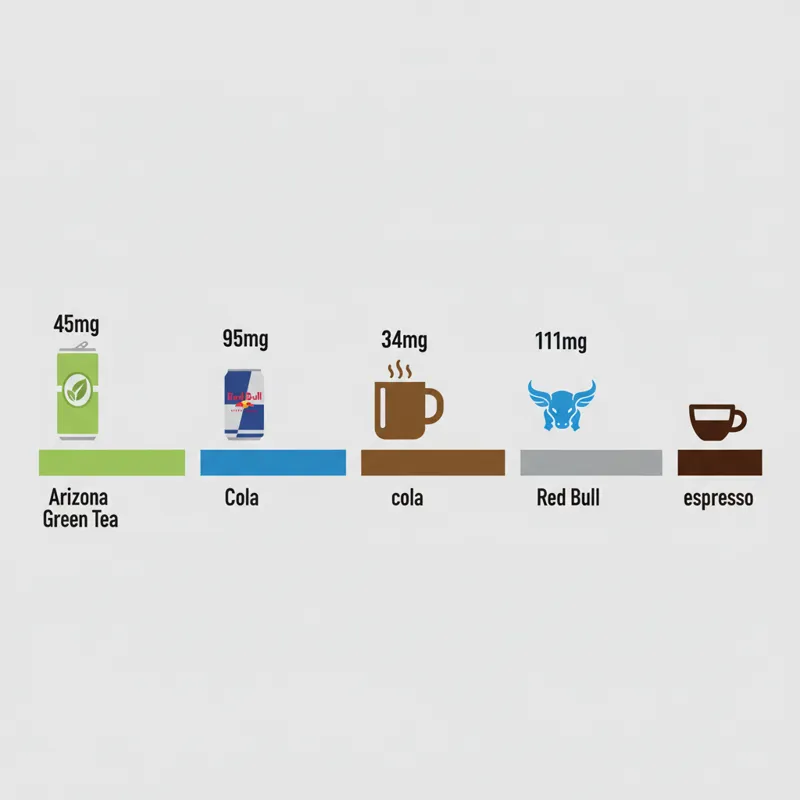
That 21.5 mg number might not mean much on its own. The real value comes from seeing how it stacks up against other common caffeinated drinks you might reach for. This context is key to understanding the kind of lift you can expect.
Arizona Green Tea vs. Coffee
This is the most common comparison. A standard 8 oz cup of brewed coffee can vary wildly, but the U. S. Food and Drug Administration (FDA) estimates it contains about 95 mg of caffeine. A “tall” 12 oz coffee from a place like Starbucks would have even more.
- Arizona Green Tea (full 23 oz can): ~21.5 mg
- Standard Brewed Coffee (8 oz cup): ~95 mg
You would need to drink more than four full cans of Arizona Green Tea to get the same caffeine jolt as a single, small cup of coffee. The difference is substantial.
Arizona Green Tea vs. Soda
How does it fare against a can of cola? A typical 12 oz can of Coca-Cola contains about 34 mg of caffeine, while a Diet Coke has 46 mg. A 12 oz Mountain Dew leads the pack with around 54 mg.
- Arizona Green Tea (full 23 oz can): ~21.5 mg
- Coca-Cola (12 oz can): ~34 mg
- Mountain Dew (12 oz can): ~54 mg
Even though the Arizona can is almost double the size, it has significantly less caffeine than most popular sodas. This is a crucial point for those seeking a lighter stimulant.
Arizona Green Tea vs. Energy Drinks
This isn’t even a close contest. Energy drinks are specifically formulated for a powerful caffeine punch. A small 8.4 oz can of Red Bull contains 80 mg of caffeine. Larger energy drinks can easily pack 200-300 mg of caffeine.
- Arizona Green Tea (full 23 oz can): ~21.5 mg
- Red Bull (8.4 oz can): ~80 mg
Arizona Green Tea is in a completely different category. It provides a very mild lift, not the intense rush associated with energy drinks.
Why Does Arizona Green Tea Have Caffeine in the First Place?
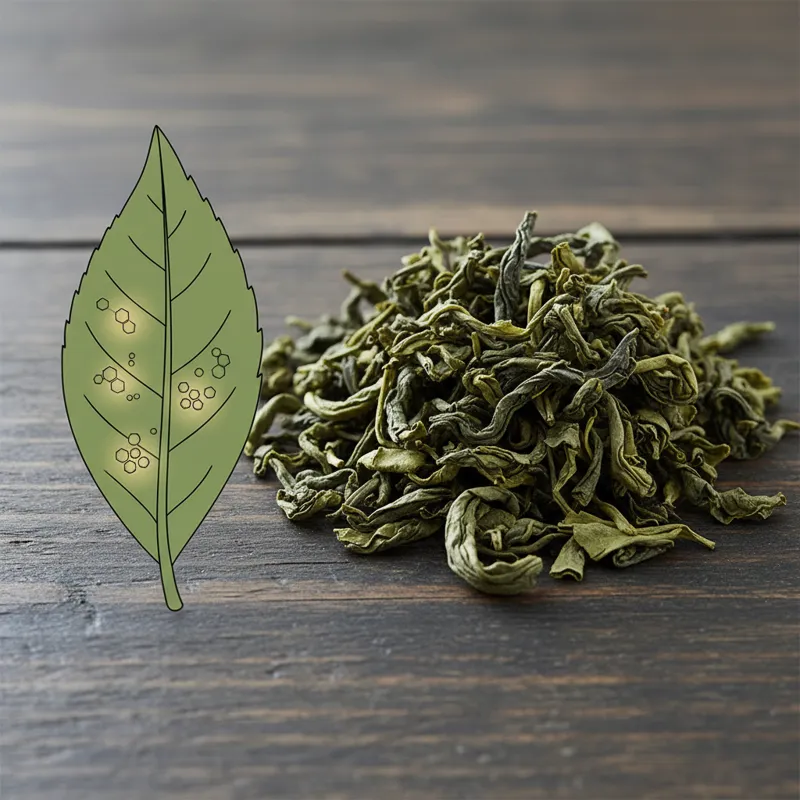
The caffeine in Arizona Green Tea isn’t an additive; it’s a naturally occurring compound in the main ingredient: green tea leaves. All true teas—green, black, oolong, white—are made from the leaves of the Camellia sinensis plant, which naturally produces caffeine as a defense mechanism against insects.
The final caffeine content in any tea beverage depends on several factors:
- Type of Tea: Black teas are typically higher in caffeine than green teas due to the oxidation process they undergo.
- Brewing Method: The water temperature and how long the tea is steeped affect how much caffeine is extracted from the leaves.
- Dilution: As a ready-to-drink iced tea, the brewed tea concentrate is diluted with water, which significantly lowers the caffeine concentration per ounce compared to a hot-brewed cup.
It’s important to note that the other prominent ingredients on the can, ginseng and honey, do not contain caffeine. Ginseng is an herbal root sometimes associated with energy, but it functions differently in the body and is not a stimulant in the same way as caffeine.
Tea is a beverage enjoyed worldwide, and its preparation and cultural significance vary greatly. Whether you’re ordering ‘té’ when exploring the culture behind the words for tea in Spanish or picking up an iced tea in the US, the foundation is the same remarkable plant.
Decoding the Caffeine Content Across the Arizona Lineup

Arizona makes much more than just its flagship green tea. Knowing what to grab when you want—or want to avoid—caffeine is helpful.
The Diet Arizona Green Tea Caffeine Question
This is a simple one. The Arizona Diet Green Tea with Ginseng has the same caffeine content as the regular version: 7.5 mg per 8 oz serving, or about 21.5 mg per 23 oz can. The only difference is the replacement of high-fructose corn syrup and honey with artificial sweeteners (sucralose and acesulfame potassium). The tea base remains the same.
What About Other Arizona Iced Teas?
Arizona’s black tea-based drinks generally contain more caffeine, which is consistent with the nature of black tea leaves. Here’s a quick breakdown of some popular options, always noting the amount per 8 oz serving:
- Southern Style Sweet Tea: 15 mg per 8 oz (approx. 43 mg per can)
- Arnold Palmer Half & Half: 11 mg per 8 oz (approx. 31.6 mg per can)
- Lemon Iced Tea: 15 mg per 8 oz (approx. 43 mg per can)
As you can see, their black tea options roughly double the caffeine of their green tea, but still fall well below a can of soda or a cup of coffee.
Finding Low-Caffeine and Caffeine-Free Arizona Options
If you’re looking to avoid caffeine entirely, Arizona has you covered. The company produces a line of herbal infusions that are naturally caffeine-free because they aren’t made from the Camellia sinensis plant. Look for their “Herbal Tea” products, such as:
- Mucho Mango
- Watermelon
- Fruit Punch
Always check the label, but typically, if it doesn’t say “black tea” or “green tea,” it’s likely a caffeine-free fruit juice cocktail or herbal infusion.
The Big Misconception: Serving Size vs. The Whole Can
This is the single most important detail people miss when evaluating the energizing power of an Arizona tea. The nutrition facts panel is legally required to list information per serving, and Arizona defines a serving as 8 ounces. But the can is 23 ounces.
Almost no one drinks a third of the can and saves the rest for later. You drink the whole thing.
This “serving size trap” applies to everything from calories and sugar to caffeine. When a friend says, “Oh, it only has 7.5 mg of caffeine,” they are technically correct about the serving size but practically wrong about the experience. The full can is the experience. Knowing the Arizona Green Tea how much caffeine question requires looking at the total package, not just the fine print. This is similar to how the perception of a drink’s healthiness can change when you consider the whole picture; for instance, the calories in a chai tea latte can seem modest per ounce but add up quickly in a large serving size.
A Quick Look at How Caffeine Works
Caffeine is a central nervous system stimulant. Its primary mechanism of action is blocking adenosine receptors in your brain. Adenosine is a neurotransmitter that promotes relaxation and sleepiness. It builds up in your brain throughout the day, creating “sleep pressure.”
When you consume caffeine, it fits into the adenosine receptors without activating them, effectively acting as a blocker. This prevents adenosine from doing its job, which leads to increased neuronal firing. Your pituitary gland perceives this as an emergency and releases hormones that tell your adrenal glands to produce adrenaline. The result? You feel more alert, focused, and less tired.
The effects of caffeine are well-documented, but sensitivity varies greatly from person to person. The FDA suggests a limit of 400 mg of caffeine per day for most healthy adults. One can of Arizona Green Tea (21.5 mg) barely makes a dent in that daily total. This makes it a great choice for those who are sensitive to caffeine or want a very mild lift without the jitters or anxiety that a strong coffee can induce.
Understanding this information is crucial for making informed choices about what you consume. It’s like how a website administrator needs precise information to manage their site effectively; sometimes a small technical change, like when they must change the PHP version in cPanel, can have a big impact on performance, just as understanding caffeine content can impact your body’s performance.
Frequently Asked Questions About Arizona Green Tea’s Caffeine
Let’s tackle some of the most common follow-up questions about Arizona Green Tea and its caffeine content.
Is Arizona Green Tea a good source of caffeine?
It depends on your goal. If you’re looking for a significant energy boost to replace your morning coffee, then no. Its caffeine level is very low. However, if you want a gentle, subtle lift in the afternoon without risking sleep disruption or jitters, it can be an excellent choice.
How many cans of Arizona Green Tea can I drink in a day?
From a caffeine perspective, you could drink several without approaching the FDA’s 400 mg recommended daily limit. It would take about 18 cans to hit that mark. However, the sugar content is a much more significant concern. A single can of the regular Green Tea contains 51 grams of sugar, which is well above the American Heart Association’s recommended daily limit for added sugar.
Will Arizona Green Tea keep me awake?
For most people, no. With only 21.5 mg of caffeine, it’s unlikely to cause sleeplessness unless you are extremely sensitive to caffeine or drink it immediately before trying to sleep. A cup of coffee (95 mg) or even a can of Coke (34 mg) is far more likely to interfere with your sleep.
Does the ginseng in Arizona Green Tea add to the energy effect?
Ginseng is an adaptogen, an herb believed to help the body resist stress. While some studies suggest it may combat fatigue, its effects are not the same as caffeine’s acute stimulation of the central nervous system. The amount in a can of Arizona is also relatively small. Most of the “energy” you feel is from the sugar and the very mild dose of caffeine.
The Bottom Line: A Moderate, Refreshing Boost
When you’re trying to figure out Arizona Green Tea how much caffeine it really has, the answer is: not very much. With about 21.5 mg in a full 23-ounce can, it’s a low-caffeine beverage that offers a gentle nudge rather than a powerful shove.
It has less caffeine than a can of soda and is dwarfed by the content in a standard cup of coffee. This makes it a fantastic option for a refreshing afternoon drink that won’t give you the jitters or keep you counting sheep at night. The main thing to watch out for, especially with the non-diet versions, is the high sugar content.
So next time you grab that iconic, floral-patterned can, you can be confident you know exactly what you’re getting: a sweet, refreshing tea with a very modest and manageable dose of caffeine.
Disclaimer: The information provided on bangladeshcountry.com regarding health benefits, diet, nutrition, caffeine consumption, and dental care is based on general internet research and is intended for general informational and educational purposes only.
We are independent publishers and are not licensed medical professionals, registered dietitians, or dentists. The content on this site is not a substitute for professional medical or dental advice, diagnosis, or treatment.
Individual responses to dietary changes, herbal teas, caffeine, and their effects on dental or overall health can vary significantly from person to person. Always seek the advice of your physician, dentist, or other qualified healthcare provider with any questions you may have regarding a medical or dental condition. Reliance on any information provided on this site is strictly at your own risk. We assume no liability for any adverse health or dental effects resulting from the use of this information.