

When you embark on the journey to bring a Birman cat into your home, you’re not just acquiring a pet; you’re inviting a “Sacred Cat of Burma” with a gentle spirit and captivating beauty. These cats are renowned for their striking blue eyes, silky medium-long coat, and the unique white ‘gloves’ on their paws. Finding the right Birman requires diligence, informed decision-making, and a commitment to responsible pet ownership. This guide offers five essential tips to help you navigate the process of finding a Birman cat for sale, ensuring you welcome a healthy, well-adjusted companion into your life in 2026.
Tip 1: Prioritize Reputable Birman Breeders – Your Foundation for a Healthy Companion
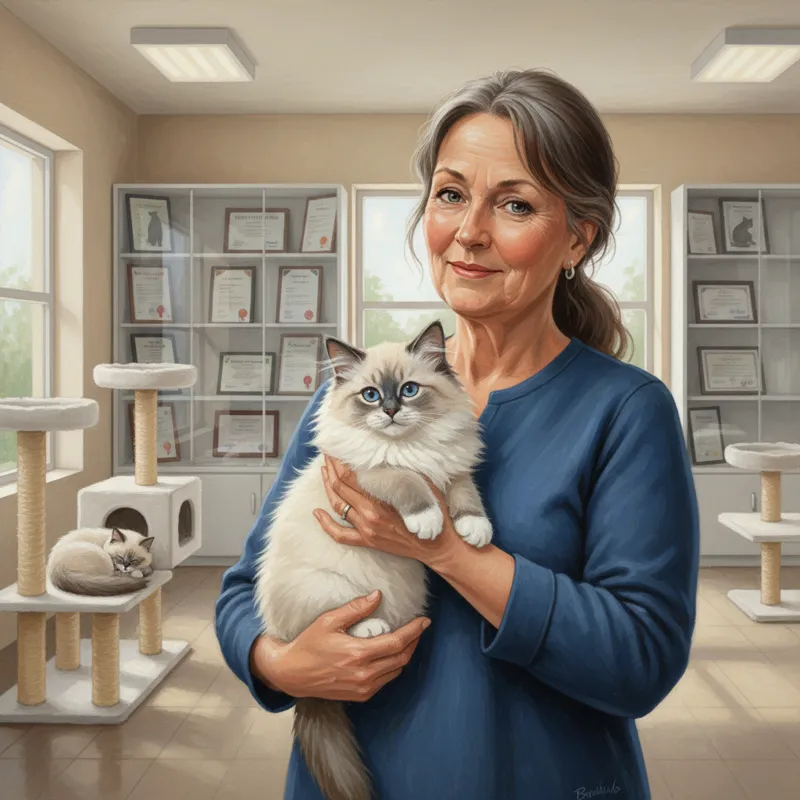
The single most critical step when looking for a Birman cat for sale is to identify and work with a reputable breeder. This isn’t merely about pedigree; it’s about supporting ethical practices that prioritize the health, temperament, and welfare of the cats above all else. A good breeder contributes positively to the breed’s future.
Identifying Legitimate Breeders
Legitimate Birman breeders operate with transparency and pride. They are typically registered with recognized cat associations like The Cat Fanciers’ Association (CFA) or The International Cat Association (TICA). This registration indicates adherence to breed standards and ethical guidelines. A key indicator of a reputable breeder is their commitment to health testing. Birmans can be prone to certain genetic conditions, such as Hypertrophic Cardiomyopathy (HCM) and Polycystic Kidney Disease (PKD). Responsible breeders will openly discuss their breeding cats’ health screenings and provide documentation, often including certifications from veterinary cardiologists or genetic testing labs. They should be able to explain the lineage and health history of both the kitten’s parents. Furthermore, a good breeder maintains a clean, stimulating, and loving environment for their cats and kittens. Kittens should be raised within the home, socialized with people and other animals, and appear active, curious, and well-fed. They should not be kept in isolated cages.
Red Flags to Watch For
Be wary of breeders who pressure you into a quick sale, refuse to allow you to visit their cattery, or cannot provide health records for the kitten’s parents. Avoid any seller offering multiple breeds in large quantities, as this often points to a “kitten mill” operation. These establishments often prioritize profit over animal welfare, leading to sickly or poorly socialized animals. Similarly, breeders who don’t ask you questions about your living situation, experience with cats, or your intentions for the Birman cat are likely not invested in the kitten’s future well-being. A responsible breeder wants to ensure their kittens go to good homes. They will also typically insist on a spay/neuter contract for pet-quality kittens. For more on ensuring a healthy feline companion, consider insights into preventing common issues like cat sneezing and watery eyes, which can be indicators of overall health.
Tip 2: Understand Birman Kitten Price and Budget Beyond the Purchase

The initial Birman kitten price is just one component of the overall financial commitment. Understanding both the upfront cost and the ongoing expenses is crucial for responsible pet ownership.
Average Birman Kitten Price Ranges
In 2026, the cost for a Birman kitten from a reputable US breeder typically ranges from $1,000 to $2,500. This price can vary significantly based on several factors:
- Breeder Reputation: Highly reputable breeders with championship lines and extensive health testing often command higher prices.
- Pedigree and Show Potential: Kittens bred for show quality or with exceptional lineage will be at the higher end of the spectrum. Pet-quality kittens (those not intended for breeding or showing) are usually less expensive but still come with the same health guarantees.
- Color and Markings: While all Birmans share the distinctive points and white gloves, certain rare colors or particularly perfect markings might influence the price.
- Location: Prices can fluctuate geographically, with some regions having higher demand or operational costs for breeders. This price usually includes initial vaccinations, deworming, a spay/neuter contract, and registration papers once proof of alteration is provided.
The True Cost of Birman Ownership
Beyond the purchase price, prepare for substantial ongoing costs throughout your Birman’s life, which can span 12-16 years or more. These include:
- Food and Nutrition: High-quality cat food is essential for your Birman’s health. Expect to spend $30-$80 per month, depending on the brand and your cat’s specific dietary needs.
- Veterinary Care: Routine check-ups, vaccinations, parasite prevention, and unexpected medical emergencies can be significant. Annual vet visits alone might range from $100-$300, not including unforeseen illnesses or accidents. Pet insurance is a wise investment, costing $20-$60 per month, to mitigate the financial impact of major medical events.
- Litter and Litter Box Supplies: Budget $20-$40 per month for quality litter.
- Grooming Supplies: Brushes, nail clippers, and possibly occasional professional grooming for their long coat.
- Essential Supplies: Initial purchases include a litter box, food and water bowls, a cat carrier, a comfortable bed, and scratching posts. These can total $150-$400 upfront.
- Enrichment and Toys: Keeping your Birman mentally and physically stimulated is important. Toys, cat trees, and other enrichment items are ongoing costs. For a broader perspective on pet care budgeting, resources like the ASPCA offer valuable insights into the annual costs associated with cat ownership. The ASPCA website provides detailed estimates that can help you plan.
Tip 3: Deep Dive into Birman Temperament and Characteristics for a Perfect Match

Understanding the Birman cat temperament and key Birman cat characteristics is crucial to ensure this breed is the right fit for your household and lifestyle. Birmans are distinct, not just in appearance but also in their disposition.
The ‘Sacred Cat of Burma’ Personality
Birmans are famously known as “gentle giants” among cat breeds, despite their medium size. They possess an exceptionally sweet, affectionate, and docile temperament.
- Affectionate and People-Oriented: They crave human companionship and are often described as “lap cats.” Birmans will follow you from room to room, eager to be involved in your activities. They thrive on interaction and can become lonely if left alone for extended periods.
- Gentle and Patient: Their patient nature makes them excellent companions for families with children and other pet-friendly animals, including dogs. They rarely use their claws aggressively and prefer to retreat rather than fight.
- Quiet and Soft-Spoken: Unlike some more vocal breeds, Birmans have a soft, melodious meow. They communicate gently, often with purrs and quiet chirps.
- Playful but Not Hyperactive: While they enjoy a good play session, Birmans are not overly boisterous. They appreciate interactive toys, puzzle feeders, and climbing structures, but they will just as happily curl up for a nap on your lap.
- Intelligent and Curious: They are curious cats who enjoy exploring their surroundings and watching the world from a high perch. They can even be taught simple tricks.
Key Birman Cat Characteristics
Beyond their charming personality, Birmans have several distinguishing physical traits that set them apart:
- Colorpoint Pattern with White Gloves: This is their most iconic feature. Birmans are a colorpoint breed, meaning their ears, mask, paws, and tail are darker than their body, with the intensity varying by color (seal, blue, chocolate, lilac, red, cream, and tortie points). However, unlike other colorpoints, Birmans have striking white ‘gloves’ on their front paws and white ‘laces’ (extending up the back of the hind legs) on their back paws. These markings are genetically distinct and a hallmark of the breed.
- Striking Blue Eyes: All Birmans have brilliant, deep blue eyes that are large and round.
- Silky Medium-Long Coat: Their single coat is plush and soft, without a dense undercoat, which makes it less prone to matting than some other long-haired breeds. It feels like silk to the touch.
- Sturdy Build: Birmans are medium-sized cats with a solid, muscular body. Males are typically larger than females.
- Rounded Features: They have a broad, rounded head, full cheeks, and a Roman nose. This unique combination of a gentle temperament and stunning appearance makes Birmans truly special companions. Understanding these traits ensures your expectations align with what a Birman offers, leading to a harmonious relationship. For a deep dive into the specific breed standards and characteristics, the Cat Fanciers’ Association (CFA) website is an invaluable resource.
Tip 4: Master Essential Birman Cat Care and Health Considerations
Bringing a Birman cat into your home means committing to their well-being for their entire life. Their unique features, particularly their coat, require specific care. Being proactive about their health is key to a long, happy life together.
Grooming Needs
Despite their medium-long hair, Birmans have a single coat texture that is less prone to matting compared to some other long-haired breeds. However, regular grooming is still essential.
- Brushing: Aim for two to three brushing sessions per week using a stainless steel comb or a soft slicker brush. This removes loose hair, prevents tangles, and distributes natural oils. During shedding seasons (typically spring and fall), daily brushing may be necessary.
- Nail Trimming: Trim your Birman’s claws every few weeks. Getting them accustomed to this from a young age makes it easier.
- Dental Care: Dental hygiene is crucial. Regular tooth brushing with cat-specific toothpaste can prevent periodontal disease. Veterinary dental cleanings may be recommended periodically.
- Ear Cleaning: Check their ears weekly for dirt or wax buildup. Clean gently with a vet-approved ear cleaner if needed.
Diet and Nutrition
A high-quality diet is fundamental to a Birman’s health, coat condition, and energy levels.
- Premium Cat Food: Choose a reputable brand of cat food, wet or dry, formulated for all life stages or specific life stages (kitten, adult, senior). Look for options with real meat as the first ingredient and limited fillers.
- Hydration: Always provide fresh, clean water. Cats, especially those on a dry kibble diet, benefit from multiple water sources, including ceramic bowls or a cat water fountain, to encourage drinking.
- Portion Control: Monitor your Birman’s weight and adjust food portions as recommended by your veterinarian to prevent obesity, which can lead to various health issues.
Common Birman Health Concerns
While Birmans are generally a healthy breed, they can be predisposed to certain genetic conditions. Reputable breeders will screen for these, but it’s important for owners to be aware:
- Hypertrophic Cardiomyopathy (HCM): This is a common heart condition in many cat breeds, including Birmans, where the heart muscle thickens. Regular cardiac screenings by a veterinary cardiologist for breeding cats help reduce its prevalence. Symptoms can be subtle, so regular vet check-ups are vital.
- Polycystic Kidney Disease (PKD): While more common in some other breeds, Birmans can also be affected. It involves the development of cysts on the kidneys. DNA testing is available for this condition.
- Feline Infectious Peritonitis (FIP): Though not genetic, Birmans might have a higher susceptibility. This serious viral disease has seen advancements in treatment options in recent years.
- Eye and Ear Issues: Some Birmans may develop mild eye discharge or ear infections if not regularly cleaned.Disclaimer: This information is for educational purposes only and is not a substitute for professional veterinary advice. Always consult with a qualified veterinarian regarding your Birman’s specific health concerns and care plan.
Creating a Safe and Stimulating Environment
Birmans thrive in a loving, interactive home.
- Scratching Posts: Provide multiple scratching posts or cat trees to satisfy their natural urge to scratch, protecting your furniture.
- High Perches: They love to observe their surroundings from above. Cat trees or shelves are excellent additions.
- Interactive Play: Engage in daily play sessions using wand toys, laser pointers, or puzzle toys to keep them physically active and mentally stimulated.
- Safety: Ensure your home is cat-proofed, especially if your Birman will have outdoor access (which is generally not recommended for pedigree cats due to safety and health risks). Secure windows, toxic plants, and small ingestible items.
Tip 5: Prepare with the Right Birman Cat Supplies Before They Arrive
Having all the necessary supplies ready before your Birman kitten or cat arrives will significantly ease their transition into your home. A well-prepared environment reduces stress for both you and your new companion.
Core Essentials
These are the absolute must-haves for any cat owner.
- Litter Box and Litter: Choose a litter box that is large enough for your Birman to comfortably turn around in. Many Birmans appreciate a top-entry or hooded box for privacy. Select a high-quality, unscented cat litter. You may need more than one litter box for multiple levels of your home or if you have more than one cat.
- Food and Water Bowls: Stainless steel, ceramic, or glass bowls are best as they are easy to clean and resist bacterial growth. Avoid plastic, which can harbor bacteria and contribute to feline acne.
- Cat Carrier: A sturdy, secure carrier is essential for safe transport to the veterinarian and for any travel. Look for one that is well-ventilated and easy to clean.
- Comfortable Bed: While your Birman will likely choose to sleep wherever you are, a cozy bed provides a designated safe space for them to rest.
- Identification: A collar with an ID tag (including your contact information) and a microchip are critical for identification if your cat ever gets lost. Ensure the collar is a breakaway safety collar.
Enrichment Items
Birmans are intelligent and playful, so providing enrichment is vital for their mental and physical well-being.
- Scratching Posts/Pads: Offer a variety of textures and orientations (vertical, horizontal) to satisfy their scratching instincts. A tall cat tree with multiple levels and scratching surfaces is an excellent investment.
- Toys: Stock up on a variety of toys, including interactive wand toys, crinkle balls, puzzle feeders, and soft mice. Rotate toys regularly to keep them engaged. For a touch of style, you might even consider a cat bow tie for special occasions, adding to their charming appearance.
- Cat Tree/Climbing Structure: Birmans enjoy climbing and observing their territory from a high vantage point. A sturdy cat tree provides both entertainment and a sense of security.
Health & Grooming Tools
As covered in Tip 4, specific tools are needed to maintain your Birman’s coat and overall hygiene.
- Brushes/Combs: A slicker brush, a deshedding tool (like a Furminator), and a fine-toothed comb will help keep their silky coat free of tangles and mats.
- Nail Clippers: Invest in good quality cat-specific nail clippers.
- Cat Toothbrush and Toothpaste: Starting a dental routine early is beneficial.
- Pet First-Aid Kit: Include items like wound disinfectant, gauze, and vet wrap for minor emergencies. Preparing these items in advance ensures a smooth and welcoming arrival for your new Birman, allowing them to settle in quickly and comfortably.
Things People Usually Miss When Looking for a Birman Cat for Sale
When searching for a Birman cat for sale, many prospective owners focus heavily on the kitten’s immediate appeal, price, and health records, which are all critical. However, several often-overlooked aspects can significantly impact the long-term relationship with your Birman. Firstly, people often underestimate the importance of post-purchase breeder support. A reputable breeder doesn’t just sell you a kitten and disappear. They should be available to answer questions, offer advice, and provide guidance throughout your Birman’s life. This ongoing relationship is invaluable, especially for first-time Birman owners. If a breeder seems uninterested in staying in touch or offering support, it’s a red flag. Secondly, the nuances of early socialization are frequently missed. While a good breeder handles early socialization, understanding how a kitten was raised in its first few weeks can predict its future adaptability. Ask about how many different people the kittens interacted with, exposure to household noises, and early litter training habits. A kitten isolated early on may struggle with confidence and new experiences later. Another key area is genetic testing depth. Beyond just hearing that parents are “health tested,” ask for specifics. What actual genetic tests were performed? What were the results? Are the results publicly verifiable (e.g., through OFA or Paw Print Genetics databases)? Simply stating “vet checked” is not enough for genetic conditions like HCM or PKD, which require specialized screenings. Lastly, new owners sometimes fail to consider the emotional impact of a long-term commitment. Birmans are highly social and thrive on companionship. If your lifestyle involves frequent long absences from home, a Birman might not be the best fit, or you’ll need to arrange for consistent interaction, such as a pet sitter or a feline companion. This isn’t just a pet for a few years; it’s a 12-16 year commitment, requiring consistent love and attention. Responsible pet ownership is a significant responsibility, and resources like The Humane Society’s guide on finding a responsible pet breeder underscore the importance of these long-term considerations.
Birman Cat Adoption as an Alternative
While many people seek a Birman cat for sale from a breeder, adoption is a viable and rewarding alternative that shouldn’t be overlooked. Birman-specific rescue organizations or general cat rescues sometimes have purebred Birmans or Birman mixes available. These cats, often surrendered due to owner circumstances, are typically health-checked, spayed/neutered, and microchipped before adoption. The adoption fee is usually significantly less than a breeder’s price, and you provide a loving home to a cat in need. If you’ve recently experienced the loss of a beloved pet, resources like articles on choosing a cat urn can help in honoring their memory, and adopting can be a beautiful way to offer a new beginning to another deserving animal.
Birman Cat for Sale: Your Questions Answered (FAQ)
What is the typical lifespan of a Birman?
Birmans generally live for 12 to 16 years, with many living even longer, especially when provided with excellent nutrition, regular veterinary care, and a loving, low-stress environment.
Are Birmans good with children and other pets?
Yes, Birmans are renowned for their gentle, patient, and tolerant nature, making them excellent companions for families with respectful children and getting along well with other pet-friendly animals, including dogs. Their non-aggressive disposition allows them to adapt easily.
How much exercise does a Birman need?
Birmans are not overly energetic but do enjoy playtime. Daily interactive play sessions (15-30 minutes) with wand toys or laser pointers, along with access to climbing structures and puzzle feeders, are usually sufficient to keep them physically active and mentally stimulated.
Do Birmans shed a lot?
Birmans have a single, silky coat without a dense undercoat, which means they shed less than many other long-haired breeds. However, they do shed, particularly during seasonal changes. Regular brushing (2-3 times a week) helps manage loose hair and minimize shedding around the home.
Disclaimer: The pet care information on bangladeshcountry.com is based on general internet research and is provided for informational and educational purposes only. We are independent publishers and researchers, not licensed veterinarians or animal health professionals. The content on this site is not a substitute for professional veterinary advice, diagnosis, or treatment. Always consult your veterinarian regarding your pet’s health, diet, or behavior. Reliance on this information is solely at your own risk.