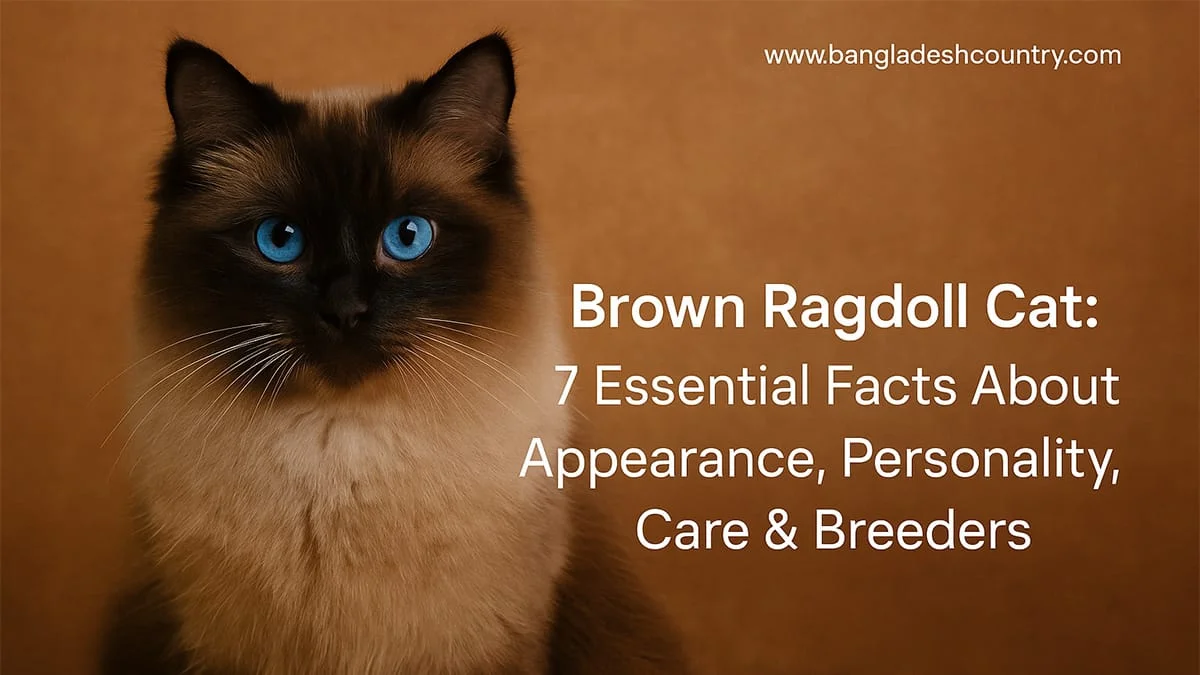
The idea of a “brown Ragdoll cat” often sparks curiosity and a bit of confusion among cat enthusiasts and prospective owners. While the term conjures an image of a solid, rich brown feline, the reality of Ragdoll genetics is a touch more nuanced and, frankly, fascinating. It’s a common misconception that needs a closer look, especially when considering the specific, beautiful palette that defines this popular breed. Understanding what truly constitutes a “brown” hue in the Ragdoll world is key to appreciating their diverse and stunning appearances.
The “Brown” Ragdoll Cat: A Deep Dive into Color Genetics
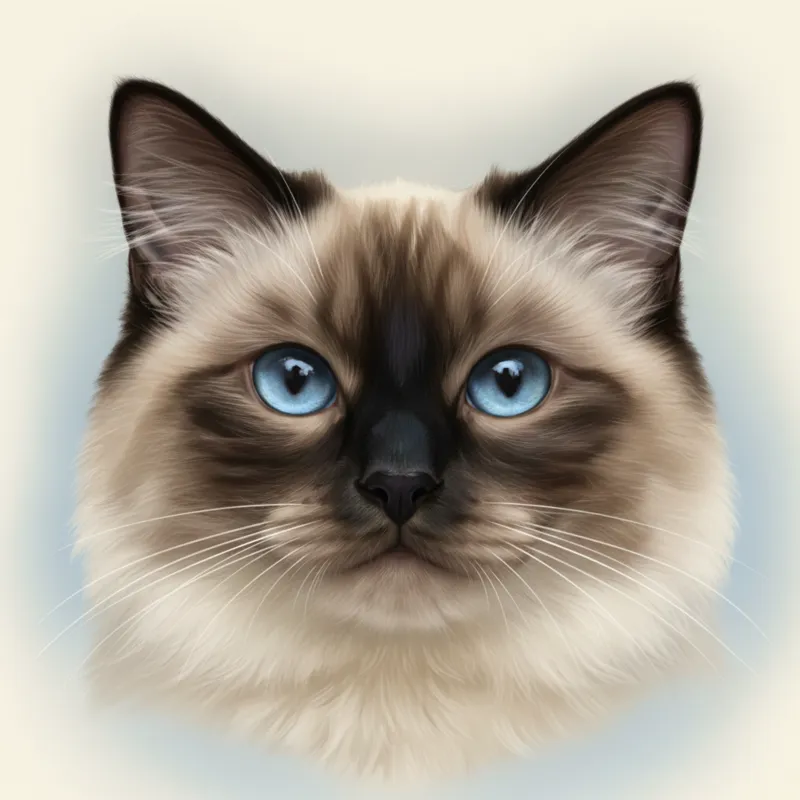
When someone refers to a “brown Ragdoll cat,” they are almost always referring to a Ragdoll with seal point or chocolate point coloration. These are the darkest, most richly pigmented points available in the breed, and they often carry a profound depth that some might describe as brown. However, it’s crucial to understand that a solid, non-pointed brown coat is not a recognized color for Ragdolls by major cat associations like the Cat Fanciers’ Association (CFA) or The International Cat Association (TICA). Ragdolls are defined by their “point restricted” gene, meaning their color is concentrated at the cooler extremities of their body – the face, ears, paws, and tail – with a lighter body. This is the genetic mechanism behind their signature look. The point coloration gene (cs) is temperature-sensitive. Pigment only develops in the cooler areas of the body, which is why a Ragdoll’s torso and belly are typically a lighter shade, often cream or white. A true “brown” cat, like a Havana Brown or certain oriental shorthairs, has an even distribution of brown pigment across its entire body, which is a different genetic expression altogether. For a Ragdoll, the closest you get to a consistent brown is through the point colors that create a stark, dark contrast.
Ragdoll Color Spectrum: Understanding the Nuances
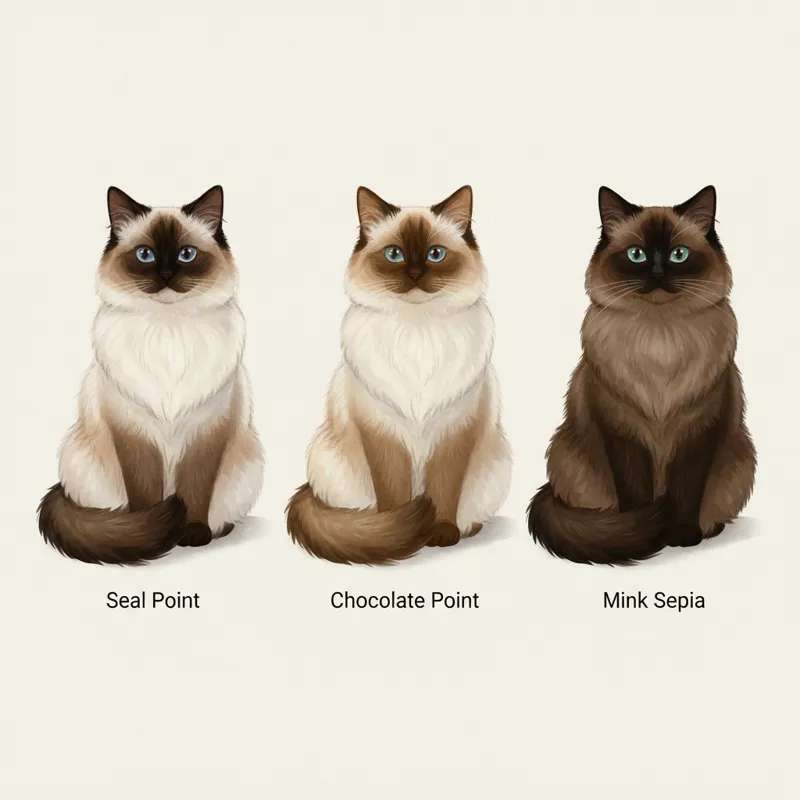
The Ragdoll breed boasts a magnificent array of recognized colors and patterns, far beyond just two or three. Each color and pattern combination adds to the breed’s allure. Let’s break down the primary color categories and patterns to clarify where “brown” fits in.
Traditional Point Colors:
- Seal Point: This is the most common and often the color people mistake for a true “brown Ragdoll cat.” Seal points have very dark brown (almost black) points, ranging from deep seal brown to a rich coffee brown. Their body color is typically a warm cream or fawn.
- Chocolate Point: Lighter and warmer than seal points, chocolate points have a distinct milk chocolate or cinnamon brown coloration on their points. Their body color is often ivory, providing a softer contrast than seal points.
- Blue Point: Characterized by slate gray points, often with a bluish cast. The body is an icy white or bluish-white.
- Lilac Point: The dilute form of chocolate, lilac points have frosty gray or pinkish-gray points, giving them a delicate, almost lavender hue. Their body is off-white.
- Red (Flame) Point: These Ragdolls exhibit orange-red or apricot points. The body is cream.
- Cream Point: The dilute form of red, cream points have softer, pastel cream or buff points with an off-white body.
Patterns That Enhance the Colors:
- Colorpoint: The classic pointed pattern, with no white on the paws or body.
- Mitted: These cats have white “mittens” on their front paws and white “boots” on their hind legs, along with a white chin and often a white stripe or blaze on the nose.
- Bicolor: Features a distinctive inverted “V” marking on the face, with white extending up the legs, under the belly, and around the ruff. Their body color is typically much lighter, often almost entirely white, especially on the underside.
- Van: A more extreme form of bicolor, with color restricted primarily to the ears, tail, and possibly a few small body spots, leaving the majority of the cat white.
Non-Traditional & Mink/Sepia Ragdolls:
Beyond these standard colors and patterns, there are “non-traditional” Ragdolls, often referred to as Mink, Sepia, or Solid. These cats carry different genetic markers that alter the depth and spread of their color:
- Mink Ragdolls: These cats have a richer, deeper color saturation throughout their body and points, making the contrast less stark than traditional points. Their coats feel incredibly soft, like mink fur. A chocolate mink Ragdoll might be perceived as a more uniformly “brown Ragdoll cat” due to the deeper body color. They also often have stunning aqua or green eyes, rather than the traditional blue.
- Sepia Ragdolls: Even darker than minks, sepia Ragdolls have very dark, almost solid coloration across their entire body, with minimal contrast between points and body. A sepia chocolate or seal might be the closest a Ragdoll comes to a genuinely all-brown appearance, though still distinct from a solid brown breed. These often have gold or green eyes.
- Solid Ragdolls: These cats lack the point restriction gene entirely and exhibit a uniform color across their body, much like other solid-colored breeds. While genetically still Ragdolls, their solid coat means they don’t meet the breed standard for most major registries, as the point gene is a defining characteristic of the breed. These non-traditional variations are not recognized for championship status by most major breed registries, but they are bred and loved by many enthusiasts. It’s important for prospective owners to understand these distinctions when researching Ragdoll kittens, as they can also influence pricing and availability, particularly for breeders specializing in these unique expressions.
Chocolate Point vs. Seal Point: Decoding the “Brown” Illusion
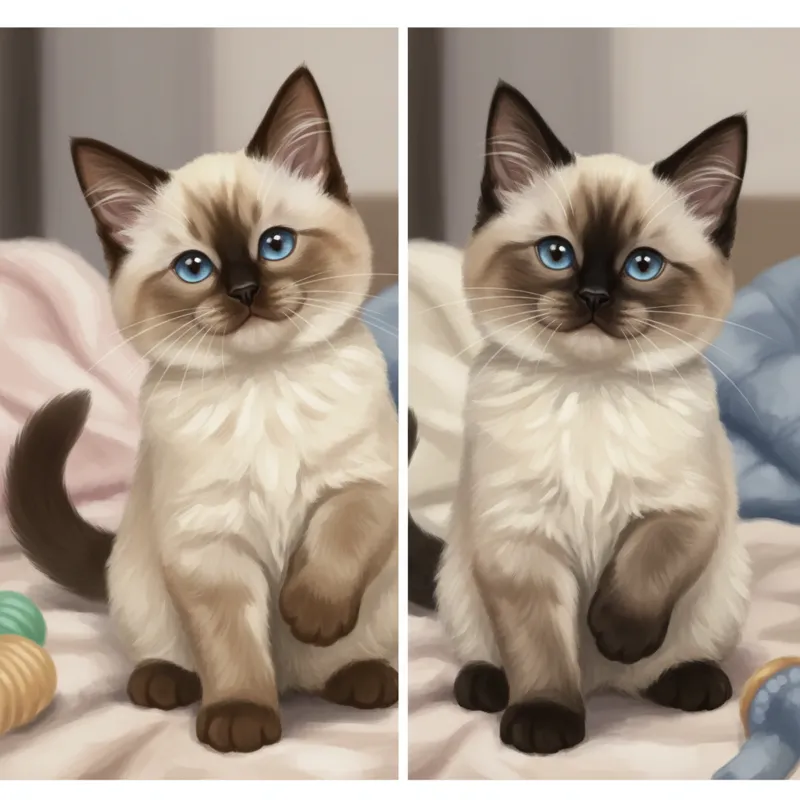
To truly understand what people mean by a “brown Ragdoll cat,” we need to zoom in on the two primary colors most often associated with brown: Seal Point and Chocolate Point. While both offer a beautiful spectrum of dark hues, they are distinctly different.Seal Point Ragdolls display the darkest form of the point gene. Their points – ears, mask, paws, and tail – are a deep, rich, often almost black-brown. Imagine the color of dark roasted coffee beans or a traditional seal wax. The body color of a seal point is typically a warm cream or fawn, gradually darkening with age. This contrast is a hallmark of the Ragdoll breed. The depth of color on the points can sometimes appear so dark that it seems black, especially in certain lighting.Chocolate Point Ragdolls, on the other hand, offer a softer, warmer brown. Their points resemble milk chocolate, cinnamon, or even a subtle reddish-brown tone. The body color is a lighter ivory or pale cream, providing a gentler contrast than seal points. If you’re envisioning a more classic “brown” tone, the chocolate point is often closer to that ideal than the deeper seal. Distinguishing between them, especially in young Chocolate point Ragdoll kittens, can sometimes be tricky. Seal points tend to have a colder, almost charcoal undertone, while chocolate points have a noticeably warmer, reddish hue. Experienced breeders will typically know the difference from birth or early weeks based on paw pad color and developing point shades. Both colors are stunning, but if you’re picturing a specific “brown Ragdoll cat,” understanding these subtle differences is paramount.
Unveiling the Ragdoll Personality: More Than Just a Pretty Face
Beyond their captivating looks, Ragdoll cats are truly celebrated for their unique and endearing personalities. This is arguably the most defining characteristic of the breed and what endears them to so many families. The term “Ragdoll cat personality” isn’t just marketing; it’s a genuine descriptor of their temperament. These cats are renowned for their docile, laid-back, and affectionate nature. They earned the name “Ragdoll” because of their tendency to go limp and relaxed when picked up, much like a child’s ragdoll toy. This isn’t just a quirk; it speaks to their incredible trust and comfort around humans. They thrive on companionship and are often described as “dog-like” in their devotion, frequently following their owners from room to room. Ragdolls are known for being gentle giants. They’re typically patient and tolerant, making them excellent companions for families with children and other pets, including dogs. Their soft voices and non-aggressive demeanor mean they’re more likely to “ask” for attention than demand it. They enjoy being involved in family activities, whether it’s lounging on the sofa next to you or “helping” with household chores. A Chocolate Ragdoll lifespan typically extends to 12-15 years or more, offering a long period of delightful companionship. It’s important to remember that while this general temperament is characteristic of the breed, individual personalities can vary slightly. Factors like early socialization, genetics, and environment all play a role in shaping a cat’s behavior. But generally, if you’re looking for a calm, loving, and highly social feline, a Ragdoll is an exceptional choice. They truly excel as indoor companions. You might also find it interesting to consider if https://www.bangladeshcountry.com/are-cats-cleaner-than-dogs/ applies to these fastidious felines.
Care and Maintenance for Your Ragdoll Companion
While Ragdolls possess a luxurious, semi-longhaired coat, their grooming needs are surprisingly manageable compared to some other long-haired breeds. Their fur is often described as “rabbit-like” – silky and not prone to matting as easily as some other long-haired cats, thanks to the lack of an insulating undercoat. However, proper care is still essential for their health and comfort.Grooming: Regular brushing, about 2-3 times a week, is usually sufficient to prevent tangles, remove loose fur, and reduce shedding. This also helps distribute natural oils, keeping their coat healthy and shiny. During seasonal changes, when shedding might increase, more frequent brushing can be beneficial. Many Ragdolls actually enjoy the grooming process, seeing it as another form of attention.Diet and Nutrition: A high-quality, balanced diet is crucial for a Ragdoll’s overall health and the luster of their coat. Look for cat foods with real meat as the first ingredient and avoid excessive fillers. Given their size, they often have healthy appetites, but monitoring food intake to prevent obesity is important. Access to fresh water is also paramount. You might consider specific supplements or types of https://www.bangladeshcountry.com/pet-milk/ formulated for cats, if recommended by your vet, but generally fresh water is always best.Health Considerations: Ragdolls are generally a healthy breed, but like all purebreds, they can be predisposed to certain genetic conditions.
- Hypertrophic Cardiomyopathy (HCM): This is the most common heart disease in cats. Responsible breeders will screen their breeding cats for the genetic marker for HCM.
- Polycystic Kidney Disease (PKD): While less common in Ragdolls than some other breeds, screening for PKD is also a good practice for breeders.
- Urinary Tract Issues: Due to their laid-back nature and sometimes lower water intake, Ragdolls can be prone to urinary issues. Encouraging hydration with water fountains or wet food can help. Regular veterinary check-ups are vital for early detection and preventative care. With proper nutrition, regular grooming, and attentive veterinary care, a Chocolate Ragdoll lifespan can be long and full of vitality.
Finding a Reputable Ragdoll Breeder: A Crucial Step
Deciding to bring a Ragdoll into your home is an exciting prospect, and choosing the right breeder is perhaps the most critical decision you’ll make. This choice significantly impacts the health, temperament, and overall well-being of your future companion. When looking for Ragdoll cat breeders USA, it’s about more than just finding a pretty kitten; it’s about finding an ethical, knowledgeable professional.Health Screening and Pedigree: A reputable breeder prioritizes the health of their cats above all else. They should readily provide proof of health screenings for common Ragdoll genetic conditions, such as HCM and PKD, for both parent cats. They will also be transparent about the kitten’s lineage and provide registration papers from organizations like CFA or TICA. This ensures you’re getting a true Ragdoll from a healthy line.Environment and Socialization: Visit the breeder’s home or ask for video tours. Kittens should be raised in a clean, stimulating environment, interacting with the breeder and other cats. Early socialization is paramount for developing a well-adjusted, confident Ragdoll personality. A breeder who keeps their cats in isolated cages is a red flag.Questions to Ask: Don’t hesitate to ask detailed questions:
- What health screenings do you perform on your breeding cats?
- What is the kitten’s diet?
- How often are the kittens handled and socialized?
- What is your return policy or health guarantee?
- Can I see the parents?Understanding Pricing: The price of a Ragdoll kitten can vary significantly based on lineage, color, pattern, and whether it’s pet quality or show quality. Don’t be swayed solely by a low price, as this can often indicate corners cut on health or care. Be especially diligent if you’re considering a Mink Ragdoll price, as these often command a different price point due to their unique genetics and relative rarity within traditional circles. According to a Forbes article on cat breeds, Ragdolls are consistently among the most popular due to their temperament and appearance, further emphasizing the importance of ethical breeding.Avoiding Puppy Mills/Backyard Breeders: Steer clear of breeders who offer multiple breeds, sell through pet stores, or can’t provide clear answers to your questions. These are often signs of unethical practices that prioritize profit over the welfare of the animals. A good breeder will also want to ask you questions to ensure their kitten is going to a suitable home. Remember, finding a https://www.bangladeshcountry.com/pet-friendly-houses-for-rent/ is also crucial for your new feline family member.
What Most People Get Wrong About Ragdoll Colors (The “Brown” Confusion Revisited)
The most significant misconception regarding Ragdoll cat colors, and particularly the “brown Ragdoll cat,” is the idea that a solid, uniformly brown Ragdoll exists and is a recognized part of the breed standard. This simply isn’t the case for major cat registries. While a Ragdoll can indeed appear to be largely brown, especially a very dark seal point or a sepia variant, it will always fundamentally possess the point restriction gene. This means that if you were to shave a patch of fur, or if the cat spent time in a warmer environment, the underlying lighter body color would be evident. A solid brown cat, like a Havana Brown, has a genetic makeup that distributes pigment evenly across its entire body, a trait not found in standard Ragdolls. The confusion often stems from the rich, deep tones of seal and chocolate points, which are very much within the brown spectrum. However, they are point colors, not solid body colors. When someone asks for a “brown Ragdoll cat,” they are likely looking for the dramatic contrast and deep pigment of a seal point, or the warm, softer hues of a chocolate point. Breeders who advertise “solid brown Ragdolls” are usually working with non-standard colors that, while beautiful, do not conform to the established Ragdoll breed profile recognized by mainstream cat fancy organizations. It’s a subtle but critical distinction for breed purity and understanding. For official breed standards and color descriptions, the Cat Fanciers’ Association (CFA) website is an excellent resource.
Frequently Asked Questions (FAQ) About Ragdoll Cats
Here are some common questions prospective Ragdoll owners often ask:
Are Ragdoll cats truly hypoallergenic?
No. No cat breed is truly 100% hypoallergenic. Ragdolls, like all cats, produce dander and saliva that contain the Fel d 1 protein, which is the primary allergen for most people. While some individuals with mild allergies might tolerate Ragdolls better due to their less dense undercoat and lower shedding, they are not considered a hypoallergenic breed.
How much does a Ragdoll cat cost?
The price of a Ragdoll kitten in the USA typically ranges from $1,000 to $2,500, and sometimes higher for show-quality cats or rare colors/patterns. This price reflects the breeder’s investment in health testing, quality care for parents and kittens, pedigree registration, and early socialization. “Mink Ragdoll price” might be on the higher end due to specialized breeding.
Do Ragdolls shed a lot?
Ragdolls have a semi-longhaired coat with no undercoat, which means they shed less than some other long-haired breeds. However, they are not non-shedding. Regular brushing (2-3 times a week) significantly helps manage shedding and keeps their coat in good condition.
Can Ragdolls be an indoor-only cat?
Yes, it is highly recommended that Ragdolls be kept as indoor-only cats. Their docile, trusting nature makes them vulnerable to outdoor hazards such as traffic, predators, and theft. Their gentle demeanor also means they are not well-equipped to defend themselves against other animals.
What’s the difference between a traditional Ragdoll and a mink Ragdoll?
Traditional Ragdolls have distinct point coloration (darker extremities, lighter body) and always have blue eyes. Mink Ragdolls carry a different genetic trait that results in a richer, deeper color saturation across their entire body, making the contrast between points and body less pronounced. Mink Ragdolls also typically have aqua, green, or gold eyes, rather than blue. They are not recognized for championship status by major cat registries.
Conclusion
The quest for a “brown Ragdoll cat” ultimately leads to a deeper appreciation for the breed’s exquisite genetics and the stunning variety of point colors. While a solid, uniform brown Ragdoll isn’t a recognized standard, the rich seal point and warm chocolate point Ragdolls offer shades of brown that are both beautiful and true to the breed’s unique characteristics. These cats are not just visually striking; their gentle, affectionate, and intelligent nature makes them truly exceptional companions. Understanding their specific color definitions, care requirements, and the importance of responsible breeding ensures that you’re welcoming a healthy, well-adjusted feline into your life, ready to offer years of joyful companionship.
Disclaimer: The pet care information on bangladeshcountry.com is based on general internet research and is provided for informational and educational purposes only. We are independent publishers and researchers, not licensed veterinarians or animal health professionals. The content on this site is not a substitute for professional veterinary advice, diagnosis, or treatment. Always consult your veterinarian regarding your pet’s health, diet, or behavior. Reliance on this information is solely at your own risk.