
As a devoted cat owner, you’re likely familiar with the routine veterinary visits that keep your feline friend purring happily. While vaccinations and general wellness check-ups are crucial, there’s one area often overlooked until problems arise: dental health. When your veterinarian discusses your cat’s oral health, they’ll often refer to a document called a cat dental chart. This isn’t just a simple record; it’s a critical diagnostic tool, a roadmap detailing the precise state of your cat’s mouth, tooth by tooth. Understanding the common notations on this chart can empower you to grasp the seriousness of any issues and make informed decisions about your cat’s care, moving beyond just hearing “your cat needs a dental cleaning” to truly understanding why.
What is a Cat Dental Chart and Why Does It Matter?
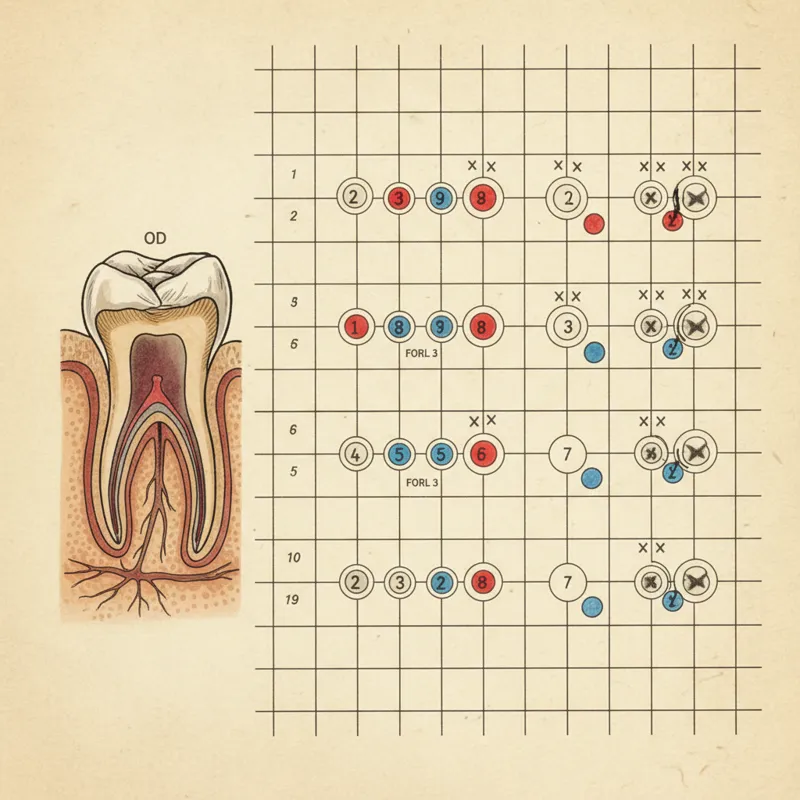
A cat dental chart is essentially a detailed diagram of your cat’s mouth, with each tooth individually represented and space for specific observations and findings. Think of it like a medical blueprint for their oral cavity. Veterinary professionals use these charts during comprehensive oral exams, which are typically performed under anesthesia to allow for a thorough and pain-free assessment.
Its importance cannot be overstated. Without a standardized charting system, tracking dental disease progression, identifying specific problem areas, and formulating effective treatment plans would be incredibly difficult. It provides a consistent, objective record that can be referred to over time, helping to monitor ongoing conditions and evaluate the success of treatments. This meticulous documentation ensures nothing is missed, from early gingivitis to severe periodontal disease.
The Anatomy of a Feline Mouth: A Quick Refresher
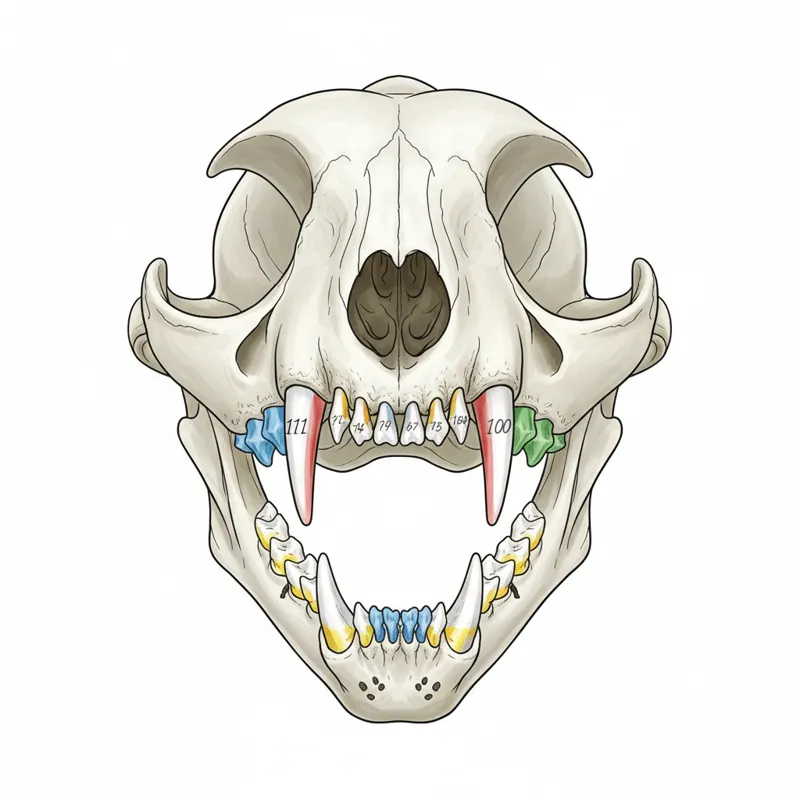
Before diving into the chart notations, a brief understanding of feline dental anatomy is helpful. Adult cats typically have 30 permanent teeth, fewer than dogs or humans. These are divided into four quadrants: upper right, upper left, lower left, and lower right.
- Incisors: Small, at the very front, used for grasping.
- Canines (Fangs): Long, pointed teeth used for tearing and holding prey.
- Premolars: Located behind the canines, used for shearing food.
- Molars: At the back, also for shearing.
Each type of tooth plays a specific role, and dental problems can affect any of them. Knowing their basic location helps you orient yourself on the cat dental chart.
Decoding the Numbers: The Modified Triadan System
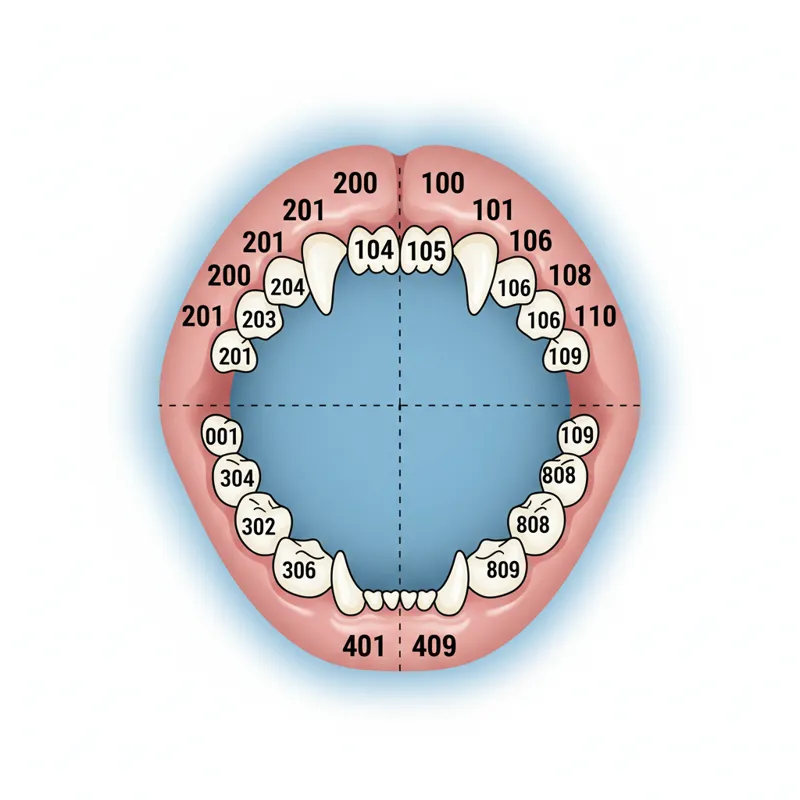
The universal language for identifying specific teeth in animals is the Modified Triadan System. This standardized numbering system is used worldwide, ensuring that any vet, anywhere, can understand exactly which tooth is being discussed or treated. Without it, the cat dental chart would be chaotic.
Here’s how it works:
- The mouth is divided into four quadrants, numbered clockwise starting from the upper right.
- Upper Right = 100 series (e.g., 101, 102…)
- Upper Left = 200 series (e.g., 201, 202…)
- Lower Left = 300 series (e.g., 301, 302…)
- Lower Right = 400 series (e.g., 401, 402…)
Within each series, the teeth are numbered from front to back. For instance, the upper right canine is tooth 104, while the lower left first molar is 309. This precise identification is fundamental to accurately noting conditions on the cat dental chart.
7 Vital Signs in the Cat Dental Chart to Know
These seven indicators represent some of the most critical pieces of information recorded during a professional dental examination. Understanding them gives you a direct window into your cat’s oral health status.
1. Plaque and Calculus (Tartar) Accumulation (P/C)
What it means: Plaque is a sticky, colorless film of bacteria that constantly forms on teeth. If not removed, it hardens into calculus, commonly known as tartar. This yellowish-brown deposit firmly adheres to the tooth surface, both above and below the gum line. The cat dental chart typically grades plaque (P) and calculus (C) on a scale, often 0-4, with 0 being none and 4 being severe accumulation covering most of the tooth surface.
Why it’s vital: Plaque and calculus are the primary culprits behind most dental diseases. They create a rough surface where more bacteria can thrive, irritating the gums and leading to inflammation and infection. Early detection and removal are key to preventing more serious problems down the line.
2. Gingivitis (G)
What it means: Gingivitis is the inflammation of the gum tissue, often the first visible sign of dental disease. It’s caused by bacteria in plaque accumulating along the gum line. On a cat dental chart, gingivitis is usually graded from G0 (no inflammation) to G3 or G4 (severe inflammation, redness, swelling, and bleeding).
Why it’s vital: Gingivitis is reversible with professional cleaning and good home care. However, if left untreated, it almost always progresses to periodontitis, which is a much more serious and irreversible condition. Recognizing this notation means your vet is observing early, but treatable, gum disease.
3. Periodontal Probing Depths (PD or PPD)
What it means: During a dental exam under anesthesia, a thin probe is gently inserted into the sulcus, the small space between the gum and the tooth. The depth of this space is measured in millimeters (mm). Normal probing depths in cats are typically less than 1 mm. Deeper pockets indicate attachment loss between the gum and the tooth root.
Why it’s vital: Probing depths are one of the most accurate indicators of periodontal disease, reflecting how much of the supporting structures around the tooth have been damaged. Pockets exceeding 1 mm suggest the presence of periodontitis and potential bone loss. These measurements are crucial for determining the stage of periodontal disease and guiding treatment decisions, such as whether a tooth can be saved or needs extraction.
4. Bone Loss and Furcation Involvement (F)
What it means: As periodontitis progresses, the infection attacks the bone supporting the teeth. Bone loss can be seen on dental radiographs (X-rays) and its extent is often noted on the cat dental chart. Furcation involvement refers to bone loss around the roots of multi-rooted teeth (premolars and molars), where the roots diverge. It’s graded F1 (initial involvement) to F3 (severe bone loss, probe passes completely through the furcation).
Why it’s vital: Bone loss and furcation involvement indicate significant, irreversible damage to the tooth’s support structure. F3 furcation involvement, for example, means the tooth has lost a substantial amount of its anchor and is likely painful and unstable, often necessitating extraction. This is a clear sign of advanced disease.
5. Tooth Resorption (TR or FORL)
What it means: Feline Odontoclastic Resorptive Lesions (FORLs), now often just called Tooth Resorption (TR), are excruciatingly painful lesions where the tooth structure is gradually eaten away. These lesions can occur anywhere on the tooth, from the crown to the root, often at or below the gum line, making them hard to spot without a thorough exam and X-rays. They are graded TR1 to TR5 based on severity and depth of destruction.
Why it’s vital: Tooth resorption is incredibly common in cats, affecting more than 50% of felines over the age of five. It’s often called the “cavity” of cats, but it’s fundamentally different from human cavities. Cats with TR are in chronic pain, which they often hide remarkably well. Identifying TR on the cat dental chart mandates extraction of the affected tooth to alleviate suffering. Delaying treatment leads to prolonged pain.
6. Fractured or Worn Teeth (FX or AT)
What it means: Fractured teeth (FX) occur when part of a tooth breaks off, often exposing the sensitive pulp chamber (nerve). This can happen from chewing on hard objects, trauma, or even significant tooth resorption. Attrition (AT) or abrasion (AB) describes excessive wear on the tooth surface, usually from grinding or chewing specific materials.
Why it’s vital: A fractured tooth with pulp exposure is extremely painful and prone to infection, which can spread to the jawbone or bloodstream. These teeth typically require extraction or, in some cases, root canal therapy. Worn teeth might not always be painful but can indicate underlying behavioral issues or mechanical problems.
7. Missing or Extracted Teeth (M or XT)
What it means: This notation simply indicates that a tooth is absent (M) or has been previously removed (XT). A circle around a tooth on the diagram might also signify a missing tooth, while a line through it suggests extraction.
Why it’s vital: Knowing which teeth are missing or have been extracted provides a historical context to your cat’s oral health. It helps explain gaps in the dental arcade, prevents unnecessary searching for teeth that aren’t there, and can highlight areas where adjacent teeth might be prone to shifting or other issues over time. It’s a foundational piece of information on any cat dental chart.
Beyond the 7 Signs: Other Key Notations You Might See
While the seven vital signs cover the most common and critical findings, a comprehensive cat dental chart might include other important notations:
- Mobility (M): Graded M0 to M3, indicating how loose a tooth is. M3 means the tooth is extremely loose and ready to fall out or needs immediate extraction.
- Unerupted (U): A tooth that has not emerged from the gum line, which can sometimes lead to cysts or infections.
- Crowding (CR): When teeth are too close together, increasing the risk of plaque and tartar buildup.
- Supernumerary (SN): Extra teeth.
- Dental Radiographs (X-rays): Though not a notation on the chart itself, dental X-rays are an indispensable part of a full dental exam. About 60% of dental disease lies beneath the gum line and is only detectable with X-rays. The chart will reference which X-rays were taken and their findings.
What Most People Get Wrong About Cat Dental Charts
One common misconception is that a cat dental chart is just a formality or a billing document. In reality, it’s the foundation of effective dental care. Owners often believe that if they can’t see a problem, there isn’t one, or that bad breath is just “normal cat breath.” These are critical errors.
Many assume home dental care, like special diets or tooth brushing, can fix advanced dental disease. While home care is excellent for prevention and maintenance, it cannot reverse established gingivitis or periodontitis, nor can it treat tooth resorption or fractures. These conditions require professional intervention, often involving extractions. Waiting until a cat visibly shows signs of pain, like difficulty eating, usually means the problem is severe and has been present for a long time. Cats are masters at hiding pain, so relying solely on overt symptoms is a risky approach.
The Path Forward: What These Signs Mean for Your Cat’s Treatment
Once your vet has completed a full oral exam and dental charting under anesthesia, they’ll be able to present a clear, tooth-by-tooth treatment plan. This plan might range from a simple scaling and polishing to multiple extractions, root canal therapy, or other specialized procedures.
For example, if the cat dental chart shows severe calculus (C4) and gingivitis (G3) with probing depths exceeding 3mm (PD 3+), the recommended treatment would likely include professional scaling, root planing (cleaning below the gum line), and potentially antibiotics if infection is present. If the chart reveals a painful TR5 lesion or a fractured tooth with pulp exposure, extraction would be the most common recommendation to alleviate pain and prevent further complications.
Understanding these notations allows you to have a much more productive conversation with your vet. You can ask targeted questions about specific teeth or conditions, rather than just vaguely agreeing to a “dental.”
Investing in Your Cat’s Oral Health: Long-Term Benefits
Proactive dental care for your cat isn’t just about their teeth; it significantly impacts their overall health and quality of life. Chronic oral infections can lead to systemic diseases, affecting vital organs like the heart, kidneys, and liver. For instance, bacteria from severe dental infections can enter the bloodstream and spread throughout the body, causing damage far beyond the mouth. Regular dental care, guided by a detailed cat dental chart, can prevent these widespread health issues.
Investing in preventive care, including annual dental check-ups and professional cleanings, often saves money in the long run. Addressing issues early is typically less costly and less invasive than treating advanced dental disease that might require complex surgeries or emergency care. Considering options like pet insurance in California or other states can also help manage the costs of both routine dental procedures and unexpected health challenges, ensuring your cat receives the best possible care without financial strain.
Furthermore, a cat with a healthy mouth is a happier cat. They can eat comfortably, play without pain, and enjoy a higher quality of life. Conversely, neglected oral health can lead to chronic pain, reduced appetite, and behavioral changes. While it’s tough to think about the worst-case scenarios, neglecting severe, systemic infections originating from dental disease can sadly lead to life-threatening conditions, making the ultimate cost of poor dental care incredibly high, a thought that makes understanding preventative measures, even for something like pet cremation cost, a necessary consideration in responsible pet ownership planning.
Beyond the medical aspects, regular grooming and general hygiene contribute to your cat’s overall well-being. Services like those offered by a pet salon can help maintain coat health and identify other potential health concerns early, reinforcing the idea that all aspects of pet care are interconnected.
For additional resources on feline oral health, you can consult authoritative sources like the American Veterinary Medical Association (AVMA) or the American Academy of Veterinary Dentistry (AAVD). A good starting point for understanding feline dental anatomy and common diseases is often found on Wikipedia’s Feline Dentistry page, which provides a comprehensive overview.
The CDC also offers general information on zoonotic diseases, some of which can have oral health connections, emphasizing the importance of keeping pets healthy for public health: CDC One Health: Pets. For broader pet health advice and responsible ownership practices, government resources like those from the USDA Animal and Plant Health Inspection Service can also be valuable.
Frequently Asked Questions (FAQ)
How often should my cat have a dental exam?
Adult cats should have an oral examination by a veterinarian at least once a year. For senior cats or those with a history of dental problems, more frequent exams, sometimes every 6 months, may be recommended.
Is anesthesia really necessary for a dental cleaning?
Yes, anesthesia is essential for a thorough and safe dental cleaning and exam in cats. It allows the vet to examine all surfaces of the teeth and below the gum line, take X-rays, and perform procedures like scaling and extractions without causing pain or stress to your cat. Without anesthesia, only a superficial cleaning and limited exam are possible.
Can I do anything at home to prevent dental disease?
Absolutely! Daily tooth brushing with a veterinary-approved feline toothpaste is the gold standard. Dental diets, water additives, and dental treats can also help reduce plaque and tartar, but they are generally less effective than brushing. Start early to get your cat accustomed to the routine.
What are the signs of dental pain in cats?
Cats are notoriously good at hiding pain. Subtle signs include bad breath (halitosis), drooling, pawing at the mouth, reluctance to eat dry food, chewing on one side of the mouth, weight loss, or changes in grooming habits. Any noticeable change in behavior warrants a vet visit.
What’s the difference between a dental exam and a dental cleaning?
A dental exam is a visual and tactile assessment of the teeth and gums. A dental cleaning, or professional dental prophylaxis, involves a full oral exam under anesthesia, charting of all findings, dental X-rays, scaling (removing plaque and tartar above and below the gum line), and polishing the teeth.
Conclusion
Understanding the notations on your cat dental chart transforms it from an indecipherable document into a powerful tool for advocating for your pet’s health. It allows you to engage meaningfully with your veterinary team, ensuring you grasp the diagnoses and the rationale behind recommended treatments. By recognizing these vital signs, you’re not just a passive recipient of information; you become an active partner in maintaining your feline companion’s oral health, contributing significantly to their long-term well-being and happiness. Remember, while this article offers a comprehensive overview, it is not a substitute for professional veterinary advice. Always consult with your licensed veterinarian for any specific concerns regarding your cat’s health.
What is a Cat Dental Chart and Why Does It Matter?
A cat dental chart is essentially a detailed diagram of your cat’s mouth, with each tooth individually represented and space for specific observations and findings. Think of it like a medical blueprint for their oral cavity. Veterinary professionals use these charts during comprehensive oral exams, which are typically performed under anesthesia to allow for a thorough and pain-free assessment.
Its importance cannot be overstated. Without a standardized charting system, tracking dental disease progression, identifying specific problem areas, and formulating effective treatment plans would be incredibly difficult. It provides a consistent, objective record that can be referred to over time, helping to monitor ongoing conditions and evaluate the success of treatments. This meticulous documentation ensures nothing is missed, from early gingivitis to severe periodontal disease.
The Anatomy of a Feline Mouth: A Quick Refresher
Before diving into the chart notations, a brief understanding of feline dental anatomy is helpful. Adult cats typically have 30 permanent teeth, fewer than dogs or humans. These are divided into four quadrants: upper right, upper left, lower left, and lower right.
- Incisors: Small, at the very front, used for grasping.
- Canines (Fangs): Long, pointed teeth used for tearing and holding prey.
- Premolars: Located behind the canines, used for shearing food.
- Molars: At the back, also for shearing.
Each type of tooth plays a specific role, and dental problems can affect any of them. Knowing their basic location helps you orient yourself on the cat dental chart.
Decoding the Numbers: The Modified Triadan System
The universal language for identifying specific teeth in animals is the Modified Triadan System. This standardized numbering system is used worldwide, ensuring that any vet, anywhere, can understand exactly which tooth is being discussed or treated. Without it, the cat dental chart would be chaotic.
Here’s how it works:
- The mouth is divided into four quadrants, numbered clockwise starting from the upper right.
- Upper Right = 100 series (e.g., 101, 102…)
- Upper Left = 200 series (e.g., 201, 202…)
- Lower Left = 300 series (e.g., 301, 302…)
- Lower Right = 400 series (e.g., 401, 402…)
Within each series, the teeth are numbered from front to back. For instance, the upper right canine is tooth 104, while the lower left first molar is 309. This precise identification is fundamental to accurately noting conditions on the cat dental chart.
7 Vital Signs in the Cat Dental Chart to Know
These seven indicators represent some of the most critical pieces of information recorded during a professional dental examination. Understanding them gives you a direct window into your cat’s oral health status.
1. Plaque and Calculus (Tartar) Accumulation (P/C)
What it means: Plaque is a sticky, colorless film of bacteria that constantly forms on teeth. If not removed, it hardens into calculus, commonly known as tartar. This yellowish-brown deposit firmly adheres to the tooth surface, both above and below the gum line. The cat dental chart typically grades plaque (P) and calculus (C) on a scale, often 0-4, with 0 being none and 4 being severe accumulation covering most of the tooth surface.
Why it’s vital: Plaque and calculus are the primary culprits behind most dental diseases. They create a rough surface where more bacteria can thrive, irritating the gums and leading to inflammation and infection. Early detection and removal are key to preventing more serious problems down the line.
2. Gingivitis (G)
What it means: Gingivitis is the inflammation of the gum tissue, often the first visible sign of dental disease. It’s caused by bacteria in plaque accumulating along the gum line. On a cat dental chart, gingivitis is usually graded from G0 (no inflammation) to G3 or G4 (severe inflammation, redness, swelling, and bleeding).
Why it’s vital: Gingivitis is reversible with professional cleaning and good home care. However, if left untreated, it almost always progresses to periodontitis, which is a much more serious and irreversible condition. Recognizing this notation means your vet is observing early, but treatable, gum disease.
3. Periodontal Probing Depths (PD or PPD)
What it means: During a dental exam under anesthesia, a thin probe is gently inserted into the sulcus, the small space between the gum and the tooth. The depth of this space is measured in millimeters (mm). Normal probing depths in cats are typically less than 1 mm. Deeper pockets indicate attachment loss between the gum and the tooth root.
Why it’s vital: Probing depths are one of the most accurate indicators of periodontal disease, reflecting how much of the supporting structures around the tooth have been damaged. Pockets exceeding 1 mm suggest the presence of periodontitis and potential bone loss. These measurements are crucial for determining the stage of periodontal disease and guiding treatment decisions, such as whether a tooth can be saved or needs extraction.
4. Bone Loss and Furcation Involvement (F)
What it means: As periodontitis progresses, the infection attacks the bone supporting the teeth. Bone loss can be seen on dental radiographs (X-rays) and its extent is often noted on the cat dental chart. Furcation involvement refers to bone loss around the roots of multi-rooted teeth (premolars and molars), where the roots diverge. It’s graded F1 (initial involvement) to F3 (severe bone loss, probe passes completely through the furcation).
Why it’s vital: Bone loss and furcation involvement indicate significant, irreversible damage to the tooth’s support structure. F3 furcation involvement, for example, means the tooth has lost a substantial amount of its anchor and is likely painful and unstable, often necessitating extraction. This is a clear sign of advanced disease.
5. Tooth Resorption (TR or FORL)
What it means: Feline Odontoclastic Resorptive Lesions (FORLs), now often just called Tooth Resorption (TR), are excruciatingly painful lesions where the tooth structure is gradually eaten away. These lesions can occur anywhere on the tooth, from the crown to the root, often at or below the gum line, making them hard to spot without a thorough exam and X-rays. They are graded TR1 to TR5 based on severity and depth of destruction.
Why it’s vital: Tooth resorption is incredibly common in cats, affecting more than 50% of felines over the age of five. It’s often called the “cavity” of cats, but it’s fundamentally different from human cavities. Cats with TR are in chronic pain, which they often hide remarkably well. Identifying TR on the cat dental chart mandates extraction of the affected tooth to alleviate suffering. Delaying treatment leads to prolonged pain.
6. Fractured or Worn Teeth (FX or AT)
What it means: Fractured teeth (FX) occur when part of a tooth breaks off, often exposing the sensitive pulp chamber (nerve). This can happen from chewing on hard objects, trauma, or even significant tooth resorption. Attrition (AT) or abrasion (AB) describes excessive wear on the tooth surface, usually from grinding or chewing specific materials.
Why it’s vital: A fractured tooth with pulp exposure is extremely painful and prone to infection, which can spread to the jawbone or bloodstream. These teeth typically require extraction or, in some cases, root canal therapy. Worn teeth might not always be painful but can indicate underlying behavioral issues or mechanical problems.
7. Missing or Extracted Teeth (M or XT)
What it means: This notation simply indicates that a tooth is absent (M) or has been previously removed (XT). A circle around a tooth on the diagram might also signify a missing tooth, while a line through it suggests extraction.
Why it’s vital: Knowing which teeth are missing or have been extracted provides a historical context to your cat’s oral health. It helps explain gaps in the dental arcade, prevents unnecessary searching for teeth that aren’t there, and can highlight areas where adjacent teeth might be prone to shifting or other issues over time. It’s a foundational piece of information on any cat dental chart.
Beyond the 7 Signs: Other Key Notations You Might See
While the seven vital signs cover the most common and critical findings, a comprehensive cat dental chart might include other important notations:
- Mobility (M): Graded M0 to M3, indicating how loose a tooth is. M3 means the tooth is extremely loose and ready to fall out or needs immediate extraction.
- Unerupted (U): A tooth that has not emerged from the gum line, which can sometimes lead to cysts or infections.
- Crowding (CR): When teeth are too close together, increasing the risk of plaque and tartar buildup.
- Supernumerary (SN): Extra teeth.
- Dental Radiographs (X-rays): Though not a notation on the chart itself, dental X-rays are an indispensable part of a full dental exam. About 60% of dental disease lies beneath the gum line and is only detectable with X-rays. The chart will reference which X-rays were taken and their findings.
What Most People Get Wrong About Cat Dental Charts
One common misconception is that a cat dental chart is just a formality or a billing document. In reality, it’s the foundation of effective dental care. Owners often believe that if they can’t see a problem, there isn’t one, or that bad breath is just “normal cat breath.” These are critical errors.
Many assume home dental care, like special diets or tooth brushing, can fix advanced dental disease. While home care is excellent for prevention and maintenance, it cannot reverse established gingivitis or periodontitis, nor can it treat tooth resorption or fractures. These conditions require professional intervention, often involving extractions. Waiting until a cat visibly shows signs of pain, like difficulty eating, usually means the problem is severe and has been present for a long time. Cats are masters at hiding pain, so relying solely on overt symptoms is a risky approach.
The Path Forward: What These Signs Mean for Your Cat’s Treatment
Once your vet has completed a full oral exam and dental charting under anesthesia, they’ll be able to present a clear, tooth-by-tooth treatment plan. This plan might range from a simple scaling and polishing to multiple extractions, root canal therapy, or other specialized procedures.
For example, if the cat dental chart shows severe calculus (C4) and gingivitis (G3) with probing depths exceeding 3mm (PD 3+), the recommended treatment would likely include professional scaling, root planing (cleaning below the gum line), and potentially antibiotics if infection is present. If the chart reveals a painful TR5 lesion or a fractured tooth with pulp exposure, extraction would be the most common recommendation to alleviate pain and prevent further complications.
Understanding these notations allows you to have a much more productive conversation with your vet. You can ask targeted questions about specific teeth or conditions, rather than just vaguely agreeing to a “dental.”
Investing in Your Cat’s Oral Health: Long-Term Benefits
Proactive dental care for your cat isn’t just about their teeth; it significantly impacts their overall health and quality of life. Chronic oral infections can lead to systemic diseases, affecting vital organs like the heart, kidneys, and liver. For instance, bacteria from severe dental infections can enter the bloodstream and spread throughout the body, causing damage far beyond the mouth. Regular dental care, guided by a detailed cat dental chart, can prevent these widespread health issues.
Investing in preventive care, including annual dental check-ups and professional cleanings, often saves money in the long run. Addressing issues early is typically less costly and less invasive than treating advanced dental disease that might require complex surgeries or emergency care. Considering options like pet insurance in California or other states can also help manage the costs of both routine dental procedures and unexpected health challenges, ensuring your cat receives the best possible care without financial strain.
Furthermore, a cat with a healthy mouth is a happier cat. They can eat comfortably, play without pain, and enjoy a higher quality of life. Conversely, neglected oral health can lead to chronic pain, reduced appetite, and behavioral changes. While it’s tough to think about the worst-case scenarios, neglecting severe, systemic infections originating from dental disease can sadly lead to life-threatening conditions, making the ultimate cost of poor dental care incredibly high, a thought that makes understanding preventative measures, even for something like pet cremation cost, a necessary consideration in responsible pet ownership planning.
Beyond the medical aspects, regular grooming and general hygiene contribute to your cat’s overall well-being. Services like those offered by a pet salon can help maintain coat health and identify other potential health concerns early, reinforcing the idea that all aspects of pet care are interconnected.
For additional resources on feline oral health, you can consult authoritative sources like the American Veterinary Medical Association (AVMA) or the American Academy of Veterinary Dentistry (AAVD). A good starting point for understanding feline dental anatomy and common diseases is often found on Wikipedia’s Feline Dentistry page, which provides a comprehensive overview.
The CDC also offers general information on zoonotic diseases, some of which can have oral health connections, emphasizing the importance of keeping pets healthy for public health: CDC One Health: Pets. For broader pet health advice and responsible ownership practices, government resources like those from the USDA Animal and Plant Health Inspection Service can also be valuable.
Frequently Asked Questions (FAQ)
How often should my cat have a dental exam?
Adult cats should have an oral examination by a veterinarian at least once a year. For senior cats or those with a history of dental problems, more frequent exams, sometimes every 6 months, may be recommended.
Is anesthesia really necessary for a dental cleaning?
Yes, anesthesia is essential for a thorough and safe dental cleaning and exam in cats. It allows the vet to examine all surfaces of the teeth and below the gum line, take X-rays, and perform procedures like scaling and extractions without causing pain or stress to your cat. Without anesthesia, only a superficial cleaning and limited exam are possible.
Can I do anything at home to prevent dental disease?
Absolutely! Daily tooth brushing with a veterinary-approved feline toothpaste is the gold standard. Dental diets, water additives, and dental treats can also help reduce plaque and tartar, but they are generally less effective than brushing. Start early to get your cat accustomed to the routine.
What are the signs of dental pain in cats?
Cats are notoriously good at hiding pain. Subtle signs include bad breath (halitosis), drooling, pawing at the mouth, reluctance to eat dry food, chewing on one side of the mouth, weight loss, or changes in grooming habits. Any noticeable change in behavior warrants a vet visit.
What’s the difference between a dental exam and a dental cleaning?
A dental exam is a visual and tactile assessment of the teeth and gums. A dental cleaning, or professional dental prophylaxis, involves a full oral exam under anesthesia, charting of all findings, dental X-rays, scaling (removing plaque and tartar above and below the gum line), and polishing the teeth.
Conclusion
Understanding the notations on your cat dental chart transforms it from an indecipherable document into a powerful tool for advocating for your pet’s health. It allows you to engage meaningfully with your veterinary team, ensuring you grasp the diagnoses and the rationale behind recommended treatments. By recognizing these vital signs, you’re not just a passive recipient of information; you become an active partner in maintaining your feline companion’s oral health, contributing significantly to their long-term well-being and happiness. Remember, while this article offers a comprehensive overview, it is not a substitute for professional veterinary advice. Always consult with your licensed veterinarian for any specific concerns regarding your cat’s health.
Disclaimer: The pet care information on bangladeshcountry.com is based on general internet research and is provided for informational and educational purposes only. We are independent publishers and researchers, not licensed veterinarians or animal health professionals. The content on this site is not a substitute for professional veterinary advice, diagnosis, or treatment. Always consult your veterinarian regarding your pet’s health, diet, or behavior. Reliance on this information is solely at your own risk.