It’s an uncomfortable thought for any driver, but vehicle fires are a very real, potentially devastating threat. In 2026, with the increasing complexity of modern vehicles—from advanced electronics to diverse fuel systems—the risk profile evolves. While relatively rare, a car fire can escalate rapidly, putting lives at risk and destroying property in minutes. Being prepared isn’t just about having a basic understanding; it’s about having the right tools and the knowledge to use them effectively and safely. A portable car fire extinguisher is a vital piece of emergency automotive safety equipment, but simply owning one isn’t enough. You need to know how to maximize its effectiveness.
Understanding the Basics of Vehicle Fires
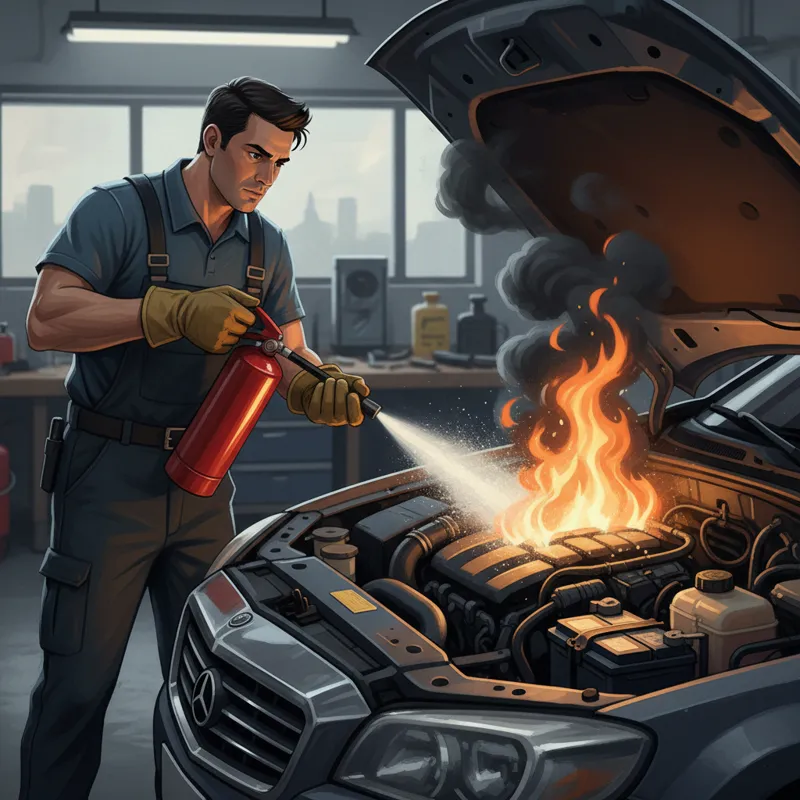
Before diving into extinguisher tips, it helps to understand what you might be up against. Vehicle fires typically originate from a few common sources:
- Electrical Faults: Worn insulation, faulty wiring, or aftermarket modifications can create shorts, arcs, and excessive heat, igniting nearby materials.
- Fuel Leaks: A damaged fuel line, tank, or injector can spray flammable gasoline or diesel onto hot engine components or exhaust systems, leading to immediate ignition.
- Overheated Components: Brakes, catalytic converters, or turbochargers can generate extreme heat. If oil, leaves, or other flammable debris accumulate nearby, a fire can start.
- Collisions: Accidents can rupture fuel lines, battery casings, or damage electrical systems, creating ignition sources amidst spilled flammable fluids.
- Battery Issues (EVs): For electric vehicles, thermal runaway in lithium-ion battery packs presents a unique and particularly challenging fire hazard, requiring specialized suppression techniques.
Recognizing these potential sources helps in understanding why a robust vehicle fire suppression device is crucial for any driver. Now, let’s get into the specifics of what you need to know about your car fire extinguisher.
1. Choose the Right Car Fire Extinguisher Type and Size
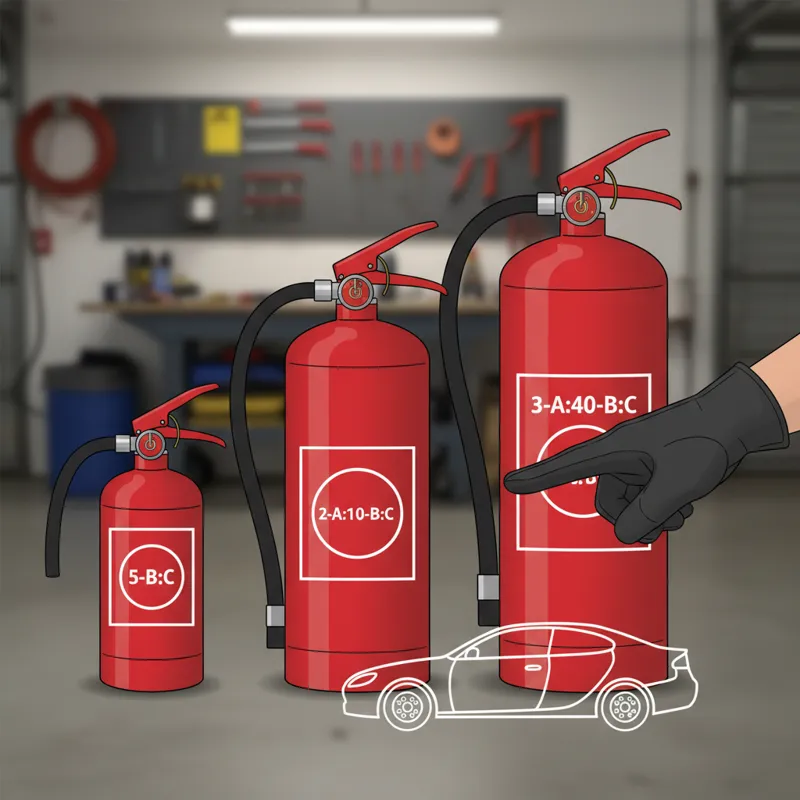
Not all fire extinguishers are created equal, and selecting the wrong type can be ineffective or even dangerous. For general automotive use, an ABC-rated dry chemical extinguisher is overwhelmingly the recommended choice.
- Class A Fires: Involve ordinary combustibles like wood, paper, cloth, upholstery, and plastics.
- Class B Fires: Involve flammable liquids like gasoline, oil, grease, and solvents.
- Class C Fires: Involve energized electrical equipment, which is common in modern vehicles.
An ABC extinguisher contains monoammonium phosphate, a fine powder that smothers Class B and C fires and creates a coating to prevent re-ignition on Class A materials. It’s a versatile, all-around solution for the typical hazards found in a car. Avoid water-based extinguishers (Class A only) or CO2 extinguishers (Class B and C, but can be dangerous in enclosed spaces and have no residual effect for re-ignition) unless you have specific training and context for their use in a vehicle.
Considering Extinguisher Size
Size matters significantly for a portable car fire suppression unit. You’ll see extinguishers ranging from 1lb to 10lb or more.
- 1lb to 2.5lb: These are compact and easily stored, often suitable for small, incipient fires like an electrical short under the dash or a small fuel spill. They discharge quickly, typically in 8-10 seconds, meaning you have very little room for error. While better than nothing, their capacity is limited.
- 5lb and above: These offer more extinguishing agent and a longer discharge time (15-20+ seconds), providing a greater chance of success against a more developed fire. However, their size and weight make them less convenient to store and retrieve quickly in a vehicle.
For most personal vehicles, a 2.5lb or even a 5lb ABC dry chemical extinguisher strikes a good balance between capacity and practicality. It’s a key part of your emergency vehicle fire kit. Remember, larger vehicles like RVs or commercial trucks might warrant larger units.
2. Proper Placement and Mounting for Quick Access
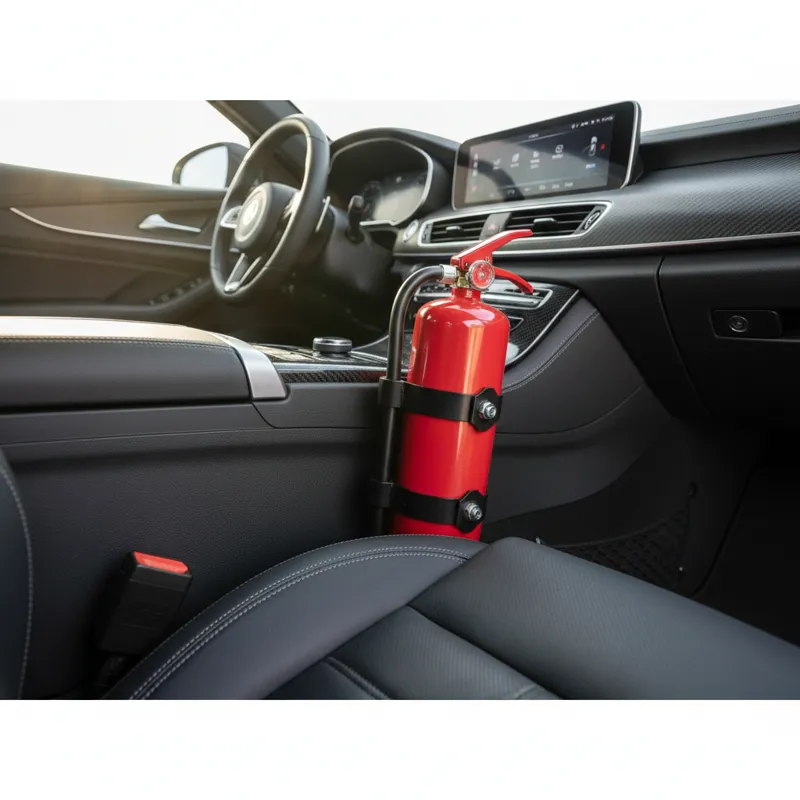
Having an extinguisher is one thing; being able to get to it immediately when every second counts is another. The trunk is generally the worst place to keep a car fire extinguisher. If your engine bay is on fire, opening the trunk, walking around the vehicle, and then retrieving the unit wastes critical time and exposes you to more danger.
Ideal Mounting Locations:
- Under the driver’s or front passenger’s seat: This keeps it within arm’s reach. A good quality, purpose-built mounting bracket is essential to prevent it from becoming a projectile in a sudden stop or collision.
- Secured to the transmission tunnel: Similar to under-seat mounting, this position offers excellent accessibility.
- Attached to the roll bar (for off-road vehicles): Off-road vehicles often have robust roll bars where specialized quick-release mounts can be installed.
The mount itself is crucial. It needs to hold the car fire extinguisher firmly in place during normal driving and sudden impacts, yet allow for immediate, single-motion release. Don’t just toss it under a seat or in a storage bin; it’ll likely roll away and be impossible to find quickly under stress. Just as ensuring you have the right men’s hair brush for your hair type makes a difference in your daily routine, securing your fire extinguisher correctly makes a monumental difference in an emergency.
3. Know the PASS Method – And Practice It
Possessing an automotive fire safety equipment device is only half the battle; knowing how to operate it is the other. In a high-stress situation, panic can set in. Remembering a simple acronym like PASS can be a lifesaver.
- P – Pull the Pin: The safety pin prevents accidental discharge. It’s usually secured with a tamper seal. Break the seal and pull the pin.
- A – Aim Low: Direct the nozzle or hose at the base of the fire, not at the flames themselves. The extinguishing agent needs to hit the fuel source.
- S – Squeeze the Handle: Depress the operating lever to discharge the extinguishing agent.
- S – Sweep Side-to-Side: Move the nozzle slowly back and forth, sweeping across the base of the fire until it appears to be out. Continue to monitor the area for re-ignition.
Practical Considerations:
Before approaching a vehicle fire, ensure it’s safe to do so. Park well away from the burning vehicle, secure your own vehicle, and assess the scene. Never put yourself in a position where you could become trapped or engulfed.
If the fire is under the hood, release the hood latch but do NOT fully open the hood immediately. A sudden rush of oxygen can cause the fire to flash. Instead, open it slightly, aim the nozzle into the gap, and discharge the extinguisher. Once the initial flames are suppressed, you can cautiously open the hood further if necessary.
Remember, fire extinguishers have a limited range and discharge time. Get as close as safely possible to be effective, but always be ready to retreat.
4. Regular Maintenance and Inspection are Non-Negotiable
An unmaintained car fire extinguisher is a false sense of security. Like any piece of emergency equipment, it requires periodic checks.
What to Check:
- Pressure Gauge: Most dry chemical extinguishers have a gauge that indicates whether the unit is adequately charged. The needle should be in the green zone. If it’s in the red, the extinguisher has lost pressure and needs to be serviced or replaced.
- Pin and Seal: Ensure the safety pin is intact and the tamper seal hasn’t been broken. A broken seal suggests the extinguisher may have been used or tampered with.
- Nozzle/Hose: Check for any blockages, cracks, or damage to the nozzle or hose. The agent needs a clear path to exit.
- Cylinder Condition: Inspect the cylinder for dents, corrosion, or any other physical damage that could compromise its integrity.
- Date of Manufacture/Expiration: While many dry chemical extinguishers don’t have a strict “expiration date,” manufacturers often recommend professional inspection or replacement after a certain number of years (typically 5-12 years). Check the manufacturer’s guidelines.
Perform these checks monthly or at least quarterly. Vehicle environments are harsh, with temperature fluctuations and vibrations potentially impacting extinguisher integrity. Just as you might regularly check for the best double sink vanity top deals for a home renovation, don’t overlook the vital maintenance of your emergency car fire kit.
5. Understand Limitations and When to Prioritize Evacuation
This is perhaps the most critical tip: a portable car fire extinguisher is designed for incipient (small, beginning) fires. It is not meant to tackle a fully engulfed vehicle. Knowing when to fight and when to flee is paramount for your safety and the safety of others.
When to Use Your Extinguisher:
- Small fires confined to a specific area, like a minor electrical short, a small fuel leak fire, or a burning piece of debris.
- When you can safely approach the fire without putting yourself at undue risk.
- If you have a clear escape path and are confident you can extinguish the fire quickly.
When to Evacuate Immediately and Call 911:
- If the fire is spreading rapidly or is already large and producing heavy smoke.
- If the passenger compartment is involved.
- If you hear popping, hissing, or bubbling sounds, which could indicate a fuel tank or tire is about to rupture.
- If the fire is near the fuel tank.
- If there are any hazardous materials involved (e.g., in a commercial vehicle, or an EV battery thermal runaway).
- If you don’t have a clear escape route.
- If you’ve discharged your car fire extinguisher and the fire is still burning or re-igniting.
The National Fire Protection Association (NFPA) emphasizes that safety is always the priority. Your life is worth more than your vehicle. Always call 911 (or your local emergency number) as soon as you identify a vehicle fire, even if you attempt to extinguish it. They can provide professional assistance and secure the scene. You can learn more about general fire safety protocols from resources like the National Fire Protection Association website.
What Most People Get Wrong About Car Fire Extinguishers
It’s common to see drivers make a few key mistakes when it comes to having a car fire extinguisher. Rectifying these misconceptions can significantly improve readiness.
Thinking Any Extinguisher Will Do: As discussed, a garden variety Class A water extinguisher is practically useless for the electrical and liquid fuel fires most common in vehicles. An ABC dry chemical unit is essential.
Storing It Loose or Inaccessible: An extinguisher rattling around in the trunk, or buried under groceries, is not emergency equipment. It needs to be securely mounted and within immediate reach. If it takes more than 5 seconds to retrieve, it’s not properly stored.
Believing It’s a “Magic Bullet”: A small portable car fire suppression unit is for small fires. It’s a first-response tool to prevent a minor issue from becoming a catastrophic one, not a solution for an inferno. Many drivers overestimate what a 1-pound unit can accomplish.
Neglecting Maintenance: An extinguisher with a depressurized gauge or a broken seal is effectively useless. Out of sight, out of mind means it won’t work when you need it most. Regular checks are non-negotiable for any automotive fire safety equipment. You wouldn’t neglect checking your tire pressure, so don’t neglect your extinguisher.
Prioritizing Property Over Life: This is the biggest and most dangerous mistake. Your vehicle can be replaced. Your life, and the lives of your passengers, cannot. If there’s any doubt about your safety, evacuate immediately. The U. S. government’s Ready.gov website offers excellent resources on emergency preparedness and knowing when to seek safety.
Frequently Asked Questions About Car Fire Extinguishers
What type of extinguisher should I carry in my car?
An ABC dry chemical extinguisher, typically 2.5lb to 5lb, is the most recommended type for personal vehicles. It handles the common Class A (ordinary combustibles), Class B (flammable liquids), and Class C (electrical) fires you might encounter. For a deeper understanding of fire extinguisher classifications, you can check resources like Wikipedia’s explanation on fire extinguisher classification systems.
How long do car fire extinguishers last?
Most dry chemical extinguishers don’t have a strict expiration date like food, but they do require regular inspection. Many manufacturers recommend replacement or professional servicing every 5 to 12 years. Always check the pressure gauge monthly, and if it’s in the red, replace it immediately, regardless of age.
Can I use a water extinguisher on a car fire?
Generally, no. Water is effective only on Class A fires (wood, paper, textiles). Most car fires involve flammable liquids (gasoline, oil) or electrical components, on which water can be ineffective or even dangerous (spreading flammable liquids, creating electrical hazards). Stick to an ABC dry chemical unit.
Where should I mount my car fire extinguisher?
Ideally, in the cabin within easy reach of the driver or front passenger. Common spots include under the front seats, on the transmission tunnel, or mounted to a roll bar (if applicable). It must be secured with a robust, quick-release bracket to prevent it from becoming a projectile and to ensure immediate access. The trunk is generally too far away in an emergency.
What if I discharge my extinguisher and the fire isn’t out?
If you’ve discharged your entire car fire extinguisher and the fire is still burning or re-igniting, it means the fire is too large for your portable unit. Your immediate priority is to evacuate yourself and any passengers to a safe distance, and ensure emergency services (911) have been called. Do not attempt to re-engage the fire.
Are car fire extinguishers mandatory?
For personal vehicles in the United States, carrying a car fire extinguisher is not generally mandated by federal law, although some states or local jurisdictions might have specific requirements for certain types of vehicles (e.g., commercial, ride-sharing, or classic cars at events). However, it is always a highly recommended safety measure for any vehicle owner.
Final Thoughts on Car Fire Extinguisher Preparedness
Being prepared for a vehicle fire means more than just owning a car fire extinguisher. It means understanding the types of fires you might face, selecting the appropriate extinguishing agent and size, securing it for immediate access, knowing how to use it under pressure, maintaining its readiness, and critically, recognizing its limitations. This comprehensive approach transforms a simple piece of equipment into a powerful tool for safety. Stay vigilant, stay prepared, and prioritize life above all else.