

Bringing a newborn home marks a profound transition, and among the myriad preparations, ensuring their safety on the road stands paramount. The infant car seat isn’t merely a convenience; it’s a critical piece of safety equipment, engineered to protect the most vulnerable passengers. As we move through 2026, the landscape of child passenger safety continues to evolve, blending rigorous engineering with innovative materials and thoughtful design. Navigating this world can feel overwhelming, but understanding the core principles, current regulations, and advanced features empowers you to make an informed decision. This guide aims to cut through the complexity, helping you discover not just a safe option, but the best, safest, and most stylish infant car seat tailored for your family’s needs in the United States.
Understanding Infant Car Seats: The Foundation of Newborn Travel Safety
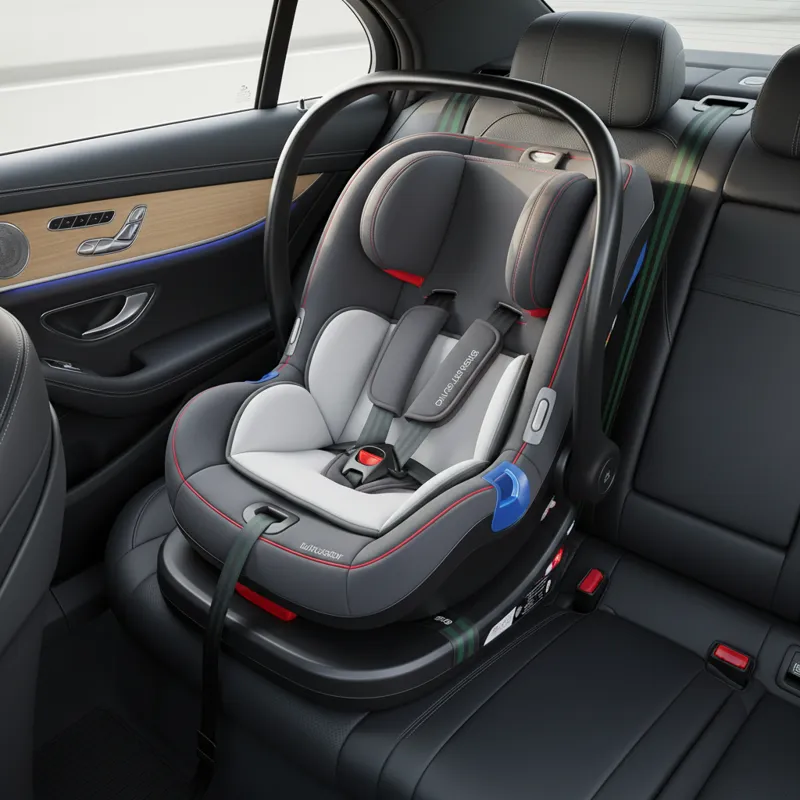
An infant car seat is specifically designed for newborns and small babies. Unlike convertible or all-in-one seats, these are “rear-facing only” models, meaning they are exclusively used in the rear-facing position. This design is crucial for a newborn’s delicate anatomy.
What Defines an Infant Car Seat?
Infant car seats typically feature a few key characteristics:
- Rear-Facing Only Design: They are engineered to cradle a baby facing the rear of the vehicle, providing optimal protection for developing heads, necks, and spinal cords.
- Specific Weight and Height Ranges: Most accommodate infants from 4 pounds up to 22-35 pounds and typically up to 32 inches in height. Always check your specific seat’s limits.
- Detachable Carrier: The seat itself detaches from a base that stays installed in the car. This allows you to easily transport your sleeping baby without disturbing them.
- Convenient Base: The base provides a secure anchor in your vehicle, making it simple to click the carrier in and out. Many families purchase extra bases for multiple vehicles.
- Travel System Compatibility: A significant advantage is the ability to often click the carrier directly into a compatible stroller, forming a seamless “travel system.” This convenience is a major draw for new parents.
Why Rear-Facing is Non-Negotiable for Newborns
The science behind rear-facing travel for infants is unequivocal. A newborn’s head is disproportionately large and heavy compared to their body, and their neck muscles and spinal column are still developing. In a frontal collision, which is the most common and often most severe type of crash, a rear-facing infant car seat:
- Distributes Crash Forces: The seat’s shell absorbs and distributes the impact forces across the baby’s entire back, rather than concentrating them on the delicate head and neck.
- Cradles and Protects: It allows the baby to be pushed back into the protective shell of the car seat, minimizing head and neck movement.
- Minimizes Injury Risk: The American Academy of Pediatrics (AAP) and the National Highway Traffic Safety Administration (NHTSA) strongly advocate for keeping children rear-facing for as long as possible, ideally until they reach the maximum weight or height limit of their convertible car seat. For infants, it’s the only safe orientation.
Safety First: Decoding Standards and Features in 2026

Understanding the layers of safety in an infant car seat goes beyond just knowing it’s rear-facing. In the United States, every infant car seat sold must meet stringent federal safety standards, but discerning parents often look for features that go above and beyond the minimum.
The Foundation: Federal Motor Vehicle Safety Standard (FMVSS) 213
Every infant car seat available for purchase in the U. S. has undergone rigorous crash testing and must comply with Federal Motor Vehicle Safety Standard (FMVSS) 213. This standard specifies performance requirements for child restraint systems, ensuring they provide adequate protection in a crash. While this is a critical baseline, it’s essential to understand it represents a minimum standard. Many manufacturers incorporate additional safety technologies that exceed these requirements.
Key Safety Features to Look For in 2026
Modern infant car seats integrate advanced features to enhance protection and ease of use:
- Advanced Side-Impact Protection (SIP): This refers to additional layers of energy-absorbing foam and structural elements within the side wings of the car seat. These components are designed to absorb crash forces and shield your baby from intrusions during side-impact collisions, which account for a significant percentage of severe injuries.
- Load Legs and Anti-Rebound Bars:
- Load Legs: An extendable leg that braces against the vehicle’s floor, designed to absorb crash forces and reduce downward rotation of the car seat, significantly minimizing head and neck injury.
- Anti-Rebound Bars: Located at the foot of the car seat base, these bars prevent the car seat from rebounding towards the back of the vehicle seat in a frontal crash, further stabilizing the infant’s head and reducing potential injury.
- Energy-Absorbing Foam: Materials like Expanded Polystyrene (EPS) or Expanded Polypropylene (EPP) foam line the car seat shell. These foams are designed to compress and absorb crash energy, much like a bicycle helmet, protecting your child’s head and body.
- Harness Systems:
- 5-Point Harness: This is the standard, securing the child at the shoulders, hips, and between the legs, distributing crash forces effectively.
- No-Rethread Harness: A highly desirable feature, allowing you to adjust the harness height without manually rethreading straps, ensuring a proper fit as your baby grows with minimal hassle.
- SensorSafe and Smart Technologies: Some advanced models in 2026 integrate smart chest clips or base sensors that connect to an app. These can alert you if your child is unbuckled, if the interior temperature is too high, or if a child is left behind in the vehicle—offering an invaluable layer of vigilance.
- LATCH vs. Seatbelt Installation: Both are safe when used correctly. LATCH (Lower Anchors and Tethers for CHildren) provides dedicated anchor points in most vehicles manufactured after September 2002, simplifying installation. However, there are weight limits for LATCH use, and many parents find the vehicle’s seat belt system, with proper locking mechanisms, equally secure. Whichever method you choose, ensuring a tight fit is paramount.
Navigating the Market: Types of Car Seats for Your Newborn
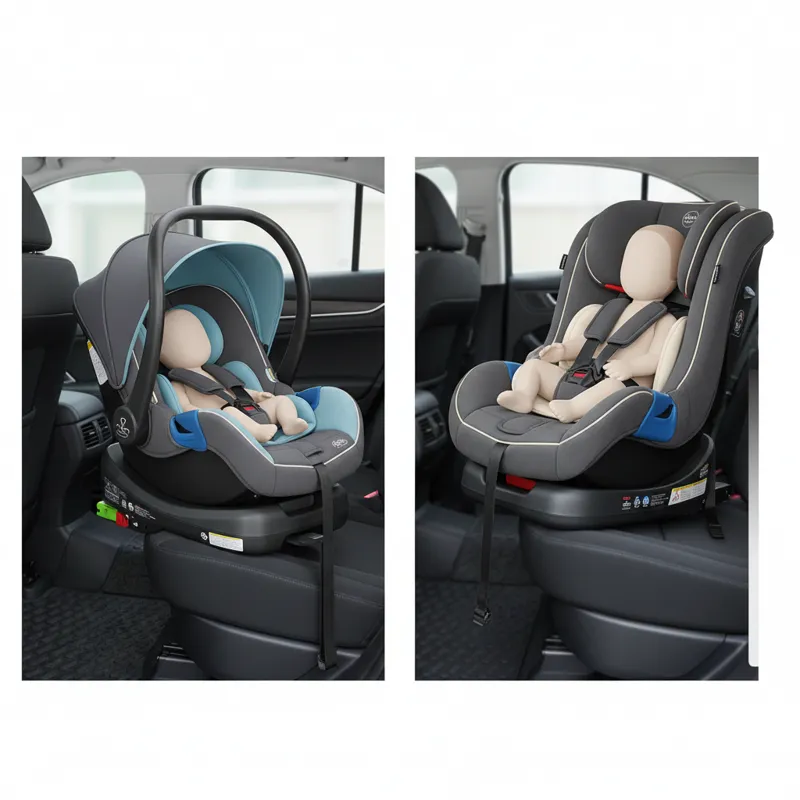
While this guide focuses primarily on infant car seats, it’s helpful to understand the broader landscape of child restraints that can accommodate a newborn. Your choice often comes down to lifestyle, budget, and long-term planning.
Infant Car Seats (Rear-Facing Only): The Classic Choice
These are the seats we’ve been discussing, designed for newborns up to specific weight and height limits. They are widely popular for first-time parents and those with busy lifestyles.
- Pros:
- Portability: The detachable carrier is incredibly convenient for errands, doctor’s appointments, and moving a sleeping baby without waking them.
- Travel System Integration: Many models snap directly into compatible strollers, creating a cohesive and effortless system for mobility.
- Ideal for Newborns: Specifically engineered to provide the best fit and support for very small infants.
- Cons:
- Outgrown Quickly: Babies typically outgrow these seats by 9-18 months, requiring the purchase of a new convertible seat.
- Initial Investment: While convenient, it’s an additional expense before transitioning to a longer-term seat.
- Considerations: When selecting, think about the total weight of the carrier (especially when empty), how easily it clicks in and out of the base, and the available features on the base itself (e.g., recline indicators, easy LATCH connectors).
Convertible Car Seats: A Long-Term Solution from Day One
Convertible car seats are designed to be used rear-facing for infants and toddlers, and then converted to forward-facing for older children. Many models can accommodate newborns from 4-5 pounds, offering a “buy once, use for years” approach.
- Pros:
- Grows with Your Child: These seats have significantly higher rear-facing weight and height limits, allowing children to stay rear-facing, which is five times safer, for much longer—often until 3 or 4 years old.
- Cost-Effective: Eliminates the need to buy a separate infant car seat.
- Robust Construction: Often larger and heavier, providing a substantial feel of safety.
- Cons:
- Not Portable: They remain installed in the vehicle, so you can’t carry your baby in the seat. This means you’ll need a separate stroller or baby carrier for portability outside the car.
- Bulkier for Newborns: While they fit newborns, the larger shell can feel a bit cavernous for a tiny baby compared to a snug infant-specific seat.
- No Travel System: You lose the convenience of clicking the seat into a stroller.
If you choose a convertible car seat from birth, ensure it has good newborn inserts and a low bottom harness slot to achieve a proper fit for tiny infants. You might also want to look into additional vehicle safety checks, such as a regular Brake And Light Inspection, to ensure your whole car is up to snuff for new family members.
The Installation Imperative: Securing Your Infant Car Seat Correctly
A car seat, no matter how advanced its features, can only protect your child if it’s installed correctly. Studies consistently show that a high percentage of car seats are installed or used improperly. This is where meticulous attention to detail and a commitment to following instructions truly pay off.
Understanding LATCH and Seat Belt Installation
You generally have two primary methods for securing an infant car seat base in your vehicle:
- LATCH (Lower Anchors and Tethers for CHildren):
- How it Works: Your vehicle, if manufactured after September 2002, will have lower anchors—small metal bars located in the crease between the backrest and the seat cushion. The car seat base’s LATCH connectors (either hook-style or push-on rigid connectors) attach to these.
- Advantages: Often perceived as easier to use and less prone to common seat belt installation errors.
- Important Limit: Be aware of the LATCH weight limit. For many seats, once the child plus the car seat reaches a combined weight of around 65 pounds, you must switch to the vehicle’s seat belt for installation. Always check your car seat and vehicle manuals.
- Vehicle Seat Belt:
- How it Works: The vehicle’s lap and shoulder belt are routed through designated belt paths on the car seat base. You then tighten the belt and lock it in place (either by pulling the shoulder belt all the way out and letting it retract, or using the car seat’s built-in lock-off devices, if applicable).
- Advantages: Always available, no weight limit (beyond the vehicle’s own belt capacity), and essential for vehicles without LATCH or when LATCH limits are exceeded.
- Key to Success: Achieving a tight fit is critical. The seat belt must be fully tightened so the car seat base moves less than one inch side-to-side and front-to-back at the belt path.
The “Inch Test” and “Pinch Test”
These simple checks are vital for verifying proper installation and harness fit:
- The “Inch Test”: After installing the base (with LATCH or seat belt), grasp it firmly at the belt path. Attempt to move it side-to-side and front-to-back. It should move no more than one inch in any direction. If it moves more, it’s not installed tightly enough.
- The “Pinch Test”: Once your baby is buckled into the harness, try to pinch the harness strap vertically at the shoulder. If you can pinch any slack in the webbing, the harness is too loose. It should be snug enough so you cannot pinch any excess fabric.
Professional Inspection
Even with careful attention, car seat installation can be tricky. Many fire departments, police stations, and hospitals offer free car seat checks by certified Child Passenger Safety (CPS) technicians. These experts can ensure your infant car seat is installed correctly and that your baby is safely buckled in. Visiting a CPS technician offers invaluable peace of mind. While most installations don’t require specialized tools, maintaining your vehicle generally might involve having a reliable Craftsman Socket Set for various adjustments or repairs, ensuring your car is always ready for family travel.
Style Meets Substance: Beyond Basic Black
While safety is the undeniable priority, parents in 2026 also seek infant car seats that align with their aesthetic preferences and lifestyle. The market has responded with innovative designs, premium materials, and thoughtful touches that elevate the functionality of these essential devices.
Aesthetics in 2026: More Options Than Ever
Gone are the days when basic black or grey were your only options. Today’s infant car seats offer a broad spectrum of style elements:
- Fabric Choices: Beyond standard polyester, you’ll find breathable, moisture-wicking fabrics (ideal for warmer climates or fussy babies), organic cotton blends, and even luxe merino wool. Many fabrics are also stain-resistant, making cleanup easier.
- Color Palettes: While classic neutrals remain popular, brands offer a wider array of muted tones, sophisticated pastels, and subtle geometric patterns. These choices allow parents to express their personal style without sacrificing safety.
- Streamlined Designs: Modern infant car seats often feature sleek profiles, hidden hardware, and integrated sun canopies that provide full coverage. The overall design aims for a cohesive, premium look that blends seamlessly with contemporary vehicles and strollers.
Practical Style Considerations
When evaluating the “style” of an infant car seat, consider its practical implications:
- Ease of Cleaning: Infant car seats will get messy. Look for fabrics that are easy to wipe down, and covers that are machine-washable and simple to remove and reattach. This helps maintain both hygiene and appearance.
- Durability of Fabrics: High-quality fabrics not only look good but also stand up to repeated washing and daily wear and tear, ensuring the seat looks great for its entire lifespan.
- Compatibility with Stroller Systems: If you plan on a travel system, choose an infant car seat that visually and functionally complements your chosen stroller. Many brands offer matching sets or universal adapters that create a harmonious look. A well-maintained vehicle, perhaps with a sleek car hood cover, also contributes to a cohesive family aesthetic, reflecting attention to detail in all aspects of parenthood.
What Most People Get Wrong About Infant Car Seats
Despite best intentions, common misconceptions and errors can compromise an infant car seat’s effectiveness. Being aware of these pitfalls is a crucial step towards ensuring your child’s maximum safety.
- Expiration Dates are Critical: Infant car seats, like food or medicine, have expiration dates, typically 6-10 years from the date of manufacture. These dates are not arbitrary; they account for material degradation (plastic, foam, webbing) over time due to temperature fluctuations, UV exposure, and stress from use. An expired seat may not perform as intended in a crash. Always check the label, usually on the base or side of the seat.
- Buying Used is Risky Business: While tempting to save money, purchasing a used car seat is strongly discouraged. You rarely know its full history—whether it’s been in a crash (even a minor one can compromise its integrity), if all parts are present, or if it’s expired. The unknown risks far outweigh any potential savings.
- Bulky Clothing Under the Harness: Thick coats, snowsuits, or other bulky garments create a gap between the child and the harness straps. In a crash, this slack can allow the child to move too much, increasing injury risk. Dress your baby in thin layers, buckle them in snugly, then drape blankets or jackets over the harness.
- Ignoring the Manuals (Both Car Seat and Vehicle): Every car seat and every vehicle is different. Relying on general knowledge or online videos alone isn’t enough. Read both your car seat manual and your vehicle owner’s manual sections on child restraint installation. These documents contain critical, model-specific information on recline angles, LATCH weight limits, belt routing, and seating positions.
- Moving to Forward-Facing Too Soon: This is a major safety misstep. The recommendation is to keep children rear-facing for as long as possible, until they reach the maximum height OR weight limit for the rear-facing position of their convertible car seat, not just until they hit a certain age. For many children, this is well beyond their second birthday, often closer to three or four. Rear-facing provides superior head and neck protection.
- Adding Aftermarket Products: Products not supplied by the car seat manufacturer (e.g., strap covers, head inserts, mirrors, toy bars) are generally not safety-tested with the car seat. They can interfere with harness fit, introduce new projectile hazards, or compromise the seat’s integrity. Stick to accessories specifically approved by your car seat’s manufacturer.
Top Features & Brands to Consider in 2026
The infant car seat market in 2026 offers a wide array of excellent choices. While specific model recommendations are dynamic and subject to continuous updates, certain brands consistently stand out for their commitment to safety, innovation, and user-friendliness. Remember, the “best” seat is one that fits your child, your vehicle, and your budget, and is installed correctly every time.
Brands Known for Safety and Innovation
Here are some manufacturers consistently recognized for their quality infant car seats:
- Chicco: Often lauded for their intuitive installation systems (e.g., SuperCinch LATCH tightener) and ease of use, making them a top choice for many parents.
- Nuna: A premium brand known for sleek, minimalist designs, high-quality fabrics, and innovative safety features like steel-reinforced frames and load legs.
- Clek: Focuses heavily on advanced safety engineering, often incorporating features like rigid LATCH systems and anti-rebound bars, with a strong emphasis on longer rear-facing capabilities.
- Graco: Offers a vast range of infant car seats at various price points, known for reliability, extensive feature sets, and compatibility within their travel systems.
- Britax: A long-standing leader in child passenger safety, Britax seats are renowned for robust construction, advanced side-impact protection, and user-friendly features.
What to Prioritize When Choosing
When making your final selection for an infant car seat, consider these practical factors:
- Your Vehicle Fit: Not all car seats fit well in all vehicles. Before purchasing, if possible, test the car seat in your car to ensure you can achieve a tight, secure installation and that it allows enough room for front-seat passengers.
- Your Baby’s Anticipated Size: While all infant seats accommodate newborns, if you anticipate a very small baby (e.g., preemie or low birth weight), look for seats with a lower minimum weight limit (e.g., 4 lbs) and robust infant inserts.
- Ease of Installation and Use: A seat that is easy to install correctly is safer than a more feature-rich but complicated one. Also, consider the ease of adjusting the harness, removing fabric for cleaning, and connecting it to a stroller.
- Budget: Infant car seats vary widely in price. Determine what features are essential for you and find the best option within your financial comfort zone. Remember, all seats meet federal safety standards.
- Travel System Needs: If stroller compatibility is a priority, research brands that offer integrated travel systems or widely compatible adapters.
People Also Ask (FAQ)
How long can a baby stay in an infant car seat?
Infant car seats are designed for newborns and small babies, and babies typically outgrow them by 9-18 months. They should be used until your child reaches the maximum weight or height limit specified by the car seat manufacturer, whichever comes first. Always check the labels on your specific infant car seat.
When should I switch from an infant car seat to a convertible car seat?
You should switch when your child reaches the maximum weight or height limit of the infant car seat. This usually happens around 9-18 months. It’s crucial to switch immediately once they hit either of these limits to ensure continued safety. After an infant seat, the next step is typically a convertible car seat, used rear-facing.
Is it okay to buy a used infant car seat?
No, it is generally not recommended to buy a used infant car seat. You cannot reliably know its history, including whether it has been in a crash, if all parts are present, or if it’s expired. These unknown factors can compromise its safety performance, making it a significant risk for your child.
How do I know if my infant car seat is installed correctly?
Perform the “inch test”: The car seat base should not move more than one inch side-to-side or front-to-back at the belt path. Also, ensure the recline angle is correct for your infant’s age (check your manual). For harness fit, perform the “pinch test”: You shouldn’t be able to pinch any slack in the harness webbing at the child’s shoulder. When in doubt, seek a professional check from a certified Child Passenger Safety (CPS) technician.
What’s the difference between LATCH and seat belt installation?
LATCH (Lower Anchors and Tethers for CHildren) uses dedicated anchor points built into your vehicle (usually in the seat crease) to secure the car seat base. Seat belt installation uses the vehicle’s own lap and shoulder belt, routed through the car seat’s belt path, to secure the base. Both methods are safe when used correctly, but LATCH has weight limits. Always consult your car seat and vehicle manuals.
Do infant car seats expire?
Yes, all car seats have expiration dates, typically 6-10 years from the date of manufacture. The expiration date accounts for material degradation over time due to environmental factors and normal wear and tear. Using an expired car seat can compromise its safety in a crash. You’ll find the expiration date stamped on the car seat’s label or shell.
Choosing the right infant car seat is a pivotal decision, blending critical safety engineering with daily convenience and personal style. By understanding the core safety principles, the nuances of installation, and the evolving features available in 2026, you’re well-equipped to make an informed choice that keeps your most precious cargo secure. Always prioritize safety, read your manuals thoroughly, and when in doubt, seek guidance from a certified car seat technician for ultimate peace of mind. Your child’s safety on every journey truly depends on it.


