

The quest for a perfect cup of chai at home often leads to a standoff in the tea aisle. On one side, you have the ambition of a fragrant, spicy, and soul-warming brew. On the other, a wall of boxes, each promising an “authentic” experience. The convenience of chai tea bags is undeniable, but the results can be wildly inconsistent—ranging from a revelation to little more than faintly cinnamon-scented hot water. This isn’t about finding just any chai; it’s about finding your chai. We’re going to break down what makes a great chai tea bag, how to brew it for maximum flavor, and which brands are delivering a truly satisfying experience in 2026, so you can finally sip your way to tranquility without the guesswork.
What Exactly Is in a Chai Tea Bag? Decoding the Blend
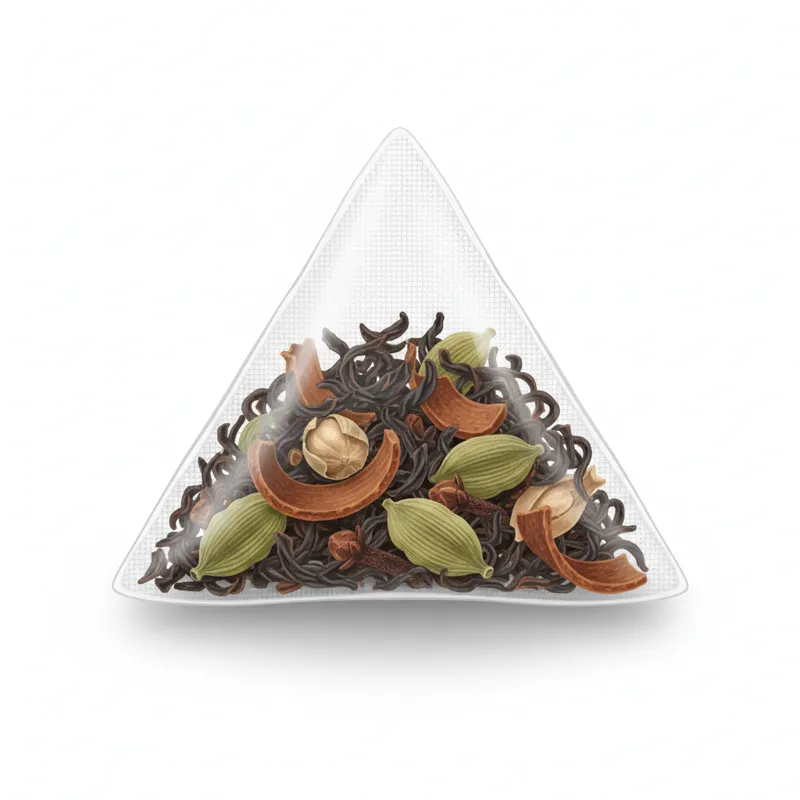
At its heart, what we call “chai” in the United States is more accurately termed masala chai. “Masala” means a mix of spices, and “chai” simply means tea. Understanding the two core components—the tea and the masala—is the first step to choosing a blend you’ll love.
The Tea: The Foundation of Flavor
The backbone of any good chai is a robust black tea, strong enough to stand up to milk, sugar, and a chorus of assertive spices. Most brands use a base of Assam tea from India, prized for its full-bodied, malty character. You might also find blends using Ceylon tea, which is brighter and more brisk, or a mix of different black teas to achieve a specific balance.
The cut of the tea matters, too. Tea bags typically contain smaller leaf pieces known as “fannings” or “dust.” While they lack the nuance of whole-leaf tea, they infuse very quickly and release a strong color and flavor, which is exactly what you need for a punchy chai.
The Spices: The Heart of Chai
The spice blend is where the magic happens, and it’s what differentiates one chai from another. While recipes vary, a classic masala chai revolves around a core group of “warming” spices:
- Cinnamon: Provides a sweet, woody warmth. You’ll see it listed as cassia (spicier) or Ceylon cinnamon (more delicate).
- Cardamom: The soul of many chai blends. It offers a complex floral, minty, and slightly sweet flavor. Green cardamom is the most common.
- Ginger: Adds a pungent, zesty heat that cuts through the richness of milk and sugar.
- Cloves: Intensely aromatic and slightly sweet, cloves contribute a medicinal, numbing warmth.
- Black Peppercorns: They don’t just add heat; they provide a sharp, woody spice that enhances all the other flavors.
Many blends also include other spices like star anise (for a licorice note), fennel seeds (for sweetness), or nutmeg. The quality and proportion of these spices determine the final flavor profile.
Navigating the Grocery Aisle: How to Choose the Best Chai Tea Bags
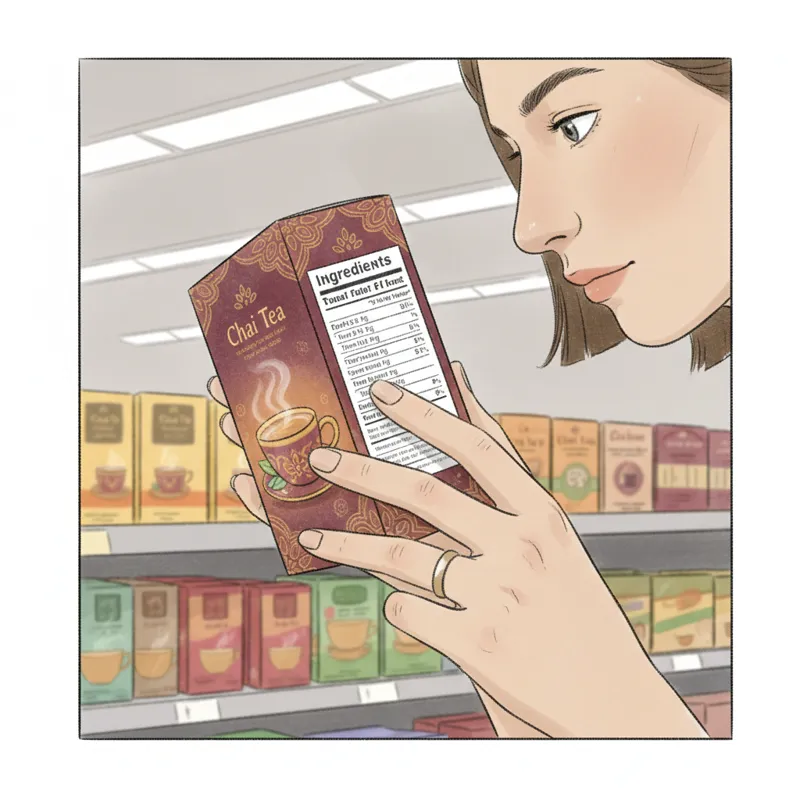
With a basic understanding of the components, you can now approach the shelf with a more critical eye. It’s less about the marketing on the front of the box and more about the details on the back.
Read the Ingredient List First
This is the single most important step. Look for brands that list actual spices—”cinnamon,” “cardamom,” “ginger.” Be wary of the vague term “natural flavors.” While not always a bad thing, it can sometimes be used to mask a lack of real, high-quality spices. A chai that relies on flavorings will often taste one-dimensional or have a chemical-like aftertaste.
The order of ingredients tells you a lot about the blend’s focus. If black tea is first, followed by a long list of spices, you can expect a balanced cup. If ginger and cinnamon are listed before anything else, prepare for a spicier brew.
Organic vs. Conventional
Choosing an organic masala chai is a personal preference, but it offers some tangible benefits. Tea is not typically washed before it’s dried, so an organic certification ensures the leaves were grown without synthetic pesticides and fertilizers. This is equally important for the spices, which can also be heavily treated. Many consumers find that organic chai tea bags have a “cleaner,” more vibrant taste.
Bag Material Matters: Paper, Silk, and Beyond
The container for the tea and spices impacts the infusion. Traditional flat, square paper bags can sometimes constrict the ingredients. This is why many premium brands have moved to pyramid-shaped “sachets” made of nylon or plant-based materials (like Soilon).
These larger, porous bags allow more room for the tea leaves and spice fragments to expand and circulate in the hot water. The result is often a much more complete and nuanced flavor extraction, closer to what you’d get from using loose-leaf chai.
Our 2026 Picks for the Best Chai Tea Bags in Every Category
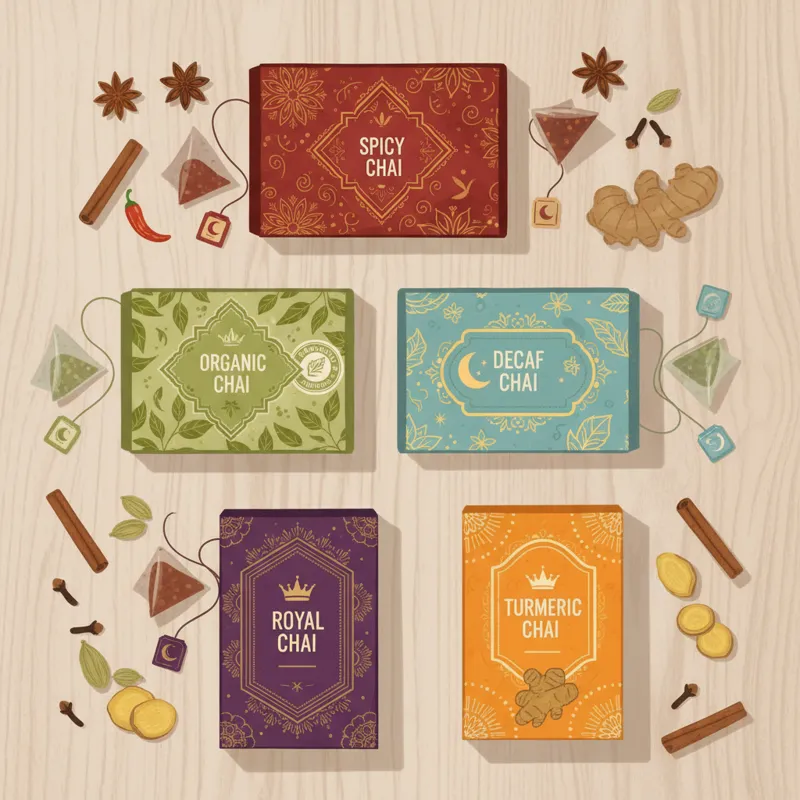
We’ve reviewed ingredient lists, brewing performance, and flavor profiles to bring you our top recommendations available in most American stores and online.
Best Overall: Rishi Masala Chai
Rishi sets the standard with its commitment to organic, direct-trade ingredients. Their masala chai is a beautifully balanced blend where you can taste each distinct spice note. The ginger is present but not overpowering, and the cardamom shines through. It’s a complex, satisfying cup that works equally well on its own or as a latte base.
Best Spicy & Bold: Stash Double Spice Chai
For those who believe chai should come with a serious kick, Stash delivers. As the name implies, this blend amps up the warming spices, particularly ginger, cinnamon, and clove. It’s a potent, invigorating brew that will warm you from the inside out and can stand up to a generous amount of milk and sweetener.
Best Organic Masala Chai: Traditional Medicinals Organic India Tulsi Masala Chai
This unique blend combines traditional chai spices with tulsi (Holy Basil), an adaptogenic herb revered in Ayurvedic tradition. The result is a chai that’s not only flavorful and aromatic but also has an added layer of earthy, slightly peppery notes from the tulsi. It’s a fantastic choice for the wellness-minded tea drinker.
Best Decaf Chai Blend: Tazo Decaf Chai
Finding a decaf chai that doesn’t taste like a pale imitation of the real thing can be tough. Tazo uses a CO2 decaffeination process, which is excellent at preserving the flavor of the black tea. Their spice blend is robust and familiar, making it the perfect choice for a comforting, cozy cup before bed without the caffeine buzz.
Best Budget-Friendly Pick: Twinings Chai
A staple in grocery stores for a reason, Twinings offers a consistent and pleasant chai experience at a great price point. It’s a milder, more approachable blend, making it a great entry point for those new to spiced tea. While it may not have the complexity of premium brands, it’s a reliable and comforting daily drinker.
How to Brew the Perfect Cup from a Tea Bag
You can have the best chai tea bags in the world, but poor brewing technique will lead to a disappointing cup. It’s simple, but a few details make all the difference.
Step 1: Water Temperature is Key
To properly extract the deep flavors from black tea and the essential oils from dense spices like clove and cardamom, you need truly hot water. Bring your water to a full, rolling boil (212°F or 100°C). Using water from a hot tap or a coffee maker that isn’t hot enough will result in a weak, lackluster brew.
Step 2: The Ideal Steep Time
Chai needs more time than a standard black tea. The spices require a longer infusion to release their full character. Start with a steep time of 5 to 7 minutes. If you plan to add milk, you can even go a little longer to ensure the flavor is bold enough to cut through. Less time, and you’ll only get the tea flavor; more time, and you risk excessive bitterness from the tea tannins.
To Squeeze or Not to Squeeze?
It’s tempting to squeeze the last drops of flavor out of the bag against the side of your mug. We advise against it. That last bit of liquid is full of bitter-tasting tannins that have been trapped in the leaves. A gentle lift and drip is all you need.
The Ultimate Guide: How to Make a Chai Latte with Teabags
You don’t need a fancy espresso machine to create a cafe-quality chai latte at home. The secret is creating a concentrated, extra-strong tea base. This method is the foundation for many copycat recipes, including the ever-popular Tazo chai latte recipe that many cafes use as a base.
The “Double-Strength” Tea Base
The most common mistake is using a regularly brewed cup of tea, which becomes diluted and weak once you add milk. To create a concentrate, use two chai tea bags per 6-8 ounces of boiling water (or one tea bag in just 3-4 ounces of water). Let it steep for a solid 7-10 minutes to get a very strong, spicy brew.
Frothing Your Milk
While the tea is steeping, heat and froth your milk. You can use a steam wand, a handheld electric frother, or even a French press (just pump the plunger up and down in warm milk). For a low-tech option, heat milk in a jar, screw the lid on tight, and shake vigorously for 30 seconds. Oat milk is a fantastic non-dairy option as it froths beautifully and has a creamy texture that complements the chai spices.
Sweeteners and Final Touches
Remove the tea bags from your concentrate and stir in your sweetener of choice while it’s hot. Maple syrup, honey, or brown sugar all work well. Pour the sweetened chai concentrate into your mug, then top with the frothed milk. For a final flourish, add a light dusting of cinnamon on top. Perfecting your at-home latte is a rewarding skill, giving you a taste of the complex flavors you might find on a specialty menu at a dedicated tea bar without leaving your kitchen.
What Most People Get Wrong About Chai Tea Bags
The convenience of chai tea bags sometimes leads to a few common missteps that can stand between you and a great cup of tea.
The first is expecting loose-leaf complexity. There’s a trade-off for the convenience. Tea bags use finely cut tea that brews fast and strong but can lack the delicate aromatic notes of full-leaf tea. Embrace the bag for what it is: a quick, easy way to get a robust and flavorful cup.
Another common error is under-steeping. People accustomed to brewing regular black tea for 2-3 minutes often apply the same logic to chai. The spices, especially tougher bits like cardamom pods and dried ginger, need a solid 5+ minutes in boiling water to truly open up and release their aromatic oils.
Finally, avoid the temptation to add milk and sugar on autopilot. Taste the chai on its own first. A high-quality blend might have a natural sweetness from cinnamon or licorice root, and you might find you need less sweetener than you think. Understanding the base flavor helps you customize it perfectly.
The Truth About Spiced Tea Health Benefits
Chai is more than just a tasty beverage; it’s rooted in traditions that value the wellness properties of its ingredients. The black tea base is rich in antioxidants called flavonoids, which are linked to heart health. But the real powerhouse is the spice blend.
Many of the spices used in chai have been studied for their potential health benefits. For example, ginger is well-known for its ability to aid digestion and soothe nausea. According to the National Center for Complementary and Integrative Health, it’s one of the most commonly used herbal remedies. Cinnamon has been studied for its role in helping to regulate blood sugar, while cardamom and cloves contain potent antioxidant and anti-inflammatory compounds.
Disclaimer: While the ingredients in chai are associated with various health benefits, a cup of tea is not a substitute for medical advice or treatment. The amounts of each spice in a single tea bag are relatively small. Enjoy chai as part of a balanced, healthy lifestyle.
Caffeine in Chai: What to Expect
Because its base is black tea, a standard cup of chai made from chai tea bags contains a moderate amount of caffeine. You can typically expect between 30 and 60 milligrams of caffeine per 8-ounce cup. The exact amount depends on the type of black tea used and the steeping time.
This is slightly more caffeine than other black teas, like the popular caffeine content in Earl Grey, but generally less than half of what you’d find in a standard cup of brewed coffee (which often exceeds 95 mg). This makes it a gentler pick-me-up. It’s also a world away from some commercially prepared beverages; for instance, you might be surprised to learn about Arizona Green Tea’s caffeine levels, which can vary. For those who are sensitive to caffeine or want an evening treat, an excellent decaf chai blend is the perfect solution.
Frequently Asked Questions about Chai Tea Bags
Can I reuse a chai tea bag?
It’s generally not recommended. The first infusion extracts the vast majority of the flavor and caffeine from the black tea. A second steep will result in a very weak, watery cup that lacks the spicy punch and malty depth of the first.
What’s the difference between “chai” and “masala chai”?
Technically, “chai” is the Hindi word for “tea.” So when you say “chai tea,” you’re saying “tea tea.” The correct term for the spiced beverage we know and love is “masala chai,” which means “spiced tea.” However, in the United States, the terms are used interchangeably. You can learn more about its origins on the Wikipedia page for Masala chai.
Why does my chai taste weak or watery?
There are three likely culprits: water that wasn’t hot enough, a steep time that was too short, or using too much water for a single tea bag. Ensure your water is at a full boil, steep for at least 5 minutes, and use the standard 6-8 ounces of water per bag.
How should I store my chai tea bags?
To preserve the volatile oils in the spices and the freshness of the tea, store your chai tea bags in an airtight container in a cool, dark, and dry place. Keep them away from your spice cabinet or coffee beans, as they can easily absorb other strong odors.


