

The world of coffee brewing is vast and nuanced, with each variable playing a critical role in the final cup. Among these, grind size stands out as one of the most impactful. When you encounter a coffee described as having an intense aroma and bold flavor, chances are it was brewed using a coarse grind. This particular grind size isn’t just another option; it’s the foundation for specific brewing methods designed to highlight coffee’s inherent complexities without succumbing to bitterness or over-extraction. Understanding coarse ground coffee means understanding a fundamental approach to unlocking truly exceptional, full-bodied experiences in your mug.
Understanding Grind Size: Why Coarse Matters
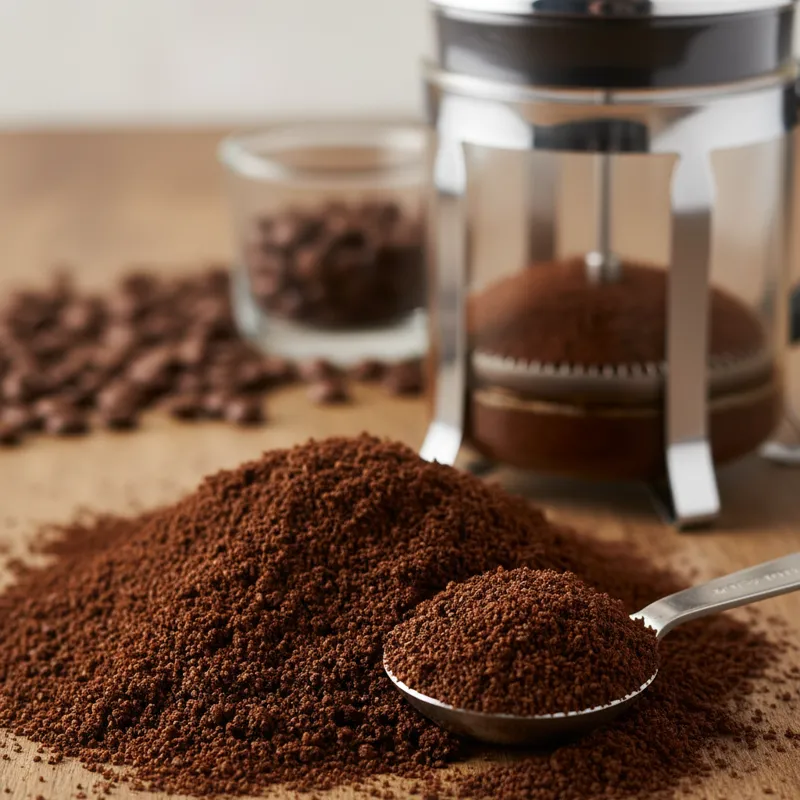
Grind size dictates the surface area of the coffee particles exposed to water. This simple principle is at the heart of coffee extraction chemistry. A coarse grind, characterized by its larger, more irregular particles, has significantly less surface area than a fine grind. This reduced surface area changes how quickly and efficiently the soluble compounds within the coffee dissolve into the brewing water.
The Science Behind Extraction
When hot water interacts with coffee grounds, it dissolves various compounds: acids, sugars, fats, and oils. This process is called extraction. Under-extraction results in a sour, weak, or grassy flavor because insufficient desirable compounds have dissolved. Over-extraction, conversely, leads to a bitter, hollow, or astringent taste as undesirable compounds, which are less soluble and require more time to dissolve, begin to dominate. The goal is always balanced extraction. Coarse ground coffee fundamentally alters the rate at which this balance is achieved. With larger particles, water penetrates and dissolves compounds more slowly, requiring longer contact times. This slower, more controlled extraction is precisely what benefits immersion brewing methods. You can learn more about the intricate chemistry involved in coffee preparation on Wikipedia.
The Spectrum of Grind Sizes
Think of coffee grind sizes like sand.
- Extra Fine: Like flour or powdered sugar. Used for Turkish coffee.
- Fine: Similar to table salt. Ideal for espresso machines.
- Medium-Fine: Slightly coarser than fine, but still smooth. Common for pour-overs.
- Medium: Resembles regular sand. A good all-rounder for drip coffee makers.
- Medium-Coarse: Noticeably gritty, like coarse sand. Suitable for conical pour-overs.
- Coarse: Distinct, chunky particles, similar to sea salt or coarse kosher salt. The focus of our discussion, perfect for French press and cold brew.
- Extra Coarse: Very large, irregular chunks. Primarily for specific percolator styles or specialized cold brew systems.
Each grind size is optimized for a particular brewing method and its inherent contact time with water.
Identifying a True Coarse Grind
A truly coarse grind should look visibly chunky, not dusty or powdery. You should be able to clearly see individual coffee particles, each resembling a flake of sea salt or a small, irregular pebble. If your grounds feel fine or sticky between your fingers, or if they clump together easily, they are likely too fine for a coarse application. When brewing with roughly ground coffee beans, this visual and tactile check is crucial.
The Undeniable Benefits of Coarse Ground Coffee

The choice to go coarse isn’t arbitrary; it’s a deliberate decision to achieve specific, desirable characteristics in your coffee. These benefits become immediately apparent once you taste a properly brewed cup.
Unlocking Intense Aroma
The aroma of coffee is a complex interplay of volatile compounds. With coarse ground coffee, the slower extraction process, particularly in immersion methods, allows for a more gentle and prolonged release of these aromatics. This results in an incredibly rich and intense fragrance that fills the air even before the first sip. You’ll notice deeper notes of chocolate, caramel, nuts, or florals, depending on the bean, because the delicate compounds aren’t aggressively stripped away.
Delivering Bold, Clean Flavor
A common misconception is that “bold” flavor comes from intense bitterness. In reality, true boldness stems from the full expression of the coffee bean’s inherent characteristics, unmarred by harshness. Coarse grounds, by preventing over-extraction, allow the true, complex flavors of the coffee to shine through. You get a clean cup where the distinct flavor notes of the roast and origin are pronounced and vibrant, often with a heavier body and a smoother mouthfeel. It’s a robust experience without the acrid bite.
Preventing Over-Extraction and Bitterness
This is arguably the most significant advantage of coarse ground coffee. Because the particles are larger, the soluble compounds dissolve at a slower rate. This gives you a wider window of time to brew without running the risk of over-extracting. In methods like the French press, where grounds remain in contact with water for several minutes, a coarse grind is a non-negotiable safeguard against a bitter, unpleasant cup. It allows for full flavor development without pulling out the undesirable, bitter-tasting compounds.
Ideal for Immersion Brewing
Coarse grounds are perfectly suited for immersion brewing methods where coffee and water mix completely for an extended period. The larger particle size provides the necessary resistance to over-extraction during these longer brew times. Without a coarse grind, immersion methods would almost certainly result in an astringent, undrinkable brew.
The Premier Brewing Methods for Coarse Grinds

While technically you can use any grind size with any method, some pairings are simply superior. Coarse ground coffee truly shines in methods that involve full immersion and longer contact times.
French Press: The Classic Choice
The French press is practically synonymous with coarse ground coffee. This method involves steeping coffee grounds in hot water for a few minutes, then pressing a plunger with a mesh filter down to separate the grounds from the liquid. The coarsely ground coffee beans are essential here for several reasons:
- Prevents Sludge: A coarse grind prevents fine particles from slipping through the mesh filter, keeping your cup clean and free of excessive sediment.
- Controls Extraction: The long steep time (typically 4 minutes) demands a slower extraction rate to avoid bitterness. Coarse grounds provide this control.
- Full-Bodied Result: French press coffee is known for its rich, full-bodied texture. This is because the mesh filter allows more of the coffee’s natural oils and micro-fines to pass into the cup, an effect enhanced by a coarse grind.
To make the best coffee for French press, aim for a grind size that resembles coarse sea salt. The typical ratio is 1:15 coffee to water, steeped at around 200°F (93°C) for four minutes.
Cold Brew: Smoothness Personified
Cold brew coffee preparation is another ideal application for coarse grounds. This method involves steeping coffee in cold or room-temperature water for an extended period, usually 12 to 24 hours. Why coarse is non-negotiable for cold brew:
- Extended Steep Time: Cold water extracts compounds much slower than hot water. To compensate for this, you need a very long steep time. A coarse grind prevents the coffee from becoming intensely bitter and over-extracted during this prolonged immersion.
- Reduced Acidity: Cold water extraction pulls out fewer acidic compounds, resulting in a naturally sweeter, less acidic concentrate. Coarse grounds contribute to this by ensuring a gentle, slow release of flavors.
- Clean Finish: Similar to the French press, using roughly ground coffee beans for cold brew helps in filtration, yielding a cleaner final concentrate.
For cold brewing, an extra coarse grind, even chunkier than French press, is often preferred. The ratio can vary significantly depending on whether you’re making a concentrate or ready-to-drink coffee, but a common starting point for concentrate is 1:5 coffee to water, steeped for 12-18 hours.
Percolators: A Resurgent Niche
While less common now, percolator coffee grind size is also typically coarse. Percolators work by continually cycling boiling water up a tube and showering it over a basket of coffee grounds. This repetitive contact with hot water can easily lead to over-extraction. A coarse grind offers some protection against this. The resulting coffee tends to be very hot and robust, often described as “campfire coffee.” While it’s prone to over-extraction if not managed carefully, a coarse grind is crucial for mitigating the most aggressive bitterness in a percolator.
Choosing the Right Beans for Coarse Grinding
The grind is critical, but the beans themselves are the starting point. Not all beans or roasts will respond identically to coarse grinding.
Roast Level Considerations
- Medium to Dark Roasts: These often excel with a coarse grind. Their inherent chocolatey, nutty, or smoky notes are beautifully preserved and intensified without becoming burnt or acrid when brewed slowly. The bold flavors are often what people seek when they reach for a French press or cold brew.
- Light Roasts: While less common for coarse grinding, some specialty light roasts with vibrant fruit or floral notes can produce surprisingly nuanced and clean cold brews. However, in a French press, the delicate flavors might struggle to fully develop with the longer, gentler extraction.
Origin and Flavor Profiles
Beans from origins known for their full body and rich flavor profiles tend to shine with coarse grinding. Think about coffees from:
- Brazil: Often showcasing nutty, chocolatey notes, perfect for a robust cold brew or French press.
- Sumatra: Known for earthy, bold, and sometimes spicy characteristics that thrive in immersion.
- Colombian: Often balanced with a medium body and bright acidity, which can be wonderfully smoothed out in a French press.
Ultimately, it comes down to personal preference and what flavors you want to highlight.
Freshness is Non-Negotiable
Regardless of grind size or brewing method, fresh beans are paramount. Coffee beans begin to degrade rapidly after roasting. Once ground, the surface area increases dramatically, accelerating the staling process. Always buy whole beans and grind them just before brewing. This ensures you capture the full spectrum of volatile aromatics and flavors that make coarse ground coffee so appealing.
The Grinder is Key: Equipment for Coarse Grind Excellence
You can’t achieve a truly consistent coarse grind without the right tool. This is where investing in a quality grinder pays off significantly.
Why a Burr Grinder is Essential (vs. Blade)
If you’re serious about coarse ground coffee, a burr grinder is an absolute necessity.
- Burr Grinders: These crush coffee beans between two abrasive surfaces (burrs). They produce a remarkably consistent grind size, which is critical for even extraction. Whether flat or conical, burr grinders allow you to precisely dial in your desired coarseness.
- Blade Grinders: These operate more like blenders, chopping beans with a spinning blade. They produce an inconsistent mix of fine powder and large chunks (known as “boulders and fines”). This unevenness leads to uneven extraction – the fines over-extract, while the boulders under-extract, resulting in a muddy, bitter, and weak cup simultaneously.
For the clean, bold flavor coarse grounds promise, a burr grinder is the only viable option.
Top Burr Grinder Recommendations (General Types)
When selecting a burr grinder, consider consistency, speed, and noise.
- Manual Hand Grinders: Excellent for portability and budget-conscious brewers. They provide superb consistency for coarse grinds and are quiet. Brands like Timemore, Comandante, and Hario offer great options. They do require some manual effort, which can be a meditative part of the brewing ritual.
- Electric Burr Grinders: Offer convenience and speed. For coarse grinds, models from Baratza (like the Encore or Virtuoso), Breville, and Capresso are popular choices. Look for grinders with a wide range of settings and good motor quality for longevity. Many coffee enthusiasts will attest to the immediate improvement in cup quality once they upgrade to a quality burr grinder.
Setting Your Grinder for Coarse
Most burr grinders will have numbered or labeled settings. For French press, start around the “coarse” setting, which might be a 28-32 on a Baratza Encore, or similar markings on other models. For cold brew, you might go even coarser, venturing into the “extra coarse” range. Always consult your grinder’s manual for specific recommendations. The best approach is to grind a small amount, visually inspect the grounds (they should resemble sea salt), and then make micro-adjustments based on your brew results.
Mastering the Brew: Practical Tips for Coarse Ground Coffee
Getting the grind right is half the battle; the other half is mastering the brewing process itself. Here are some key variables to control for an exceptional cup of coarse ground coffee.
Water Quality and Temperature
Your coffee is over 98% water, so its quality matters immensely. Use filtered water that is free of chlorine and off-flavors. Distilled water is too flat; aim for water with a moderate mineral content. For French press, the ideal water temperature is around 200°F (93°C), which is just off the boil. This temperature is hot enough to extract flavors efficiently without burning the grounds. For cold brew, of course, water temperature is ambient, but quality remains paramount.
Coffee-to-Water Ratio
This is often called the “brew ratio.” A good starting point for French press is 1:15 (e.g., 60 grams of coffee for 900 ml of water). For cold brew concentrate, you’ll use a much higher coffee concentration, often 1:4 or 1:5. Experiment with these ratios to find your personal preference, keeping in mind that a coarse grind can sometimes handle a slightly higher coffee-to-water ratio without becoming over-extracted.
Steep Time Management
This is perhaps the most critical variable when working with coarse ground coffee.
- French Press: A 4-minute steep time is standard for hot water. If your coffee tastes weak or sour, increase the time by 30-60 seconds. If it’s bitter, reduce it.
- Cold Brew: Typically 12-18 hours. Going longer than 24 hours can introduce undesirable flavors. The cold temperature significantly slows extraction, necessitating this long steep.
Using a timer religiously is key to consistency.
Proper Filtration and Serving
After brewing, proper separation of grounds from liquid is essential.
- French Press: Plunge slowly and steadily. Don’t press too hard, as this can force fine particles through the mesh. Serve immediately or transfer to a thermal carafe to prevent further extraction.
- Cold Brew: Use a fine-mesh strainer lined with cheesecloth or a dedicated cold brew filter. For extra clarity, a second filtration through a paper filter can be beneficial. Serve chilled, diluted with water, milk, or over ice.
Once you’ve mastered your coarse ground coffee brew, the next step is enjoying it. Whether you’re savoring a robust French press at home or taking a chilled cold brew on the go, having the right accessories can enhance the experience. For instance, if you’re heading out to the greens, you might find a sturdy golf cart beverage holder invaluable for keeping your coffee secure. Similarly, for hands-free convenience during daily activities, exploring options like belt beverage holder upgrades could be practical. And for versatile everyday use, a good set of beverage cup holder ideas ensures your drink is always within reach and stable.
What Most People Get Wrong About Coarse Ground Coffee
Even experienced coffee drinkers can sometimes misstep when it comes to coarse grounds. Avoiding these common errors will significantly improve your brewing success.
- Using the Wrong Grind Size for the Method: The most frequent mistake is using a medium or medium-fine grind in a French press or for cold brew. This almost guarantees over-extraction, leading to a bitter, unpleasant cup, and excessive sludge in the French press. Always inspect your grounds visually to ensure they are truly coarse.
- Not Enough Steep Time: Because coarse grounds extract slowly, they require adequate contact time with water. People often apply drip coffee brew times (e.g., 2-3 minutes) to a French press, resulting in a weak, under-extracted cup. Give it the full 4 minutes for French press and 12-18 hours for cold brew.
- Ignoring Grinder Quality: Trying to achieve a coarse grind with a blade grinder is a futile exercise. The inconsistent particle size will always lead to an inferior brew, no matter how carefully you manage other variables. A quality burr grinder is a foundational investment for coarse ground coffee.
- Expecting Espresso-like Intensity: Coarse ground coffee delivers a bold flavor, but it’s a different kind of boldness than espresso. Espresso relies on high pressure and very fine grounds for a concentrated shot. Coarse ground methods, like French press and cold brew, yield a full-bodied but smoother, less intense concentration. Appreciate them for their unique characteristics, rather than comparing them directly to an espresso shot.
- Forgetting Water Quality: As mentioned, water is a massive component of your coffee. Using tap water with strong chlorine tastes or excessive minerals will mask or distort the delicate flavors coarse grounds are designed to preserve.
Frequently Asked Questions (FAQ)
Getting into coarse ground coffee often leads to a few common questions. Here are some answers to help you further master your brew.
Can I use coarse ground coffee for drip coffee makers?
Generally, no. Drip coffee makers are designed for a medium grind. Coarse grounds have too little surface area for the relatively short contact time in a drip brewer, leading to a weak, under-extracted cup. The water will also flow through too quickly, bypassing much of the coffee.
How long does coarse ground coffee stay fresh?
Whole beans stay freshest, typically for 2-4 weeks after roasting if stored properly. Once ground, even coarsely, coffee stales much faster. Aim to use coarse ground coffee within an hour or two of grinding it for optimal flavor and aroma.
What’s the best way to store coarse ground coffee?
The best way is not to store it ground at all. Keep your coffee in whole bean form in an opaque, airtight container, stored in a cool, dark place (not the refrigerator or freezer, as this can introduce moisture and odors). Grind only what you need just before brewing.
Does the type of bean matter for coarse grinding?
Yes, it does. While any bean can be coarsely ground, beans with inherently bold, full-bodied characteristics (often medium to dark roasts from regions like Brazil, Sumatra, or Colombia) tend to perform exceptionally well. Their robust flavors are beautifully preserved and highlighted by the slow, gentle extraction of coarse methods.
Is coarse grind better for stomach sensitivity?
Many people find cold brew coffee, made with coarse grounds, to be less acidic and gentler on their stomach. This is because cold water extraction pulls out fewer acidic compounds compared to hot brewing methods. While not a medical claim, this observational benefit is widely reported by individuals with acid reflux or sensitive stomachs. Coarse ground coffee offers a distinct and highly rewarding path in your coffee journey. It’s a method for those who appreciate intensity of aroma, the clarity of bold flavor, and a smooth finish, all achieved through precise control over the extraction process. By understanding the science, selecting the right equipment, and mastering the brewing techniques for methods like French press and cold brew, you’re not just making coffee; you’re crafting an experience. Embrace the coarse grind, and prepare to unlock some of the most satisfying cups you’ve ever tasted.


