

In the evolving landscape of personal styling, achieving salon-quality curls or waves at home has become more accessible than ever. The modern “curling stick” — a term encompassing a range of heated hair tools from wands to irons – represents a cornerstone in this transformation. Gone are the days of limited options or singed strands; today’s curling sticks are engineered for precision, efficiency, and hair health. Navigating the sheer variety, however, can feel overwhelming. This guide is designed to cut through the noise, offering a professional perspective on selecting the ideal curling stick for your hair type, desired style, and skill level in 2026, ensuring you invest in a tool that delivers effortless, beautiful results.
Understanding the Mechanics of Hair Curling Sticks
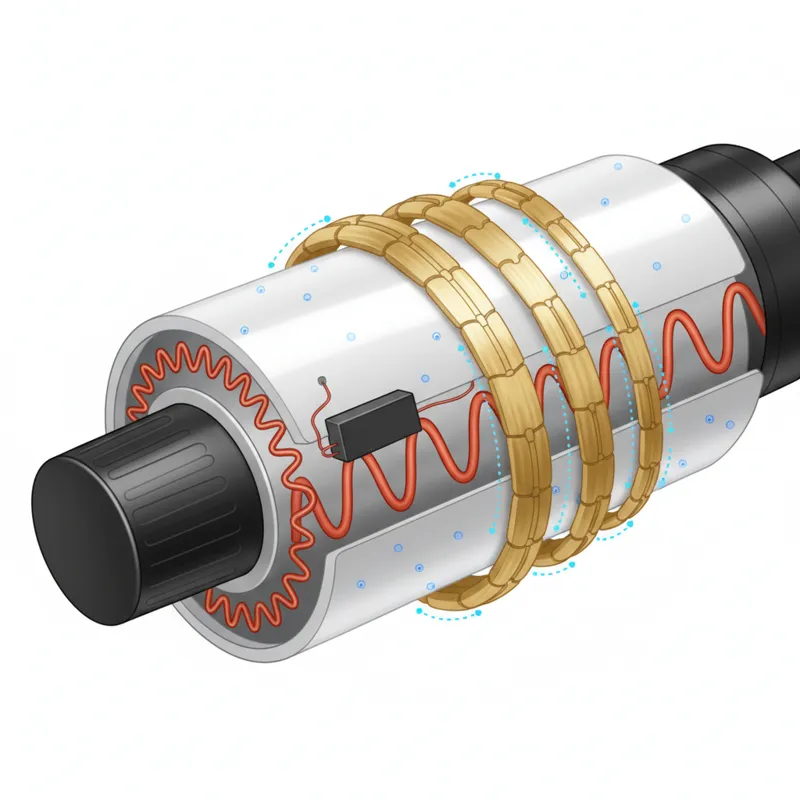
To truly appreciate why certain curling sticks perform better than others, it helps to grasp the underlying mechanism of how heat shapes hair. It’s not magic; it’s chemistry and physics working in tandem.
How Heat Transforms Hair
Hair, at its core, is a complex protein structure, primarily keratin. Its shape is largely determined by various bonds within and between these protein chains. The most easily manipulated are hydrogen bonds. These bonds are relatively weak and susceptible to changes in humidity and, crucially, heat. When you apply heat from a curling stick, you temporarily break these hydrogen bonds. As the hair wraps around the heated barrel, the bonds reform in the new, curled shape. The critical phase then becomes cooling. As the hair cools, the hydrogen bonds solidify in their new configuration, locking in the curl. This is why allowing curls to cool completely before disturbing them is fundamental to their longevity.
Key Components: Barrel, Material, and Temperature Control
The effectiveness and safety of a curling stick largely depend on its core components. Barrel shapes dictate the curl pattern. A cylindrical barrel creates uniform curls, while a tapered barrel produces more natural-looking curls that are tighter at the ends and looser at the root. Bubble wands offer unique, spiraled textures. The size of the barrel directly correlates with the size of the curl; smaller barrels yield tighter curls, larger ones create looser waves. The material of the barrel is vital for heat distribution and hair protection.
- Ceramic: A common and popular choice, ceramic barrels distribute heat evenly, reducing hot spots that can damage hair. They also emit negative ions, which help seal the hair cuticle, reducing frizz and adding shine. They are excellent for fine to medium hair types.
- Tourmaline: Often integrated with ceramic, tourmaline is a semi-precious mineral that produces even more negative ions than ceramic, further enhancing shine and reducing frizz. It’s particularly gentle and beneficial for damaged or color-treated hair.
- Titanium: Known for its exceptional durability and rapid heat-up, titanium barrels maintain very consistent high temperatures. This makes them ideal for thick, coarse, or difficult-to-curl hair, providing intense, long-lasting curls with fewer passes. However, they require careful use due to their higher heat output.
Modern curling sticks offer precise digital temperature control, a non-negotiable feature in 2026. This allows users to select the optimal heat setting for their specific hair type, minimizing damage while maximizing styling effectiveness.
Factors to Consider When Choosing Your Curling Stick
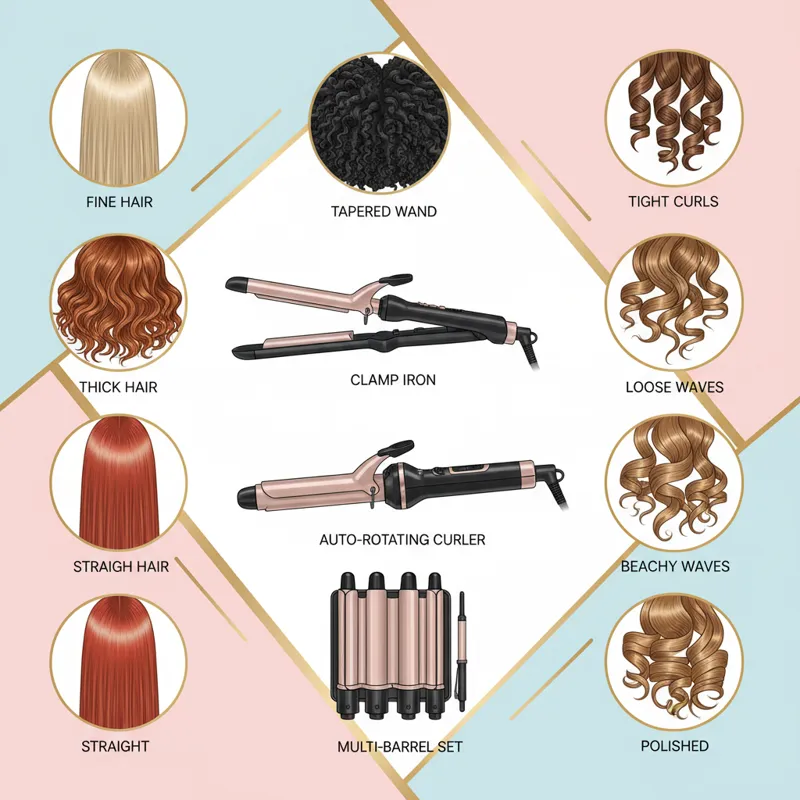
Selecting the right curling stick isn’t a one-size-fits-all decision. Your hair’s unique characteristics, the styles you aim for, and even your comfort with styling tools all play a significant role.
Hair Type and Texture
This is perhaps the most critical factor. Different hair types respond to heat differently.
- Fine or Thin Hair: This hair type is delicate and prone to heat damage. It generally requires lower heat settings and benefits from materials like ceramic or tourmaline that provide even, gentle heat distribution. Smaller barrel sizes tend to hold curls better on fine hair.
- Medium Hair: Most versatile, medium hair can typically handle a wider range of heat settings and barrel materials. You have more flexibility here based on desired style.
- Thick or Coarse Hair: This hair type often resists curling and requires higher heat to achieve and hold a style. Titanium barrels are often preferred here due to their ability to reach and maintain consistent high temperatures quickly. Larger barrels can still create definition.
Desired Curl Style
The look you want to achieve directly influences your barrel choice.
- Tight, Defined Curls: Opt for smaller cylindrical barrels, typically 0.5 to 1 inch.
- Loose Waves or Bouncy Curls: Medium to larger cylindrical barrels, 1.25 to 1.5 inches, are ideal.
- Beach Waves or Natural Undone Look: Tapered wands or bubble wands excel here, creating varied curl patterns. Leaving the ends out also contributes to this aesthetic.
- Glamorous, Polished Curls: Traditional curling irons with clamps often create more uniform, polished curls.
Skill Level and Ergonomics
Consider how comfortable you are with styling tools.
- Beginners: Auto-rotating curling sticks can significantly simplify the process, taking the guesswork out of wrapping hair. Curling irons with clamps can also provide a sense of control. Look for features like cool tips and safety stands.
- Experienced Users: Wands offer more control over curl placement and tension but require more dexterity. Features like extra-long swivel cords and ergonomic handles enhance comfort during longer styling sessions.
Budget and Brand Reputation
While price isn’t the sole indicator of quality, investing in a reputable brand often translates to better materials, advanced technology, and superior durability. Higher-end models might feature smart heat sensors, faster heat-up times, and more ergonomic designs. Consider your frequency of use; an occasional user might not need the same investment as someone who curls their hair daily. Ensure any tool you purchase has proper safety certifications.
Our Top 5 Curling Sticks for Effortless Precision in 2026
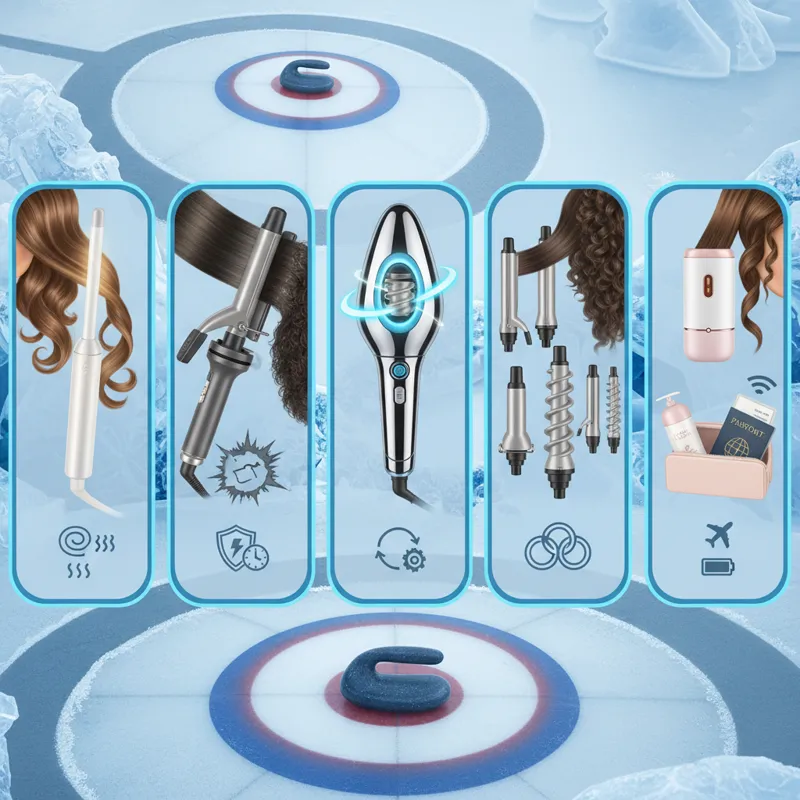
In 2026, the market offers an impressive array of curling tools, each engineered with specific benefits in mind. Based on performance, technology, and user experience, here are five top-tier categories of curling sticks that deliver exceptional precision and ease of use.
1. The Versatile Ceramic Tapered Wand
This category continues to be a favorite for its ability to create natural, varied curls and waves. The tapered barrel, typically ranging from 1 inch down to 0.5 inch, allows for a more organic curl pattern, mimicking the way hair would naturally curl.
- Description: These wands feature a smooth ceramic or tourmaline-ceramic coated barrel. They lack a clamp, requiring you to wrap sections of hair around the barrel manually. This design provides greater control over the curl’s tightness and direction.
- Key Features: Fast, even heat distribution minimizes frizz and adds shine. Multiple digital heat settings ensure suitability for a broad spectrum of hair types. A cool tip is almost standard, enhancing safety.
- Best For: Individuals seeking a natural, beachy wave or a mix of curl sizes. Excellent for all hair types, particularly those with fine to medium hair who prioritize shine and reduced frizz.
2. The Professional Titanium Clamp Iron
For those who prefer classic, defined curls with reliable hold, the titanium clamp iron remains an industry standard. These tools are built for power and endurance.
- Description: Characterized by a durable titanium barrel and a secure clamp, these irons deliver consistent, high heat. The clamp holds the hair section firmly, allowing for precise curl formation from root to tip.
- Key Features: Rapid heat-up and exceptional heat retention, crucial for thick or resistant hair. Available in a wide range of barrel sizes (from 0.75 to 2 inches) to achieve specific curl dimensions. Often include an extra-long, tangle-free swivel cord for professional ease of use.
- Best For: Thick, coarse, or difficult-to-curl hair types that need higher heat for lasting styles. Ideal for creating polished, bouncy curls that hold their shape. The right curl can frame your face, drawing attention to delicate features or a stunning piece of jewelry like a sleeping beauty turquoise necklace.
3. The Auto-Rotating Curling Stick
A game-changer for convenience and consistency, auto-rotating curling sticks simplify the curling process significantly, making them a top choice for beginners or those short on time.
- Description: These innovative tools feature a barrel that automatically rotates at the press of a button, gently drawing and wrapping sections of hair. Some models enclose the hair entirely, while others offer an open barrel design.
- Key Features: Bidirectional rotation allows for curls facing away from or towards the face. Advanced anti-tangle mechanisms and safety sensors prevent hair snagging. Many include ceramic or tourmaline coatings for gentle heat.
- Best For: Novices, individuals with limited dexterity, or anyone looking for consistent, perfectly formed curls with minimal effort. They offer a uniform result with less arm strain.
4. The Multi-Barrel Interchangeable Set
For the ultimate in styling versatility, an interchangeable curling stick set is an invaluable investment. These systems provide a single heating base with multiple detachable barrels of various shapes and sizes.
- Description: A base unit houses the heating element and temperature controls, to which various barrels (cylindrical, tapered, oval, bubble) can be securely attached. This allows for a vast range of curl styles from one primary tool.
- Key Features: High-quality ceramic, tourmaline, or titanium barrels ensure excellent heat performance. Quick-change locking mechanisms make swapping barrels simple and safe. Often comes with a heat-resistant glove and travel case.
- Best For: Stylists, enthusiasts who love to experiment with different looks, or those with diverse styling needs. This set eliminates the need for multiple single-purpose curling sticks.
5. The Cordless Travel Curling Stick
Portability and freedom are the hallmarks of the cordless curling stick, a must-have for touch-ups on the go or styling without outlet restrictions.
- Description: These compact curling sticks are powered by rechargeable batteries, often lithium-ion, providing a cord-free styling experience. They are designed to be lightweight and easy to pack.
- Key Features: Compact design, typically with ceramic barrels for efficient, gentle heat. USB-C charging is common in 2026 models for universal compatibility. Auto shut-off features conserve battery life. While heat might not be as high as corded versions, it’s sufficient for touch-ups and finer hair.
- Best For: Frequent travelers, individuals needing quick touch-ups throughout the day, or those who style in areas without convenient power outlets. Just as we appreciate the uniform warmth of a heated slanket on a chilly evening, the convenience of a cordless tool brings a similar comfort to styling anywhere.
What Most People Get Wrong About Curling Sticks
Even with the best curling stick, misconceptions can hinder your results and potentially harm your hair. Understanding these common pitfalls can significantly improve your styling game.
Misconception 1: “Higher heat always means better curls.”
This is a pervasive and damaging belief. While some hair types (like thick, coarse hair) do require higher temperatures, excessive heat on fine or medium hair can lead to irreversible damage, breakage, and dullness, without necessarily improving curl hold. The goal isn’t maximum heat, but optimal heat for your specific hair type. Using the lowest effective temperature is always the safest approach.
Misconception 2: “All barrels are created equal.”
Many people assume a curling stick is just a hot rod. However, the barrel material (ceramic, tourmaline, titanium) and its shape (cylindrical, tapered, oval) fundamentally alter how heat is delivered and the type of curl created. A ceramic barrel provides gentle, even heat, while titanium offers intense, consistent heat. Tapered wands create natural variations; cylindrical barrels yield uniformity. Ignoring these differences means missing out on the right tool for your specific needs.
Misconception 3: “You don’t need heat protectant.”
Skipping heat protectant is akin to driving without a seatbelt. It’s a gamble you’ll eventually lose. Heat protectants create a thermal barrier between your hair and the hot tool, distributing heat more evenly and reducing direct thermal damage. They are not merely a marketing gimmick; they are an essential step in preserving hair health, especially with regular heat styling. To learn more about the science behind hair care, including the role of heat protection, consult reputable sources like Wikipedia’s article on Hair Care.
Misconception 4: “Holding the curl longer makes it last longer.”
This is another common mistake. The crucial factor for curl longevity isn’t how long the heat is applied, but how effectively the hair cools and sets in its new shape. Over-applying heat can lead to weaker bonds and can damage the hair shaft. Instead, focus on wrapping the hair correctly, applying heat for the optimal time (usually 5-10 seconds depending on hair type and tool), and then allowing the curl to cool completely, ideally pinned up, before releasing it.
Maximizing Your Curling Stick’s Performance and Hair Health
Achieving salon-worthy curls consistently involves more than just owning a quality curling stick; it requires a combination of preparation, technique, and proper aftercare.
The Essential Role of Heat Protectant
Never underestimate the power of a good heat protectant. Before any heat styling, a generous application of a high-quality heat protectant spray is non-negotiable. These products contain silicones and polymers that form a protective barrier around the hair shaft, shielding it from intense temperatures. They also help distribute heat more evenly, preventing localized damage and sealing the cuticle for a smoother, shinier finish. Choosing a protectant suitable for your hair type – fine mist for fine hair, cream for thick hair – optimizes its effectiveness.
Proper Sectioning and Technique
Precision begins with preparation. Thoroughly brush your dry hair to remove any tangles. Then, section your hair meticulously. Small, consistent sections (typically 1-2 inches wide, depending on desired curl size) ensure that heat is evenly distributed, leading to uniform curls. Attempting to curl large sections of hair at once results in uneven heating, limp curls, and potential damage to the outer layers while the inner layers remain uncurled. When wrapping hair around a wand, always point the cool tip downwards. Wrap the hair away from your face for a flattering, open look, or alternate directions for a more natural, undone texture. For clamp irons, start a few inches from the root, clamp the hair, and then gently slide the iron down to the ends before slowly twisting it upwards to form the curl. Always leave the very ends out if you prefer a modern, less “done” look.
Setting the Curl for Longevity
The cooling phase is where the magic happens for lasting curls. Once you release a section from the curling stick, gently cup the warm curl in your hand and either allow it to cool completely or, for maximum hold, pin it against your scalp using a duckbill clip or bobby pin. This technique allows the hydrogen bonds to fully reset in their curled formation, making the style significantly more resilient. Once all curls have cooled, remove the pins and gently rake through them with your fingers or a wide-tooth comb for a softer look. A light mist of flexible-hold hairspray can then lock in the style without stiffness. This careful approach ensures your curls last, whether you’re completing a casual outfit or complementing a sharp brown double breasted suit for a formal event.
Maintenance and Care for Your Tool
A well-maintained curling stick performs better and lasts longer. After each use, allow the tool to cool completely. Then, gently wipe down the barrel with a soft, damp cloth to remove any product residue, hair oils, or dust. Accumulated residue can cause uneven heating and impact performance. Store your curling stick in a heat-resistant pouch or a dedicated drawer to protect the barrel from scratches and prevent damage to its internal components. Regularly inspect the cord for any fraying or damage, which can be a safety hazard.
The Evolution of Curling Sticks: 2026 and Beyond
The beauty tech industry is constantly innovating, and curling sticks are no exception. In 2026, we’re seeing a clear trajectory towards smarter, more personalized, and more sustainable styling solutions. Expect to see even more sophisticated temperature regulation systems. Future curling sticks might incorporate advanced sensors that analyze your hair’s moisture content and texture in real-time, automatically adjusting heat output to the absolute optimal level. This adaptive technology aims to minimize damage while maximizing styling efficiency. Integration with smart home ecosystems and dedicated styling apps is also becoming more prevalent. Imagine a curling stick that syncs with an app to offer personalized tutorials based on your hair length and desired outcome, or one that can be programmed for different curl styles with a tap on your smartphone. The focus is on making professional-level styling accessible and intuitive for everyone. Sustainability is another key driver. Manufacturers are increasingly exploring the use of recycled materials for tool casings, energy-efficient heating elements, and longer-lasting battery technologies for cordless models. The aim is to reduce the environmental footprint of personal care tools. To delve deeper into the latest trends in beauty technology, major publications like Forbes’ innovation section on consumer tech often provide excellent insights into these developments.
Frequently Asked Questions About Curling Sticks
Navigating the world of curling sticks often brings up several common questions. Here are some of the most frequently asked, addressed with clarity and practical advice.
What’s the difference between a curling iron and a curling wand?
The primary distinction lies in the clamp. A curling iron has a spring-loaded clamp that holds a section of hair against the barrel while you curl. This provides more control for defined, uniform curls. A curling wand, conversely, has no clamp; you manually wrap sections of hair around the barrel, holding the ends (often with a heat-resistant glove). Wands are excellent for creating more natural, varied, and beachy waves.
How do I choose the right barrel size for my hair?
Your desired curl size dictates the barrel diameter.
- 0.5 to 1 inch: For tight, defined curls or short hair.
- 1.25 inches: A versatile size for bouncy, medium curls and good for most hair lengths.
- 1.5 to 2 inches: For loose waves, body, and volume, particularly on long hair.
Tapered wands offer a range within a single barrel, producing curls that are tighter at the bottom and looser at the top.
Can I use a curling stick on wet hair?
No, absolutely not. Curling sticks are designed for use on completely dry hair. Applying intense heat to wet hair can cause it to essentially boil, leading to severe damage, breakage, and sizzling sounds that indicate structural harm. Always ensure your hair is 100% dry before any heat styling.
How often can I use a curling stick without damaging my hair?
This depends heavily on your hair type, the heat settings you use, and whether you consistently apply heat protectant. Generally, limiting heat styling to 2-3 times a week is a good guideline. If you have fine or damaged hair, you might want to reduce this further. Always listen to your hair – if you notice increased dryness, breakage, or dullness, scale back on heat styling and invest in nourishing hair treatments.
What temperature should I set my curling stick to?
This varies by hair type:
- Fine, thin, or damaged hair: 250°F – 300°F (120°C – 150°C).
- Medium or normal hair: 300°F – 375°F (150°C – 190°C).
- Thick, coarse, or resistant hair: 375°F – 410°F (190°C – 210°C).
Always start with the lowest effective temperature and increase only if necessary. Never exceed 410°F (210°C) as this can cause significant damage to the hair’s keratin structure regardless of hair type.
Choosing the right curling stick is an investment in your styling routine, blending technology with artistic expression. By understanding the core mechanics, considering your individual hair needs, and embracing proper technique, you’re equipped to select a tool that delivers not just curls, but truly effortless precision. The market in 2026 offers an unprecedented range of sophisticated options, ensuring that with a bit of informed consideration, you can achieve any desired look with confidence and care for your hair.


