Navigating the diverse landscapes of the United States, from the misty Pacific Northwest trails to the humid Appalachian paths or the unexpected downpours of the Rockies, demands gear that performs reliably. For women who spend time outdoors, especially when rain is a possibility, investing in high-quality womens waterproof hiking trousers isn’t just a comfort — it’s a critical safety consideration. As we move into 2026, advancements in fabric technology and design continue to refine what’s possible, offering better breathability, lighter weights, and improved durability. This guide breaks down the essential aspects of choosing the right pair, along with six top-rated picks engineered to keep you dry and comfortable on your adventures.
Understanding Waterproofing: Beyond the Label
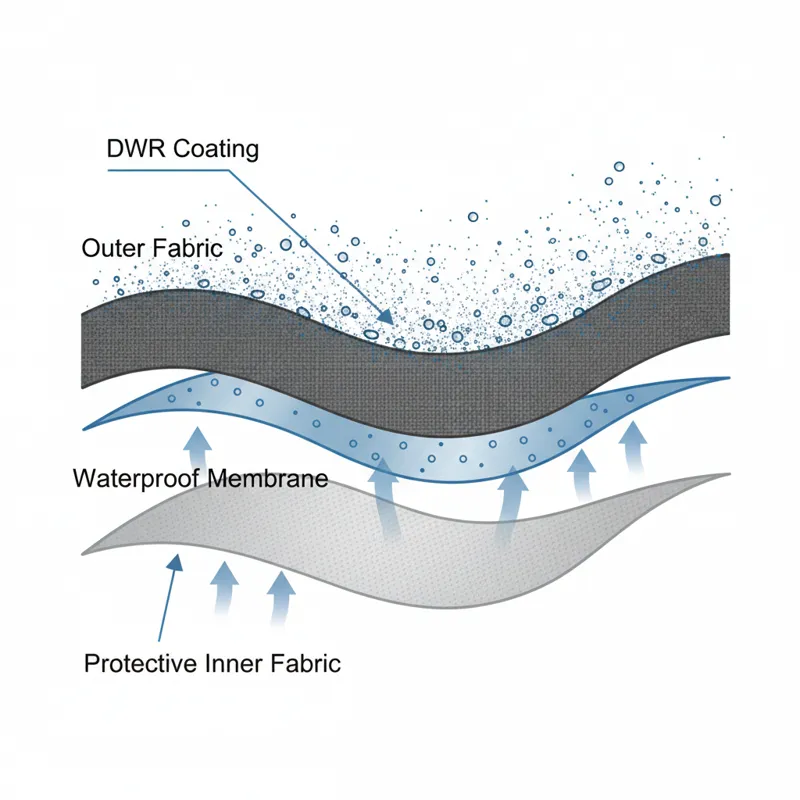
When you encounter the term “waterproof,” it often implies an absolute barrier. In the context of outdoor gear, however, the reality is more nuanced, particularly when balancing water repellency with breathability. Understanding how waterproof fabrics function is key to making an informed choice for your next pair of womens waterproof hiking trousers.
The Role of DWR: Durable Water Repellent
At the outermost layer of most waterproof garments is a Durable Water Repellent (DWR) finish. This chemical coating causes water to bead up and roll off the fabric surface instead of saturating it. Think of it as the first line of defense. A well-maintained DWR prevents the face fabric from ‘wetting out,’ which is crucial because a saturated outer layer compromises the garment’s breathability, even if the internal membrane remains watertight. DWR treatments are not permanent; they wear off over time and require reapplication.
Waterproof Membranes: The True Barrier
Beneath the DWR lies the core of the waterproofing system: a microscopic membrane. Technologies like Gore-Tex, eVent, Pertex Shield, FutureLight, and many proprietary brands create a barrier with pores too small for liquid water molecules to pass through, but large enough for water vapor (perspiration) to escape. This is the mechanism that provides both waterproofing and breathability, allowing moisture from your body to move outwards, preventing you from feeling clammy and cold.
Membranes come in different constructions:
- 2-Layer (2L): The membrane is laminated to the outer face fabric. A separate, often mesh, liner protects the membrane on the inside. Generally more affordable, good for casual use.
- 2.5-Layer (2.5L): The membrane is laminated to the face fabric, and a protective, often printed, half-layer is applied to the inside of the membrane. This makes them lighter and more packable, common for emergency shell pants.
- 3-Layer (3L): The membrane is sandwiched between a durable outer face fabric and a robust inner lining fabric. This construction is the most durable, breathable, and typically the most expensive, ideal for harsh conditions and extended use.
Seam Sealing: The Unsung Hero
A fabric can be perfectly waterproof, but if the seams aren’t sealed, water will inevitably leak through the needle holes. Quality waterproof hiking trousers have all their seams taped with a waterproof sealant. This detail is non-negotiable for true waterproof performance and should be a standard expectation for any pair you consider.
Hydrostatic Head and MVTR: Performance Metrics
Professionals often look at two key metrics:
- Hydrostatic Head: Measured in millimeters (mm), this indicates how much water pressure a fabric can withstand before it leaks. A higher number means better waterproofing. Generally, 10,000mm is considered a good starting point for active outdoor use, with 20,000mm+ being excellent for extreme conditions.
- Moisture Vapor Transmission Rate (MVTR): Expressed in g/m²/24h, this measures how much water vapor can pass through a square meter of fabric in 24 hours. A higher MVTR indicates better breathability. You want a good balance between a high hydrostatic head and a high MVTR for comfort during strenuous activity.
Key Features to Look for in 2026 Womens Waterproof Hiking Trousers
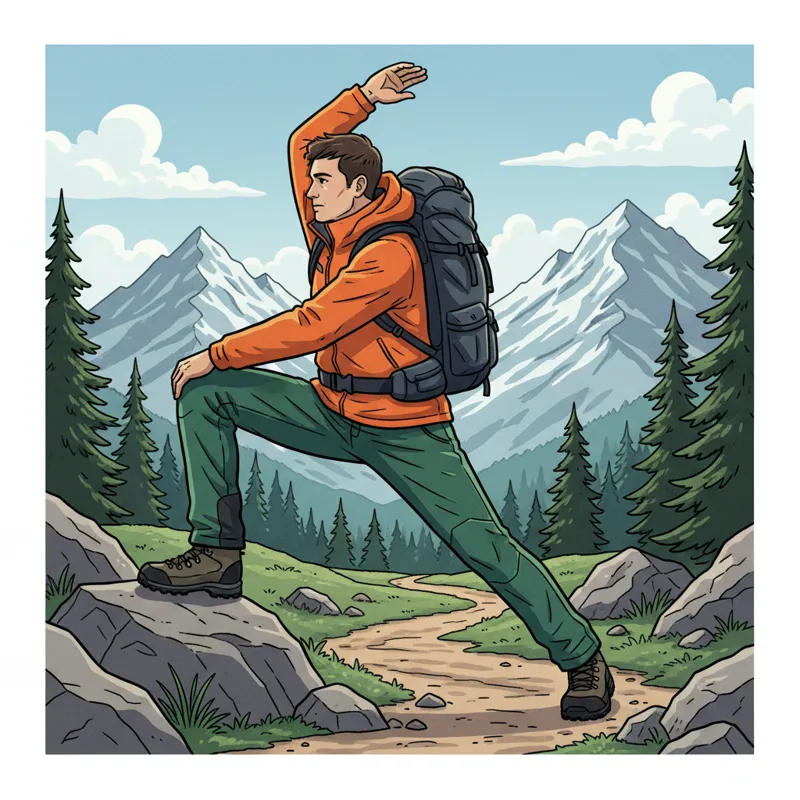
Beyond the fundamental waterproof-breathable technology, several design features dictate how functional and comfortable your ladies rain hiking pants will be on the trail. Understanding these elements helps you match the gear to your specific hiking needs.
Fit and Mobility
Hiking involves dynamic movement. Look for anatomical shaping, such as articulated knees and a gusseted crotch, which allow for a full range of motion without restriction or fabric bunching. A fit that’s not too baggy (which can snag) and not too tight (which restricts movement and layering) is ideal. Many modern designs incorporate stretch fabrics, even in 3-layer constructions, enhancing comfort significantly.
Weight and Packability
If you’re carrying your waterproof trousers more often than you’re wearing them, weight and how small they pack down are crucial. Lightweight hiking gear for female adventurers often prioritizes 2.5-layer construction or ultra-light 3-layer options. These are excellent for ‘just-in-case’ scenarios or fast-and-light missions where every ounce counts.
Zippers and Vents
Full-length side zippers are a game-changer. They allow you to pull your waterproof trousers on or off over hiking boots without having to remove your footwear. This is invaluable when weather changes quickly on the trail. Look for two-way zippers that can also function as thigh vents, allowing you to dump excess heat without fully removing the trousers. All zippers should be waterproof or feature storm flaps to prevent leaks.
Pockets and Storage
While some minimalist waterproof trousers omit pockets to save weight and complexity, others offer waterproof zippered pockets for essentials like a phone, map, or snacks. Consider your need for accessible storage versus the desire for a sleek, lightweight design.
Reinforcements and Durability
For demanding terrain or activities like scrambling, look for kick patches or reinforced areas on the instep and seat. These tougher fabrics protect against abrasion from boots, crampons, or rough surfaces, extending the lifespan of your durable outdoor pants for women.
Adjustability
An adjustable waist (drawcord, elastic, or hook-and-loop tabs) ensures a secure fit, especially when layering. Adjustable cuffs (snaps, drawcords, or elastic) help seal out moisture and debris, and can cinch down over boots.
Sustainability Considerations
As of 2026, many brands are prioritizing environmental responsibility. Look for options with PFC-free DWR treatments, which are less harmful to the environment, and trousers made from recycled or bluesign-approved materials. These choices reflect a commitment to sustainable outdoor gear.
6 Top-Rated Womens Waterproof Hiking Trousers
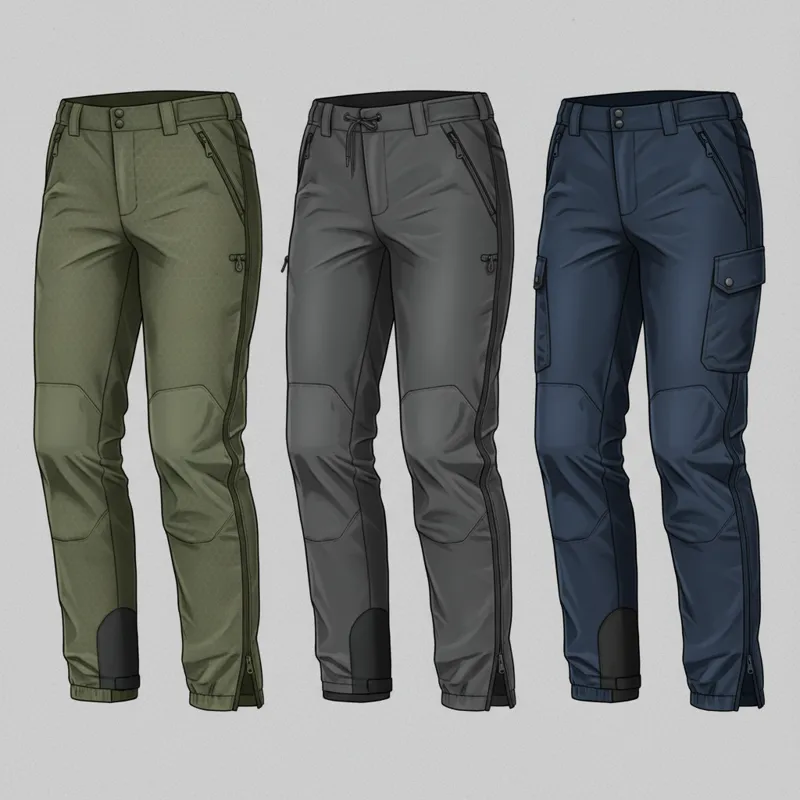
Selecting the best waterproof hiking pants women will depend on your specific needs, but these six options represent a spectrum of performance, durability, and value, chosen for their proven track record and innovative design as of 2026.
1. Arc’teryx Beta SV Pant Women’s
Overview: The Beta SV (Severe Weather) Pant from Arc’teryx is built for the most demanding alpine and trekking environments. It’s a bombproof, highly protective shell pant for serious adventurers.
Key Features: Constructed with a 3-layer GORE-TEX PRO membrane, known for its exceptional durability and breathability under extreme conditions. Features full-length side zips for easy on/off and ventilation, internal Schoeller Keprotec instep patches for abrasion resistance, and a highly adjustable waist. Weighs around 300-350g, striking a balance between protection and manageable weight for its class.
Performance: Offers unparalleled waterproofing and robust breathability, crucial during high-output activities in sustained rain or snow. The fabric is incredibly tough, shrugging off scrapes and tears from rock and ice. The fit is articulated and allows for easy layering.
Best for: Mountaineering, ice climbing, multi-day backpacking in unpredictable and harsh weather, or anyone needing ultimate protection and durability.
Pros: Unrivaled durability and weather protection; excellent breathability; full-length side zips; robust construction for severe conditions.
Cons: High price point; heavier and less packable than ultra-light options.
2. Outdoor Research Aspire II Pant
Overview: A highly versatile, lightweight, and packable option for hikers who need reliable rain protection without the bulk. The Aspire II is a go-to for variable conditions.
Key Features: Utilizes a 2.5-layer GORE-TEX Paclite fabric, making it extremely lightweight (around 200-220g) and highly packable. It boasts full-length side zippers, allowing for quick changes on the trail. A zippered back pocket adds minimal storage. The waist is elasticized with a drawcord for a comfortable fit.
Performance: Provides excellent waterproofing and good breathability for its weight. The Paclite technology ensures it’s easy to stash in a pack. The full side zips are incredibly practical for sudden downpours, offering unmatched convenience.
Best for: Day hiking, backpacking, trail running, or general use where lightweight, packable, and reliable rain protection is needed for unexpected weather.
Pros: Extremely lightweight and packable; full-length side zippers for easy on/off; reliable GORE-TEX Paclite waterproofing; versatile for various activities.
Cons: 2.5L construction is less durable than 3L for heavy abuse; minimalist features (few pockets).
3. Patagonia Storm Racer Pant
Overview: Engineered for ultralight performance and speed, the Storm Racer is Patagonia’s minimalist waterproof pant, perfect for fast-and-light missions or trail running.
Key Features: Constructed with a super-lightweight 3-layer H2No Performance Standard fabric with a PFC-free DWR. Weighing in at a mere 140-160g, these are among the lightest on the market. Features elasticized cuffs with small snaps for boot interface and minimal waist adjustment. No full-length side zips to save weight, relying on a simpler, pullover design.
Performance: Surprisingly robust for its weight, offering solid waterproofing and excellent breathability for high-aerobic activity. The PFC-free DWR is a notable environmental commitment. Its streamlined design minimizes bulk and interference during dynamic movement.
Best for: Ultralight backpacking, trail running, fast-and-light alpine ascents, or emergency rain protection where every gram counts.
Pros: Exceptionally lightweight and packable; excellent breathability for high output; PFC-free DWR; ethical sourcing and manufacturing.
Cons: No full-length side zips (can be tricky to put on over boots); limited features; less durable than heavier options.
4. Rab Kinetic Alpine 2.0 Pants
Overview: Blurring the line between softshell and hardshell, the Kinetic Alpine 2.0 offers remarkable stretch, breathability, and comfort without compromising waterproof performance. This is a top pick for ‘breathable women’s trekking trousers’.
Key Features: Uses Rab’s proprietary Proflex™ fabric, a 3-layer stretch woven textile with a hydrophilic membrane. This unique construction provides the comfort and mobility of a softshell with the waterproof capability of a hardshell. Features knee articulation, a partial elasticated waist with drawcord, and zippered ankle gussets. Weight is approximately 250-280g.
Performance: Exceptional breathability and freedom of movement due to the highly stretchy Proflex™ fabric. The waterproofing holds up well in continuous rain, though some might find traditional hardshells marginally more robust in truly torrential downpours. The soft feel is incredibly comfortable against the skin.
Best for: Fast-paced hiking, scrambling, technical trekking, or any activity where maximum mobility and breathability are as important as waterproof protection.
Pros: Outstanding stretch and comfort; excellent breathability; quiet fabric; highly versatile for active pursuits.
Cons: Not quite as “hardshell” protective as GORE-TEX Pro in extreme, sustained deluges; ankle zips are not full-length.
5. Marmot PreCip Eco Full Zip Pant
Overview: A highly popular and affordable choice, the PreCip Eco Full Zip Pant delivers reliable waterproofing with a strong environmental focus, making it an excellent value for a wide range of hikers.
Key Features: Made with Marmot’s 2.5-layer NanoPro™ Eco fabric, which uses recycled nylon for its face fabric and a PFC-free DWR. These ladies rain hiking pants feature full-length side zippers with storm flaps for easy on/off and ventilation, zippered hand pockets, and an elastic waist with a snap closure. Weighs around 280-300g.
Performance: Offers dependable waterproofing and decent breathability for its price point. The full-length zips are a huge practical advantage, especially given the cost. The recycled materials and PFC-free DWR are commendable. It’s a workhorse for general hiking and backpacking in wet conditions.
Best for: Budget-conscious hikers, casual backpacking, day hiking, or as reliable emergency rain gear for most conditions.
Pros: Excellent value; full-length side zippers; environmentally friendly materials (recycled, PFC-free DWR); reliable performance for general use.
Cons: Breathability is good but not top-tier compared to premium 3L options; 2.5L construction is less durable for constant, heavy use.
6. Columbia OutDry Ex Reign Pant
Overview: The OutDry Ex Reign stands out with its unique external membrane technology, eliminating the need for a separate DWR coating and ensuring permanent waterproofing on the outside.
Key Features: Features Columbia’s OutDry™ Extreme technology, where the waterproof-breathable membrane is on the outside of the fabric, meaning the face fabric never ‘wets out.’ It has a comfortable interior wicking layer, partial side zips for venting and easy boot entry, zippered hand pockets, and an adjustable waist. Weight is around 250-270g.
Performance: Exceptionally waterproof because there’s no outer fabric to saturate. Water beads off continuously, and the pants stay visually dry. Breathability is very good, and the interior wicking layer adds comfort. This technology means you never have to worry about re-applying DWR. Maintaining energy levels on longer treks is crucial, and while your trousers keep you physically protected, internal fuel sources like a refreshing Celsius Peach Mango Green Tea can provide that essential boost.
Best for: Hikers who prioritize maximum, consistent waterproofing, especially in persistent rain, and appreciate innovative technology that eliminates DWR maintenance concerns.
Pros: Permanently waterproof (external membrane); excellent water shedding; very breathable; comfortable interior.
Cons: The exterior membrane can have a slightly “plasticky” feel and look to some; not as durable for extreme abrasion as heavy-duty 3L options.
What Most People Get Wrong About Waterproof Hiking Trousers
Even with excellent gear, misconceptions can hinder performance and comfort. Here are a few common misunderstandings regarding womens waterproof hiking trousers.
Confusing Water Resistance with Waterproof
Many outdoor pants are labeled “water-resistant,” often treated with DWR or a tightly woven fabric. While these can handle light drizzles or splashes, they will eventually saturate in continuous rain. True “waterproof” trousers incorporate a membrane and fully taped seams. Always check for these specific features if you need protection in persistent wet conditions.
Neglecting DWR Maintenance
A common mistake is assuming the garment will remain waterproof indefinitely without care. The DWR coating, which makes water bead up, wears off. When it’s gone, the outer fabric absorbs water, making the trousers feel heavy and compromising breathability, even if the membrane is still intact. Reactivating or reapplying DWR is crucial for optimal performance.
Expecting Full Breathability in Downpours
While modern membranes are highly breathable, no waterproof-breathable fabric can match the breathability of a non-waterproof fabric. In heavy rain, especially combined with high exertion, internal condensation can still occur. This isn’t a gear failure but a physical limitation. Utilizing pit zips or full-length side zips as vents, or moderating your pace, can help manage internal moisture.
Ignoring Proper Layering Underneath
Your waterproof trousers are an outer shell. What you wear underneath profoundly impacts comfort. Cotton base layers absorb moisture and stay wet, leading to chilling. Opt for synthetic or merino wool base layers that wick moisture away from your skin. This system helps the waterproof membrane do its job effectively by moving moisture away from your body.
Caring for Your Waterproof Trousers
Proper care extends the life and performance of your waterproof gear. It’s not just about cleaning; it’s about maintaining the technical properties of the fabric and membrane.
Washing with Technical Gear Wash
Regular detergents can leave residues that clog the membrane and impair the DWR. Use a specialized technical gear wash (like Nikwax Tech Wash or Grangers Performance Wash). Wash your womens waterproof hiking trousers when they appear dirty or when water stops beading up, following the garment’s care tag instructions (typically gentle cycle, cold water).
Reactivating and Reapplying DWR
After washing, you can often reactivate the DWR by tumble drying on a low heat setting for about 20 minutes. If water no longer beads up, even after washing and heat treatment, it’s time to reapply. Use a spray-on or wash-in DWR treatment (e.g., Nikwax TX. Direct or Grangers Repel). This is a critical step for maintaining the effectiveness of your rain hiking pants.
Proper Storage
Store your clean, dry waterproof trousers loosely in a cool, dry place. Avoid compressing them tightly for long periods, which can stress the membrane and seam tape. Hanging them is ideal.
Layering for Optimal Comfort
The best waterproof hiking pants women wear are part of a system. Understanding layering principles is vital for comfort and safety in variable conditions.
The Base Layer: Moisture Management
Closest to your skin, the base layer wicks sweat away from your body. Choose synthetic (polyester, nylon) or merino wool fabrics. Avoid cotton at all costs, as it absorbs moisture and will make you feel cold and clammy once wet, even under waterproof pants.
The Mid-Layer: Insulation (If Needed)
If temperatures are low, a thin fleece or synthetic insulation layer can be worn between your base layer and waterproof shell. This layer traps warm air, providing insulation. For warmer, rainy conditions, you might skip this layer entirely.
The Outer Shell: Protection from the Elements
Your womens waterproof hiking trousers form the outer shell, protecting you from rain, wind, and snow. The breathability of this layer works in conjunction with your inner layers to manage moisture and maintain a comfortable microclimate around your legs.
Choosing the Right Pair for Your Adventure
With a comprehensive understanding of features and top picks, the final step is to align your choice with your specific hiking needs.
Consider Climate, Duration, and Intensity
- Torrential rain and extreme cold: Opt for robust 3-layer GORE-TEX PRO trousers like the Arc’teryx Beta SV.
- Variable weather, moderate activity: Versatile 2.5-layer options with full side zips, such as the Outdoor Research Aspire II or Marmot PreCip Eco, offer great flexibility.
- Fast-and-light, emergency use: Ultralight options like the Patagonia Storm Racer are ideal when weight is paramount.
- High output, needing maximum breathability and stretch: The Rab Kinetic Alpine 2.0 excels in these conditions.
Match Features to Your Specific Needs
Do you need full-length side zips for quick changes on the trail? Are reinforced kick patches necessary for scrambling over rocks? Is packability a top priority for your small daypack? Thinking through these practical considerations will narrow down your choices for the best waterproof hiking pants women can find.
When the day’s adventure concludes and you’re back indoors, transitioning from the rugged trail to a cozy ambiance can be a welcome change, sometimes even involving creative lighting solutions like those found in 7 Ultimate Tea Light Candle Holders Decor Ideas, offering a moment of calm after the storm.
Frequently Asked Questions (FAQ)
Are waterproof trousers truly breathable?
Yes, modern waterproof trousers are designed to be breathable. They use membranes that allow water vapor (sweat) to escape while blocking liquid water (rain). However, their breathability is always a compromise compared to non-waterproof fabrics, and performance varies greatly between models and technologies.
Can I use waterproof trousers in snow?
Absolutely. Many womens waterproof hiking trousers are excellent for snowy conditions, preventing snow from melting and soaking through. For deep snow or extremely cold temperatures, you might consider specific insulated snow pants or layer appropriately underneath your waterproof shell pants.
How often should I reapply DWR?
The frequency depends on usage and wear. A good indicator is when water stops beading up on the fabric surface and starts to soak in (even if it doesn’t leak through the membrane). For frequent users, reapplying DWR once or twice a season is a reasonable expectation. You can test by sprinkling a few drops of water on the clean fabric.
What’s the difference between 2-layer, 2.5-layer, and 3-layer waterproof trousers?
These terms refer to the construction of the waterproof fabric:
- 2-layer (2L): Membrane laminated to the face fabric, with a separate mesh lining. More budget-friendly, less durable.
- 2.5-layer (2.5L): Membrane laminated to face fabric, with a protective print/coating on the inside. Lighter and more packable, good for ’emergency’ shells.
- 3-layer (3L): Membrane sandwiched between durable face fabric and a robust inner lining. Most durable, breathable, and expensive, ideal for harsh conditions.
Should I size up for layering?
Typically, waterproof hiking trousers are designed with enough room to accommodate a base layer and a thin mid-layer underneath without restricting movement. However, if you plan to wear very bulky insulation, or if you are between sizes, consider trying a size up or checking the brand’s specific sizing guide for layering recommendations. A proper fit ensures maximum mobility and prevents chafing.
Ultimately, selecting the right womens waterproof hiking trousers is about understanding your specific outdoor needs and matching them with the advanced technologies available in 2026. Whether you’re tackling exposed ridges or simply enjoying a forest stroll, having the confidence that you’ll stay dry is paramount to a comfortable and enjoyable experience in nature.