

For those of us navigating the unique landscape of textured hair, the quest for defined, shiny, and frizz-free curls often feels like an ongoing journey. In 2026, with an abundance of products promising miracles, it’s easy to overlook one of the most effective and time-tested solutions: natural oils. Far from merely a trend, incorporating the right oil for curling hair into your routine offers a mechanistic approach to enhancing curl definition, providing lasting moisture, and creating a protective barrier against environmental stressors. Understanding how these oils interact with your hair’s natural structure is key to unlocking their full potential, transforming your curls from chaotic to consistently captivating.
Why Oil for Curling Hair Works: The Science of Shine and Definition
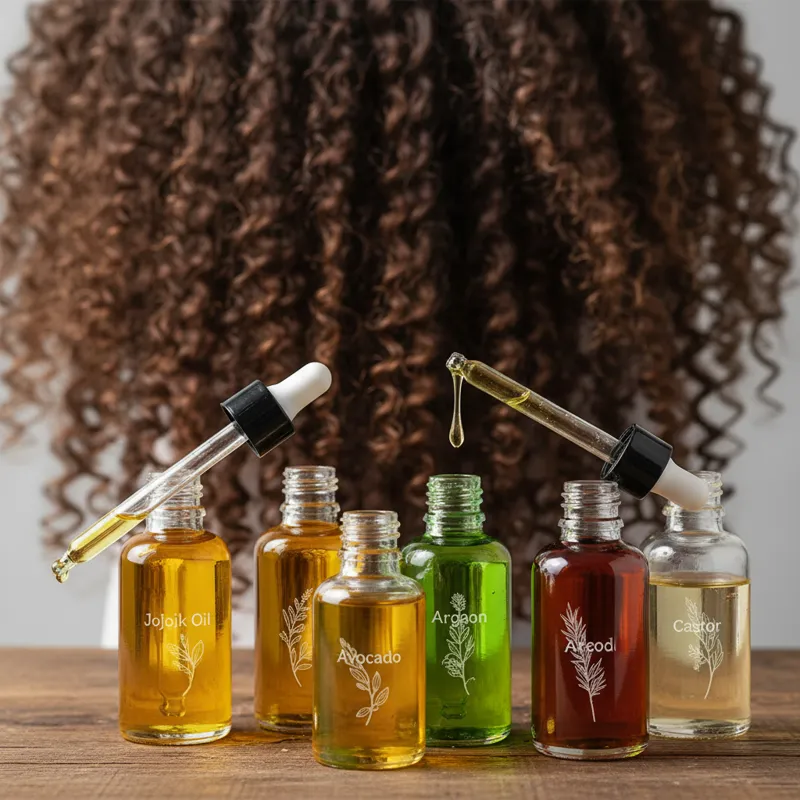
Hair, particularly curly hair, is inherently more porous and prone to dryness compared to straight hair. The unique structure of a curl means the cuticle, the outermost layer of the hair shaft, is often lifted, making it easier for moisture to escape and for frizz-causing humidity to enter. This is where the right oil for curling hair becomes invaluable.
Oils work on multiple levels. Mechanistically, they function as emollients, smoothing down the cuticle and sealing in moisture. This process reduces friction between hair strands, which is a primary cause of frizz. By creating a hydrophobic (water-repelling) layer, oils can also help protect the hair from humidity, preventing it from absorbing excess moisture and losing its curl pattern.
Furthermore, many natural oils are rich in fatty acids, vitamins, and antioxidants. These components don’t just sit on the surface; they can penetrate the hair shaft to varying degrees, depending on their molecular structure and the hair’s porosity. This internal nourishment strengthens the hair, improves elasticity, and contributes to overall hair health, making curls more resilient and less prone to breakage.
Understanding Hair Porosity and Curl Type
Before selecting your ideal oil, it’s essential to understand your hair’s porosity. High porosity hair, often characterized by raised cuticles, absorbs moisture quickly but loses it just as fast. Low porosity hair, with tightly bound cuticles, struggles to absorb moisture but retains it well once hydrated. Medium porosity falls in between.
Your curl type—wavy (2A-2C), curly (3A-3C), or coily (4A-4C)—also dictates which oils will perform best. Lighter oils are generally better for finer, wavier hair that can easily be weighed down, while thicker, more emollient oils are excellent for dense, coily textures that require significant moisture and hold.
The 6 Best Oils for Perfect, Frizz-Free Curls
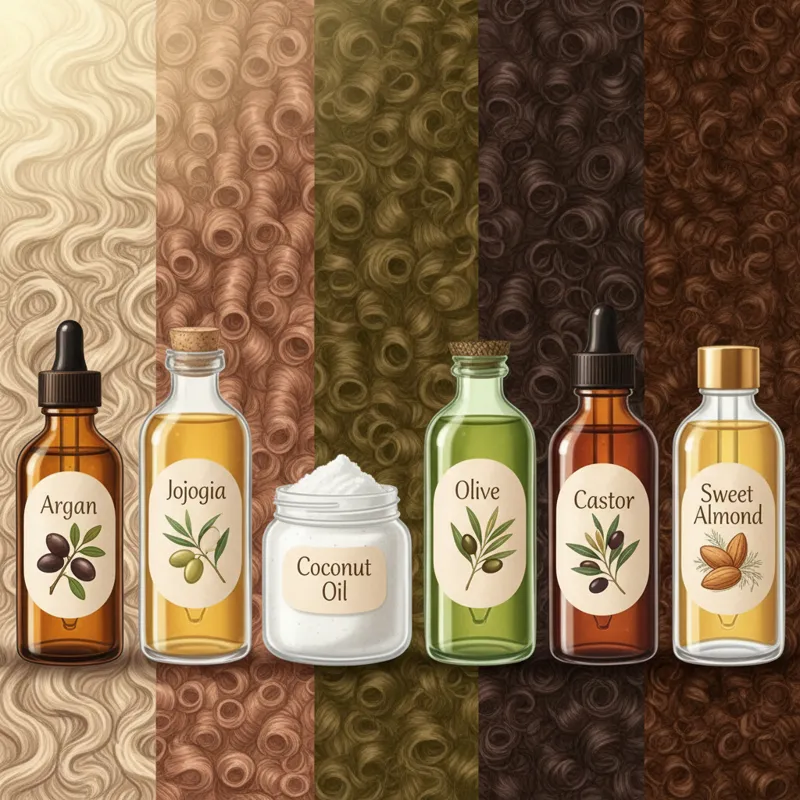
Choosing the right natural oil for curling hair is not a one-size-fits-all situation. The best choice depends on your specific curl pattern, hair porosity, and desired results. Here are six highly effective oils, detailed for their unique benefits.
1. Argan Oil: The Liquid Gold for All Curl Types
Often referred to as “liquid gold,” argan oil is extracted from the kernels of the argan tree native to Morocco. It’s a powerhouse for curly hair due to its rich composition of antioxidants, vitamin E, and essential fatty acids (oleic and linoleic acid).
- Properties: Medium-weight, non-greasy, and absorbs relatively quickly.
- Benefits for Curls: Argan oil excels at frizz control for curly hair, providing a noticeable sheen without weighing hair down. Its vitamin E content helps to repair damaged hair follicles, promoting healthy growth and strength. It’s an excellent choice for adding a soft, natural gloss to any curl type, from fine waves to thick coils. It’s particularly effective at protecting against heat damage.
- Best for: All curl types (2A-4C), especially those seeking shine, frizz reduction, and heat protection. Good for medium to high porosity hair. For an in-depth look at its broader benefits, see the Wikipedia page on Argan oil.
2. Jojoba Oil: Mimicking Your Hair’s Natural Sebum
Technically a liquid wax rather than an oil, jojoba oil is unique because its molecular structure closely resembles human sebum, the natural oil produced by our scalp. This makes it incredibly compatible with hair and skin, reducing the likelihood of buildup or irritation.
- Properties: Light-weight, non-comedogenic (won’t clog pores), and easily absorbed.
- Benefits for Curls: Jojoba oil is fantastic for balancing scalp oil production, making it beneficial for those with oily scalps but dry ends. It moisturizes without leaving a greasy residue, making it an ideal curl enhancing oil for wavy hair or fine curls that tend to get weighed down. It strengthens hair follicles and adds a healthy shine, promoting overall scalp health which is crucial for curl retention.
- Best for: All curl types, particularly fine to medium hair (2A-3B) and those with sensitive scalps or issues with product buildup. Great for low to medium porosity hair.
3. Coconut Oil: The Deep Penetrator
A staple in many natural hair care routines, coconut oil is celebrated for its ability to deeply penetrate the hair shaft, thanks to its high concentration of lauric acid, a medium-chain fatty acid. This penetration helps reduce protein loss and strengthens hair from within.
- Properties: Medium to heavy-weight, solid at room temperature, and melts upon contact with skin.
- Benefits for Curls: As a natural oil for curl retention, coconut oil is exceptional for deep conditioning and preventing protein loss, which can lead to stronger, more elastic curls. It significantly reduces frizz and adds a beautiful luster. However, due to its penetrating nature, some find it can lead to protein overload if used too frequently on protein-sensitive hair.
- Best for: Medium to coarse, thick hair (3C-4C) that needs intense moisture and strength. Ideal for high porosity hair. Use sparingly on fine hair or low porosity hair to avoid greasiness.
4. Olive Oil: A Mediterranean Secret for Moisture
Beyond the kitchen, extra virgin olive oil has been a traditional beauty secret for centuries. Rich in monounsaturated fatty acids (oleic acid) and antioxidants, it provides significant moisture and protection.
- Properties: Heavy-weight, very emollient, and deeply conditioning.
- Benefits for Curls: Olive oil offers intense hydration, making it an excellent frizz control oil for curly hair, especially very dry or damaged textures. It helps to smooth the cuticle, add shine, and improve hair elasticity, reducing breakage. Its anti-inflammatory properties can also soothe a dry or itchy scalp.
- Best for: Thick, coarse, very dry, or damaged hair (3C-4C). Particularly beneficial for high porosity hair that struggles with moisture retention. Use sparingly on finer hair to avoid a greasy feel.
5. Castor Oil: Growth and Thickening Power
Derived from the castor bean, this thick, viscous oil is renowned for its purported hair growth benefits. It’s packed with ricinoleic acid, a fatty acid with anti-inflammatory and antimicrobial properties, beneficial for scalp health.
- Properties: Very thick and heavy-weight.
- Benefits for Curls: While not a primary styling oil, castor oil is a fantastic addition to pre-poo treatments or scalp massages. Its thickness helps to seal in moisture, making it great for reinforcing strands and protecting ends, contributing to natural oils for curl retention. Regular application to the scalp can improve circulation and promote hair growth, leading to fuller, healthier curls over time.
- Best for: All curl types for scalp treatments and strengthening, especially those experiencing shedding or seeking thicker hair. Best used as a treatment rather than a leave-in for styling due to its heavy nature. Blending it with a lighter oil often makes application easier.
6. Sweet Almond Oil: Lightweight Nourishment
Sweet almond oil, extracted from edible almonds, is a gentle, lightweight oil rich in vitamin E, magnesium, and omega-3 fatty acids. It’s easily absorbed and provides excellent nourishment without heaviness.
- Properties: Light-weight, smooth texture, and quickly absorbed.
- Benefits for Curls: This oil is excellent for smoothing frizz, adding softness, and enhancing shine, making it one of the best hair oil for natural curls across many types. Its lightweight nature means it won’t weigh down finer curl patterns. The vitamin E content acts as an antioxidant, protecting hair from environmental damage. It also helps to prevent split ends and soothe scalp irritation.
- Best for: Fine to medium curl types (2A-3C), and those with sensitive scalps. Good for all porosities, offering balanced moisture without being too heavy. For more information on the various applications of almond oil, a quick search on reputable health sites will provide a detailed overview.
How to Use Oil for Curling Hair for Maximum Definition and Frizz Control
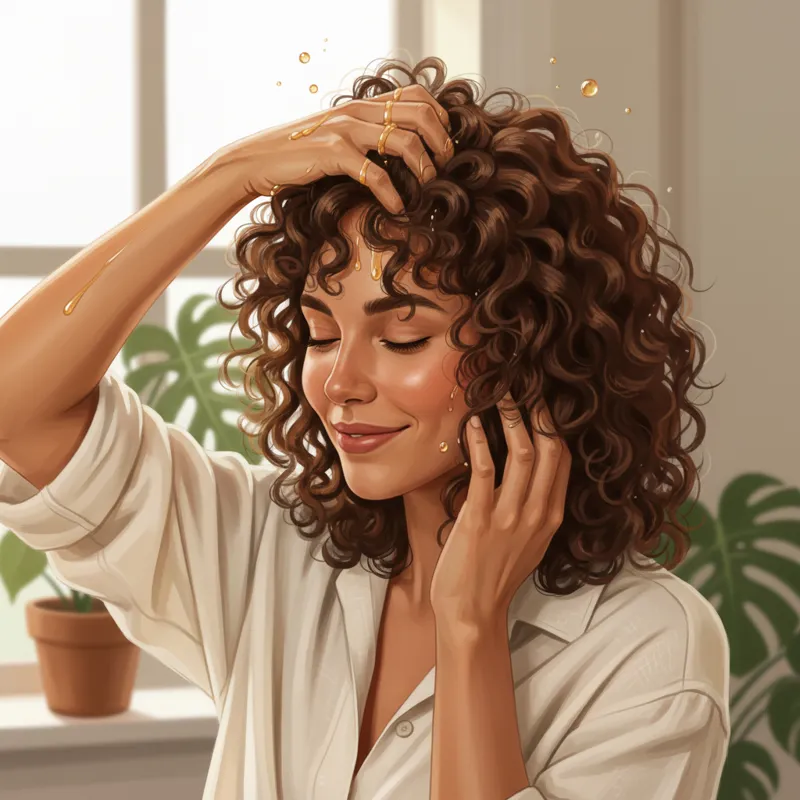
Applying oil effectively is just as crucial as choosing the right one. The goal is to enhance definition, seal moisture, and reduce frizz without leaving your hair greasy or weighed down.
Pre-Shampoo Treatment (Pre-Poo)
- Purpose: Protects hair from the stripping effects of shampoo, adds a moisture boost.
- Method: Apply a generous amount of a heavier oil (like coconut or olive oil) to dry or slightly damp hair before shampooing. Focus on mid-lengths and ends. Leave on for 30 minutes to a few hours, or even overnight, then shampoo and condition as usual.
Leave-In Moisturizer and Sealant (LOC/LCO Method)
- Purpose: Locks in moisture after washing and conditioning.
- Method: After washing, apply your leave-in conditioner, then a creamy styler (like a curl cream or gel). Finally, use a lighter oil (like argan or jojoba) to seal everything in. This is known as the LOC (Liquid, Oil, Cream) or LCO (Liquid, Cream, Oil) method, depending on the order that works best for your hair. Dispense a few drops into your palms, rub together, and gently scrunch or smooth over your curls.
Frizz Control and Shine Boost
- Purpose: To tame flyaways and add shine to dry hair.
- Method: Once your hair is completely dry, take a tiny amount of a lightweight oil (e.g., argan or sweet almond). Emulsify it between your palms and lightly glaze over the surface of your curls, paying attention to areas prone to frizz. This is an excellent way to refresh your curls between wash days and provide extra sheen.
Scalp Treatment
- Purpose: Promote a healthy scalp environment for hair growth and reduce dryness.
- Method: Massage a small amount of oil (castor, jojoba, or a blend) directly into your scalp using your fingertips. This can be done before shampooing or as an overnight treatment.
What Most People Get Wrong When Using Hair Oils
Despite the undeniable benefits of using oil for curling hair, several common missteps can lead to less-than-ideal results. Avoiding these pitfalls is crucial for achieving truly perfect curls.
- Using Too Much Oil: This is by far the most frequent mistake. A little goes a long way. Over-application leads to greasy, weighed-down hair that looks dull and lacks definition. Start with a pea-sized amount and add more only if needed. It’s much easier to add more product than to remove excess.
- Applying Oil to Dry, Un-Moisturized Hair: While oils are excellent sealants, they aren’t primary moisturizers in the way water or water-based leave-ins are. Applying oil to hair that hasn’t been adequately hydrated first will seal in dryness, making your hair feel crunchy and stiff, not soft and supple. Always ensure your hair is damp or has had a water-based product applied first before using oil as a sealant.
- Not Considering Hair Porosity: Using a heavy oil on low porosity hair can lead to buildup and an oily residue, as the oil struggles to penetrate the tightly bound cuticles. Conversely, using a very light oil on high porosity hair might not provide enough sealing power to retain moisture effectively. Matching the oil’s weight to your porosity is key.
- Expecting Miraculous Growth Overnight: While some oils, like castor oil, are touted for growth benefits, they work by creating a healthy scalp environment and strengthening existing hair, reducing breakage. They are not magic potions for instant length. Consistent, long-term use is necessary to see subtle improvements.
- Incorrect Application Technique: Rubbing oil aggressively onto curls can disrupt the curl pattern and cause frizz. Instead, gently scrunch, smooth, or ‘prayer-hand’ the oil onto your hair, following the natural curl clump. For scalp application, use gentle massaging motions.
Choosing the Right Oil for Your Specific Curl Pattern
Matching the oil to your curl type and porosity ensures the best results. Here’s a quick guide:
For Wavy Hair (2A-2C)
Wavy hair can easily be weighed down. Focus on lightweight curl enhancing oil for wavy hair. Jojoba, sweet almond, or a very light application of argan oil are excellent choices. Use them primarily for sealing in moisture and adding shine, avoiding the roots if your hair gets oily quickly.
For Curly Hair (3A-3C)
Curly hair benefits from a balance of moisture and definition. Argan, sweet almond, and jojoba oils work well. You can also incorporate coconut oil sparingly for deep conditioning, particularly on denser 3C curls. These oils help with how to use hair oil for curl definition effectively.
For Coily Hair (4A-4C)
Coily hair often needs the most moisture and protection. Heavier oils like olive, coconut, and castor oil (often blended with lighter oils) are highly effective. They provide significant moisture, excellent frizz control, and help with natural oils for curl retention. Consider using a variety of oils in rotation or in blends for comprehensive care.
Beyond Oils: A Holistic Approach to Curly Hair Care
While the right oil for curling hair is a powerful tool, it’s part of a larger ecosystem of healthy hair care. Consider your entire routine, from gentle cleansing to deep conditioning and protective styling. Hydration, both internal and external, is paramount. Ensuring you’re drinking enough water is just as important for hair health as topical treatments. For example, considering the ultimate benefits of Brisk Raspberry Iced Tea might inspire you to enhance your daily hydration ritual. Similarly, creating a consistent hair care routine, much like enjoying a calming cup of your favorite brew from a beautifully crafted Chinese tea pot, can be a ritual of self-care and overall wellness. And just as there are 5 best Fuze Iced Tea flavors for 2026, there are multiple approaches to finding your perfect curl routine.
Pay attention to ingredients in all your products. Seek out sulfate-free shampoos and silicone-free conditioners if your hair tends to experience buildup. Regular trims are also essential to remove split ends and maintain healthy curl formation. Protecting your hair at night with a satin or silk bonnet or pillowcase significantly reduces friction and helps preserve your curl pattern.
People Also Ask (FAQ)
Can I leave oil in my hair overnight?
Yes, many people use oils as an overnight treatment, especially for deep conditioning or scalp massages. Heavier oils like coconut or olive oil are excellent for this. Just be sure to protect your pillow with a towel or use a satin bonnet.
How often should I use oil on my curly hair?
This depends on your hair type and needs. For daily frizz control or shine, a tiny amount of lightweight oil can be used. For deep conditioning or pre-poo treatments, once or twice a week is generally sufficient. Listen to your hair; if it feels greasy, reduce frequency or amount.
Will oil make my hair grow faster?
Oils like castor oil are often associated with hair growth. They work by improving scalp health, which can create an optimal environment for hair follicles and reduce breakage, leading to the appearance of faster growth or increased thickness. However, they don’t directly alter the genetic rate of hair growth. Consistency is key.
Can I mix different oils together?
Absolutely! Many people find that blending different oils creates a customized mix that addresses multiple concerns. For example, you might blend a heavy oil like castor oil with a lighter one like jojoba or sweet almond oil for easier application and balanced benefits. Experiment to find your perfect cocktail.
Is using ‘oil for curling hair’ safe for color-treated hair?
Yes, natural oils are generally safe for color-treated hair and can even be beneficial. They help to seal the cuticle, which can prolong color vibrancy and provide much-needed moisture to hair that might be dried out from chemical processes. Opt for unrefined, pure oils to avoid unwanted additives.
What’s the difference between hair oil and serum?
Hair oils are typically natural, plant-derived extracts primarily composed of lipids, offering deep nourishment and sealing. Serums, while often containing some oils, are usually formulated with silicones and other synthetic ingredients designed to provide a smooth, glossy finish and immediate frizz reduction. Serums primarily sit on the surface, while some natural oils can penetrate the hair shaft.
Disclaimer: The beauty and haircare information on bangladeshcountry.com is for general informational purposes only. Haircare products, oils, and masks may cause allergic reactions or vary in results depending on individual hair and skin types. Always check product ingredients and perform a patch test before using any new cosmetic product. Reliance on this information is at your own risk.


