

A dining table is often the centerpiece of a home, a gathering point for meals, conversations, and celebrations. While its top surface rightly gets much of the attention for aesthetics and material, the unassuming legs play an equally critical, though often overlooked, role in its stability, functionality, and overall style. Far from just structural supports, the design of a dining table with legs dictates everything from how many people can comfortably sit to the table’s resilience against daily use. Understanding the mechanics and aesthetics of these vital components is key to selecting a table that perfectly complements your space and lifestyle, ensuring it stands strong and stylish for years to come.
The Enduring Foundation: Why Leg Design Matters for Your Dining Table
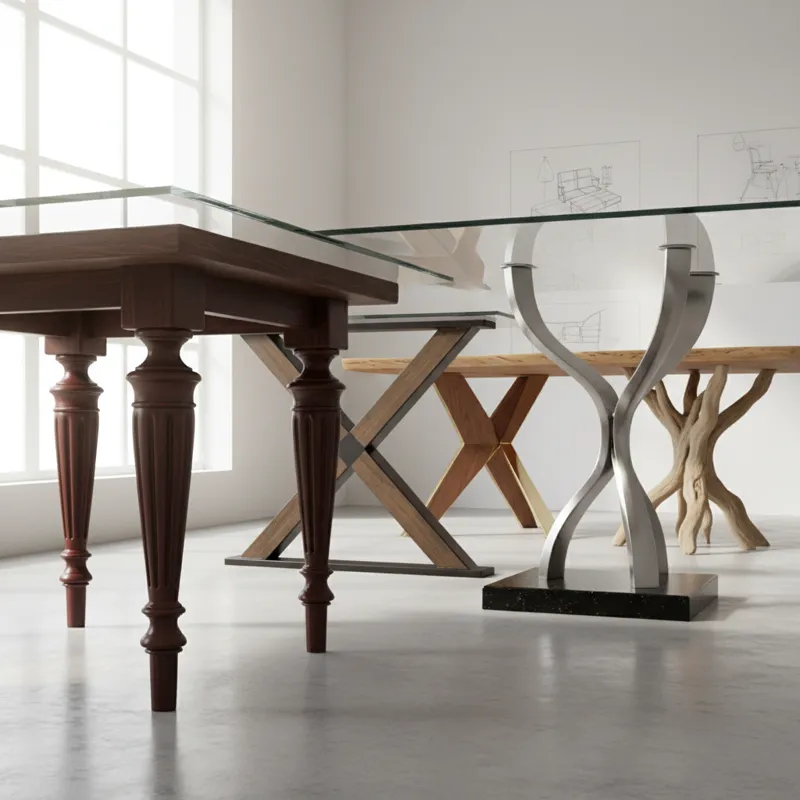
When you consider a new dining table set for 6, your mind likely jumps to the tabletop material, shape, and overall dimensions. However, the legs of that dining table are arguably just as significant. They are the unsung heroes, providing the necessary foundation that allows the tabletop to fulfill its purpose. Their design impacts everything from visual balance to practical ergonomics, directly influencing how you and your guests interact with the piece.
Beyond Aesthetics: The Role of Legs in Stability and Function
The primary function of dining table legs is structural support. They bear the entire weight of the tabletop, plus anything placed on it, distributing that load evenly to the floor. Well-designed legs prevent wobbling, sagging, or tipping, which are critical for safety and comfort during meals. Consider a heavy slab of solid wood or stone; it demands robust, well-anchored legs to maintain stability. The type of joinery and the connection points between the legs and the apron (the frame beneath the tabletop) are just as important as the material of the legs themselves.
Functionally, leg design also dictates seating capacity and comfort. A table with legs positioned too far inward might restrict legroom, while legs that splay too far out could impede chairs from being pushed in fully. The amount of overhang the tabletop provides beyond the legs also influences comfortable seating and can affect the table’s visual lightness or heft.
Supporting Your Lifestyle: Matching Legs to Use
Your lifestyle directly influences the ideal leg design. For a bustling family home where the table sees daily, heavy use, highly stable and durable leg structures are paramount. Think robust four-post designs or sturdy trestle bases that can withstand bumps and shifting. If your dining area is a more formal space used for occasional entertaining, you might prioritize intricate designs or lighter, more delicate structures that enhance the room’s aesthetic. Even for those seeking casual dining room tables, the leg design still needs to be practical for daily life.
Deconstructing the Core Types of Dining Table Legs

While an endless variety of designs exists, most dining table leg styles fall into a few core categories, each offering distinct advantages in terms of aesthetics, stability, and seating comfort.
Traditional Four-Leg Designs
This is the most common and classic configuration, featuring a leg at each corner of the table. Its simplicity offers excellent stability and versatility, adapting to almost any tabletop shape (rectangular, square, round, oval). The legs themselves can vary wildly in style, from straight and tapered to turned, carved, or cabriole. The main challenge with four-leg designs, especially with rectangular tables, can be restricted seating at the ends, where the leg placement might limit chair movement or legroom.
Pedestal Bases: A Centralized Approach
A pedestal table features a central column or base that supports the tabletop. This design inherently offers superior seating flexibility, as there are no corner legs to obstruct chairs or legroom, making it ideal for maximizing capacity, particularly with round or oval tops. Pedestals can range from a single, stout column to multiple elegantly curved supports. Stability here hinges on the size and weight of the base itself relative to the tabletop. Overly large or heavy tabletops on a narrow pedestal can feel unstable or prone to tipping if not properly engineered.
Trestle Bases: Industrial and Farmhouse Flair
Trestle tables are characterized by two or more substantial vertical supports (the “trestles”) connected by a horizontal beam (the “stretcher” or “trestle beam”) running underneath the tabletop. This design offers exceptional stability and a distinct aesthetic, often associated with farmhouse, rustic, or industrial styles. Like pedestal tables, trestle bases generally offer more generous legroom along the sides since the supports are recessed. However, the stretcher can sometimes impede legroom for those sitting directly over it, especially if the table is narrow. The substantial visual weight of a trestle base demands a larger space to avoid overwhelming the room.
Spider Legs and Modern Interpretations
Spider legs, also known as star or geometric bases, are a modern evolution where multiple slender legs splay out from a central point, often in striking geometric patterns. These designs are highly aesthetic, creating visual interest and a sense of lightness. They offer good stability when well-engineered and can provide excellent legroom, similar to a pedestal, as the central connection keeps the support away from chair positions. Materials like powder-coated steel or polished chrome are common, lending themselves to contemporary and minimalist interiors.
Hairpin Legs: Retro Charm Meets Modernity
Hairpin legs, recognizable by their slender, bent metal rod design, originated in the mid-20th century and have seen a strong resurgence. They offer a light, airy aesthetic that works well in modern, industrial, and retro-inspired spaces. Made typically from steel, they are surprisingly strong for their slim profile. While visually appealing and providing ample legroom due to their minimalist nature, hairpin legs might not offer the same rock-solid stability as a more substantial four-post or trestle base, especially for very large or heavy tabletops, though proper bracing can mitigate this.
Material Choices for Dining Table Legs: Form Meets Durability

The material of your dining table’s legs profoundly impacts its durability, weight, and aesthetic. Each material comes with its own set of characteristics that influence performance and how it integrates with your existing decor. A careful choice here ensures both longevity and style harmony.
Solid Wood: Timeless Strength and Warmth
Solid wood remains a perennial favorite for dining table legs due to its natural beauty, warmth, and excellent strength-to-weight ratio. Woods like oak, maple, walnut, and cherry are incredibly durable and can withstand significant stress. They also offer vast stylistic versatility, from intricately carved traditional designs to sleek, minimalist modern forms. Wood can be stained, painted, or left natural to match various dining table styles. However, wood can be susceptible to scratches, dents, and changes due to humidity, requiring proper finishing and occasional maintenance.
Metal (Steel, Iron, Aluminum): Industrial Edge and Modern Sleekness
Metal legs offer a distinct contemporary or industrial look and exceptional strength. Steel, particularly powder-coated or stainless steel, is incredibly robust and resistant to dents and scratches, making it ideal for heavily used tables. Cast iron provides a substantial, often ornate, antique or industrial feel. Aluminum is lighter than steel and resistant to corrosion, making it suitable for outdoor use as well, though it may not carry the same load capacity as steel or iron. Metal legs can be sleek and minimalist or bold and imposing, often paired with wood, glass, or stone tops for a striking contrast.
Mixed Materials and Hybrid Designs
Increasingly, dining table designers are combining materials to leverage the best properties of each. For example, a heavy wooden tabletop might rest on a steel frame for superior stability and a modern edge. A glass top could be supported by a sculptural wooden base with metal accents. These hybrid designs often create unique visual interest and can be tailored to very specific aesthetic and functional requirements, offering creative flexibility that single-material designs might lack.
Unexpected Materials: Stone, Glass, Acrylic
While less common, some dining tables feature legs made from unexpected materials. Solid stone bases, often marble or granite, are incredibly heavy and stable, conveying immense luxury and permanence. Glass or acrylic legs offer a contemporary, almost invisible look, creating the illusion of a floating tabletop and maximizing visual space. These materials require careful handling and specific cleaning methods but can provide a truly unique and sophisticated statement.
Style Harmony: Pairing Legs with Your Home Decor
The legs of your dining table are not just functional; they are a significant design element that profoundly influences the table’s overall aesthetic and how it harmonizes with your home decor. Choosing the right leg style ensures your dining area feels cohesive and intentional, not just a collection of furniture.
Modern and Minimalist: Clean Lines and Uncluttered Forms
For modern and minimalist interiors, look for dining table with legs that feature clean lines, simple geometric shapes, and an uncluttered appearance. Materials like polished stainless steel, matte black metal, or light-toned solid wood with a smooth finish are ideal. Pedestal bases, spider legs, or straight, tapered four-post legs fit this aesthetic perfectly, contributing to an airy, sophisticated feel without drawing excessive attention.
Farmhouse and Rustic: Robustness and Natural Textures
Farmhouse and rustic styles demand legs with a sense of solidity and natural charm. Think chunky, turned legs for a classic farmhouse look, or substantial trestle bases made from reclaimed wood or distressed finishes. The emphasis is on warmth, durability, and a connection to natural materials. Distressed wood, matte black metal accents, or sturdy, simple square legs often complement this relaxed, inviting aesthetic.
Industrial: Exposed Hardware and Raw Finishes
Industrial decor celebrates raw materials and utilitarian design. Dining table legs in this style often feature exposed metalwork, such as heavy-gauge steel, cast iron, or black powder-coated finishes. Rivets, bolts, and visible welding marks can add to the authentic industrial feel. Trestle bases, A-frame legs, or robust four-post designs with a clear, honest display of their construction fit well. Pairing these with a chunky wood or concrete top completes the look.
Traditional and Classic: Ornate Details and Substantial Presence
Traditional and classic interiors call for dining table legs that convey elegance and a sense of history. Carved details, turned legs, cabriole legs, or substantial pedestal bases are common. Rich, dark wood finishes like mahogany, cherry, or walnut are often preferred, reflecting a timeless and refined aesthetic. The legs should have a certain gravitas and presence to anchor the room.
Eclectic: Mixing and Matching with Confidence
An eclectic style embraces variety and personal expression. This is where you can confidently mix and match elements, perhaps pairing a sleek modern tabletop with vintage-inspired hairpin legs, or a reclaimed wood top with elegant Queen Anne legs. The key is to find common ground in color, texture, or an overarching theme to ensure the combination feels intentional and curated, rather than haphazard. This approach often leads to truly unique dining room tables.
Practical Considerations: Stability, Space, and Seating
Beyond aesthetics, the practical implications of your dining table’s leg design are paramount. These factors directly affect daily usability, comfort, and the longevity of your investment. Overlooking them can lead to frustration and a table that simply doesn’t perform as expected.
Ensuring Rock-Solid Stability: What to Look For
A wobbly dining table is not just annoying; it can be unsafe. To assess stability, look at the connections where the legs meet the tabletop and any cross-bracing. Solid joinery (mortise and tenon, sturdy metal brackets, well-fitted bolts) is crucial. For four-leg tables, the spread of the legs matters; wider-set legs generally offer better stability. Pedestal bases need a substantial, heavy foot to counteract leverage from the tabletop. Trestle bases rely on the strength of their connecting beam. Always test a table for wobbles before purchasing, if possible, by gently pushing down on the edges.
Navigating Space Constraints: Leg Placement and Overhang
The placement of the legs directly impacts how easily chairs can be pushed in and out, and how many people can sit comfortably. In smaller dining areas, pedestal or trestle bases often make more sense than corner-placed legs, as they eliminate obstructions at seating points. For corner legs, ensure enough space for chairs. The tabletop’s overhang beyond the legs provides crucial knee room and space for arms. Too little overhang means knees might hit the apron or legs, while too much can create an unbalanced look or make the table feel less stable.
Optimizing Seating: Avoiding Leg Obstruction
This is a major pain point many people overlook. When planning for seating, you need to consider not just the table’s overall length, but specifically the distance between the legs. If you plan for dining room chairs set of 8, you’ll need ample space. A standard recommendation is about 24-28 inches of width per person at the table. If your legs are placed too close to the ends or too far inward from the sides, they will inevitably interfere with comfortable seating. Pedestal and trestle designs generally offer superior legroom along the sides, but check the stretcher beam height on trestle tables to ensure it won’t impede leg movement.
Floor Protection: Glides and Pads
Heavy dining table with legs can easily scratch or dent flooring, especially hardwood or delicate tiles. Always ensure the table’s legs have appropriate floor glides or felt pads. Many tables come with these, but if not, purchase high-quality ones. This small addition protects your floors, allows for easier (and quieter) table movement, and can even help level a slightly wobbly table on uneven surfaces.
Things People Usually Miss When Choosing Dining Table Legs
In the excitement of selecting a new dining table, many practical and long-term considerations regarding the legs often get overlooked. These subtle details can significantly impact your satisfaction and the table’s performance over time.
The Weight Distribution Factor
People often focus on the tabletop material’s weight but forget how that weight is distributed through the legs. A very heavy stone or concrete top requires not just strong legs, but legs that are securely bolted and braced to the frame to prevent racking (sideways movement). Poor weight distribution can lead to premature wear on joinery or even instability. For tables with very heavy tops, look for robust aprons and substantial connection plates where the legs attach. Understanding weight limits, as outlined by a reputable furniture manufacturer or resource like the U. S. Consumer Product Safety Commission, is essential for larger, heavier items.
Future Flexibility: Extending or Reconfiguring
If you’re considering an extendable dining table, the leg design becomes even more critical. Many extension tables have split pedestals or corner legs that pull apart, which can create awkward legroom in the extended position. Some designs keep the legs stationary, requiring the tabletop to extend over them, which can sometimes look less seamless. Before buying, always visualize the table in its extended state and how the legs will accommodate additional seating. For example, Forbes Home often discusses how well different extension mechanisms integrate with leg designs.
The Impact on Chair Selection
It’s easy to fall in love with a dining table and then struggle to find chairs that fit. The leg design directly impacts chair compatibility. Chairs with arms need adequate clearance between the table apron and the chair armrests. Chairs with wider bases or splayed legs might clash with close-set table legs. Always measure the height from the floor to the bottom of the table’s apron (the “apron height”) and the distance between the table legs. This information is crucial for selecting chairs that can slide in comfortably and allow for ample legroom beneath the table. A good rule of thumb is at least 10-12 inches between the chair seat and the tabletop, and sufficient clearance for arms.
Maintenance and Cleaning Around the Base
Some leg designs, particularly those with intricate carvings, multiple intersecting parts, or exposed metalwork, can be dust magnets or tricky to clean. Pedestal bases with wide, flat feet can accumulate dust and debris. Open-frame metal legs might require more attention to prevent tarnishing or rust if not properly finished. Consider the practicality of cleaning when choosing a complex leg design, especially in a busy household. Simple, smooth designs are generally easier to wipe down.
Installation and Assembly: What to Expect
The journey from purchasing a dining table to actually using it often involves assembly. Understanding what that process entails, especially concerning the legs, can save you time and frustration.
DIY Assembly Considerations
Many dining table with legs come “flat-packed” or partially disassembled, requiring you to attach the legs yourself. Most modern tables are designed for relatively straightforward DIY assembly, often involving bolts, screws, and pre-drilled holes. You’ll typically need basic tools like an Allen wrench (often provided), a screwdriver, or a small wrench. The key is to follow the instructions meticulously, ensuring all bolts are tightened securely but not over-tightened (which can strip threads or crack wood). Always assemble on a soft surface to prevent scratching the tabletop.
Professional Assembly: When It’s Worth It
For very large, heavy, or complex dining tables, professional assembly can be a worthwhile investment. Tables with intricate joinery, multiple components, or extremely heavy tops (like stone or concrete) often benefit from experienced hands. Professionals can ensure correct alignment, proper tightening, and safe handling of heavy components, reducing the risk of damage or injury. If the thought of lifting a heavy tabletop or deciphering confusing diagrams causes stress, opt for professional help.
Ensuring Proper Tightening and Leveling
After assembly, a critical step is to check all connections for tightness. Over time, due to use and minor shifts, bolts can loosen, leading to wobbling. Periodically re-tighten all fasteners. Also, ensure the table is perfectly level. Most dining tables come with adjustable glides or feet that allow you to compensate for uneven floors. Adjust these until the table sits firmly without rocking. A simple trick is to gently push on each corner; if it rocks, adjust the feet until it’s stable. Further information on general furniture care and leveling can be found on resources like Wikipedia’s furniture page.
Longevity and Care: Keeping Your Dining Table with Legs in Top Shape
A dining table is a significant investment, and its longevity largely depends on proper care and maintenance, especially for its legs. Regular attention can prevent common issues and keep your table looking and functioning its best for many years.
Regular Cleaning and Maintenance
Dust and spills are the primary enemies. Regularly wipe down the legs with a soft, damp cloth to remove dust and grime. For wooden legs, use a wood-specific cleaner or polish as needed to protect the finish. For metal legs, a mild soap and water solution followed by a dry buff can prevent build-up and maintain luster. Avoid harsh chemicals, as they can strip finishes or cause discoloration. Pay attention to any intricate carvings or corners where dust can accumulate.
Protecting Against Scratches and Dents
Accidental bumps from vacuum cleaners, chairs, or even feet can scratch or dent table legs. Consider adding robust felt pads or rubber bumpers to the bottom of your chairs to minimize impact when they’re pushed in. For solid wood legs, minor scratches can often be buffed out or touched up with a wood repair marker. For metal legs, prevention is key, but some minor scuffs can be polished depending on the finish. Always ensure you have appropriate floor protection under the legs to prevent damage to your flooring as well.
Addressing Wobbly Legs
Over time, even the most robust dining table with legs can develop a wobble. This is usually due to loose fasteners or an uneven floor. First, check all bolts and screws connecting the legs to the tabletop and any cross-bracing; tighten them if loose. If the wobble persists, adjust the leveling feet (if present) until the table is stable. For persistent wobbles on older tables, the joinery might need professional repair. Catching and addressing wobbles early prevents further stress on the connections and extends the table’s life.
People Also Ask (FAQ)
How do I know what leg style is best for my dining room?
Consider your room’s existing decor (modern, traditional, industrial), the size of your space (pedestals and trestles offer more legroom), and your primary use (robust legs for heavy daily use, delicate for occasional). Look at the overall aesthetic you want to achieve – sleek and airy, or grounded and substantial.
Are pedestal tables more stable than four-leg tables?
Not inherently. A well-designed pedestal table with a substantial, heavy base can be very stable, especially for round tops, as it centralizes support. However, an undersized pedestal for a large top can be more prone to tipping or wobbling than a well-constructed four-leg table with widely set supports. Stability depends more on quality of construction and proper sizing than on leg type alone.
Can I replace the legs on an existing dining table?
Yes, often you can! Many tabletops are designed to have their legs detached. You’ll need to measure the existing leg attachment points and ensure new legs are compatible in terms of height, connection type, and load-bearing capacity for your tabletop’s weight. This is a popular way to refresh an old table or customize a new one.
What’s the best material for dining table legs for durability?
Solid metal (like steel or cast iron) and dense hardwoods (like oak or maple) generally offer the highest durability. Metal resists dents and scratches very well and is exceptionally strong. Hardwoods are also very durable but can be more susceptible to surface imperfections than metal. Both, when properly finished and maintained, can last for generations.
How much clearance do I need for dining chair legs around a table?
Aim for at least 6-8 inches of clearance between the back legs of your chairs when they are pushed in and any obstructions (walls, other furniture). For the table itself, ensure chair arms (if applicable) clear the table apron by at least an inch or two. Also, allow 24-28 inches of width per person at the table for comfortable seating without bumping elbows.
The legs of your dining table are much more than just supports; they are integral to its aesthetic appeal, stability, and everyday functionality. By thoughtfully considering the various types of leg designs, material choices, and practical implications, you can select a dining table that not only looks fantastic but also stands strong, provides ample seating, and perfectly suits the rhythm of your home. It’s an investment in both form and function, ensuring countless memorable meals and conversations around a table that genuinely supports your life.


